Category
page 1Branchiopoda genera
Daphnia
Daphnia is a genus of small planktonic crustaceans, in length. Daphnia are members of the order Anomopoda, and are one of the several small aquatic crustaceans commonly called water fleas because their saltatory swimming style resembles the movements of fleas. Daphnia spp. live in various aquatic environments ranging from acidic swamps to freshwater lakes and ponds.

Triops
Triops, from Ancient Greek (), meaning "three", and (), meaning "face" or "eye", is a genus of small crustaceans in the order Notostraca (tadpole shrimp). The long-lasting resting eggs of several species of Triops are commonly sold in kits as pets. The animals hatch upon contact with fresh water. Most adult-stage Triops have a life expectancy of up to 90 days and can tolerate a pH range of 6 to 10. In nature, they often inhabit temporary pools.

Lepidurus
Lepidurus is a genus of small crustaceans in the order Notostraca (tadpole shrimp). It is the larger of the two extant genera of the tadpole shrimps, the other being Triops. They are commonly found in vernal pools and survive dry periods with the help of long lasting resting eggs.
Bosmina
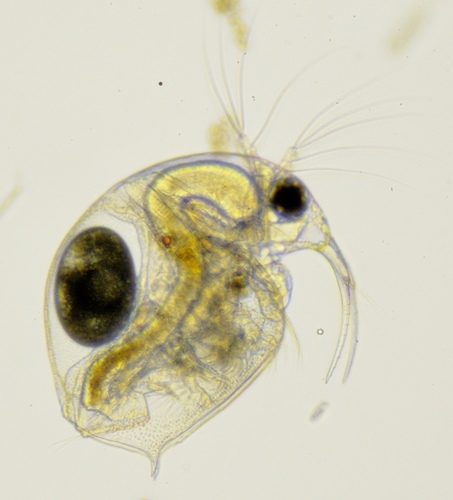
Bosmina is a genus in the order Cladocera, the water fleas. Its members can be distinguished from those of Bosminopsis (the only other genus in the family Bosminidae) by the separation of the antennae; in Bosminopsis, the antennae are fused at their bases.
Parartemia
Parartemia is a genus of brine shrimp endemic to Australia. One species, P. contracta is listed as vulnerable on the IUCN Red List. Parartemia contains the following species:

Moina
Moina is a genus of crustacean within the family Moinidae, which are part of the group referred to as water fleas; they are related to the larger-bodied Daphnia species such as Daphnia magna and Daphnia pulex, though not closely. This genus was first described by W. Baird in 1850.

Branchinecta
Branchinecta is a genus of fairy shrimp in family Branchinectidae. It includes around 50 species, found on all continents except Australia. Branchinecta gigas, the giant fairy shrimp, is the largest species in the order, with a length of up to , and Branchinecta brushi lives at the highest altitude of any crustacean, at , a record it shares with the copepod Boeckella palustris. A new genus, Archaebranchinecta was established in 2011 for two species previously placed in Branchinecta.
Streptocephalus
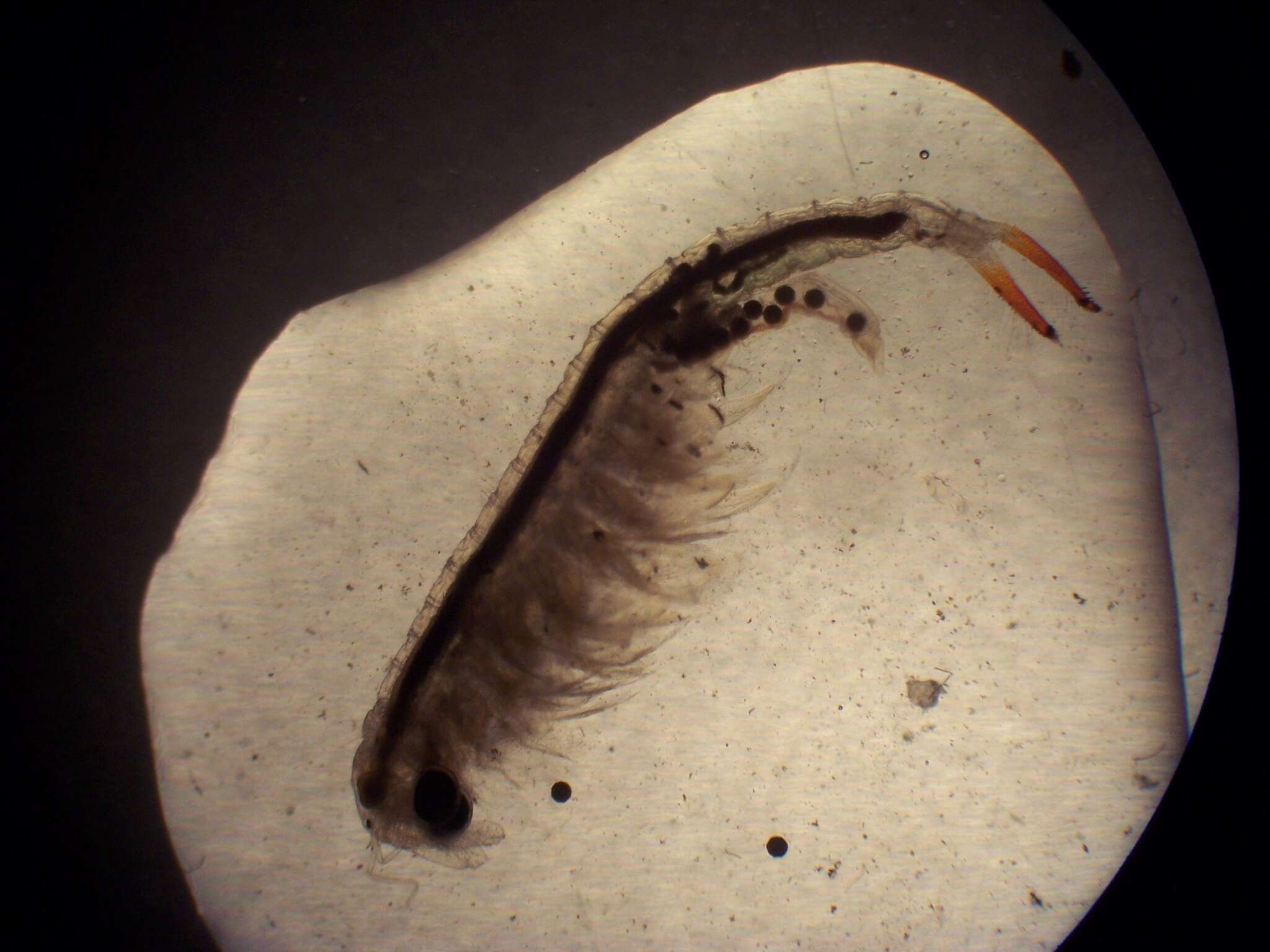
Streptocephalus is a genus of fairy shrimp found in temporary fresh waters in Africa, Australia, Eurasia, and Central and North America, following its ancient origin in Gondwana. It contains the following species:

Alona
genus of arthropods

Chirocephalus
Chirocephalus is a genus of fairy shrimp in the family Chirocephalidae. It contains the following species:

Leptodora
Leptodora is a genus containing two species of large, nearly transparent predatory water fleas. They grow up to long, with two large antennae used for swimming and a single compound eye. The legs are used to catch copepods that it comes into contact with by chance. Leptodora kindtii is found in temperate lakes across the Northern Hemisphere and is probably the only water flea species ever described in a newspaper; L. richardi is only known from eastern Russia. For most of the year, Leptodora reproduces parthenogenetically, with males only appearing late in the season, to produce winter eggs wh
Sida
genus of crustaceans

Ceriodaphnia
Ceriodaphnia is a genus of the Daphniidae; the genus was described in 1853 by James Dwight Dana. It has cosmopolitan distribution.
Eurycercus
Eurycercus is a genus of crustaceans belonging to the suborder Anomopoda. It is the only genus in the monotypic family Eurycercidae. Eurycercus are relatively large anomopods, reaching sizes as large as .

Branchinella
Branchinella is a genus of crustaceans in the family Thamnocephalidae. This fairy shrimp genus is found across many parts of the world, but especially western Australia and southern Africa.
Linderiella
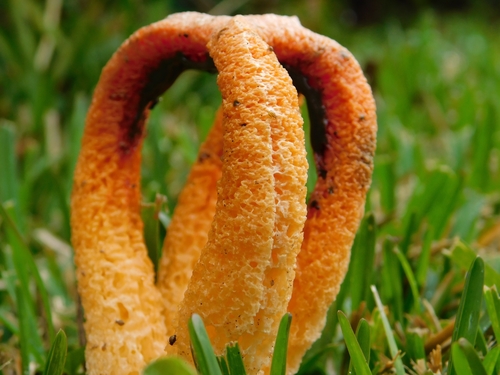
Linderiella is a genus of fairy shrimp, previously placed in its own family, Linderiellidae, but now usually considered part of the Chirocephalidae. It comprises five species – Linderiella occidentalis and L. santarosae from California, L. africana from the Atlas Mountains in Morocco, L. massaliensis from southeastern France and L. baetica from southern Spain.
Eubranchipus
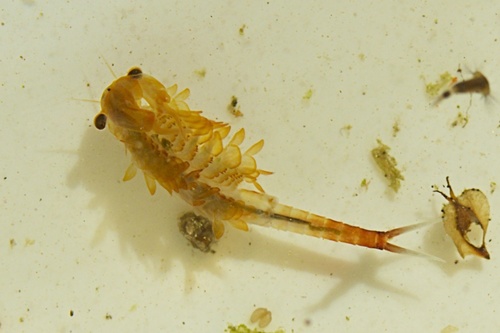
Eubranchipus is a genus of brine shrimp and fairy shrimp in the family Chirocephalidae. There are 21 described species in Eubranchipus. (see also)

Dendrocephalus
Dendrocephalus is a genus of fairy shrimp found in South and North America. It is characterised by the presence of an antenna-like appendage arising between the second antennae and the eyestalks. The genus comprises 17 species in two subgenera:
Dendrocephalus Daday, 1908
Dendrocephalus affinis Pereira, 1984 – Venezuela
Dendrocephalus argentinus Pereira & Belk, 1987 – Paraguay
Dendrocephalus brasiliensis Pesta, 1921 – Argentina, Brazil
Dendrocephalus cervicornis (Weltner, 1890) – Argentina
Dendrocephalus conosurius Pereira & Ruiz, 1995
Dendrocephalus cornutus Pereira & Belk, 1987 – Costa Rica
D
Tanymastix
Tanymastix is a genus of anostracan crustaceans, characterised by their lenticular (lentil-shaped) eggs. It comprises three species. Tanymastix stagnalis has a wide distribution across Europe and North Africa. T. motasi is endemic to Romania and North Macedonia, while T. stellae was endemic to Sardinia. The type locality of T. stellae has since been destroyed and the species is believed to be extinct; reports of T. stellae surviving on Corsica have not been confirmed, despite repeated attempts.

Eulimnadia
Eulimnadia is a genus of branchiopods in the family Limnadiidae. There are about 13 described species in Eulimnadia.
Notoalona
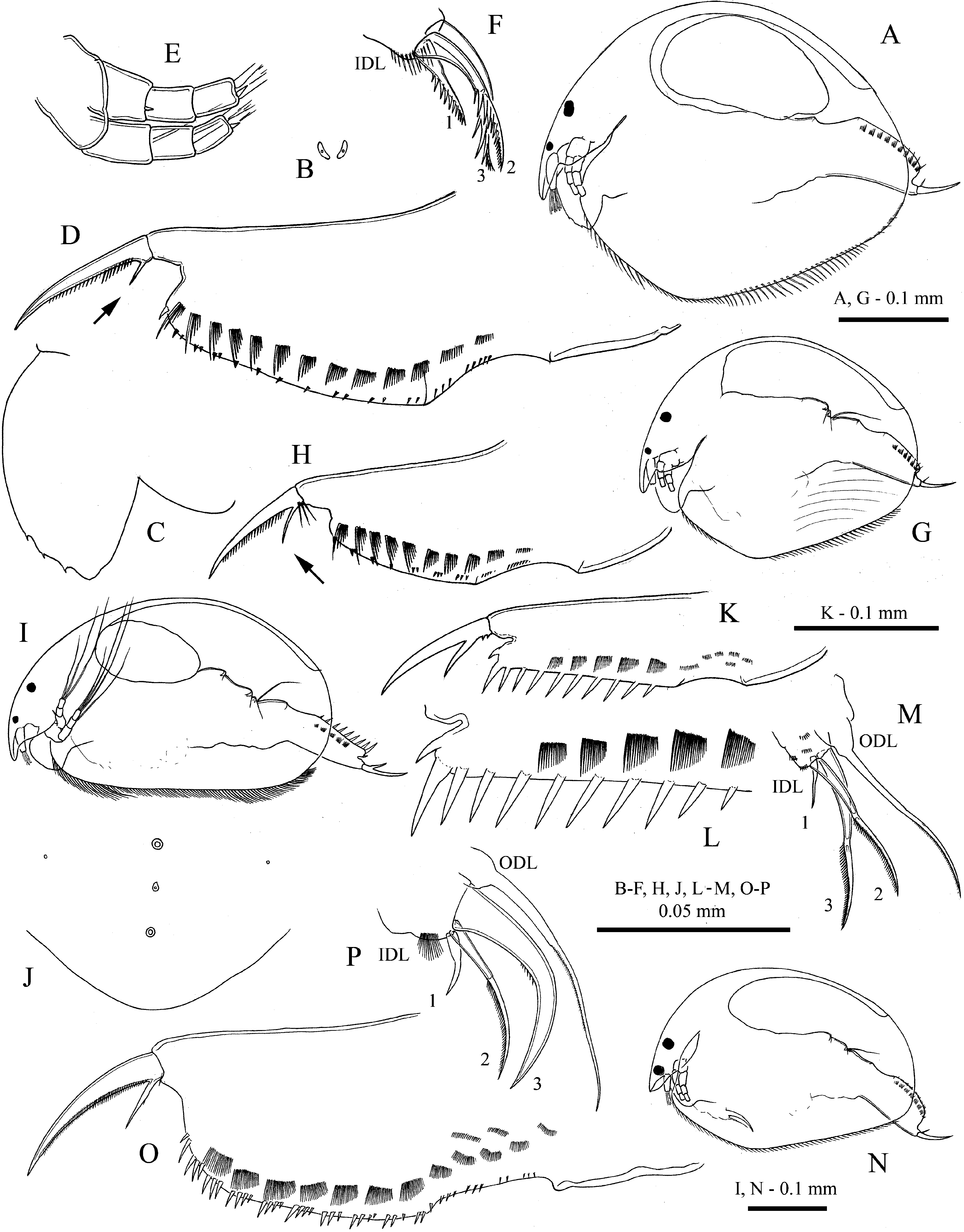
Notoalona is a genus of crustaceans belonging to the family Chydoridae.
Polyphemus
genus of arthropods
Thamnocephalus
Thamnocephalus is a genus of fairy shrimp within the family Thamnocephalidae. There are currently 5 species assigned to the genus, along with 2 subgenera.
Cyzicus
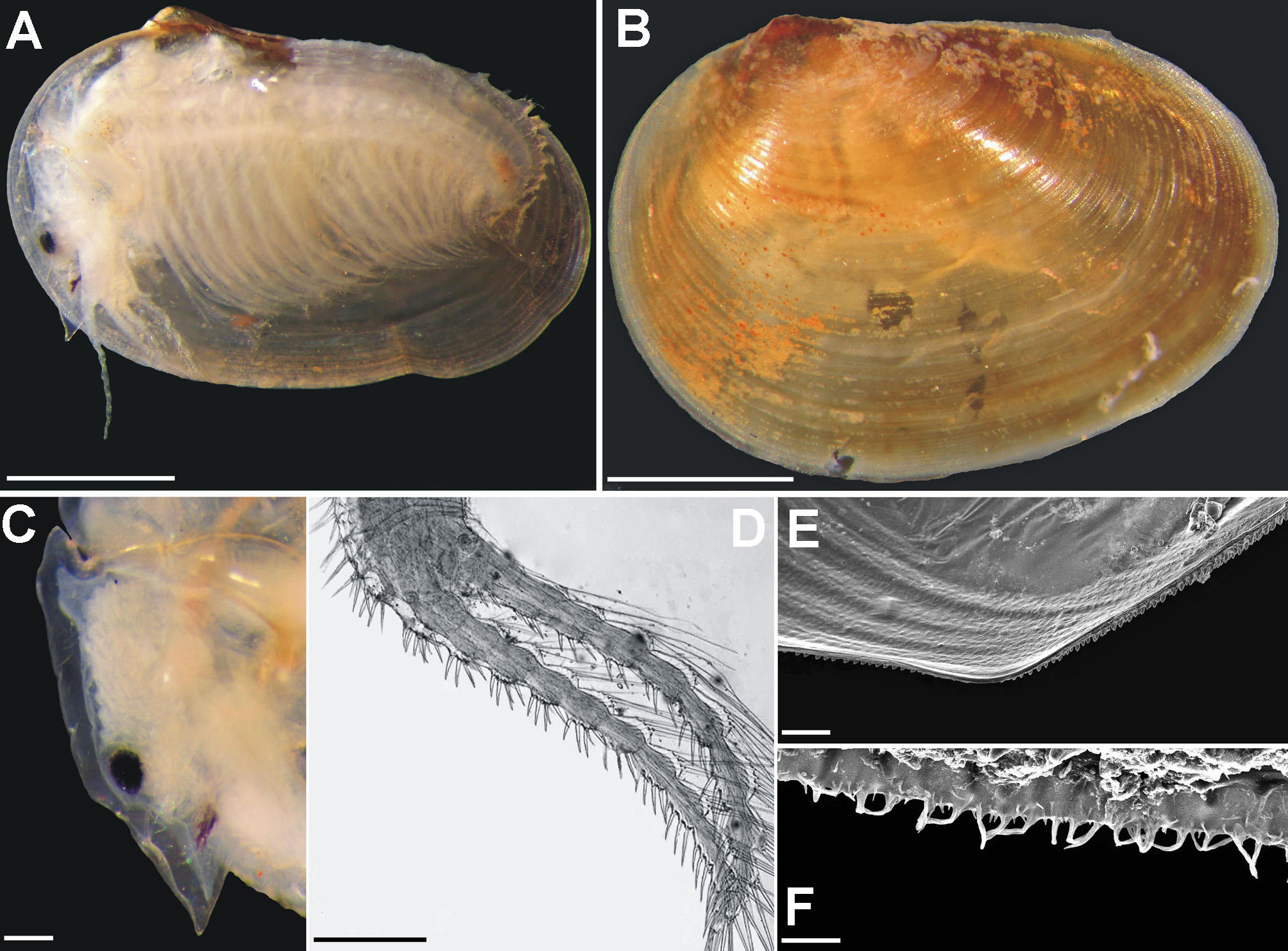
genus of crustaceans
Branchipodopsis
Branchipodopsis is a genus of aquatic crustaceans, in the order Anostraca. It is one of several genera known as fairy shrimp. All described species are specialised for inhabiting ephemeral rock pools in situations such as mountains and deserts. Though the genus is most widely known from Africa, some occur in the middle east and adjoining regions.