Category
page 1Brassicales families

Brassicaceae
Brassicaceae () or (the older but equally valid) Cruciferae () is a medium-sized and economically important family of flowering plants commonly known as the mustards, the crucifers, or the cabbage family. Most are herbaceous plants, while some are shrubs. The leaves are simple (although are sometimes deeply incised), lack stipules, and appear alternately on stems or in rosettes. The inflorescences are terminal and lack bracts. The flowers have four free sepals, four free alternating petals, two shorter free stamens and four longer free stamens. The fruit has seeds in rows, divided by a thin wa

Caricaceae
The Caricaceae are a family of flowering plants in the order Brassicales, found primarily in tropical regions of Central and South America and Africa. They are usually short-lived evergreen pachycaul shrubs or small to medium-sized trees growing to 5–10 m tall. One species, Vasconcellea horovitziana is a liana and the three species of the genus Jarilla are herbs. Some species, such as the papaya, bear edible fruit and produce papain.

Capparaceae
The Capparaceae (or Capparidaceae), commonly known as the caper family, are a family of plants in the order Brassicales. As currently circumscribed, the family contains 15 genera and about 430 species. The largest genera are Capparis (about 140 species), Morisonia (87 species), Maerua (70 species), Boscia (30 species), and Cadaba (30 species).

Resedaceae
Resedaceae is a family of mostly herbaceous dicotyledonous plants comprising 107 known species in 8 to 12 genera.

Salvadoraceae
Salvadoraceae is a family in the plant order Brassicales, consisting of three genera with a total of 11 known species. They occur in Africa (including Madagascar), Southeast Asia, and on Java, suggesting they are probably found in much of Malesia. They are often found in hot, dry areas.

Cleomaceae
The Cleomaceae are a small family of flowering plants in the order Brassicales, comprising about 220 species in two genera, Cleome and Cleomella. These genera were previously included in the family Capparaceae, but were raised to a distinct family when DNA evidence suggested the genera included in it are more closely related to the Brassicaceae than they are to the Capparaceae. The APG II system allows for Cleomaceae to be included in Brassicaceae. Cleomaceae includes C3, C3–C4, and C4 photosynthesis species.

Gyrostemonaceae
Gyrostemonaceae is a family of plants in the order Brassicales. It comprises 4(-6) genera, totalling about 20 known species. All are endemic to temperate parts of Australia. They are shrubs or small trees with small, often narrow leaves, and small flowers. They are wind-pollinated.
left|thumb|upright|Gyrostemon ramulosis flowers.jpg

Limnanthaceae
The Limnanthaceae are a small family of annual herbs occurring throughout temperate North America. There are eight species and nineteen taxa currently recognized. Members of this family are prominent in vernal pool communities of California. Some taxa have been domesticated for use as an oil seed crop. Some members are listed as threatened or endangered and have been the focus of disputes over development plans (e.g. Limnanthes floccosa subsp. californica, Limnanthes vinculans).
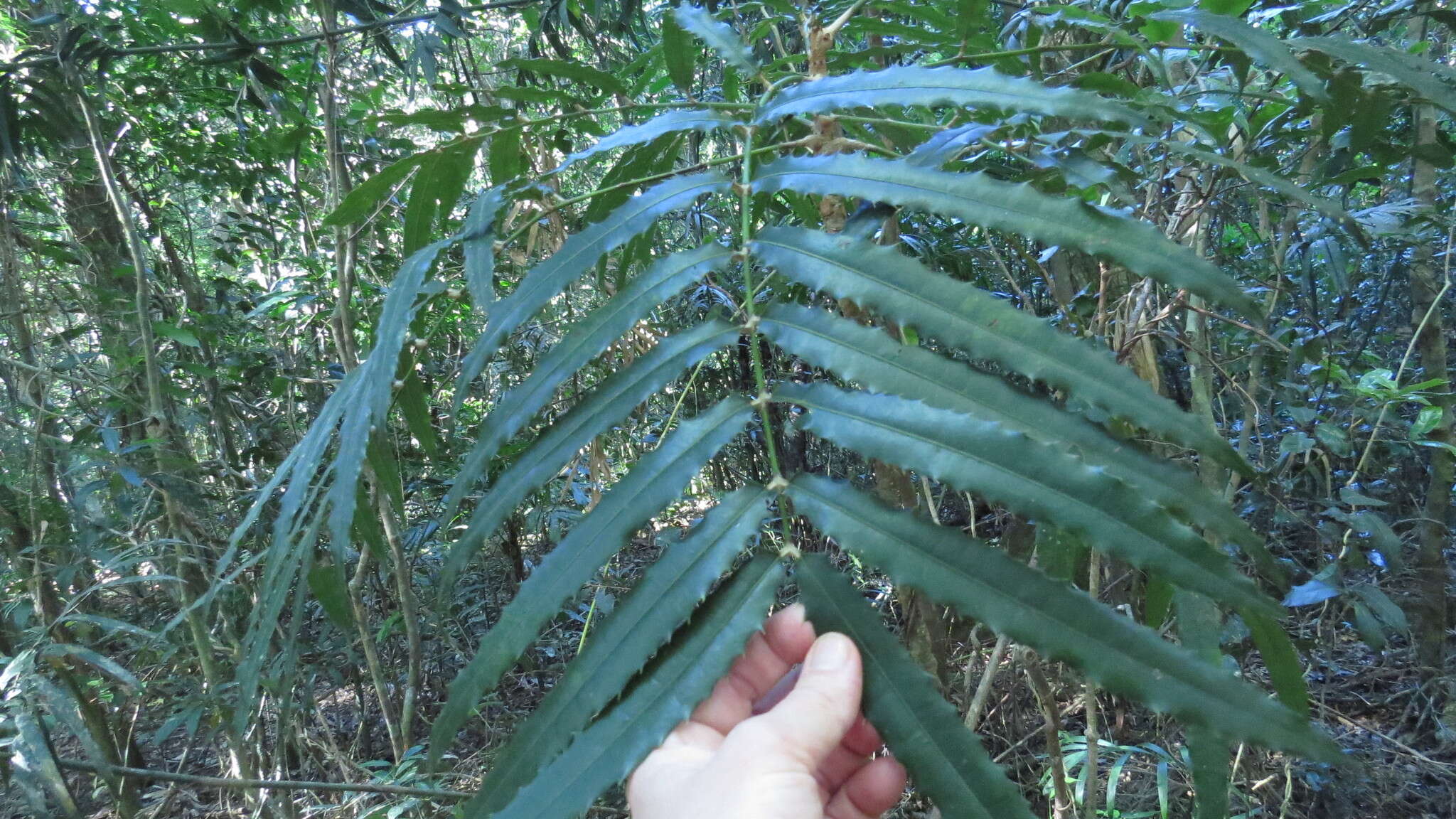
Akaniaceae
The Akaniaceae or turnipwood family are a family of flowering plants in the order Brassicales. They comprise two genera of trees, Akania and Bretschneidera, each with a single species. These plants are native to China, Vietnam, Taiwan, and eastern Australia.

Tropaeolaceae
REDIRECT Tropaeolum
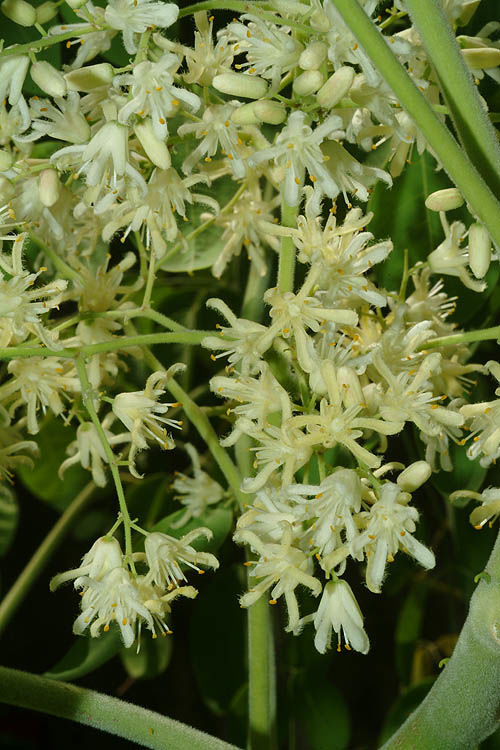
Moringaceae
REDIRECT Moringa (genus)
Pentadiplandraceae
REDIRECT Pentadiplandra
Bataceae
REDIRECT Batis (plant)
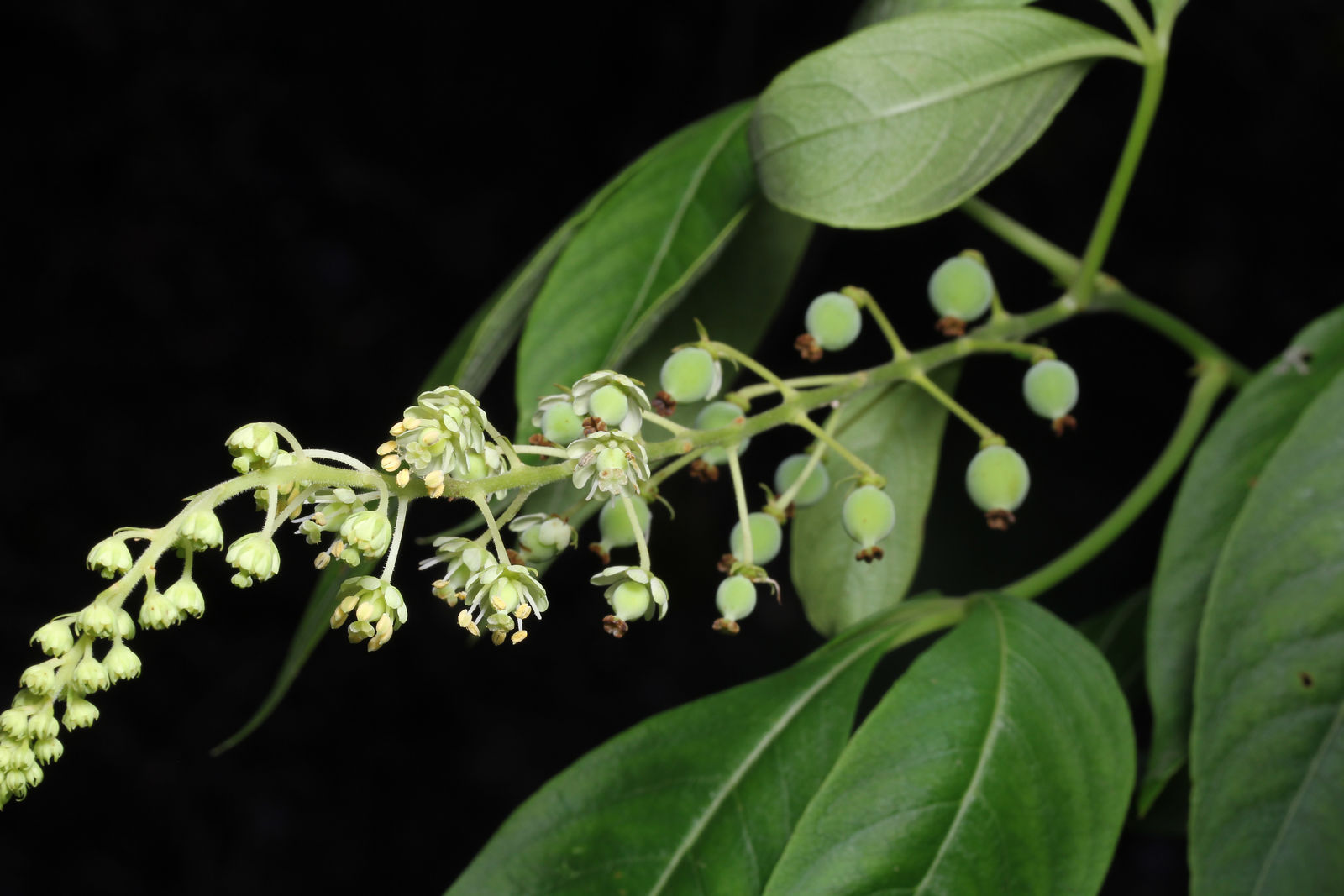
Tovariaceae
REDIRECT Tovaria
Emblingiaceae
REDIRECT Emblingia
Tiganophytaceae
Tiganophytaceae is a family in the plant order Brassicales, consisting of the sole monotypic genus, Tiganophyton, represented by Tiganophyton karasense. The family is endemic to Namibia, occurring in three populations in the arid Karas Region of southern Namibia. It is one of two families endemic to the Namib desert, the other being Welwitschiaceae. The species, genus and family were unknown prior to 2010 when it was discovered in the Karas Region.