Category
page 1British English-language novels

Nineteen Eighty-Four
1949 dystopian social science fiction novel by George Orwell

Harry Potter and the Philosopher's Stone
1997 novel by J. K. Rowling

Pride and Prejudice
1813 novel by Jane Austen

Robinson Crusoe
1719 novel by Daniel Defoe

Frankenstein
Frankenstein; or, The Modern Prometheus is an 1818 Gothic novel written by English author Mary Shelley. Frankenstein tells the story of Victor Frankenstein, a young scientist who creates a sapient creature from different body parts in an unorthodox scientific experiment. Shelley started writing the story when she was 18 and staying in Bath, and the first edition was published anonymously in London on 1 January 1818, when she was 20. Her name first appeared in the second edition, which was published in Paris in 1821.

Treasure Island
1883 novel by the Scottish author Robert Louis Stevenson

Gulliver's Travels
1726 novel by Jonathan Swift

The Picture of Dorian Gray
1890–1891 novel by Oscar Wilde

Wuthering Heights
Wuthering Heights is the only novel by the English author Emily Brontë, initially published in 1847 under her pen name "Ellis Bell". It concerns two extensive upland estates and their landowning families on the West Yorkshire moors, the Earnshaws and the Lintons; and their turbulent relationships with the Earnshaws' foster son, Heathcliff. Driven by themes of love, possession, revenge, and reconciliation, the novel is influenced by Romanticism and Gothic fiction. It is considered a classic of English literature.
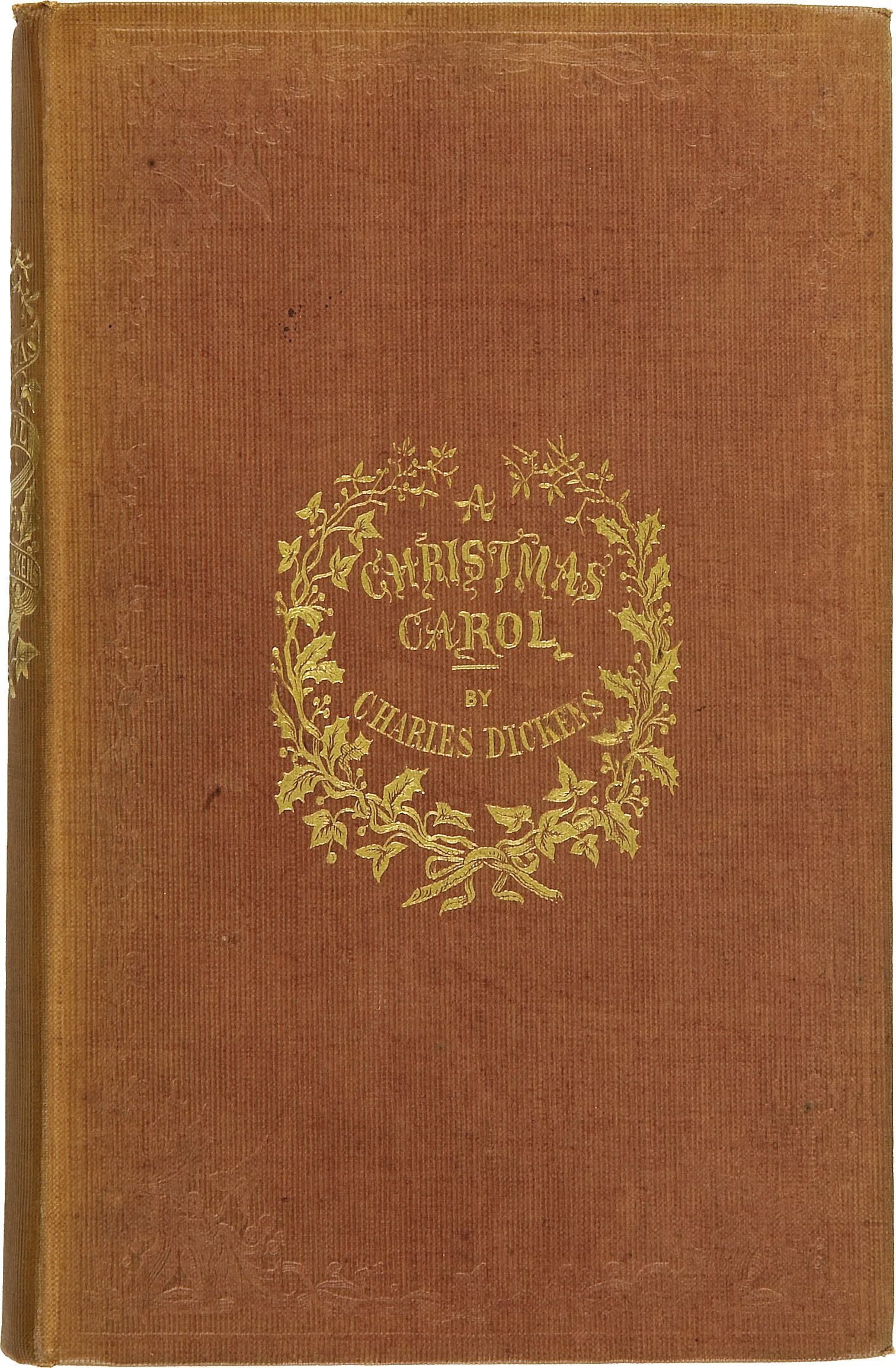
A Christmas Carol
A Christmas Carol. In Prose. Being a Ghost Story of Christmas, commonly known as A Christmas Carol, is a novella by Charles Dickens, first published in London by Chapman & Hall in 1843 and illustrated by John Leech. It recounts the story of Ebenezer Scrooge, an elderly miser who is visited by the ghost of his former business partner Jacob Marley and the spirits of Christmas Past, Present and Yet to Come. In the process, Scrooge is transformed into a kinder, gentler man.
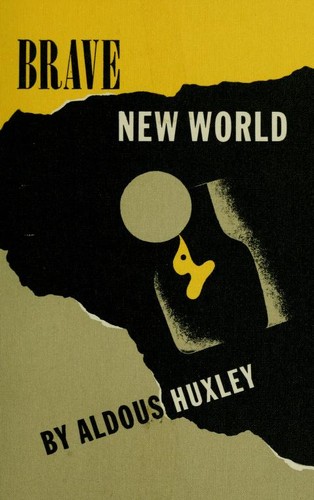
Brave New World
1932 novel by Aldous Huxley

Jane Eyre
1847 novel by Charlotte Brontë

David Copperfield
1849–1850 novel by Charles Dickens

The War of the Worlds
1897 serialized novel by H. G. Wells

A Tale of Two Cities
1859 novel by Charles Dickens

The Fellowship of the Ring
1954 novel by J. R. R. Tolkien, first volume of The Lord of the Rings
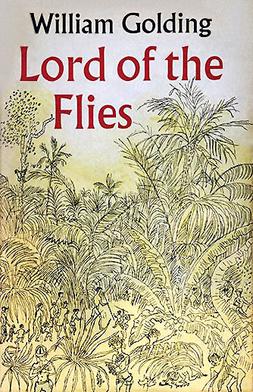
Lord of the Flies
Lord of the Flies is the 1954 debut novel of British author William Golding. The plot concerns a group of prepubescent British boys who are stranded on an uninhabited island and their disastrous attempts to govern themselves that lead to a descent into savagery. The novel's themes include morality, leadership, and the tension between civility and chaos.

A Study in Scarlet
first Sherlock Holmes novel by Sir Arthur Conan Doyle

Strange Case of Dr Jekyll and Mr Hyde
1886 novella by Robert Louis Stevenson

The Time Machine
1895 dystopian science fiction novella by H. G. Wells
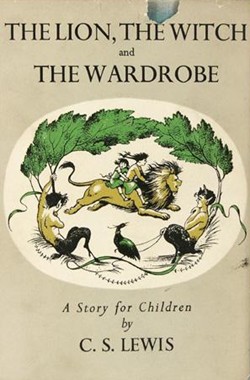
The Lion, the Witch, and the Wardrobe
fantasy novel by C. S. Lewis
The Two Towers
1954 novel by J. R. R. Tolkien, second volume of The Lord of the Rings

Charlie and the Chocolate Factory
1964 children's novel by Roald Dahl

A Clockwork Orange
1962 novel by Anthony Burgess
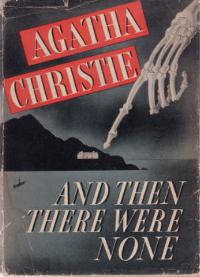
And Then There Were None
1939 novel by Agatha Christie

Ivanhoe
thumb|Ivanhoe on the Scott Monument, Edinburgh (sculpted by John Rhind)

Murder on the Orient Express
1934 novel by Agatha Christie
The Return of the King
1955 novel by J. R. R. Tolkien

Emma
1815 novel by Jane Austen
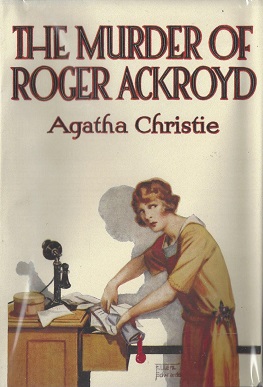
The Murder of Roger Ackroyd
1926 novel by Agatha Christie
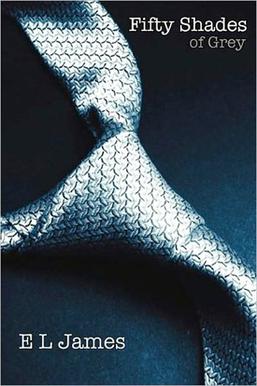
Fifty Shades of Grey
2011 erotic romance novel by E.L. James

The Hitchhiker's Guide to the Galaxy
1979 novel by Douglas Adams

The Wind in the Willows
English children's novel, 1908, originally unillustrated

The Mysterious Affair at Styles
1920 novel by Agatha Christie
The Invisible Man
1897 science fiction novel by H. G. Wells

Mortal Engines
2001 novel by Philip Reeve

Death on the Nile
1937 novel by Agatha Christie

The Pickwick Papers
1837 novel by Charles Dickens

Matilda
1988 children's book by Roald Dahl

King Solomon's Mines
novel by Henry Rider Haggard (1885)
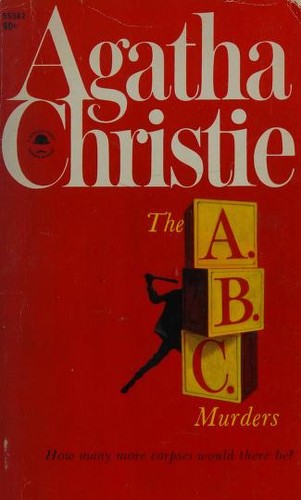
The A.B.C. Murders
1936 novel by Agatha Christie
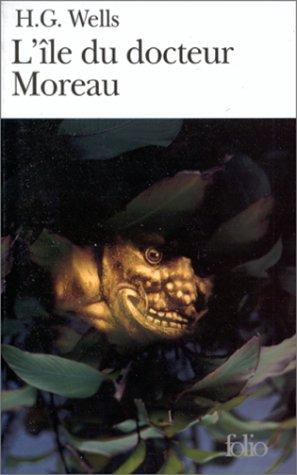
The Island of Dr Moreau
1896 novel by Herbert George Wells

Never Let Me Go
2005 novel by Kazuo Ishiguro

The Murder at the Vicarage
1930 novel by Agatha Christie
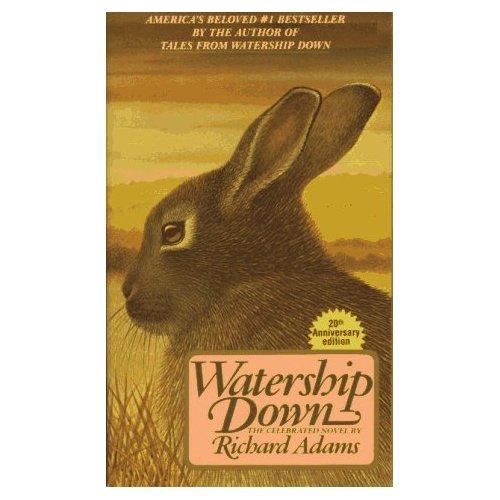
Watership Down
1972 novel by Richard Adams

Kim
picaresque novel by Rudyard Kipling
Things Fall Apart
1958 novel by Chinua Achebe
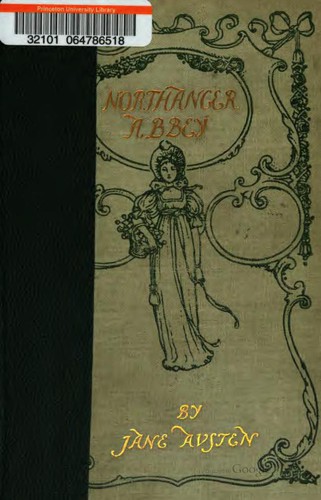
Northanger Abbey
1817 novel by Jane Austen

The Mystery of the Blue Train
novel by Agatha Christie
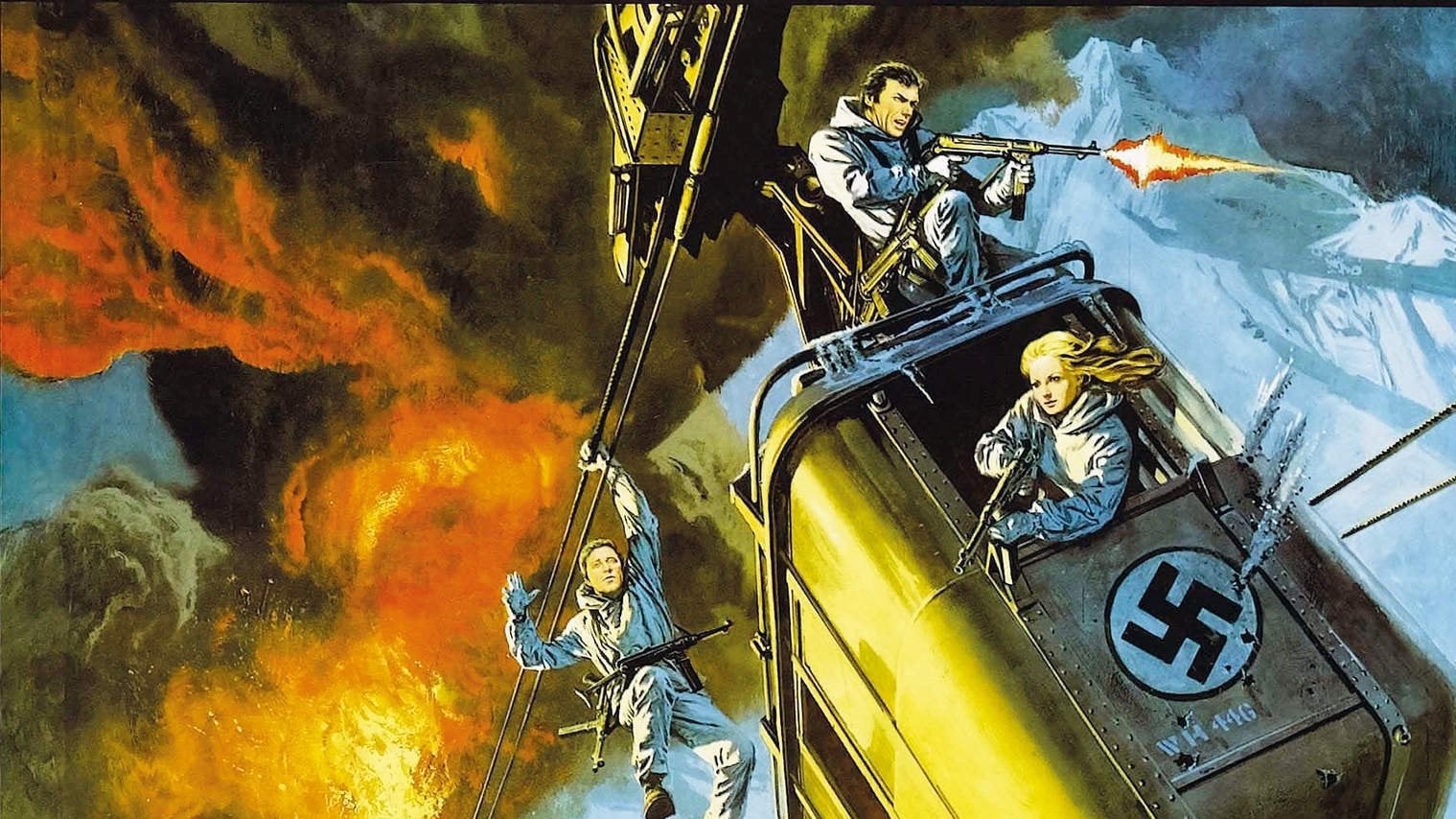
Where Eagles Dare
1968 film directed by Brian G. Hutton

Flatland
Flatland: A Romance of Many Dimensions is a satirical novella by the English theologian, Anglican priest and schoolmaster Edwin Abbott Abbott, first published in 1884 by Seeley & Co. of London. Written pseudonymously by "A Square", the book used the fictional two-dimensional world of Flatland to satirise the class and gender hierarchies of Victorian society, but the novella's more enduring contribution is its examination of dimensions.

Peter Pan
play and novel by James Matthew Barrie

The Lost World
novel by Arthur Conan Doyle
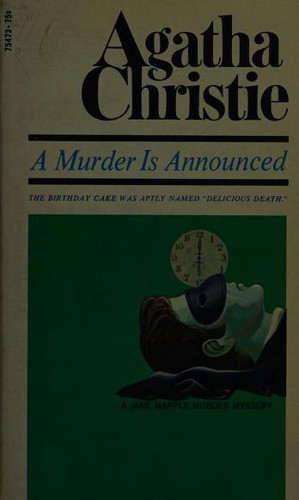
A Murder Is Announced
1950 novel by Agatha Christie

Elephants Can Remember
1972 novel by Agatha Christie

Coraline
Coraline () is a 2002 British fantasy horror children's novella by author Neil Gaiman. Gaiman started writing Coraline in 1990, and it was published in 2002 by Bloomsbury and HarperCollins. It was awarded the 2003 Hugo Award for Best Novella, the 2003 Nebula Award for Best Novella, and the 2002 Bram Stoker Award for Best Work for Young Readers. The Guardian ranked Coraline #82 in its list of 100 Best Books of the 21st Century. It was adapted as a 2009 stop-motion animated film, directed by Henry Selick under the same name.

Rebecca
novel by Daphne du Maurier

Predator's Gold
2003 novel by Philip Reeve

The Body in the Library
1942 novel by Agatha Christie

Death in the Clouds
1935 novel by Agatha Christie