Category
page 1British novels adapted into films

Q8337
1997–2007 fantasy book series by J. K. Rowling
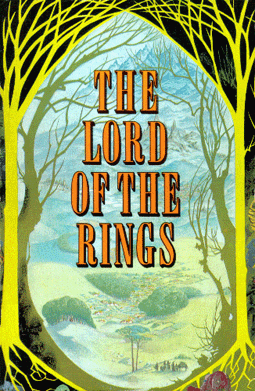
The Lord of the Rings
1954–1955 fantasy novel trilogy by J. R. R. Tolkien

Nineteen Eighty-Four
1949 dystopian social science fiction novel by George Orwell

Alice's Adventures in Wonderland
1865 children's novel by Lewis Carroll

Animal Farm
1945 novella by George Orwell

Harry Potter and the Philosopher's Stone
1997 novel by J. K. Rowling
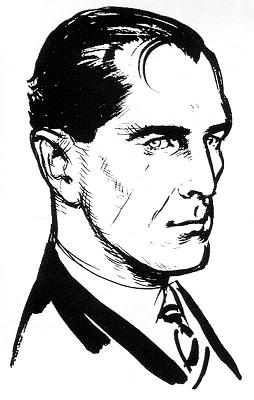
James Bond
series of books about a British spy

Pride and Prejudice
1813 novel by Jane Austen
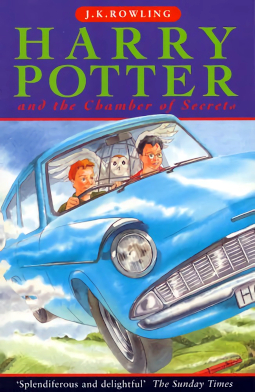
Harry Potter and the Chamber of Secrets
1998 novel by J. K. Rowling

Robinson Crusoe
1719 novel by Daniel Defoe
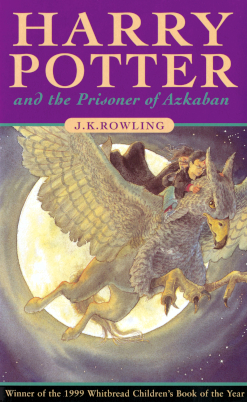
Harry Potter and the Prisoner of Azkaban
fantasy novel by J. K. Rowling

Harry Potter and the Order of the Phoenix
2003 fantasy novel by J. K. Rowling

Harry Potter and the Half-Blood Prince
fantasy novel by J. K. Rowling

Harry Potter and the Goblet of Fire
2000 fantasy novel by J. K. Rowling
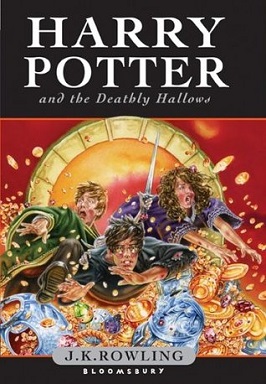
Harry Potter and the Deathly Hallows
fantasy novel by J. K. Rowling concluding the Harry Potter series

Frankenstein
Frankenstein; or, The Modern Prometheus is an 1818 Gothic novel written by English author Mary Shelley. Frankenstein tells the story of Victor Frankenstein, a young scientist who creates a sapient creature from different body parts in an unorthodox scientific experiment. Shelley started writing the story when she was 18 and staying in Bath, and the first edition was published anonymously in London on 1 January 1818, when she was 20. Her name first appeared in the second edition, which was published in Paris in 1821.

Treasure Island
1883 novel by the Scottish author Robert Louis Stevenson

Gulliver's Travels
1726 novel by Jonathan Swift
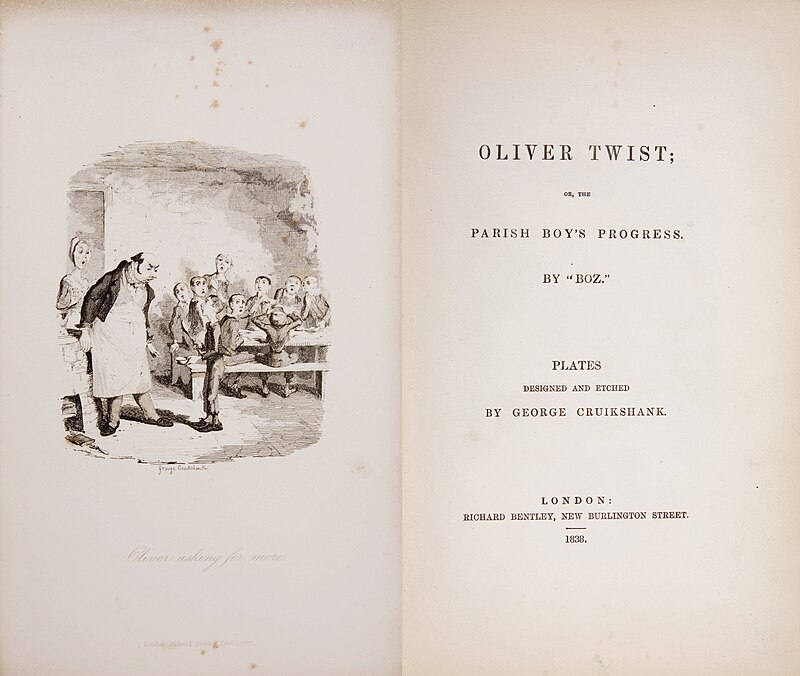
Oliver Twist
1837–1839 novel by Charles Dickens

The Picture of Dorian Gray
1890–1891 novel by Oscar Wilde
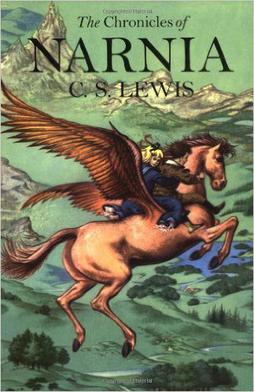
The Chronicles of Narnia
series of children's fantasy novels by C. S. Lewis, 1950–1956

Wuthering Heights
Wuthering Heights is the only novel by the English author Emily Brontë, initially published in 1847 under her pen name "Ellis Bell". It concerns two extensive upland estates and their landowning families on the West Yorkshire moors, the Earnshaws and the Lintons; and their turbulent relationships with the Earnshaws' foster son, Heathcliff. Driven by themes of love, possession, revenge, and reconciliation, the novel is influenced by Romanticism and Gothic fiction. It is considered a classic of English literature.
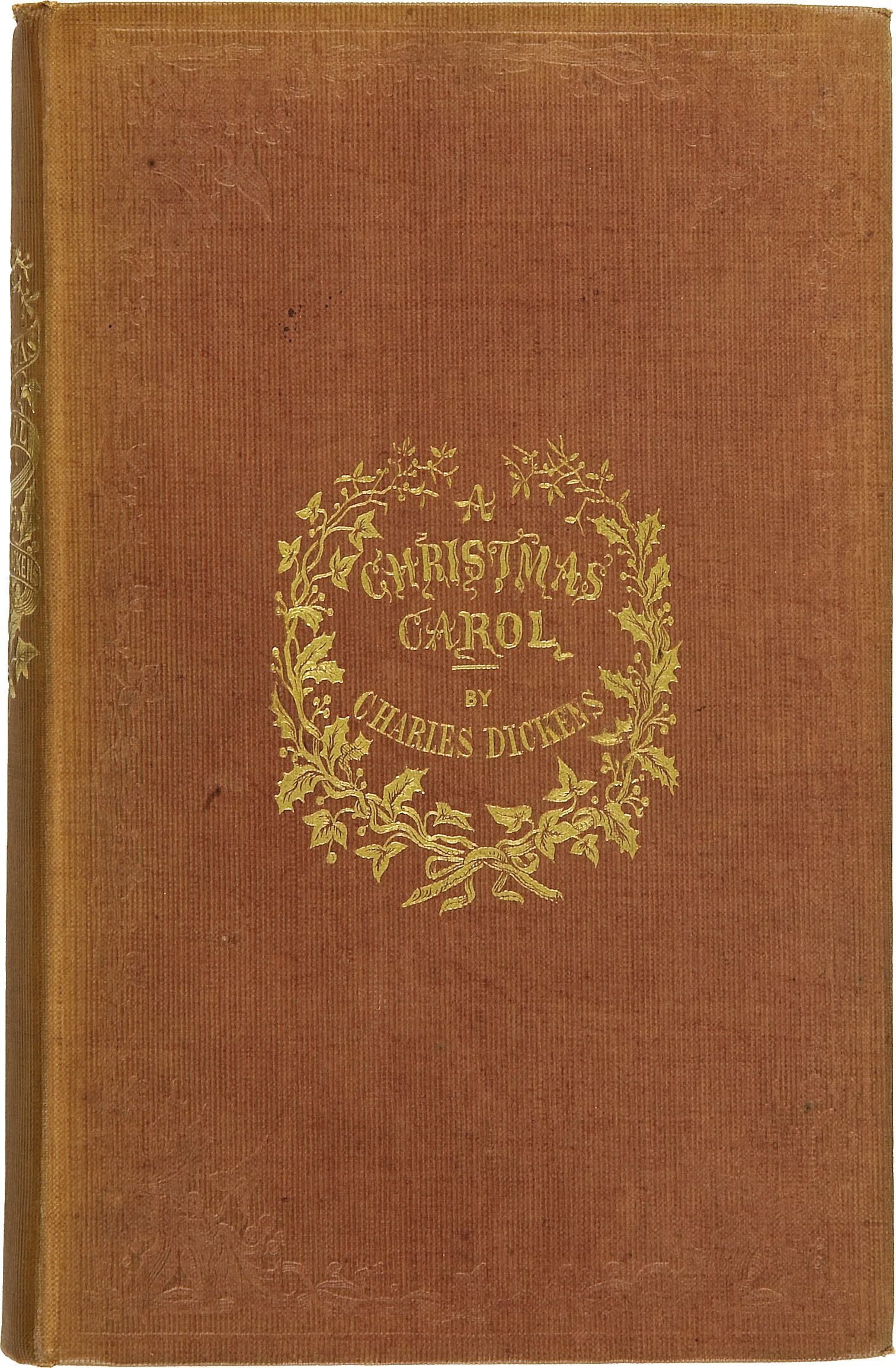
A Christmas Carol
A Christmas Carol. In Prose. Being a Ghost Story of Christmas, commonly known as A Christmas Carol, is a novella by Charles Dickens, first published in London by Chapman & Hall in 1843 and illustrated by John Leech. It recounts the story of Ebenezer Scrooge, an elderly miser who is visited by the ghost of his former business partner Jacob Marley and the spirits of Christmas Past, Present and Yet to Come. In the process, Scrooge is transformed into a kinder, gentler man.
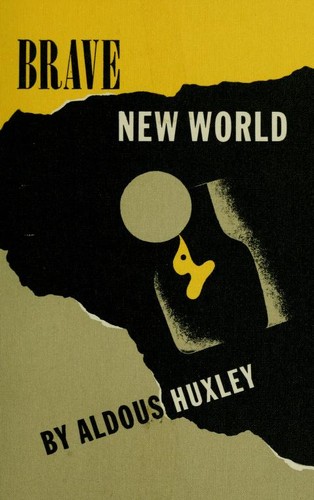
Brave New World
1932 novel by Aldous Huxley

Jane Eyre
1847 novel by Charlotte Brontë

Great Expectations
1861 novel by Charles Dickens

David Copperfield
1849–1850 novel by Charles Dickens

Hercule Poirot
fictional Belgian detective by Agatha Christie

The War of the Worlds
1897 serialized novel by H. G. Wells

A Tale of Two Cities
1859 novel by Charles Dickens
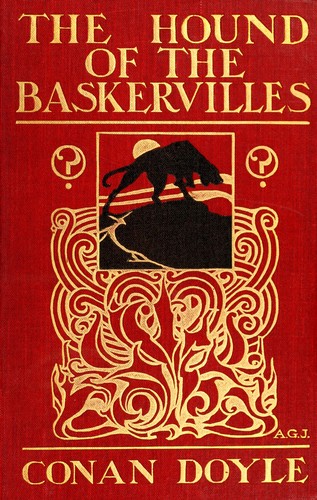
The Hound of the Baskervilles
crime novel by Arthur Conan Doyle

The Fellowship of the Ring
1954 novel by J. R. R. Tolkien, first volume of The Lord of the Rings

Through the Looking-Glass
1871 children's novel by Lewis Carroll
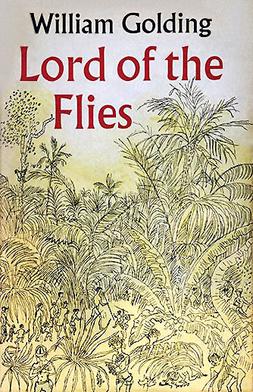
Lord of the Flies
Lord of the Flies is the 1954 debut novel of British author William Golding. The plot concerns a group of prepubescent British boys who are stranded on an uninhabited island and their disastrous attempts to govern themselves that lead to a descent into savagery. The novel's themes include morality, leadership, and the tension between civility and chaos.

A Study in Scarlet
first Sherlock Holmes novel by Sir Arthur Conan Doyle

Strange Case of Dr Jekyll and Mr Hyde
1886 novella by Robert Louis Stevenson

Heart of Darkness
1899 novella by Joseph Conrad

The Time Machine
1895 dystopian science fiction novella by H. G. Wells
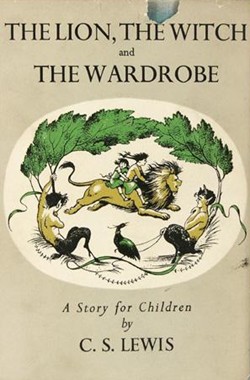
The Lion, the Witch, and the Wardrobe
fantasy novel by C. S. Lewis
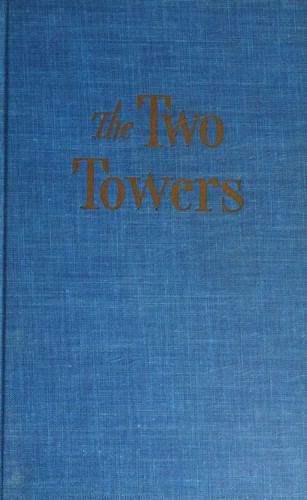
The Two Towers
1954 novel by J. R. R. Tolkien, second volume of The Lord of the Rings

Sense and Sensibility
1811 novel by Jane Austen

Charlie and the Chocolate Factory
1964 children's novel by Roald Dahl
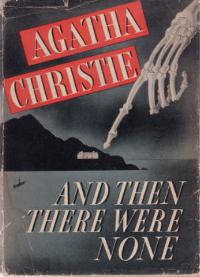
And Then There Were None
1939 novel by Agatha Christie

A Clockwork Orange
1962 novel by Anthony Burgess

Miss Marple
fictional character appearing in Agatha Christie's crime novels
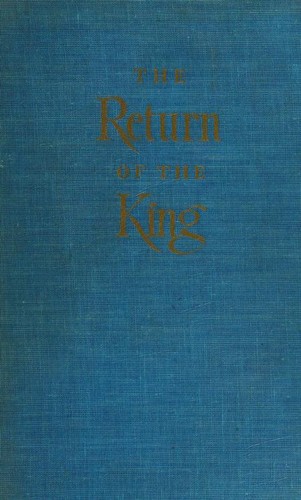
The Return of the King
1955 novel by J. R. R. Tolkien

Ivanhoe
thumb|Ivanhoe on the Scott Monument, Edinburgh (sculpted by John Rhind)

Murder on the Orient Express
1934 novel by Agatha Christie

Emma
1815 novel by Jane Austen

Prince Caspian
fantasy novel by C. S. Lewis
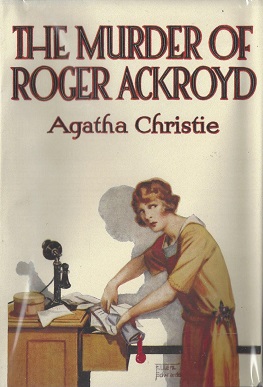
The Murder of Roger Ackroyd
1926 novel by Agatha Christie

The Sign of Four
novel by Arthur Conan Doyle

V for Vendetta
graphic novel by Alan Moore and David Lloyd

The Tenant of Wildfell Hall
1848 novel by Anne Brontë

Lady Chatterley's Lover
novel by D. H. Lawrence
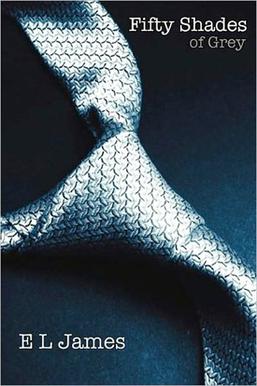
Fifty Shades of Grey
2011 erotic romance novel by E.L. James
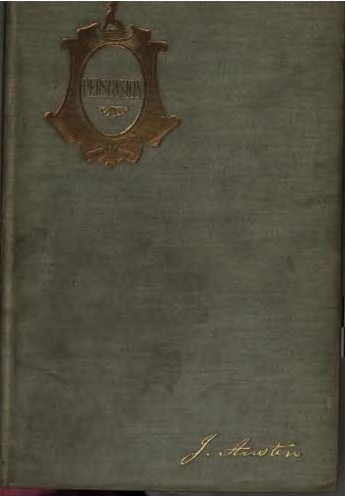
Persuasion
1817 novel by Jane Austen
The Pilgrim’s Progress
1678 Christian allegory written by John Bunyan

The Hitchhiker's Guide to the Galaxy
1979 novel by Douglas Adams

Midnight's Children
1981 novel by Salman Rushdie