Category
page 1British philosophical novels

Gulliver's Travels
1726 novel by Jonathan Swift

The Picture of Dorian Gray
1890–1891 novel by Oscar Wilde
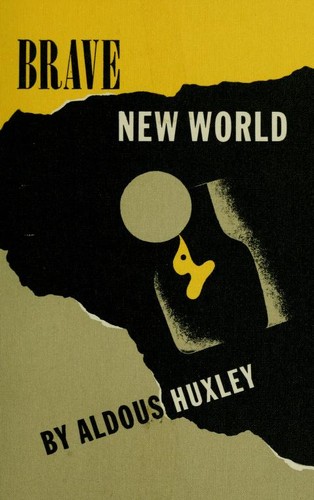
Brave New World
1932 novel by Aldous Huxley
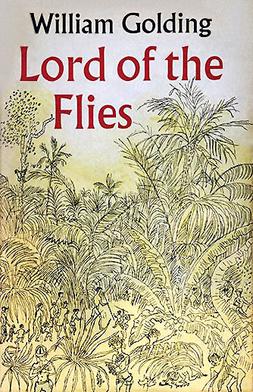
Lord of the Flies
Lord of the Flies is the 1954 debut novel of British author William Golding. The plot concerns a group of prepubescent British boys who are stranded on an uninhabited island and their disastrous attempts to govern themselves that lead to a descent into savagery. The novel's themes include morality, leadership, and the tension between civility and chaos.

Heart of Darkness
1899 novella by Joseph Conrad

A Clockwork Orange
1962 novel by Anthony Burgess

Childhood's End
1953 novel by Arthur C. Clarke

The Man Who Was Thursday
1908 novel by G. K. Chesterton

Perelandra
Perelandra (also titled Voyage to Venus in a later edition published by Pan Books) is the second book in the Space Trilogy of C. S. Lewis, set on the planet of Perelandra, or Venus. It was first published in 1943.

The Great Divorce
novel by C. S. Lewis

A Voyage to Arcturus
novel by David Lindsay
Maria: or, The Wrongs of Woman
1798 unfinished novel by Mary Wollstonecraft

The Sea, the Sea
1978 novel by Iris Murdoch

Under the Net
1954 novel by Iris Murdoch
Star Maker
1937 novel by Olaf Stapledon

The Private Memoirs and Confessions of a Justified Sinner
novel by James Hogg

The Death of Bunny Munro
book by Nick Cave

Tancred
novel by Benjamin Disraeli

The Sea Lady
novel by H. G. Wells

The Ball and the Cross
1909 novel by G. K. Chesterton

After Many a Summer
novel by Aldous Huxley