Category
page 1Broadcasting

television
thumb|upright=1.35|Flat-panel display|Flat-screen television receivers on display for sale at a consumer electronics store in May 2008
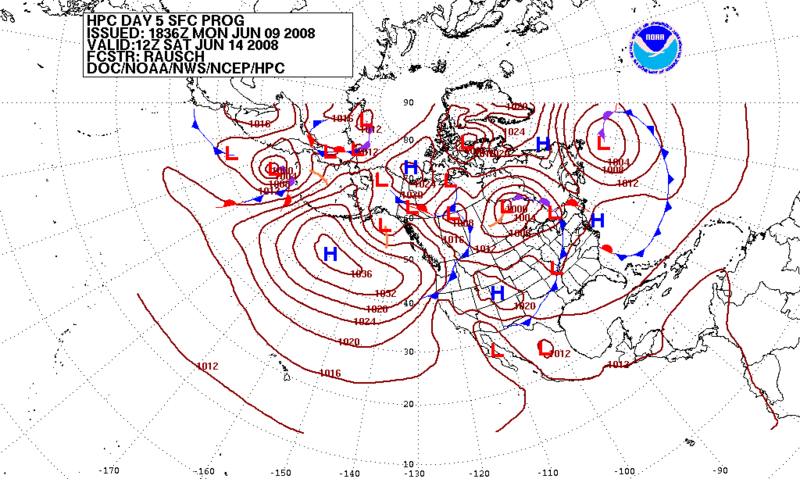
weather forecasting
application of science and technology to predict the conditions of the atmosphere for a given location and time

broadcasting
alt=|thumb|A broadcasting antenna in Stuttgart
audience measurement
measurement of amount of people in an audience
webcast
A webcast is a media presentation distributed over the Internet using streaming media technology to distribute a single content source to many simultaneous listeners/viewers. A webcast may either be distributed live or on demand. Essentially, webcasting is "broadcasting" over the Internet. While a "podcast" is usually pre-recorded, a webcast is usually live and possibly interactive.

playlist
thumb|A playlist in an Audio player (software)|audio player
A playlist is a list of video or audio files that can be played back on a media player, either sequentially or in a shuffled order. In its most general form, an audio playlist is simply a list of songs that can be played once or in a loop. The term has several specialized meanings in the realms of television broadcasting, radio broadcasting and personal computers.

airplay
thumb|A radio DJ playing music
Airplay is how frequently a song is being played through broadcasting on radio stations. A song which is being played several times every day (spins) would have a significant amount of airplay. Music which became very popular on jukeboxes, in nightclubs and at discotheques between the 1940s and 1960s would also have airplay.
background music
music in a film, video game or other medium that establishes mood
commercial broadcasting
practice of airing radio and television advertisements for profit
delay
audio effect reminiscent of an echo
broadcasting programming
practice of organizing or ordering (scheduling) of broadcast media shows, typically the radio and the television, in a daily, weekly, monthly, quarterly, or season-long schedule
narrowcasting
Narrowcasting is the dissemination of information to a specialised audience, rather than to the broader public-at-large; it is the opposite of broadcasting. It may refer to advertising or programming via radio, podcast, newspaper, television, or the Internet. The term "multicast" is sometimes used interchangeably, although strictly speaking this refers to the technology used, and narrowcasting to the business model. Narrowcasting is sometimes aimed at paid subscribers, such as in the case of cable television.
broadcasting of sports events
coverage of sports on radio or television
people-meter
TV ratings data collection module family

master control
hub of a television broadcast operation
White spaces
frequencies allocated to a broadcasting service but not used locally

block programming
strategy used by broadcasters to air a group of similar programs
channel
broadcasting term; range of frequencies (or, equivalently, wavelengths)
broadcast relay station
broadcast transmitter which repeats the signal of a radio or television station to an area not covered by the originating station
telephone newspaper
technology
spectrum auction
government auction of radio spectrum
bumper
broadcasting announcement between a program and commerical break
TPEG
The Transport Protocol Experts Group (TPEG) is a data protocol suite for traffic and travel related information. TPEG can be carried over different transmission media (bearers), such as digital broadcast or cellular networks (wireless Internet). TPEG applications include, among others, information on road conditions, weather, fuel prices, parking or delays of public transport.
datacasting
Datacasting (data broadcasting) is the transmission of data over a wide area using radio waves. It typically refers to supplemental information sent by television stations alongside digital terrestrial television (DTT) signals. However, datacasting can also be applied to digital data signals carried on analog TV or radio broadcasts.
cable television headend
facility for receiving television signals for processing and distribution over a cable television system
broadcast license
license granting permission to use radio frequency spectrum for broadcasting use
discoverability
Discoverability is the degree to which something, especially a piece of content or information, can be found in a search of a file, database, or other information system. Discoverability is a concern in library and information science, many aspects of digital media, software and web development, and in marketing, since products and services cannot be used if people cannot find it or do not understand what it can be used for.
radio industry
generic term for any companies or public service providers who are involved with the broadcast of radio stations or ancillary services
broadcast reference monitor
display device similar to a television set
media market
geographic area with mostly the same set of media outlets