Category
page 1Bryozoa families
Bugulidae
Bugulidae is a family of bryozoans belonging to the order Cheilostomatida.
Cryptosulidae
Cryptosulidae is a family of bryozoans belonging to the order Cheilostomatida.
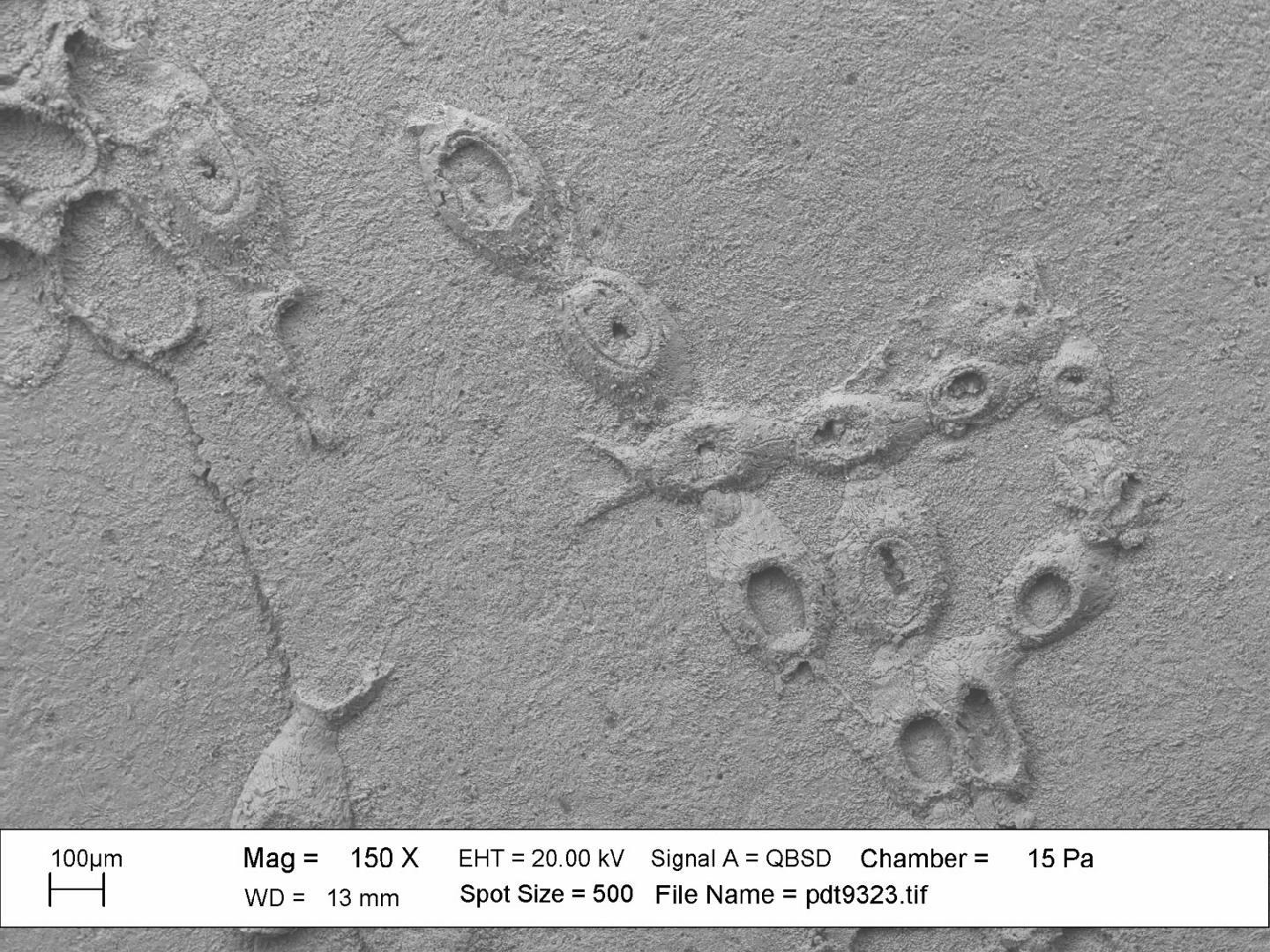
Electridae
Electridae is a family of bryozoans in the order Cheilostomatida.

Flustridae
Flustridae is a family of bryozoans in the suborder Flustrina.
Exochellidae
Exochellidae is a family of bryozoans belonging to the order Cheilostomatida.
Alcyonidiidae
Alcyonidiidae is a family of bryozoans belonging to the order Ctenostomatida.

Schizoporellidae
The Schizoporellidae is a family within the bryozoan order Cheilostomatida. Colonies are encrusting on shells and rocks or upright bilaminar branches or sheets. The zooidal orifice has a narrow V-shaped sinus.

Membraniporidae
Membraniporidae is a bryozoan family in the order Cheilostomatida. Membranipora form encrusting or erect colonies; they are unilaminar or bilaminar and weakly to well-calcified. Zooids have vertical and basal calcified walls, but virtually no frontal calcified wall: most of the frontal surface is occupied by frontal membrane. An intertentacular organ is also present. The larvae are not brooded. The ancestrula is generally twinned. Kenozooids may be present in a few species; modified zooids analogous to avicularia are rare.
Aeteidae
Aeteidae is a family of bryozoans belonging to the order Cheilostomatida.
.JPG)
Arachnidiidae
Arachnidiidae is a family of bryozoans belonging to the order Ctenostomatida.
Chaperiidae
Chaperiidae is a family of bryozoans belonging to the order Cheilostomatida.

Cupuladriidae
Cupuladriidae is a family of bryozoans belonging to the order Cheilostomatida.
Pectinatellidae
Pectinatellidae is a monotypic family of freshwater bryozoans belonging to the class Phylactolaemata. Like most bryozoans, they are colonial and filter feeding organisms. These organisms lack a calcareous exterior, instead forming gelatinous colonies.
Flustrellidridae
Flustrellidridae is a family of bryozoans belonging to the order Ctenostomatida.
Umbonulidae
Umbonulidae is a family of bryozoans belonging to the order Cheilostomatida.
Hippothoidae
Hippothoidae is a family of bryozoans belonging to the order Cheilostomatida.

Lichenoporidae
Lichenoporidae is a family of bryozoans belonging to the order Cyclostomatida. The Lichenoporidae family is characterized by its distinctive lichen-like appearance and is closely related to other bryozoan families, such as the Membraniporidae and Bugulidae.
Farciminariidae
Farciminariidae is a family of bryozoans belonging to the order Cheilostomatida.
Tubuliporidae
Tubuliporidae is a family of bryozoans belonging to the order Cyclostomatida.
Alysidiidae
Alysidiidae is a family of bryozoans belonging to the order Cheilostomatida.
Victorellidae
Victorellidae is a family of bryozoans belonging to the order Ctenostomatida.

Diastoporidae
Diastoporidae is a family of bryozoans belonging to the order Cyclostomatida.
Watersiporidae
Watersiporidae is a family of bryozoans in the order Cheilostomatida.

Calloporidae
Calloporidae is a family of bryozoans belonging to the order Cheilostomatida. Like other Bryozoans, most members live in marine and brackish water environments and tend to encrust on hard abiotic and biotic surfaces. This family include over 100 different genera, including renown taxa Callapora lineata.
Buskiidae
Buskiidae is a family of bryozoans belonging to the order Ctenostomatida.
Plumatellidae
Plumatellidae is a family of bryozoans belonging to the order Plumatellida.
Scrupariidae
Scrupariidae is a family of bryozoans belonging to the order Cheilostomatida.
Lophopodidae
Lophopodidae is a family of bryozoans belonging to the order Plumatellida.
Aspidostomatidae
Aspidostomatidae is a family of bryozoans belonging to the order Cheilostomatida.
Beaniidae
Beaniidae is a family of bryozoans in the order Cheilostomatida. Their zooids have a weak box-like shell of calcium carbonate as do most species of the suborder Flustrina, and in this family are typically arranged disjunctly, connected by small tubes, and often boat-shaped. One species, Amphibiobeania epiphylla, is the only known amphibious bryozoan known as of 2008/09.
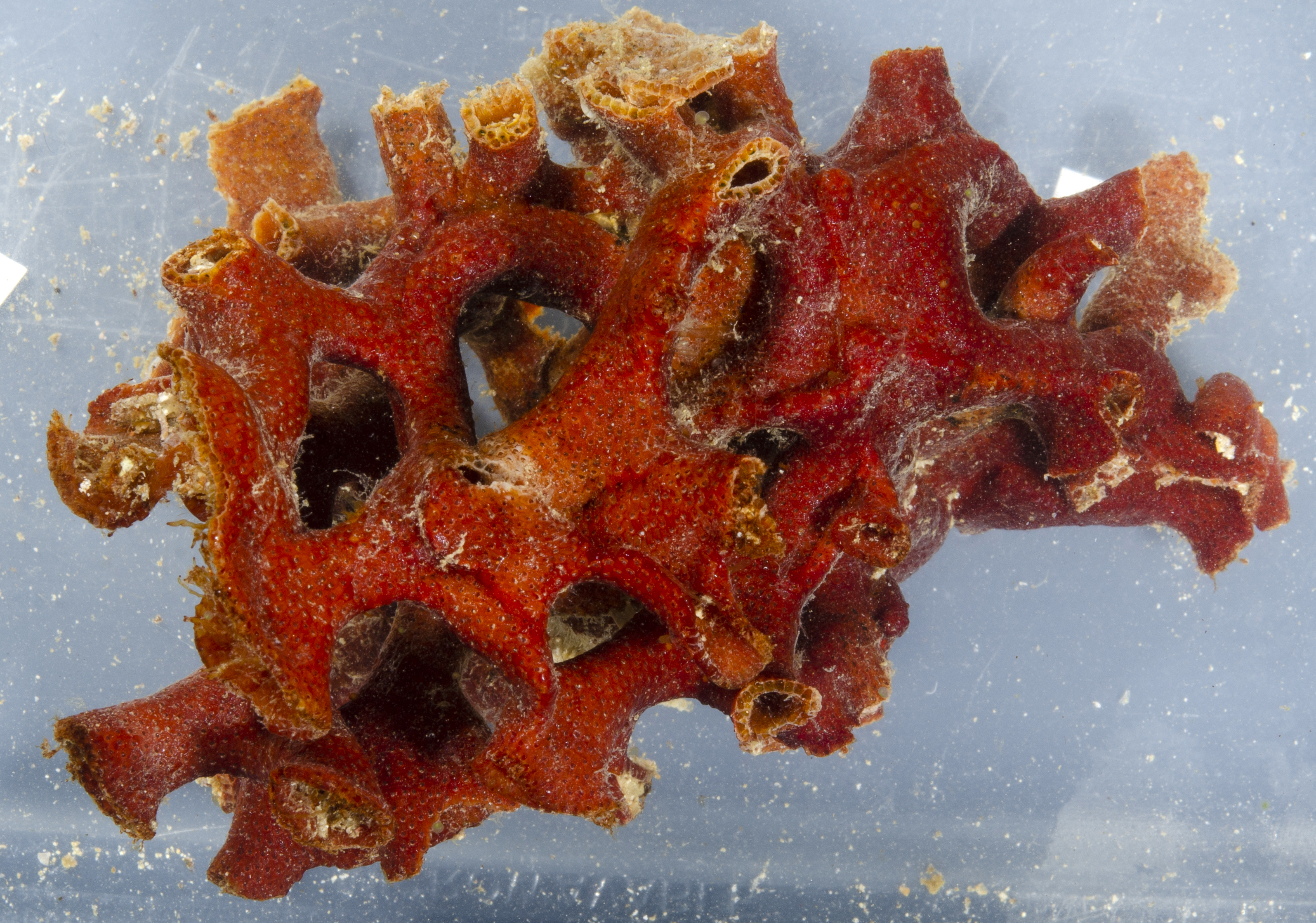
Adeonidae
The Adeonidae is a family within the bryozoan order Cheilostomatida. Colonies are often upright bilaminar branches or sheets, perforated by large holes in some species (e.g. Adeona cellulosa). The zooids generally have one or more adventitious avicularia on their frontal wall. Instead of ovicells the adeonids often possess enlarged polymorphs which brood the larvae internally.

Celleporidae
Celleporidae is a family of bryozoans – colonial, aquatic, invertebrates – in the order Cheilostomatida. Structurally, they are defined by densely packed zooids (individual animals which make up the colony). The zooids usually have irregular direction, and are defined by morphological characteristics. Masses of the dead animals can form shallow sediments. Members of the family are recorded from every ocean, even around Antarctica, where they are represented primarily by the genus Osthimosia. Fossils of the family exist as old as from 235 million years ago, during the Triassic period.

Phidoloporidae
Phidoloporidae is a family within the bryozoan order Cheilostomatida. The colonies of many genera grow in an upright, reticulate branching manner, which gave rise to one colloquial name for this group as 'lace corals'. Zooids generally open on one side of the branches.
Microporellidae
The Microporellidae is a family within the bryozoan order Cheilostomatida.
Bryocryptellidae
Bryocryptellidae is a family of bryozoans belonging to the order Cheilostomatida.

Crisiidae
Crisiidae is a family of bryozoans in the suborder Articulina.
Arachnopusiidae
The Arachnopusiidae is a family within the bryozoan order Cheilostomatida.

Smittinidae
The Smittinidae is a family within the bryozoan order Cheilostomatida. Colonies are encrusting on shells and rocks or upright bilaminar branches or sheets. The zooids generally have at least one adventitious avicularia on their frontal wall near the orifice. The frontal wall is usually covered with small pores and numerous larger pores along the margin. The ovicell, which broods the larvae internally, is double-layered with numerous pores in the outer layer, and sits quite prominently on the frontal wall of the next zooid.
Bifaxariidae
Bifaxariidae is a family of bryozoans belonging to the order Cheilostomatida.
Microporidae
Microporidae is a family of bryozoans belonging to the order Cheilostomatida.
Escharinidae
Escharinidae is a family of bryozoans belonging to the order Cheilostomatida.
Crisinidae
Crisinidae is a family of bryozoans belonging to the order Cyclostomatida. The family was established by French naturalist Alcide d'Orbigny in 1853.
Cerioporidae
Cerioporidae is a family of bryozoans belonging to the order Cyclostomatida.
Antroporidae
Antroporidae is a family of bryozoans belonging to the order Cheilostomatida.

Cribrilinidae
The Cribrilinidae family is a part of the suborder Flustrina within the bryozoans. They are characterized by numerous spinose ribs (costae) overarching the frontal membrane of each zooid.
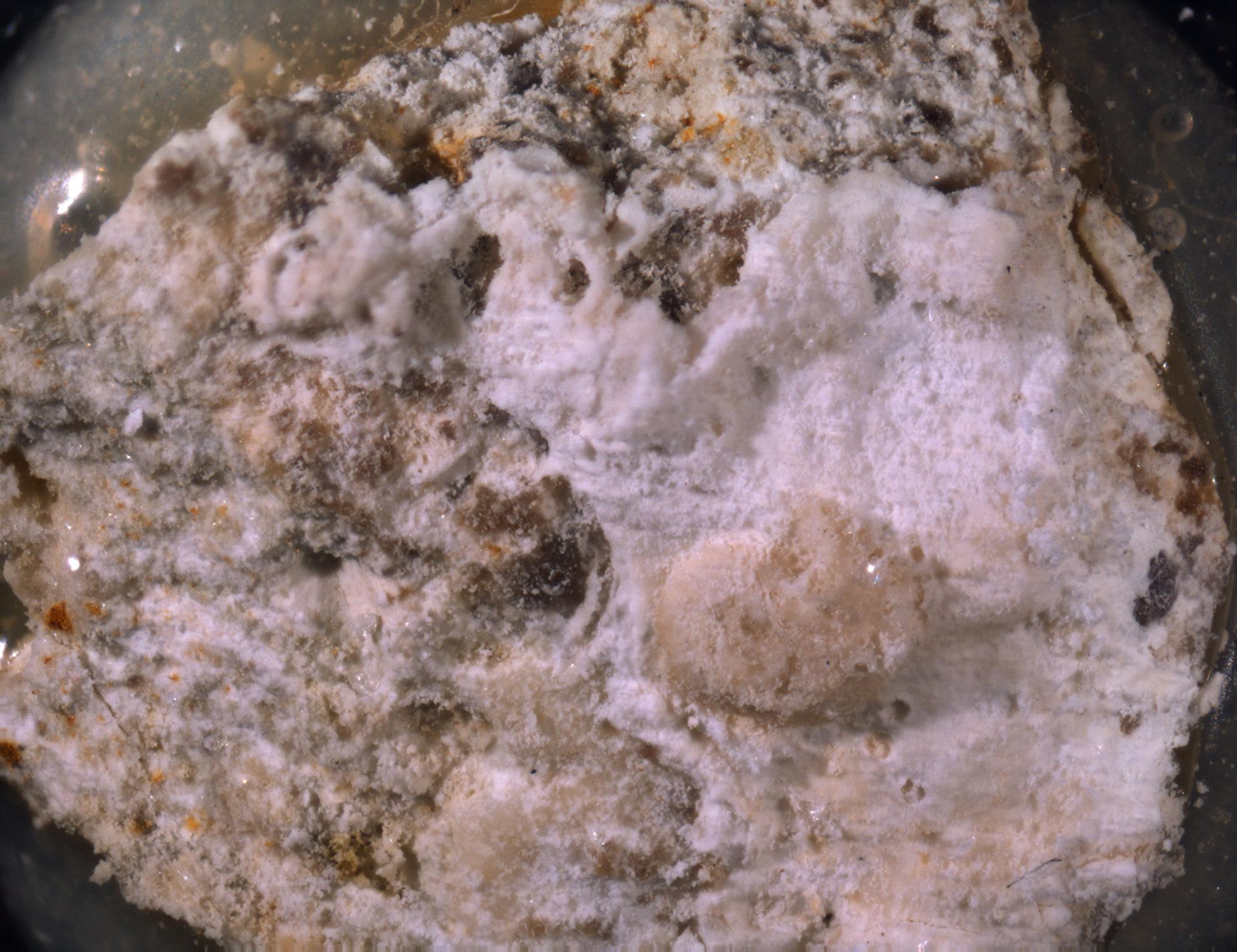
Stomachetosellidae
The Stomachetosellidae is a family within the bryozoan order Cheilostomatida. Colonies are encrusting on shells and rocks or upright bilaminar branches or sheets. The zooids generally have at least one adventitious avicularia on their frontal wall near the orifice. The frontal wall is usually covered with small pores and numerous larger pores along the margin. The ovicell, which broods the larvae internally, is double-layered with numerous pores in the outer layer, and sits quite prominently on the frontal wall of the next zooid.
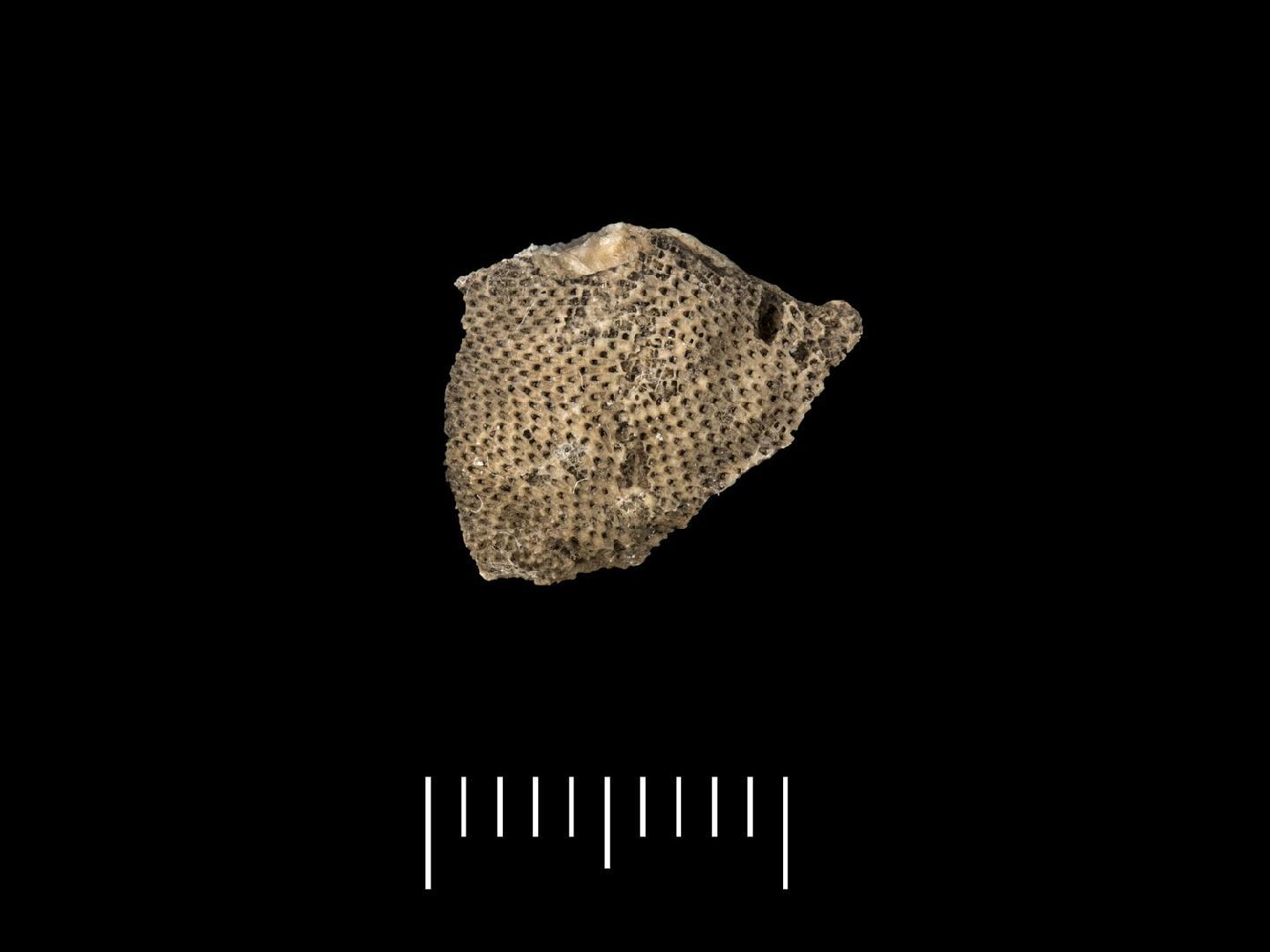
Steginoporellidae
thumb | 220x124px | right | Steginoporella, preserved specimen
Steginoporellidae is a family of bryozoans belonging to the order Cheilostomatida.

Catenicellidae
The Catenicellidae are a family of bryozoans in the suborder Flustrina.
Batoporidae
Batoporidae is a family of bryozoans belonging to the order Cheilostomatida and was first described in 1901 by Neviani.
Plagioeciidae
Plagioeciidae is a family of bryozoans, containing many genera once assigned to Diastoporidae. Extant representatives include Microecia.
Vesiculariidae
Vesiculariidae is a family of bryozoans belonging to the order Ctenostomatida.
Teuchoporidae
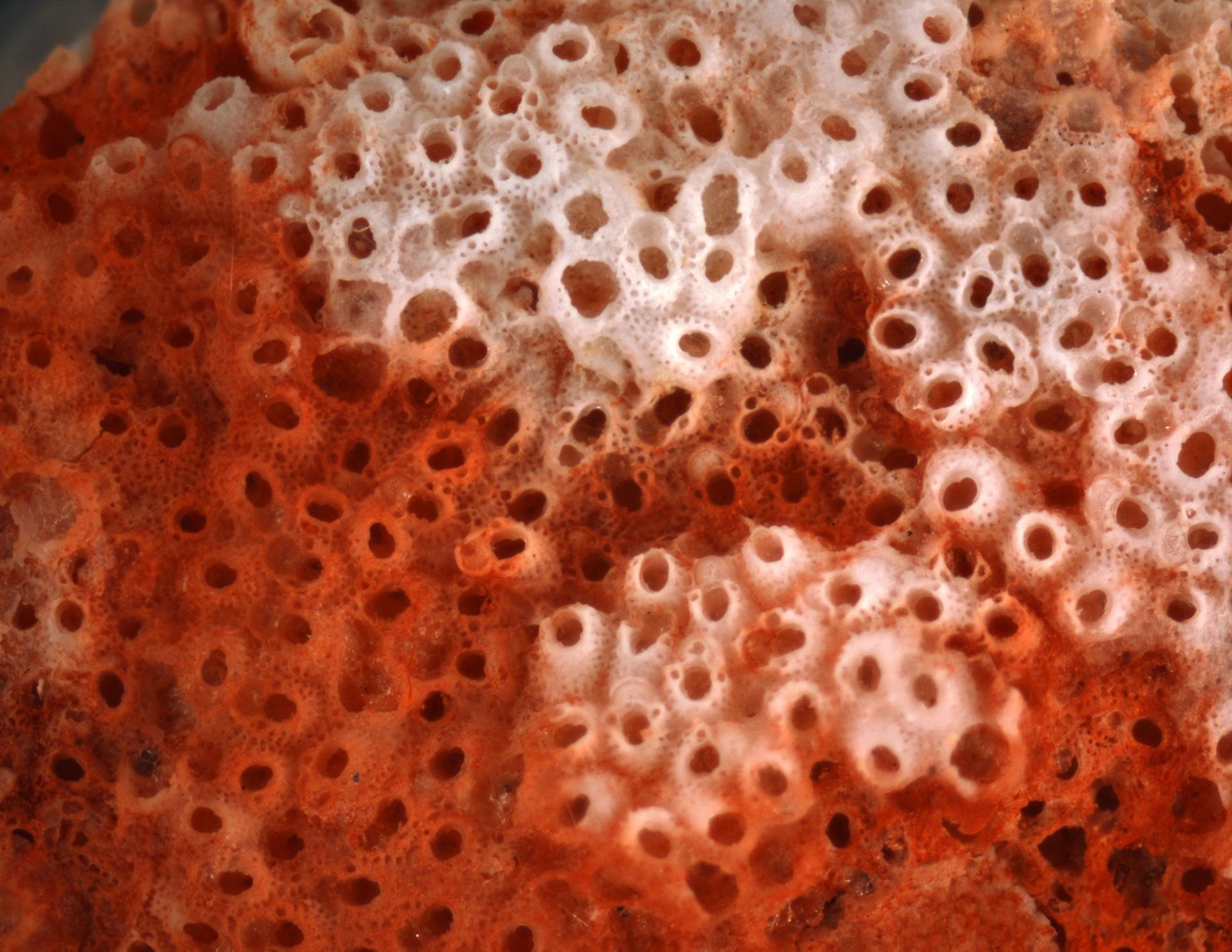
Teuchoporidae is a family of bryozoans belonging to the order Cheilostomatida.
Bitectiporidae
The Bitectiporidae is a family within the bryozoan order Cheilostomatida. Colonies are encrusting on shells and rocks or upright bilaminar branches or sheets. The zooids generally have at least one adventitious avicularia on their frontal wall near the orifice. The frontal wall is usually covered with small pores and numerous larger pores along the margin. The ovicell, which broods the larvae internally, is double-layered with numerous pores in the outer layer, and sits quite prominently on the frontal wall of the next zooid.
Chorizoporidae
Chorizoporidae is a family of bryozoans belonging to the order Cheilostomatida.
Chlidoniidae
REDIRECT Chlidonia
Stomatoporidae
Stomatoporidae is a family of bryozoans belonging to the order Cyclostomatida.
Bryopastoridae
Bryopastoridae is a family of bryozoans belonging to the order Cheilostomatida.
Cinctiporidae
Cinctiporidae is a bryozoan family in the order Cyclostomatida.
Ascosiidae
Ascosiidae is a family of bryozoans belonging to the order Cheilostomatida.
Urceoliporidae
Urceoliporidae is a family of bryozoans belonging to the order Cheilostomatida.