Category
page 1Buddhist music
singing bowl
Himalayan metal bowl that is generally struck or rubbed with a padded mallet

komusō
thumb|right|A komusō (monk of the Fuke sect) wearing a basket hat (天蓋 tengai or tengui) and playing the shakuhachi, as depicted by J. M. W. Silver
thumb|right|The entrance to Myōan-ji temple in Kyoto. Myōan-ji, a subsidiary of [[Tōfuku-ji, was the head temple of the Fuke sect, founded by the komusō Kyochiku Zenji.]]
Stephen Batchelor
British Buddhist philosopher

Dainichido Bugaku
yearly set of nine sacred ritual dances and music

dramyin
The dramyin or dranyen (; ; ) is a traditional Himalayan folk music lute with six strings, used primarily as an accompaniment to singing in the Drukpa Buddhist culture and society in Bhutan, as well as in Tibet, Ladakh, Sikkim and Himalayan West Bengal. It is often used in religious festivals of Tibetan Buddhism (cf. tshechu). The instrument is played by strumming, fingerpicking or (most commonly) plucking. The dramyen, chiwang (fiddle), and lingm (flute) comprise the basic instrumental inventory for traditional Bhutanese folk music.
Buddhist music
music genre
shōmyō
is a style of Japanese Buddhist chant, used mainly in the Tendai and Shingon traditions. There are two styles: and , described as difficult and easy to remember, respectively.
Derek Bell
Northern Irish musician (1935–2002)

Lama Gyurme
Bhutanese musician and Lama
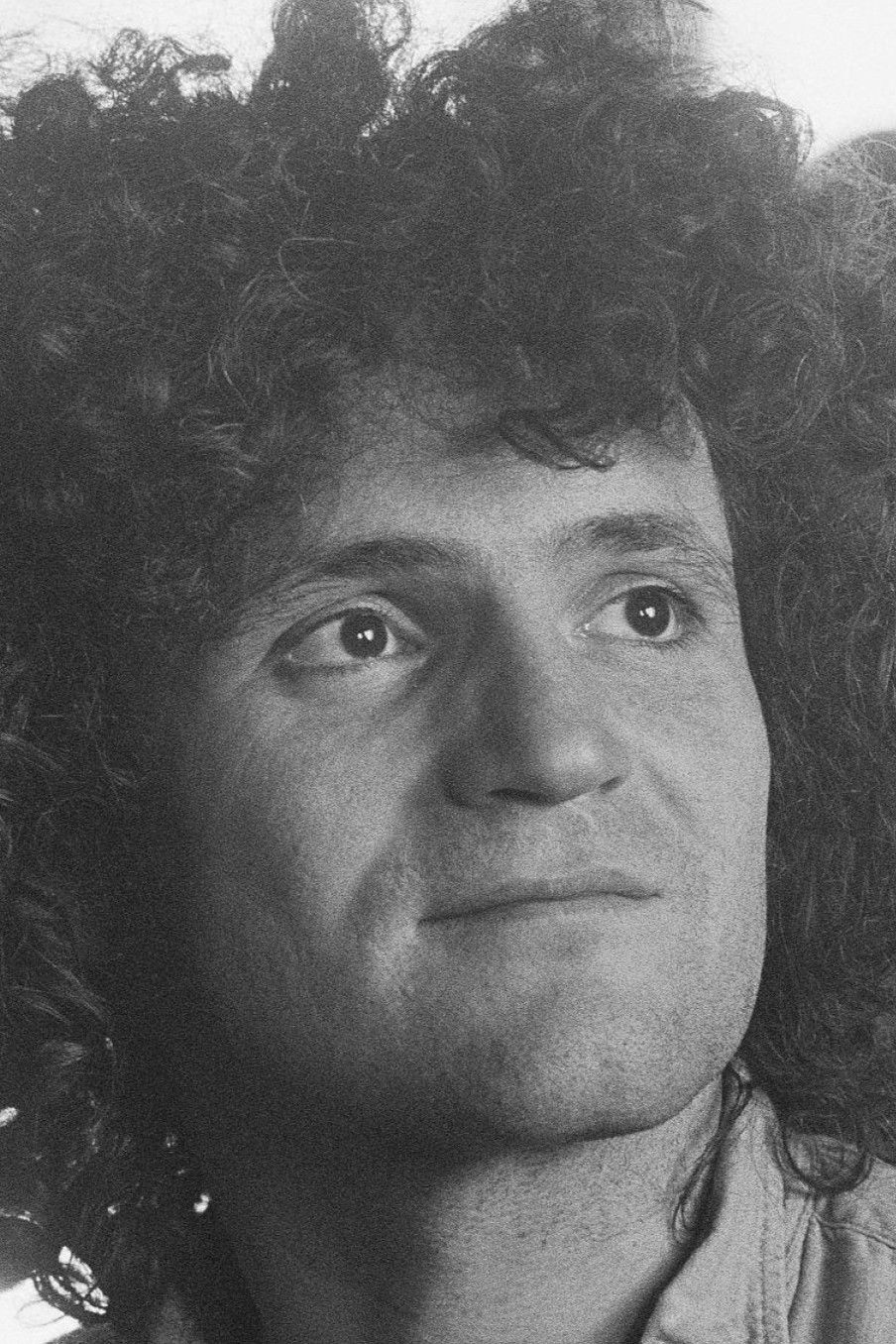
David Freiberg
American bassist and singer

Li Na
Chinese singer
Gunla Bajan
music genre
Akata Sundunchi