Category
page 1Buddhist yogis

Nagarjuna
Nāgārjuna (, ; ) was an Indian philosopher and Mahāyāna Buddhist monk of the Madhyamaka (Centrism, Middle Way) school. Nāgārjuna is widely considered one of the most important Buddhist philosophers. He was the founder of the Madhyamaka school of Buddhist philosophy and a defender of the Mahāyāna movement. His Mūlamadhyamakakārikā (Root Verses on Madhyamaka, MMK) is the most important text on the Madhyamaka philosophy of emptiness. The MMK inspired a large number of commentaries in Sanskrit, Chinese, Tibetan, Korean and Japanese and continues to be studied today.
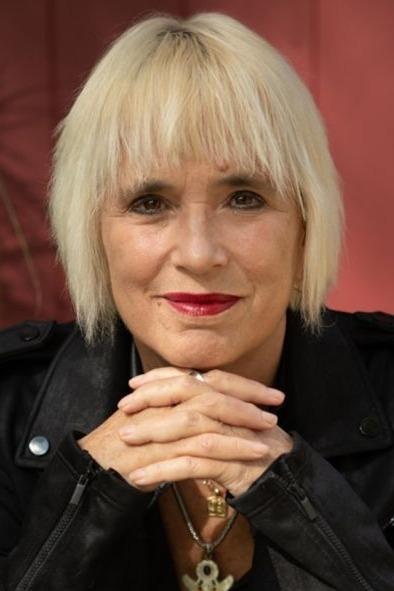
Eve Ensler
American playwright, performer, feminist, activist and artist (born 1953)
Marpa Chokyi Lodro
Tibetan Buddhist teacher

Tilopa
right|thumb|200px|Tilopa.

Naropa
Nāropā (c. 1016 - 1100 CE) (Prakrit; , Naḍapāda or Abhayakirti) was an Indian Buddhist Mahasiddha. He was the disciple of Tilopa and brother, or some sources say partner and pupil, of Niguma. As an Indian Mahasiddha, Naropa's instructions inform Vajrayana, particularly his six yogas of Naropa relevant to the completion stage of anuttarayogatantra.
He was also one of the "gatekeepers" of Vikramashila monastery and was also associated with Nalanda monastery where he rose to the position of abbot.
%20-%20(multiple%20figures)18th%20century%20Boston%20MFA.jpg)
mahasiddha
thumb|255px|Four Mahasiddhas (18th century, Boston MFA). Saraha in top left, Dombhi Heruka top right, [[Naropa bottom left, and Virupa bottom right.]]
Yeshe Tsogyel
Semi-mythical female deity in Tibetan Buddhism
Tenzin Palmo
Tibetan Buddhist nun
Machig Labdrön
Tibetan Buddhist teacher
%20-%20Virupa%2016%20century%20Private%20coll..jpg)
Virupa
thumb|Virūpa, 16th century. It depicts a famous episode in his hagiography when he stopped the sun in the sky.
Virupa (; Tib. bi ru pa or bir wa pa, ), also known as Virupaksa and Tutop Wangchuk, was an 8th–9th century Indian mahasiddha and yogi, and the source of important cycles of teachings in Vajrayana Buddhism.

Kukkuripa
thumb|Kukkuripa
Kukkuripa was a mahasiddha who lived in India. He became interested in tantric Buddhist practice, and chose the path of renunciation. During his travels, he found a starving dog in a bush. Moved by compassion, he fed the dog and took care of her. The two stayed together and eventually found a cave where Kukkuripa could meditate in peace. When he went out for food, the dog would stay and guard the cave.
Zhabkar Tsokdruk Rangdrol
Tibetan Buddhist yogi and poet
Shavaripa
Shavaripa (Sanskrit: Śabara) was an Indian Buddhist teacher, one of the eighty-four Mahasiddhas, honored as being among the holders of the distant transmission of Mahamudra. He was a student of Nagarjuna and a teacher of Maitripa. He is one of the forefathers of the Kagyu lineage of Tibetan Buddhism. Shavaripa is loosely related to the goddess Parnashavari and Janguli by relationship of the Shavari tribe of north-east India.
Lui pa
Luipa or Luipada (c. 10th century) was a mahasiddha siddhacharya from Eastern India. He was a Buddhist saint from the Kãivartā community. He was a writer of a number of Buddhist texts and one of the early poets of Charyapada, a late Apabhraṃśa collection of poems.
Indrabhuti
Indrabhuti (alternatively King Ja) is a name attributed to a number of individuals that have become conflated in Vajrayana Buddhism. One Indrabhuti, considered a Mahasiddha, was a disciple of Lawapa.

Dampa Sangye
Buddhist yogi

Kanha
Kānhapā, Kanha or Kanhapada or Krishnacharya ( c 10th century AD) was one of the main poets of Charyapada, the earliest known example of Assamese, Bengali, Maithili, Bhojpuri, and Odia literature. He was a tantric Buddhist and a disciplle of Jalandhar.Page21 Kanhapada is also a prominent siddhacharya to Nath Sampradaya after Matsyendranatha and Gorakhnath. His poems in Charjyapad are written in a code, whereby every poem has a descriptive or narrative surface meaning but also encodes tantric Buddhist teachings. Some experts believe this was to conceal sacred knowledge from the uninitiated.
Mandāravā
Mandāravā (, Skt., mandāravā 'Indian coral tree', ) (also known as Pāṇḍaravāsinī) was, along with Yeshe Tsogyal, one of the two principal consorts of great 8th-century Indian Vajrayana teacher Padmasambhava (Guru Rinpoche), a founder-figure of Tibetan Buddhism. Mandarava is considered to be a female guru-deity in Tantric Buddhism or Vajrayana.
Niguma
thumb|Niguma
Lawapa
Lawapa or Lavapa () was a figure in Tibetan Buddhism who flourished in the 10th century. He was also known as Kambala and Kambalapada (Sanskrit: ). Lawapa, was a mahasiddha, or accomplished yogi, who travelled to Tsari. Lawapa was a progenitor of the Dream Yoga sādhanā and it was from Lawapa that the mahasiddha Tilopa received the Dream Yoga practice lineage.
Sukhasiddhi
Sukhasiddhi (flourished 11th Century) was an Indian teacher of Vajrayana Buddhism, a yogini and master of meditation. She was born in west Kashmir to a large, poor family. A mother of three sons and three daughters, she once gave a beggar the only food in the house and was expelled from home.