Category
page 1Building biology

radon
Radon is a chemical element; it has symbol Rn and atomic number 86. It is a radioactive noble gas and is colorless and odorless. Of the three naturally occurring radon isotopes, only Rn has a sufficiently long half-life (3.825 days) for it to be released from the soil and rock where it is generated. Radon isotopes are the immediate decay products of radium isotopes.

ventilation
intentional introduction of outside air into a space

legionnaires' disease
infectious disease characterized by severe form of infection producing pneumonia

heating, ventilation, and air conditioning
technology of indoor and vehicular environmental comfort
volatile organic compound
organic chemical with appreciable vapor pressure at room temperature

HEPA filter
HEPA (, high efficiency particulate air, or high efficiency particulate arresting) is an efficiency standard of air filters. A HEPA filter is an air filter meeting such a standard.
air purifier
device to remove contaminants from the air
platform screen door
at train station platforms, a door that separates the platform from the train, due to architectural constraints, climate control, and/or for safety
sick building syndrome
a medical condition where people in a building suffer from symptoms of illness or feel unwell for no apparent reason
zero-energy building
energy efficiency standard for buildings
indoor air quality
air quality within and around buildings and structures
NASA Clean Air Study
1989 study of plants removing air pollutants
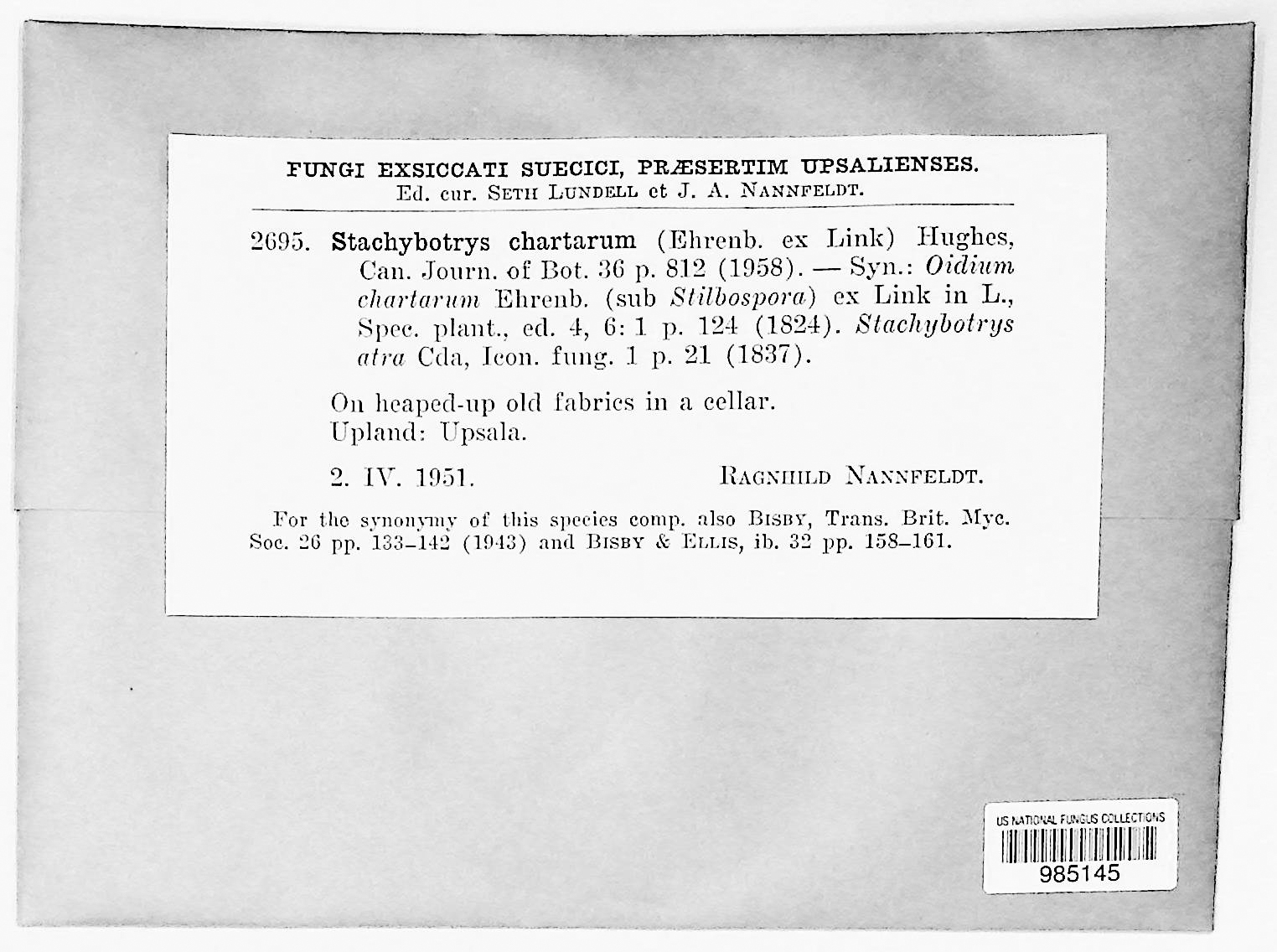
Stachybotrys chartarum
species of fungus
Pontiac fever
legionellosis that involves a milder respiratory illness without pneumonia. Symptoms include fever, headache and muscle aches which last for 2 to 5 days
house dust mites
various house-dwelling mites that cause allergies
household air pollution
air pollution within a household
superinsulation
thumb|300px|The passivhaus standard combines superinsulation with other techniques and technologies to achieve ultra-low energy use.
Superinsulation is an approach to building design, construction, and retrofitting that dramatically reduces heat loss (and gain) by using much higher insulation levels and airtightness than average. Superinsulation is one of the ancestors of the passive house approach.
smog tower
Urban large-scale air purifier

thermal destratification in buildings
method of stirring a confined fluid to achieve equal temperatures
Metro Central Heights
grade II listed building in London Borough of Southwark, United Kingdom
health effects of radon
overview of the topic
underfloor air distribution
air distribution strategy for providing ventilation and space conditioning
WELL Building Standard
standard for well-being building design
Mold health issues
Harmful effects of molds
aquifer storage and recovery
direct injection of surface water supplies such as potable water, reclaimed water, or river water into an aquifer for later recovery and use
growth of mold in structures
fungal growth that develops on wet materials