Category
page 1Building defects

radon
Radon is a chemical element; it has symbol Rn and atomic number 86. It is a radioactive noble gas and is colorless and odorless. Of the three naturally occurring radon isotopes, only Rn has a sufficiently long half-life (3.825 days) for it to be released from the soil and rock where it is generated. Radon isotopes are the immediate decay products of radium isotopes.

termite
Termites are a group of detritophagous eusocial cockroaches which consume a variety of decaying plant material, generally in the form of wood, leaf litter, and soil humus. They are distinguished by their moniliform antennae and the soft-bodied, unpigmented worker caste for which they have been commonly termed "white ants"; however, they are not ants but highly derived cockroaches. About 2,997 extant species are currently described, 2,125 of which are members of the family Termitidae.

thermal expansion
tendency of matter to change volume in response to a change in temperature

fracture
thumb|Ductile failure of a metallic specimen strained axially

Old-house borer
Hylotrupes is a monotypic genus of woodboring beetles in the family Cerambycidae, the longhorn beetles. The sole species, Hylotrupes bajulus, is known by several common names, including house longhorn beetle, old house borer, and European house borer. In South Africa it also is known as the Italian beetle because of infested packing cases that had come from Italy. Hylotrupes is the only genus in the tribe Hylotrupini.
architectural acoustics
science and engineering of achieving a good sound within a building

surface subsidence
thumb|300px|Subsided house, called The Crooked House, the result of 19th-century mining subsidence in [[Staffordshire, England]]
thumb|A625 road#Mam Tor road|Mam Tor road destroyed by subsidence and shear, near Castleton, [[Derbyshire]]

Death watch beetle
species of woodboring beetle
thermal bridge
area or component of an object which has higher thermal conductivity than the surrounding materials
sick building syndrome
a medical condition where people in a building suffer from symptoms of illness or feel unwell for no apparent reason
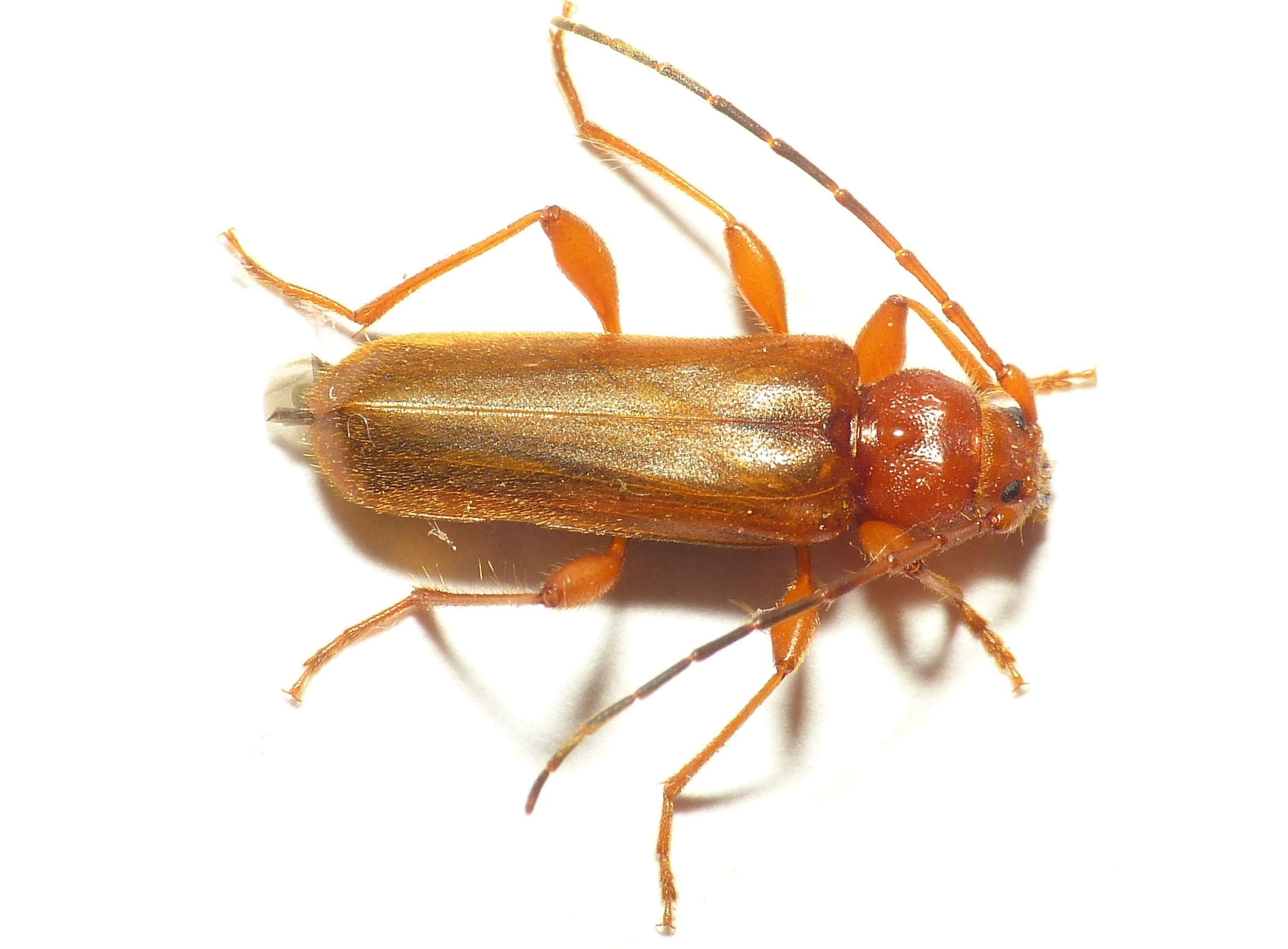
Phymatodes testaceus
species of beetle

Weaver beetle
species of beetle
brownfield land
previous industrial or commercial land, often somewhat contaminated as a result

mildew
thumb|Example of downy mildew (left) along with [[powdery mildew (right) on a grape leaf]]
structural failure
engineering event in which the structural integrity of a construction is compromised by failure of components of the structure
frost heaving
results from ice forming beneath the surface of soil during freezing conditions
Dry rot
A common kind of fungal wood rot

Powderpost beetle
subfamily of beetles

settlement
distortion or disruption of parts of a building
lead paint
toxic type of household and industrial paint

woodworm
thumb|upright=1.2|The common furniture beetle (Anobium punctatum) in situ
concrete degradation
damages inflicted to concrete by various harmful physical phenomena and chemical or biological processes
damp
presence of unwanted moisture in the structure of a building
woodboring beetle
non-taxonomic name for a beetle that eats wood
Mold health issues
Harmful effects of molds
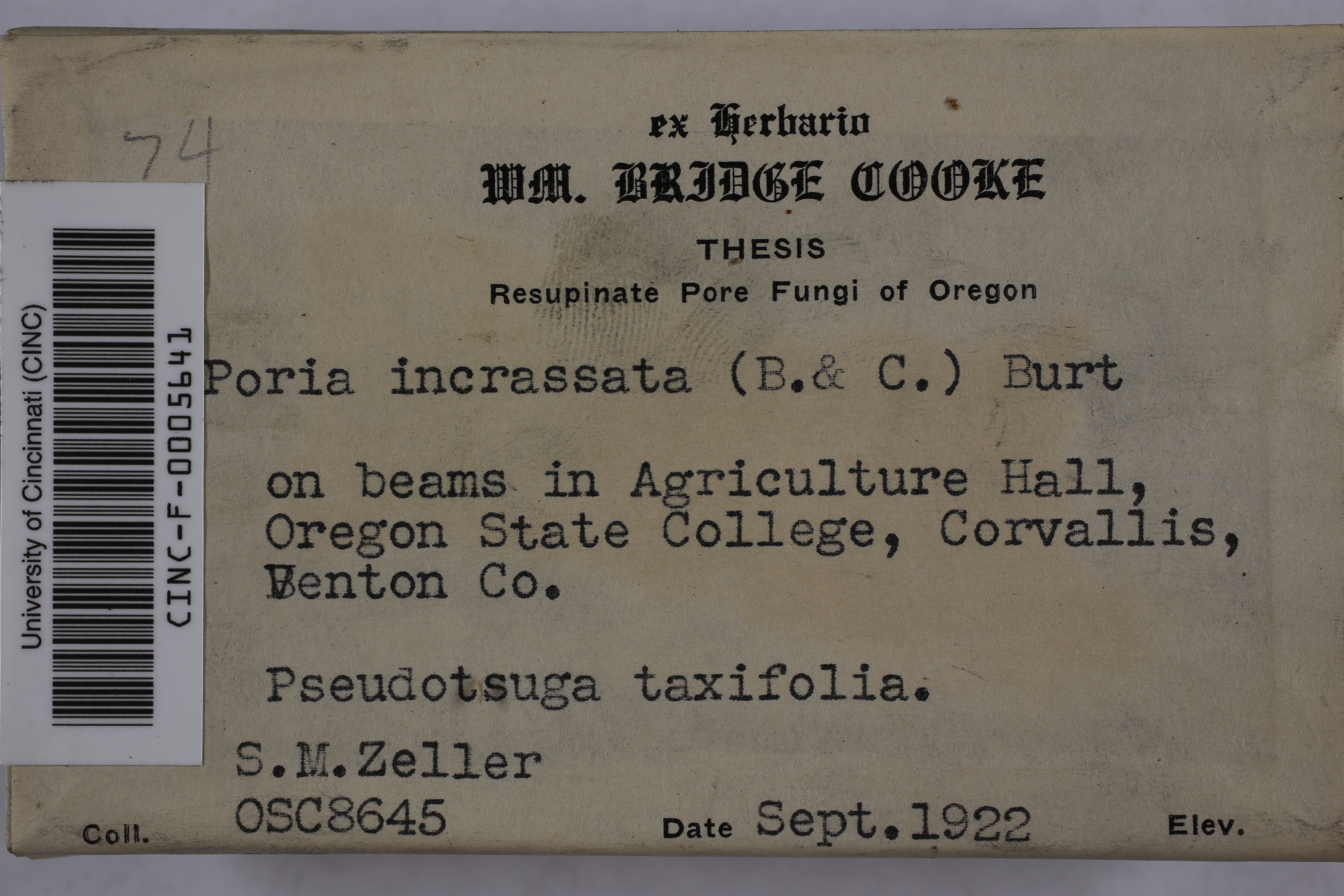
Meruliporia incrassata
species of fungus
weatherization
thumb|A weatherized building is protected from the outside elements in order to maximize energy efficiency.
thumb|Amundsen–Scott South Pole Station
Weatherization (American English) or weatherproofing (British English) is the practice of protecting a building and its interior from the elements, particularly from sunlight, precipitation, and wind, and of modifying a building to reduce energy consumption and optimize energy efficiency.