Category
page 1Bungarus

Banded krait
species of south Asian elapid snake
%20Figure%207.jpg)
Bungarus
Bungarus (commonly known as kraits ) is a genus of venomous snakes in the family Elapidae. The genus is native to Asia. Often found on the floor of tropical forests in South Asia, Southeast Asia and Southern China, they are medium-sized, highly venomous snakes with a total length (including tail) typically not exceeding . These are nocturnal ophiophagious predators which prey primarily on other snakes at night, occasionally taking lizards, amphibians and rodents. Most species are with banded patterns acting as a warning sign to their predators. Despite being considered as generally docile and

Common Krait
species of reptile
Bungarus multicinctus
species of reptile

Bungarus candidus
species of krait

Red-headed krait
species of reptile
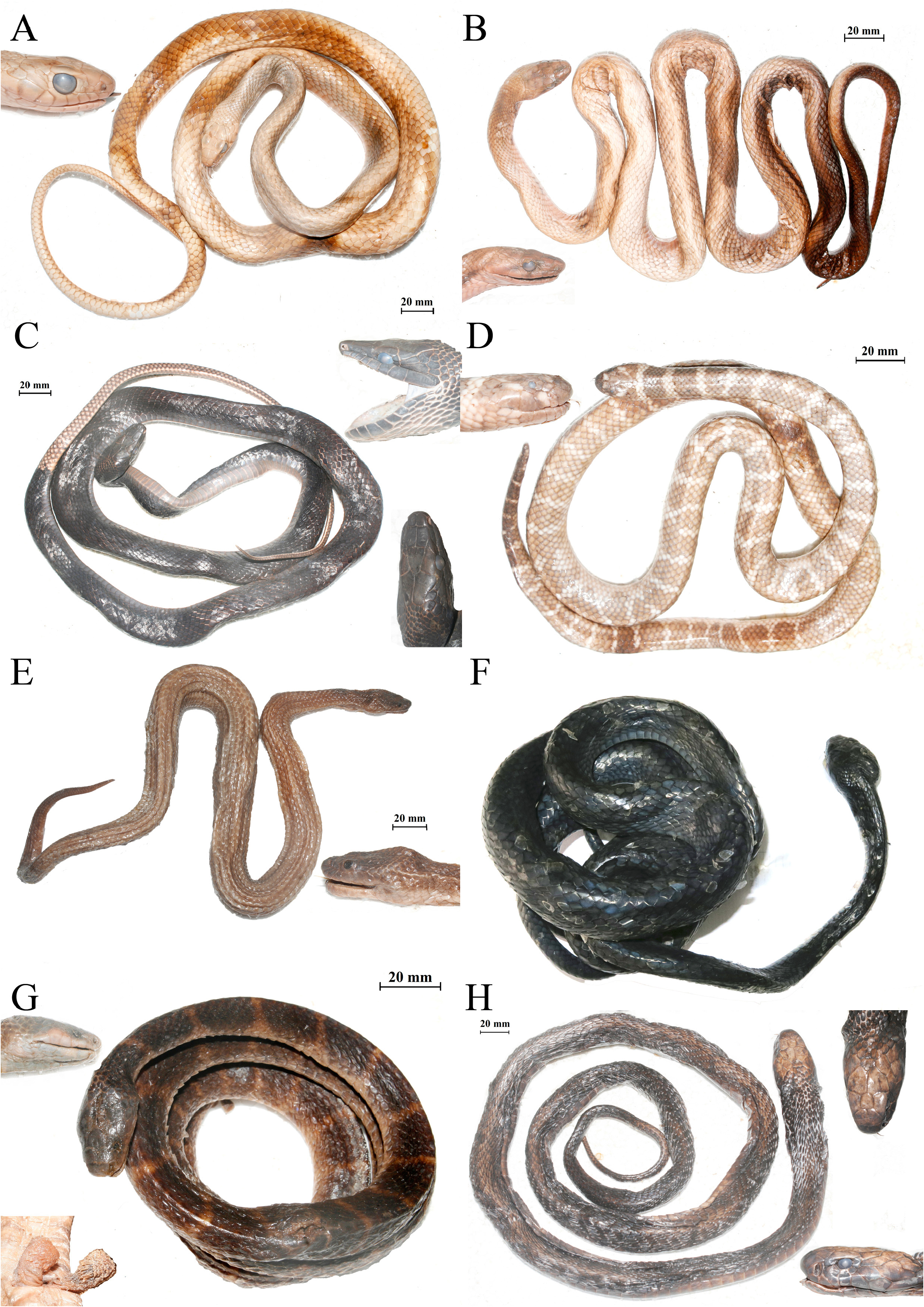
Bungarus andamanensis
species of reptile

Bungarus niger
species of reptile

Bungarus lividus
species of reptile

Bungarus ceylonicus
species of reptile
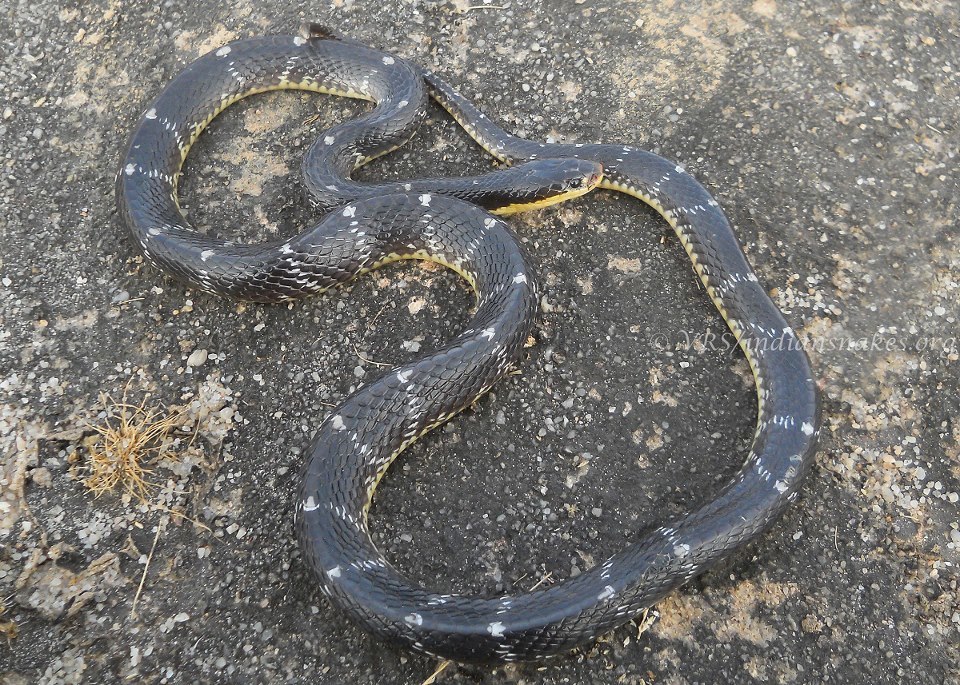
Bungarus sindanus
species of reptile

Bungarus slowinskii
species of reptile

Bungarus bungaroides
species of reptile
Bungarus magnimaculatus
species of reptile
alpha-bungarotoxin
α-Bungarotoxin is one of the bungarotoxins, components of the venom of the elapid Taiwanese banded krait snake (Bungarus multicinctus). It is a type of α-neurotoxin, a neurotoxic protein that is known to bind competitively and in a relatively irreversible manner to the nicotinic acetylcholine receptor found at the neuromuscular junction, causing paralysis, respiratory failure, and death in the victim. It has also been shown to play an antagonistic role in the binding of the α7 nicotinic acetylcholine receptor in the brain, and as such has numerous applications in neuroscience research.

Bungarus persicus
species of snake
bungarotoxin
Bungarotoxins are toxins found in the venom of snakes and kraits. Bites from these animals can result in severe symptoms including bleeding or hemorrhage, paralysis and tissue damage that can result in amputation. The paralytic effects of venom are particularly dangerous as they can impair breathing. These symptoms are the result of bungarotoxin presence in the venom. In actuality, venom contains several distinct bungarotoxins, each varying in which receptors they act on and how powerful they are.
Bungarus suzhenae
species of snake
Bungarus walli
species of reptile
beta-bungarotoxin
β-Bungarotoxin is a form of bungarotoxin that is fairly common in Krait (Bungarus multicinctus) venoms. It is the prototypic class of snake β-neurotoxins. There are at least five isoforms, coded β1 to β5, assembled from different combinations of A and Bchains.