Category
page 1Burkholderiales
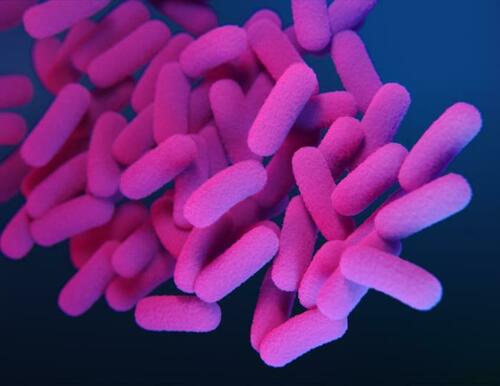
Bordetella pertussis
species of bacterium

Bordetella
Bordetella () is a genus of small (0.2 – 0.7 μm), Gram-negative, coccobacilli bacteria of the phylum Pseudomonadota. Bordetella species, with the exception of B. petrii, are obligate aerobes, as well as highly fastidious, or difficult to culture. All species can infect humans. The first three species to be described (B. pertussis, B. parapertussis, B. bronchiseptica) are sometimes referred to as the 'classical species'. Two of these (B. pertussis and B. bronchiseptica) are also motile.
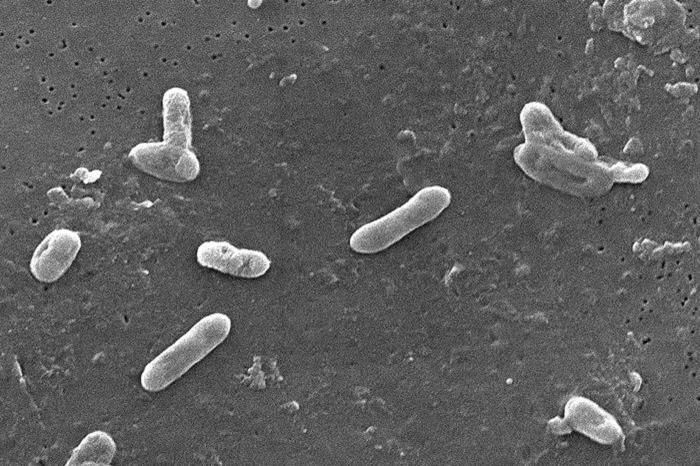
Bordetella bronchiseptica
species of bacterium
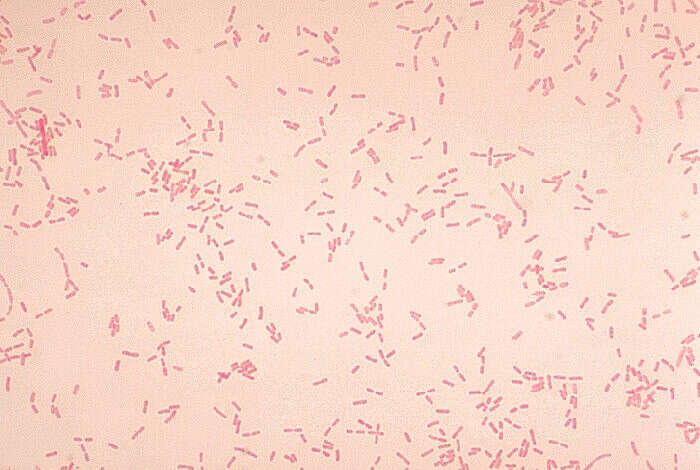
Alcaligenes
Alcaligenes is a genus of Gram-negative, aerobic, rod-shaped bacteria in the order of Burkholderiales, family Alcaligenaceae.
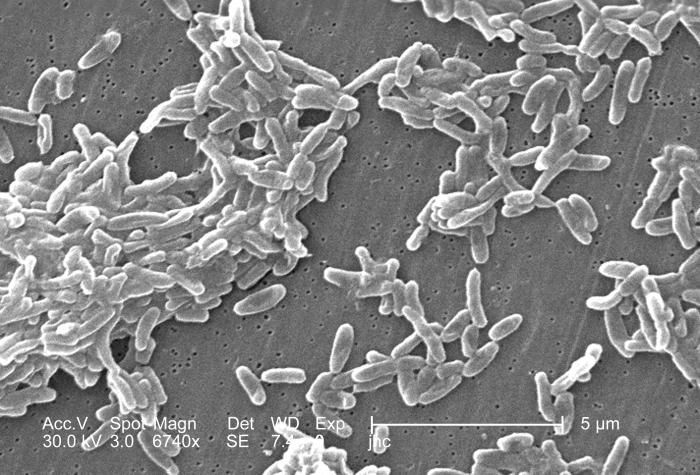
Burkholderiales
The Burkholderiales are an order of Betaproteobacteria in the phylum Pseudomonadota. Like all Pseudomonadota, they are Gram-negative. They include several pathogenic bacteria, including species of Burkholderia, Bordetella, and Ralstonia. They also include Oxalobacter and related genera, which are unusual in using oxalic acid as their source of carbon. Other well-studied genera include Alcaligenes, Cupriavidus, Achromobacter, Comamonas, Delftia, Massilia, Duganella, Janthinobacterium, Polynucleobacter (important freshwater bacterioplankton), non-pathogenic Paraburkholderia, Caballeronia, Polaro
Burkholderiaceae
The Burkholderiaceae are a family of bacteria included in the order Burkholderiales. It includes some pathogenic species, such as Burkholderia mallei (glanders) and Burkholderia pseudomallei (melioidosis). This family was found to be enriched in scale-eating pupfish (Cyprinodon desquamator) guts, even after being fed a common laboratory diet, suggesting it may aid in scale-digestion (Heras and Martin 2022).
Alcaligenaceae
The Alcaligenaceae are a family of bacteria, included in the order Burkholderiales. Members are found in water, soil, humans, and other animals. Some species, like Bordetella, are pathogenic for humans and for some other animals.
Bordetella parapertussis
species of bacterium

Comamonadaceae
The Comamonadaceae are a family of the Betaproteobacteria. Like all Pseudomonadota, they are Gram-negative. They are aerobic and most of the species are motile via flagella. The cells are curved rod-shaped.
Achromobacter
Achromobacter is a genus of bacteria, included in the family Alcaligenaceae in the order Burkholderiales. The cells are Gram-negative straight rods and are motile by using one to 20 peritrichous flagella. They are strictly aerobic and are found in water (fresh and marine) and soils. They have also been identified as a contaminant in laboratory cell cultures. They have been identified as opportunistic human pathogens in people with certain immunosuppressive conditions such as cystic fibrosis, cancer and kidney failure. They also have been known to be resistant to antibiotics.
Oxalobacteraceae
The Oxalobacteraceae are a family of bacteria, included in the order Burkholderiales. Like all Pseudomonadota, Oxalobacteraceae are Gram-negative. The family includes strict aerobes, strict anaerobes, and nitrogen-fixing (diazotrophic) members. The cells are curved, vibroid, or straight rod-shaped.
Herminiimonas glaciei
species of bacterium
Oxalobacter
Oxalobacter is a genus of Gram-negative, obligate anaerobic, non-spore-forming bacteria in the Oxalobacteraceae family. Members of this genus are chemoorganotrophs, using oxalate as their primary carbon and energy source. The genus was first described in 1985 with the discovery of Oxalobacter formigenes.

Leptothrix
genus of bacteria
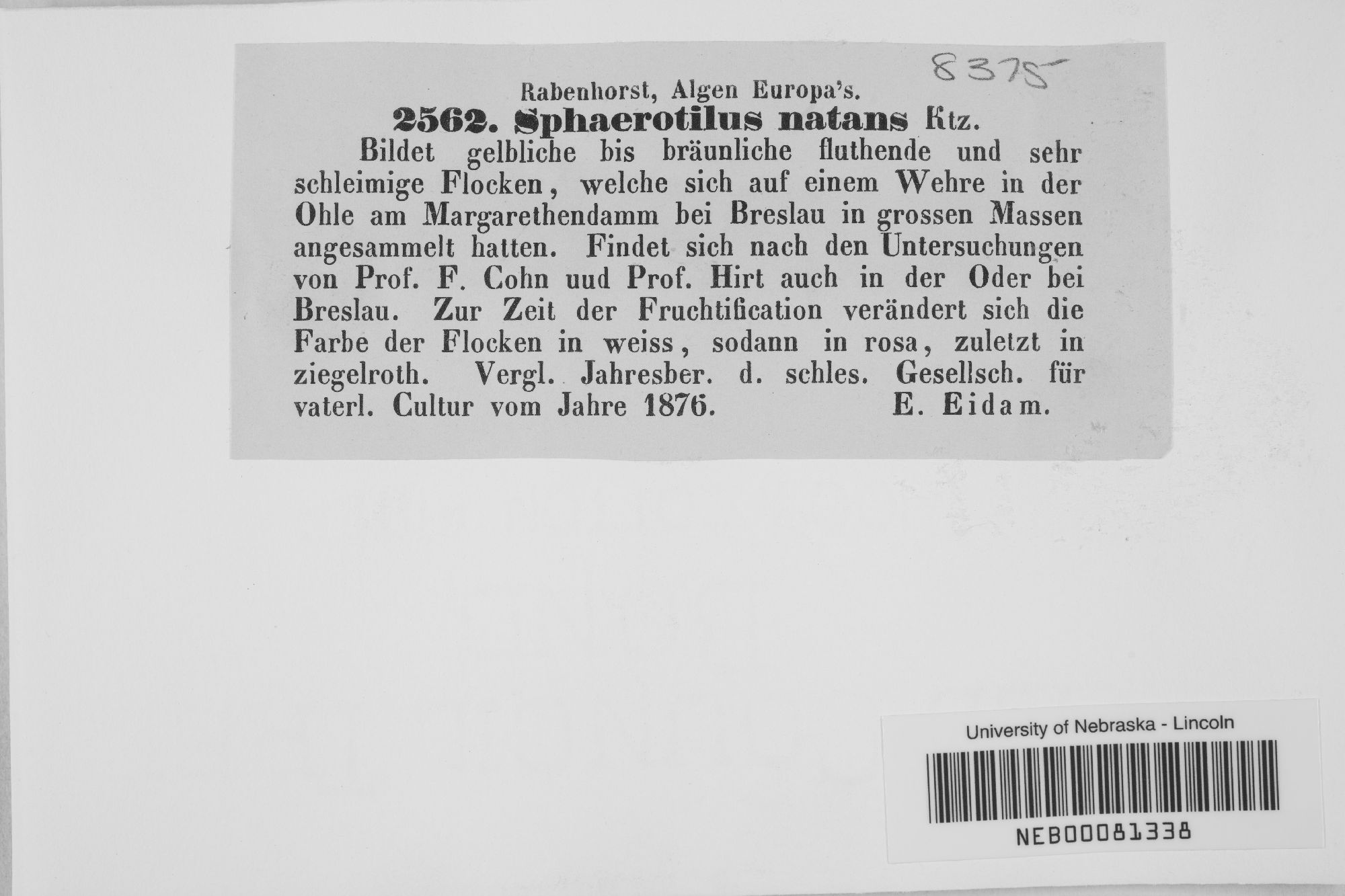
Sphaerotilus natans
species of bacterium
Oxalobacter formigenes
species of bacterium
Derxia
Derxia is a genus of Gram-negative, nitrogen-fixing bacteria from the family of Alcaligenaceae.
Janthinobacterium lividum
species of bacterium
Herminiimonas
Herminiimonas is a genus of bacteria in the Oxalobacteraceae family. It contains Betaproteobacteria that have been isolated from spring and mineral waters. The type species, H. fonticola, was first recovered from the borehole of bottled mineral water in eastern Portugal.
Herbaspirillum
Herbaspirillum is a genus of bacteria, including the nitrogen-fixing Herbaspirillum lusitanum.
Massilia
genus of bacteria
Taylorella
Taylorella is a genus comprising Gram-negative, short rod-shaped, chemoorganotrophic bacteria that include species that are the causative agents of contagious equine metritis. The name Taylorella serves as a dedication to C.E.D. Taylor, the scientist who identified the only species originally included in this genus. They are non-motile microaerophiles that are able to be isolated in pure culture on chocolate agar. .
Duganella
Duganella is a genus of bacteria in the family Oxalobacteraceae.
Alcaligenes faecalis
species of bacterium
Oligella
genus of bacteria
Herminiimonas arsenicoxydans
species of bacterium
Sutterellaceae
The Sutterellaceae are a family of Betaproteobacteria. Cells of Sutterellaceae are Gram-negative, oxidase- and catalase-negative, and grow under microaerophilic or anaerobic atmospheres.
Advenella
Advenella is a genus in the phylum Pseudomonadota (Bacteria). The two members of the genus Tetrathiobacter were transferred to this genus, namely Tetrathiobacter kashmirensis and Tetrathiobacter mimigardefordensis.
Undibacterium
thumb|right|Drinking Water Bacteria
Undibacterium is a genus of Gram-negative, oxidase- and catalase-positive Betaproteobacteria in the Oxalobacteraceae family. Undibacterium bacteria occurs in drinking water.
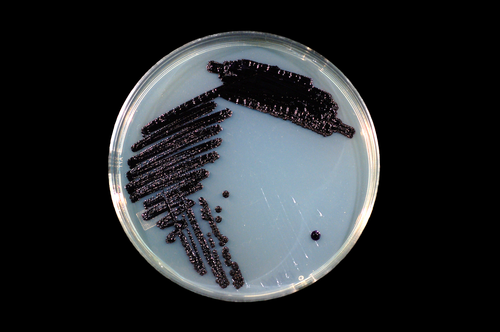
Janthinobacterium
Janthinobacterium is a genus of Gram-negative soil bacteria. The name is from Latin janthinus, which means "violet" or "violet-blue". It produces distinct purple-violet pigments among which are jagaricin and violacein, manifests diverse energy metabolism abilities, and tolerates cold, ultraviolet radiation, and other environmental stressors.
Collimonas
Collimonas is a genus of bacteria in the family Oxalobacteraceae. Culturable representatives of this genus have the ability to lyse chitin, to use fungal hyphae as a source of food, to produce antifungal molecules and to weather minerals .
Taylorella equigenitalis
species of bacterium
Sutterella
Sutterella is a genus of Gram-negative, rod-shaped, non-spore-forming, Betaproteobacteria whose species have been isolated from the human gastrointestinal tract as well as canine feces. This genus of the family Sutterellaceae currently encompasses 4 distinct species, though at least 5 additional species have been proposed that do not yet meet International Code of Nomenclature of Prokaryotes (ICNP) standards for classification. Sutterella are frequently referred to as commensal in the context of human hosts, but are associated with inflammation, which has implications for a number of diseases.
Bordetella avium
species of bacterium
Paralcaligenes
Paralcaligenes is a genus of bacteria from the family of Alcaligenaceae.
Derxia gummosa
species of bacterium
Telluria
Telluria is a genus of Gram-negative soil bacteria.
Herbaspirillum seropedicae
species of bacterium
Pelistega
Pelistega is a genus of Gram-negative, aerobic bacteria in the family Alcaligenaceae. It was first described in 1998 with the type species Pelistega europaea, isolated from pigeons.
Herminiimonas fonticola
species of bacterium
Glaciimonas
Glaciimonas is a genus of bacteria in the family Oxalobacteraceae. Its name comes from glaciers where it was first found and monad, a single cell. Glaciimonas = a cell from the glacier.
Noviherbaspirillum
Noviherbaspirillum is a genus of bacteria in the family Oxalobacteraceae.
Achromobacter ruhlandii
species of bacterium
Azohydromonas
Azohydromonas is a genus of bacteria from the family of Alcaligenaceae.
Candidimonas
Candidimonas is a genus of bacteria from the family of Alcaligenaceae.
Achromobacter xylosoxidans
species of bacterium
Herbaspirillum hiltneri
species of bacterium