Category
page 1Cacti

Cactus
A cactus (: cacti, cactuses, or less commonly, cactus) is a member of the plant family Cactaceae (), a family of the order Caryophyllales comprising about 127 genera with some 1,750 known species. The word cactus derives, through Latin, from the Ancient Greek word (káktos), a name originally used by Theophrastus for a spiny plant whose identity is now not certain. Cacti occur in a wide range of shapes and sizes. They are native to the Americas, ranging from Patagonia in the south to parts of western Canada in the north, with the exception of Rhipsalis baccifera, which is also found in Africa a

mescaline
Mescaline, also known as mescalin or mezcalin, and in chemical terms 3,4,5-trimethoxyphenethylamine, is a naturally occurring classical psychedelic protoalkaloid of the substituted phenethylamine class, found in cacti like peyote (Lophophora williamsii) and San Pedro (certain species of the genus Echinopsis).

areole
thumb|Aeroles and spines of the tree-like Rhodocactus grandifolius
In botany, areoles are small light- to dark-colored bumps on cacti out of which grow clusters of spines. Areoles are important diagnostic features of cacti, and identify them as a family distinct from other succulent plants. The spines are not easily detachable, but on certain cacti, members of the subfamily Opuntioideae, smaller, detachable bristles, glochids, also grow out of the areoles and afford additional protection.

glochid
thumb|Glochids and spines on a species of Opuntia. The spines are the relatively large, radiating organs; the glochids are the fine prickles in the centres of the bunches.

Leuenbergeria bleo
species of plant

Cephalium
thumb|Cephalium atop Melocactus matanzanus
A cephalium is a growth that occurs in cacti at sexual maturity, that exhibits periderm development, reduced photosynthesis and denser spine production. The boundary between the juvenile plant and the cephalium is almost always a discrete one. Cephalia have historically been defined to occur only at the tips of the plant, although does not reflect the variety of sexual transition among species.
Leuenbergeria guamacho
species of cactus in Central America
Classification of the Cactaceae
classification of cacti
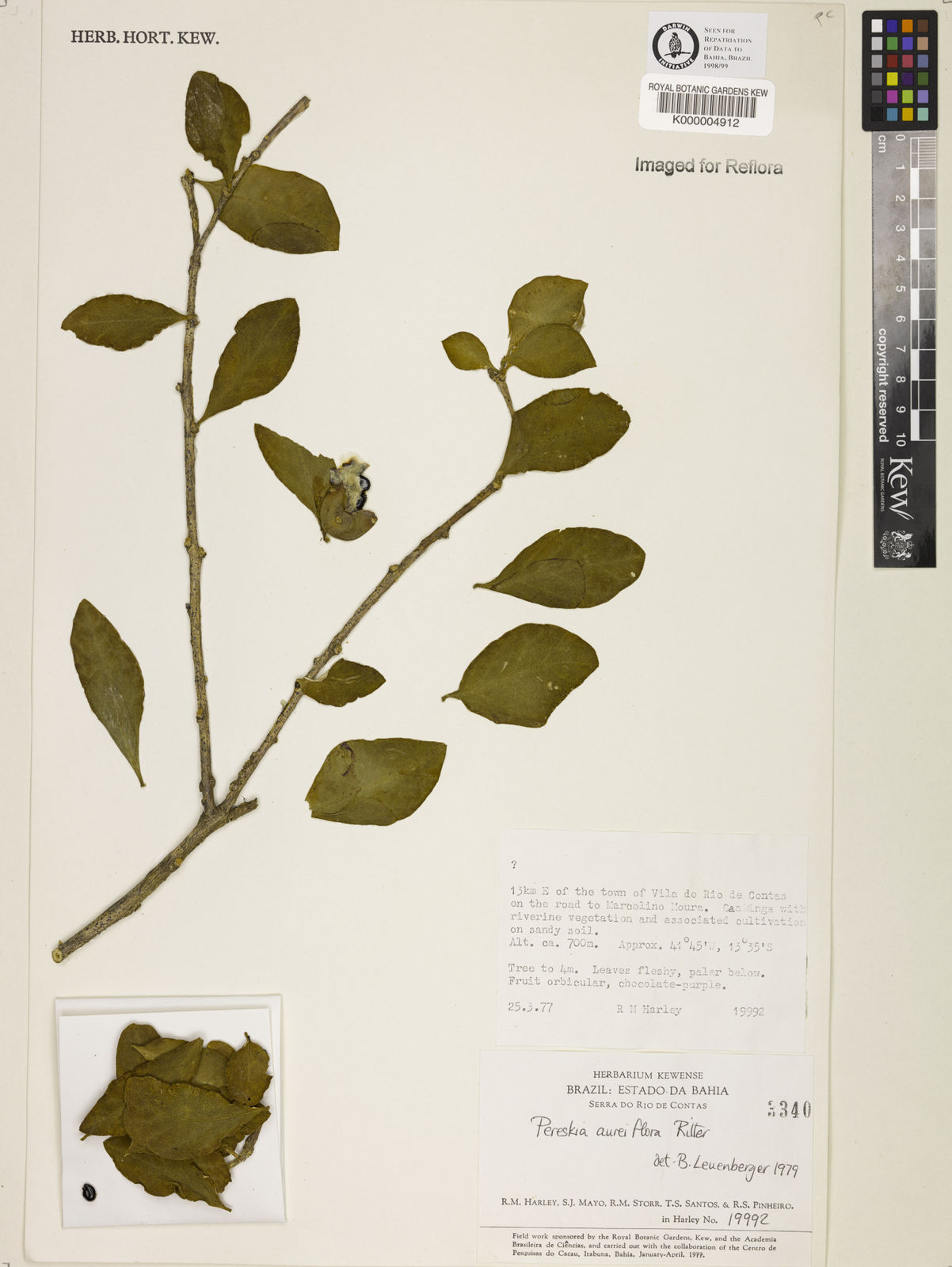
Leuenbergeria aureiflora
Species of plant in the family Cactaceae
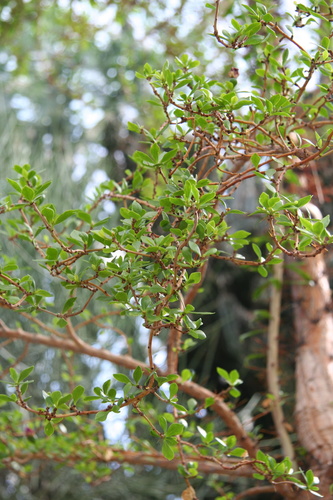
Leuenbergeria zinniiflora
species of plant

Leuenbergeria quisqueyana
species of plant in the family Cactaceae
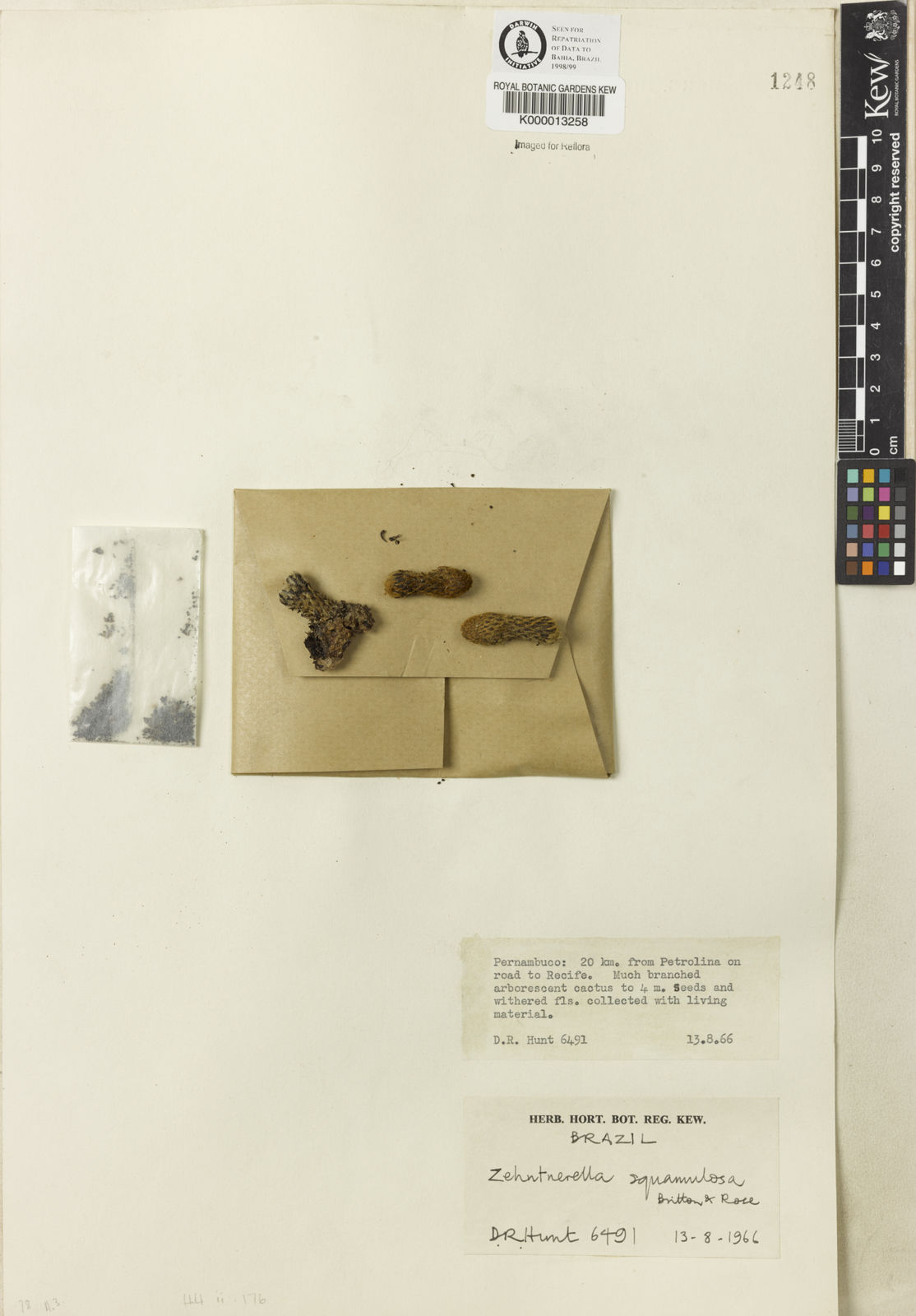
Facheiroa squamosa
species of plant

Leuenbergeria
Leuenbergeria is a genus of flowering plant in the family Cactaceae, mostly native around the Caribbean. Unlike most cacti, it has persistent leaves and develops bark on its stems early in its growth. The genus was created in 2012 by Joël Lodé. Before the creation of Leuenbergeria as a genus, the species within it were included in a broadly circumscribed genus, Pereskia. Leuenbergeria is the only genus in the subfamily Leuenbergerioideae.
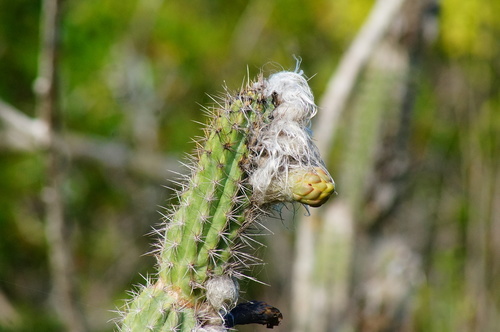
Pilosocereus collinsii
species of plant
Heterodera cacti
species of worm