Category
page 1Caesalpinioideae

Ceratonia siliqua
The carob ( ; Ceratonia siliqua) is a flowering evergreen tree or shrub in the Caesalpinioideae subfamily of the legume family, Fabaceae. The carob tree is native to the Mediterranean region and the Middle East. It is widely cultivated for its edible fruit, which takes the form of seed pods, and as an ornamental tree in gardens and landscapes. Spain is its largest producer, followed by Italy and Morocco.

Gleditsia
Gleditsia (honey locust) is a genus of trees in the family Fabaceae, subfamily Caesalpinioideae, native to the Americas and Asia. The Latin name commemorates Johann Gottlieb Gleditsch, director of the Berlin Botanical Garden, who died in 1786.

Caesalpinioideae
thumb|200px|right|Chamaecrista absus
Caesalpinioideae is a botanical name at the rank of subfamily, placed in the large family Fabaceae or Leguminosae. Its name is formed from the generic name Caesalpinia. It is known also as the peacock flower subfamily. The Caesalpinioideae are mainly trees distributed in the moist tropics, but include such temperate species as the honeylocust (Gleditsia triacanthos) and Kentucky coffeetree (Gymnocladus dioicus). It has the following clade-based definition:
The most inclusive crown clade containing Arcoa gonavensis Urb. and Mimosa pudica L., but not Bobgunni

Ceratonia
Ceratonia , also known as carobs, is a small genus of flowering trees in the pea family, Fabaceae, endemic to the Mediterranean region and the Middle East. Its best known member is the carob tree (Ceratonia siliqua), which is cultivated for its edible pods and has been widely introduced to regions with similar climates. The genus was long considered monotypic, but a second species, Ceratonia oreothauma, was identified in 1979 from Oman and Somalia. The genus is in subfamily Caesalpinioideae and tribe Umtizieae.

Gymnocladus dioicus
species of plant

Parkinsonia
Parkinsonia , also Cercidium , is a genus of flowering plants in the pea family, Fabaceae. It contains about 12 species that are native to semi-desert regions of Africa and the Americas. The name of the genus honors English apothecary and botanist John Parkinson (1567–1650).

Peltophorum
Peltophorum is a genus of 5–15 species of flowering plants in the family Fabaceae, subfamily Caesalpinioideae. The genus is native to certain tropical regions across the world, including northern South America, central and southern Africa, Indochina, southeastern China, Malesia, New Guinea, and northern Australia. The species are medium-sized to large trees growing up to 15–25 m tall, rarely 50 m.

Gymnocladus
Gymnocladus (Neo-Latin, from Greek γυμνὀς, gymnos, naked + κλάδος, klados, branch) is a small genus of leguminous trees. The common name coffeetree is used for this genus. It includes six species native to eastern North America and southeastern Asia.

Acrocarpus fraxinifolius
species of plant
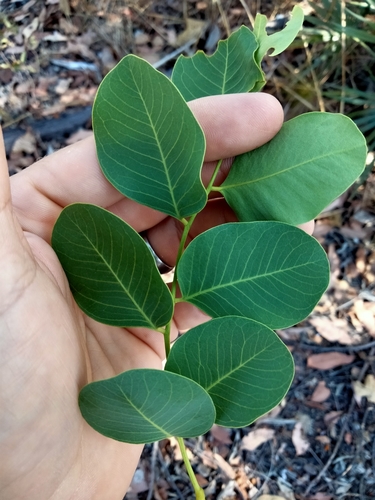
Erythrophleum
Erythrophleum is a genus of legume in the family Fabaceae. It includes ten species native to sub-Saharan Africa, Indochina, southern China, and northern Australia.

Burkea africana
African tree species
Tachigali
Tachigali is a flowering plant genus in the legume family (Fabaceae). It includes 74 species of trees native to the tropical Americas, ranging from Nicaragua to Bolivia, Paraguay, and southern Brazil. Typical habitats include tropical rain forest, lower montane forest, seasonally-flooded and non-flooded evergreen lowland forest and woodland, gallery and riparian forest, sometimes on white sands, cerrado and other dry woodland, and rocky grassland.

Dimorphandra mollis
species of plant

Colvillea racemosa
species of plant

Schizolobium
thumb|
Dimorphandra
Dimorphandra is a genus of legume in the family Fabaceae, subfamily Caesalpinioideae. It includes 26 species native to northern South America, ranging from Colombia and Venezuela to Bolivia, Paraguay, and southeastern Brazil.

Mora
genus of plants
Caesalpinieae
The tribe Caesalpinieae is one of the subdivisions of the plant family Fabaceae: subfamily Caesalpinioideae.
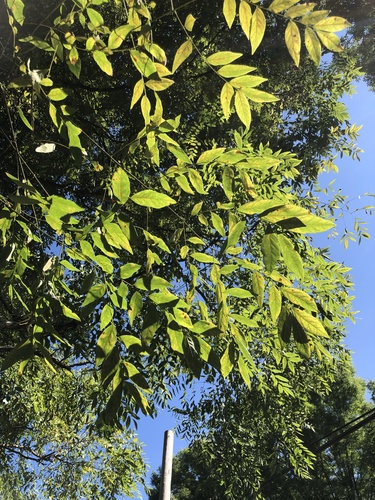
Gymnocladus chinensis
species of plant
Stachyothyrsus
Stachyothyrsus is a genus of flowering plants in the legume family, Fabaceae. It belongs to the subfamily Caesalpinioideae. It includes two species native to tropical Africa.
Bussea
Bussea is a genus of flowering plants in the legume family, Fabaceae. It includes seven species of trees and occasionally shrubs native to sub-Saharan Africa, ranging from Guinea to Ghana in West Africa, from Gabon and Angola to Tanzania and Mozambique in central Africa, and to Madagascar. Habitats include seasonally-dry tropical forests and thickets, moist semi-deciduous forests, and evergreen rain forest.
Moldenhawera
Moldenhawera is a genus of flowering plants in the legume family, Fabaceae. It includes 12 species of trees and shrubs endemic to eastern Brazil. They grow in diverse habitats, including restinga (tropical moist coastal forest, woodland, and scrub on podzolized sandy soils just above the beach line), coastal dunes, wooded grassland (cerrado), low mountain scrub on sandstone-derived soils, and rocky montane grassland (campo rupestre). It belongs to the subfamily Caesalpinioideae.
Campsiandra
Campsiandra is a genus of flowering plants in the family Fabaceae. It includes 22 species native to northern South America. The genus belongs to the subfamily Caesalpinioideae.
Tetrapterocarpon
Tetrapterocarpon is a genus of flowering plants in the legume family, Fabaceae. It belongs to the subfamily Caesalpinioideae. It is endemic to Madagascar.
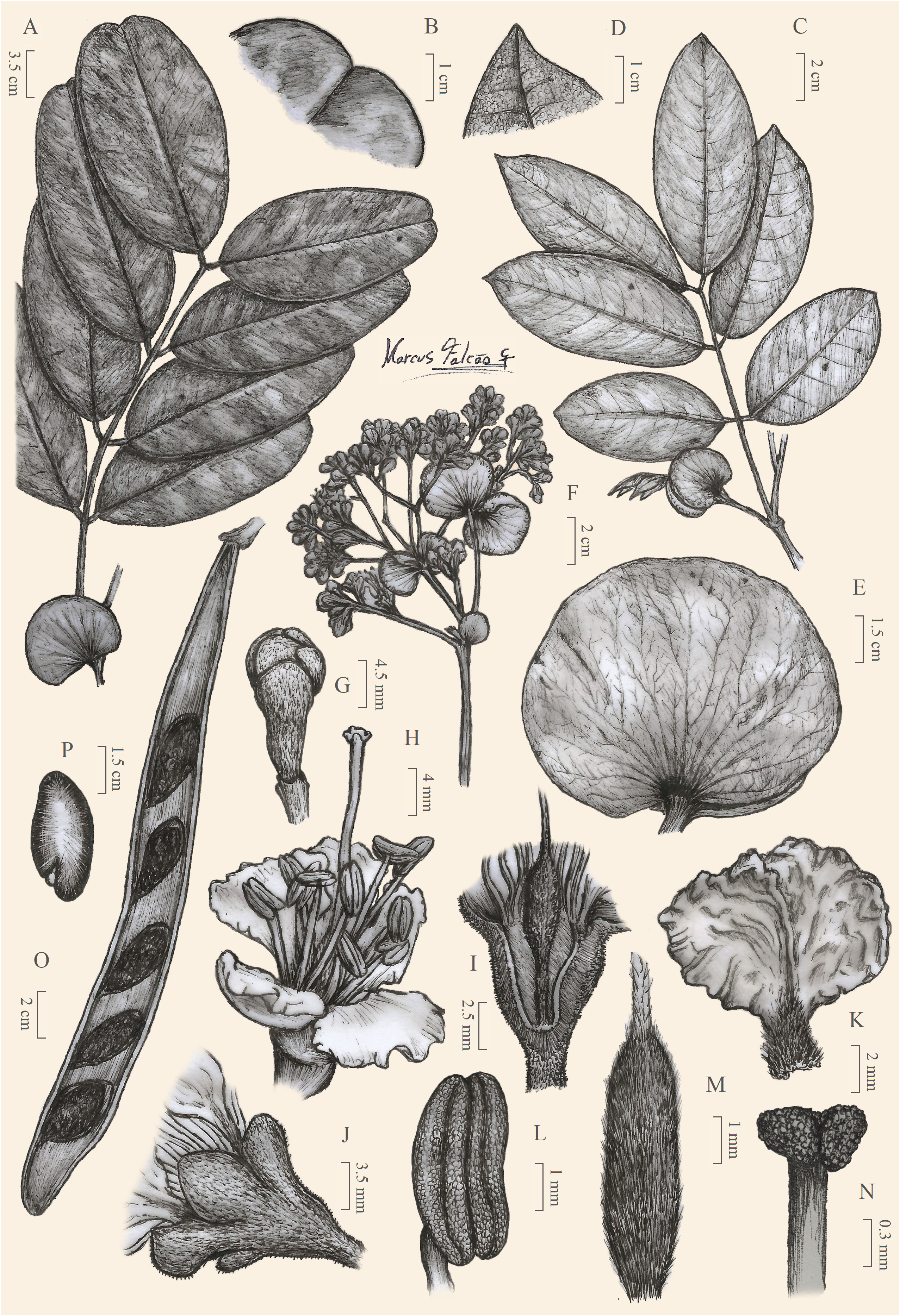
Arapatiella psilophylla
species of plant
Arapatiella
Arapatiella is a genus of plants in the family Fabaceae. It includes two species of trees native to northeastern Brazil.

Acrocarpus
Acrocarpus is a genus of trees in the legume family, Fabaceae. It comprises one species, Acrocarpus fraxinifolius, the pink cedar, a large deciduous emergent tree native to Bangladesh, Bhutan, China, India, Indonesia, Laos, Myanmar, Nepal and Thailand. Its also known as Balangi or Kurungatti in India.
Conzattia
Conzattia is a genus of flowering plants in the legume family, Fabaceae. It belongs to the subfamily Caesalpinioideae.
Jacqueshuberia
Jacqueshuberia is a genus of legume in the family Fabaceae, including seven species native to northern South America, from Colombia, Venezuela and Guyana to northern Brazil and Peru.
Jacqueshuberia amplifolia R.S.Cowan
Jacqueshuberia brevipes
Jacqueshuberia loretensis R.S.Cowan
Jacqueshuberia purpurea Ducke
Jacqueshuberia pustulata Stergios & P.E.Berry
Jacqueshuberia quinquangulata Ducke
Jacqueshuberia splendens Stergios & P.E.Berry
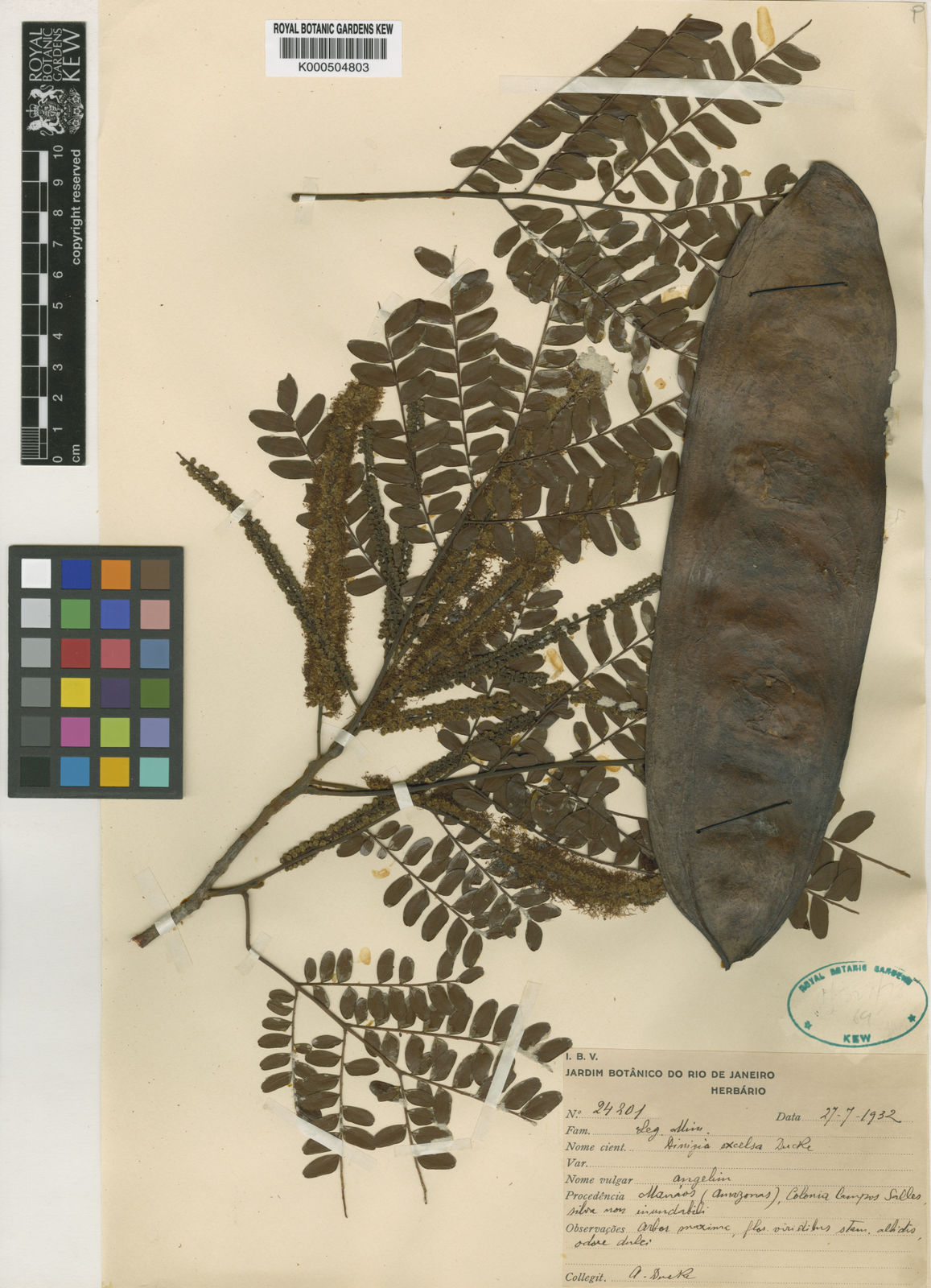
Dinizia
Dinizia is a genus of flowering plants in the legume family, Fabaceae. It was believed to be monotypic until 2017, when Dinizia jueirana-facao was described. Dinizia is native to Brazil (North Region and Central-West Region), Guyana and Suriname. Both species are colossal forest trees.
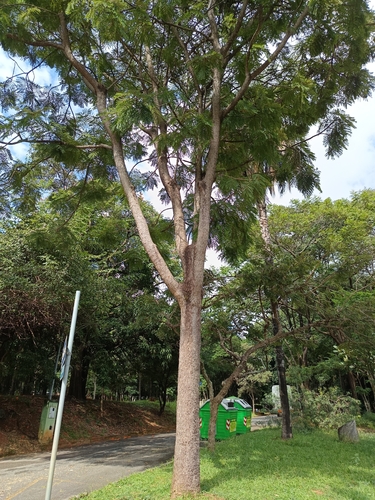
Dimorphandra wilsonii
species of plant

Jacqueshuberia loretensis
species of plant
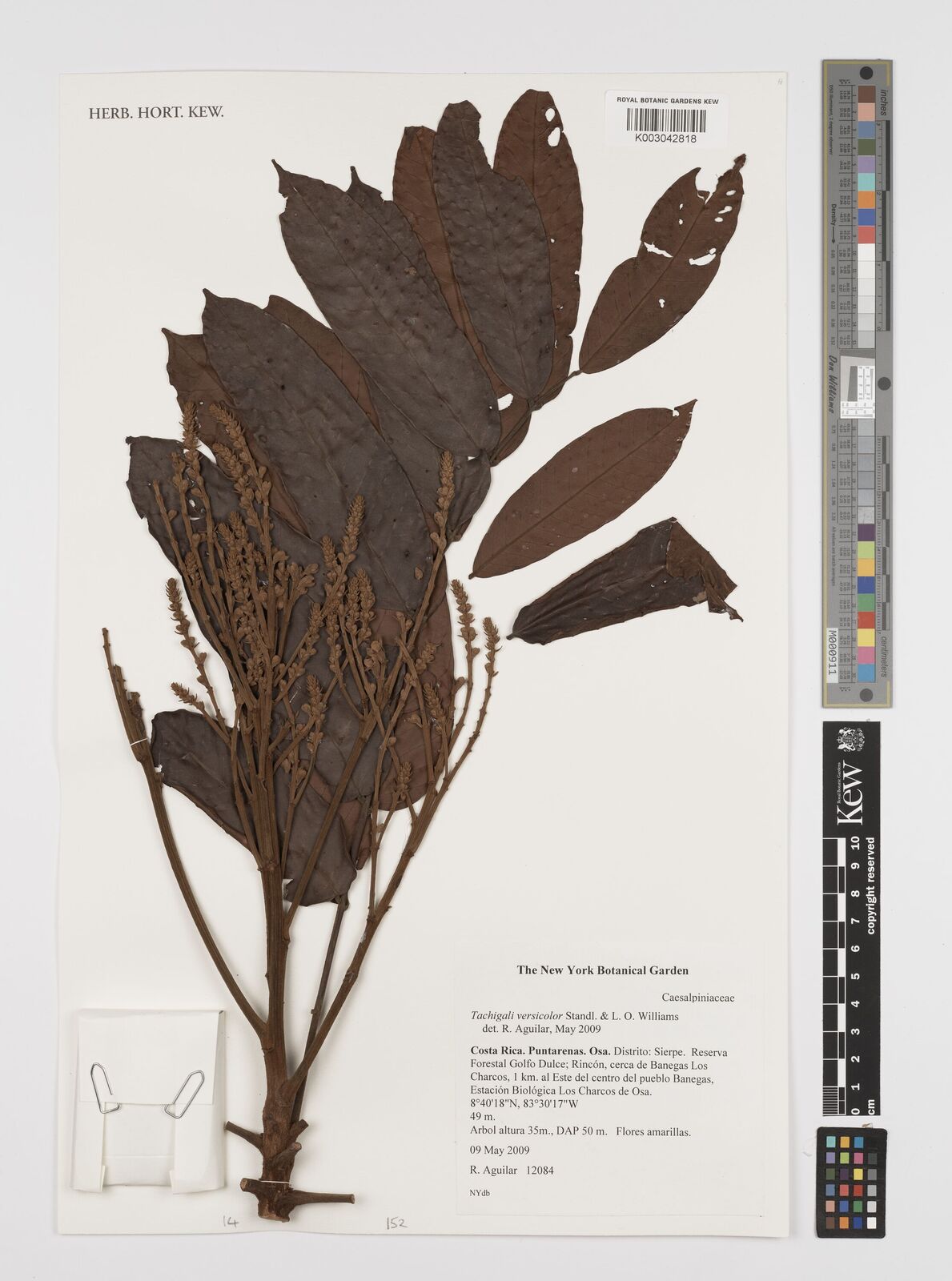
Tachigali versicolor
species of plant
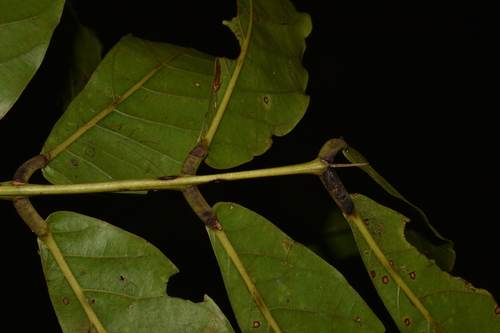
Tachigali tessmannii
species of plant
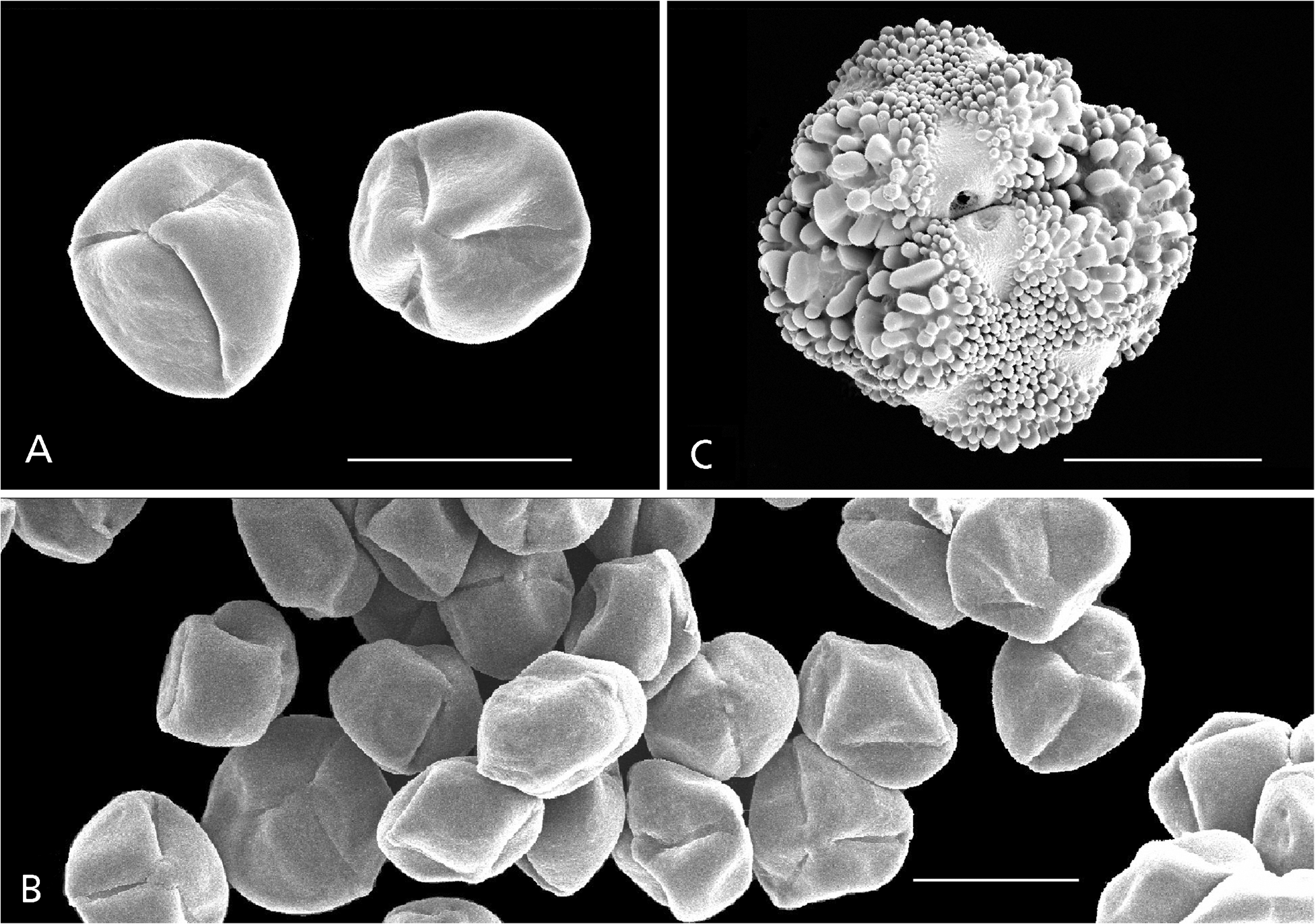
Dinizia jueirana-facao
species of plant

Mora oleifera
species of plant

Gymnocladus burmanicus
species of plant
Diptychandra
Diptychandra is a genus of flowering plants in the legume family, Fabaceae. It belongs to the subfamily Caesalpinioideae. It includes two species native to northern South America, ranging from Colombia to Bolivia, Paraguay, and southeastern Brazil.

Sclerolobium beaurepairei
species of plant
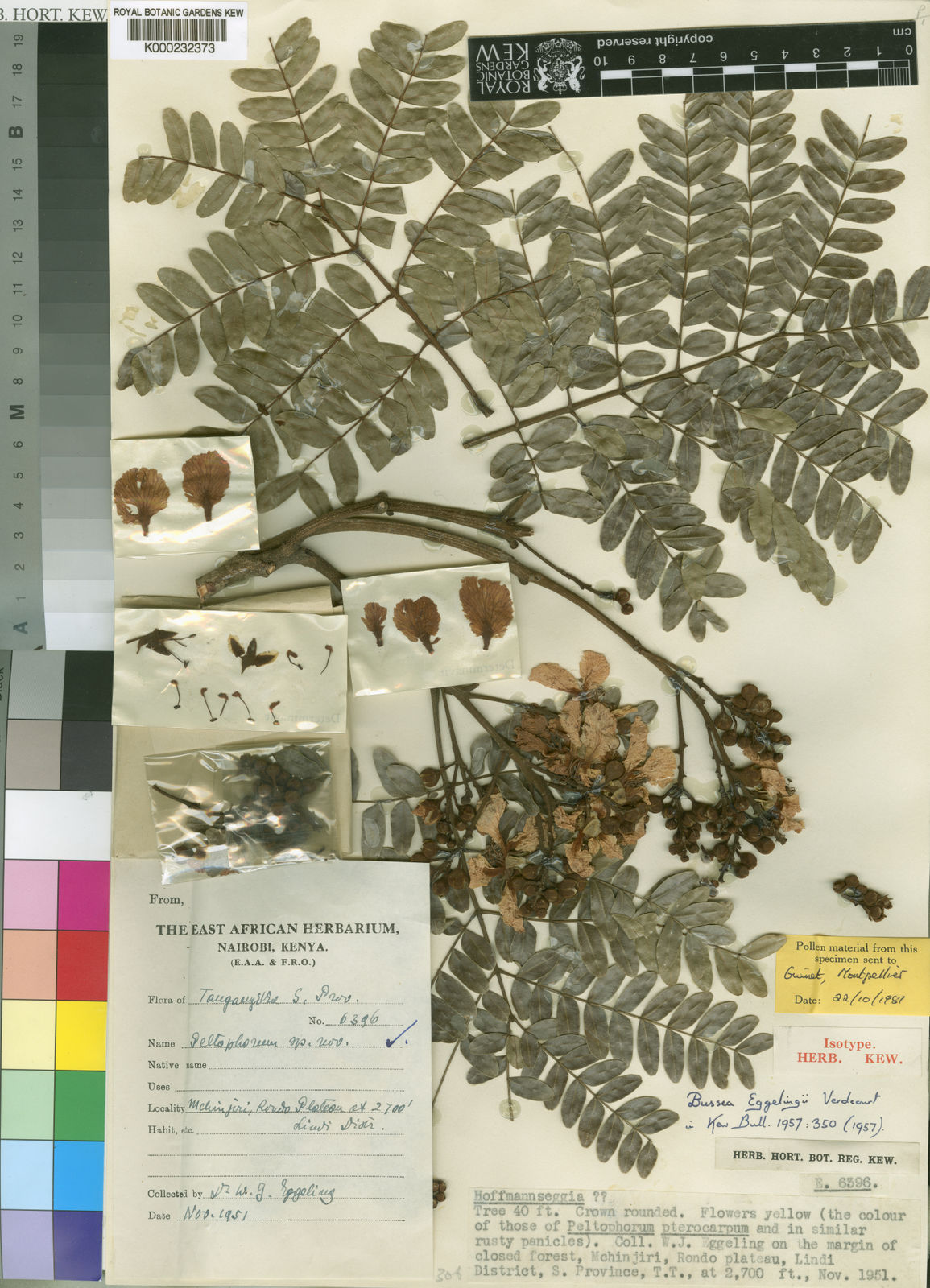
Bussea eggelingii
species of plant
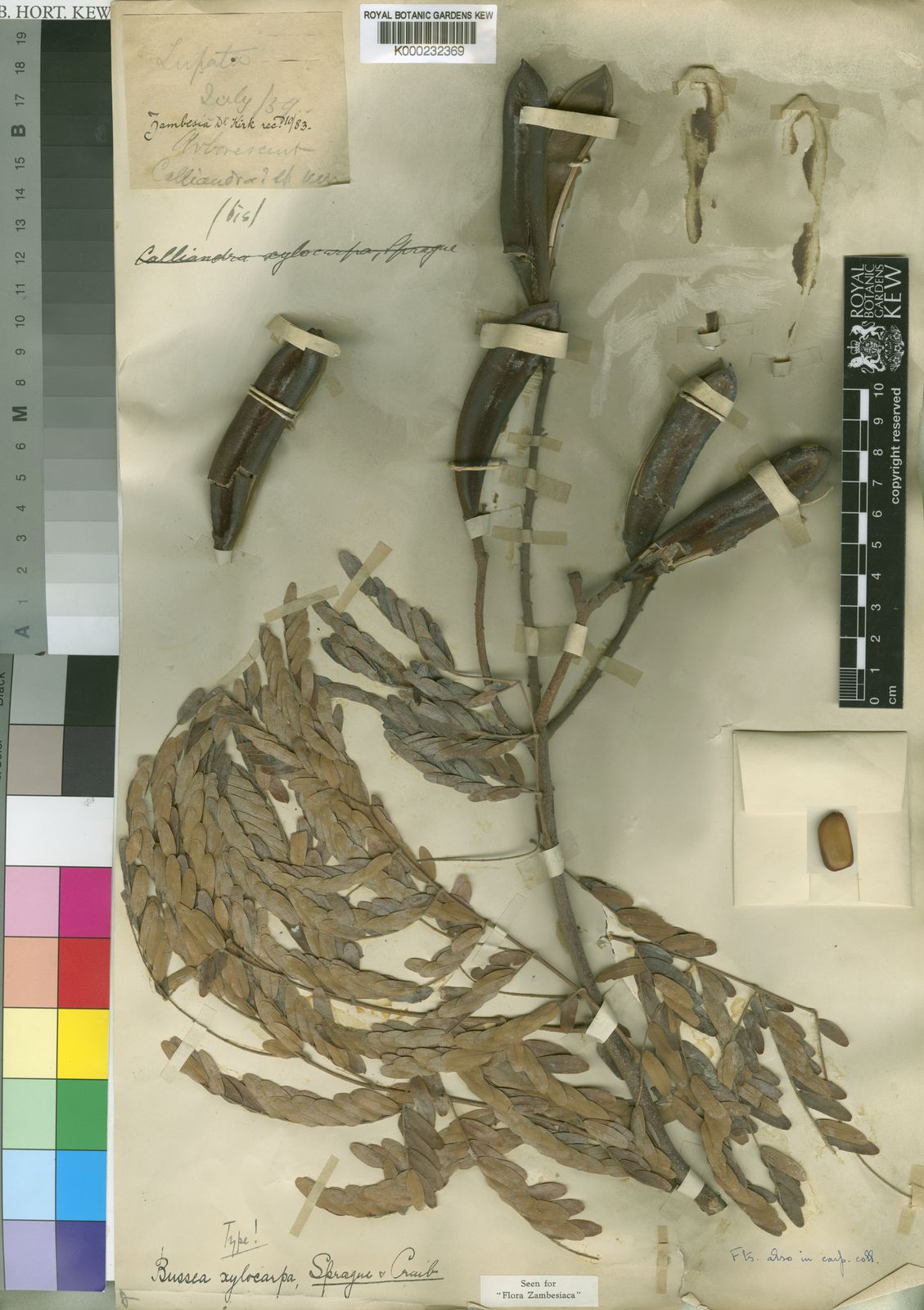
Bussea xylocarpa
species of plant
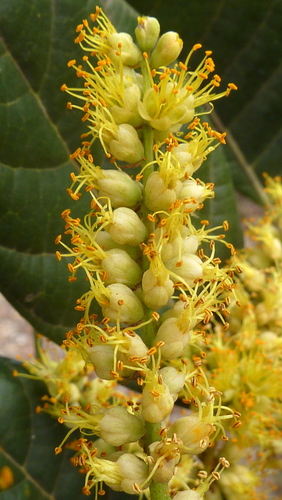
Tachigali densiflora
species of plant
Orphanodendron
Orphanodendron is a genus of legume in the legume family, Fabaceae. It includes two species of trees native to Colombia, which grow in tropical lowland forest. The genus is in subfamily Faboideae.
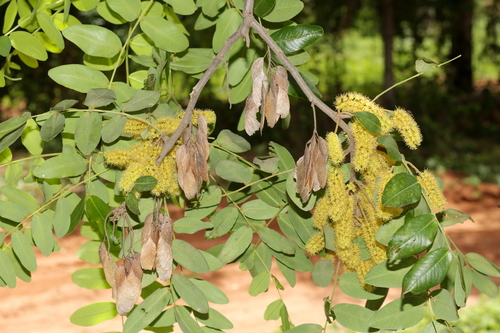
Pterogyne
Pterogyne is a monotypic genus in the legume family, Fabaceae, subfamily Caesalpinioideae. The sole species is Pterogyne nitens. Spanish common names include guiraró, palo coca, or tipa colorado. In Portuguese, it is commonly known as amendoim bravo, cocal or madeira nova. It is found in Brazil, Paraguay, Bolivia and Argentina. It is threatened by habitat loss and harvesting for timber.

Umtiza listeriana
Umtiza is a monotypic genus in the legume family Fabaceae containing the single species Umtiza listeriana. This tree is endemic to a small coastal portion of the Eastern Cape in South Africa.
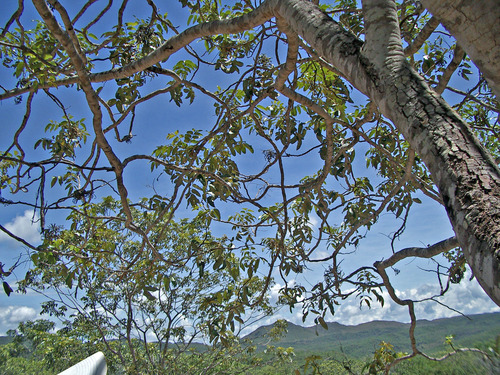
Tachigali vulgaris
species of plant