Category
page 1Canon law

canonization
Canonization is the declaration of a deceased person as an officially recognized saint, specifically, the official act of a Christian communion declaring a person worthy of public veneration and entering their name in the canon catalogue of saints, or authorized list of that communion's recognized saints.
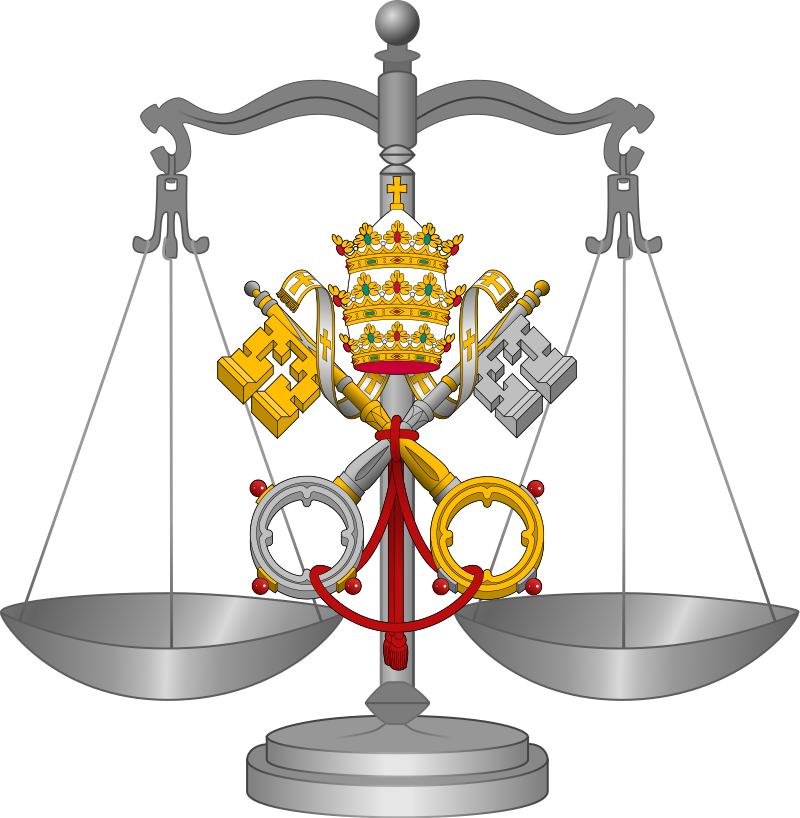
canon law
ordinances and regulations made by Church leadership for the government of a Christian organization or church and its members
ordinary
an officer of a church or civic authority who by reason of office has ordinary power to execute laws
ecclesiastical court
court having jurisdiction in Christian religious matters
secular clergy
deacons and priests who are not members of religious orders
Doctrine of the Two Swords
Medieval European doctrine that the church and the civil government yield two independent authorities over the world.
rector
ecclesiastical profession
defrocking
thumb | right | Defrocking of Patriarch Nikon of Moscow
Defrocking, unfrocking, degradation, or laicization of clergy is the removal of their rights to exercise the functions of the ordained ministry. It may be grounded on criminal convictions, disciplinary problems, or disagreements over doctrine or dogma; but may also be done at their request for personal reasons, such as running for civil office, taking over a family business, declining health or old age, desire to marry against the rules for clergy in a particular church, or an unresolved dispute. The form of the procedure varies according
ecclesiastical jurisdiction
legal authority of church leaders over other church members
canon
church law promulgated by a synod or ecumenical council or by an individual bishop