Category
page 1Capitals of Greek states
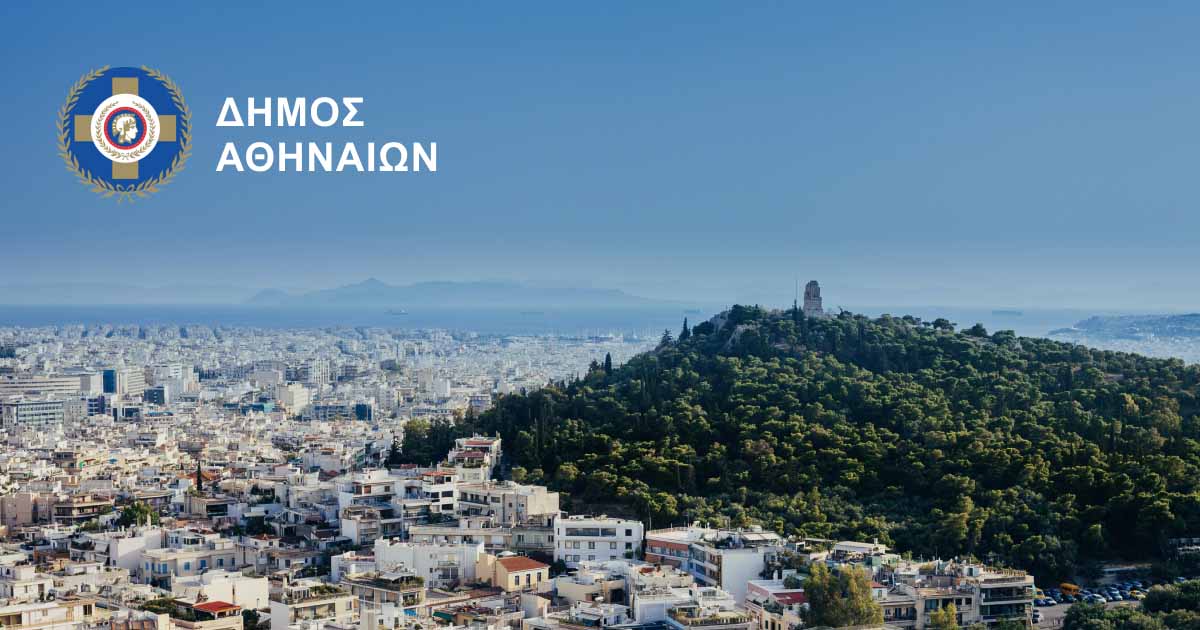
Athens
Athens is the capital and largest city of Greece. A significant coastal urban area in the Mediterranean, Athens is also the capital of the Attica region and is the southernmost capital on the European mainland. With its urban area's population numbering over 3.6 million, it is the eighth-largest urban area in the European Union (EU). The Municipality of Athens (also City of Athens), which constitutes a small administrative unit of the entire urban area, had a population of 643,452 in 2021, within its official limits, and a land area of .

Thessaloniki
Thessaloniki (; ; also known by various spellings and names) is a city in northern Greece. The nation's second-largest, with slightly over one million inhabitants in its metropolitan area, it is the capital of the geographic region of Macedonia, the administrative region of Central Macedonia and the Decentralized Administration of Macedonia and Thrace. It is also known in Greek as , literally "the co-capital", a reference to its historical status as the "co-reigning" city () of the Byzantine Empire alongside Constantinople.

Chania

Aegina
Aegina ( ; ) is one of the Saronic Islands of Greece in the Saronic Gulf, from Athens. Tradition derives the name from Aegina, the mother of the mythological hero Aeacus, who was born on the island and became its king. In classical antiquity Aegina was a powerful city-state and at one point a rival of Athens. In modern times Aegina is known for the temple of Aphaia, pistacho production, and the pilgrimage site of St. Nektarios. Many Athenians have established vacation homes in Aegina.

Q202337
thumb|View of the Nafplio Town Hall on Βασ. Κωνσταντίνου (Vasileos Konstantinou).
Nafplio or Nauplio () is a coastal city located in the Peloponnese in Greece. It is the capital of the regional unit of Argolis and an important tourist destination. Founded in antiquity, the city became an important seaport in the Middle Ages during the Frankokratia as part of the lordship of Argos and Nauplia, held initially by the de la Roche following the Fourth Crusade before coming under the Republic of Venice and, lastly, the Ottoman Empire. The city was the second capital of the First Hellenic Republic an

Corfu
capital of the Greek island and municipality of Corfu