Category
page 1Carcinogenesis
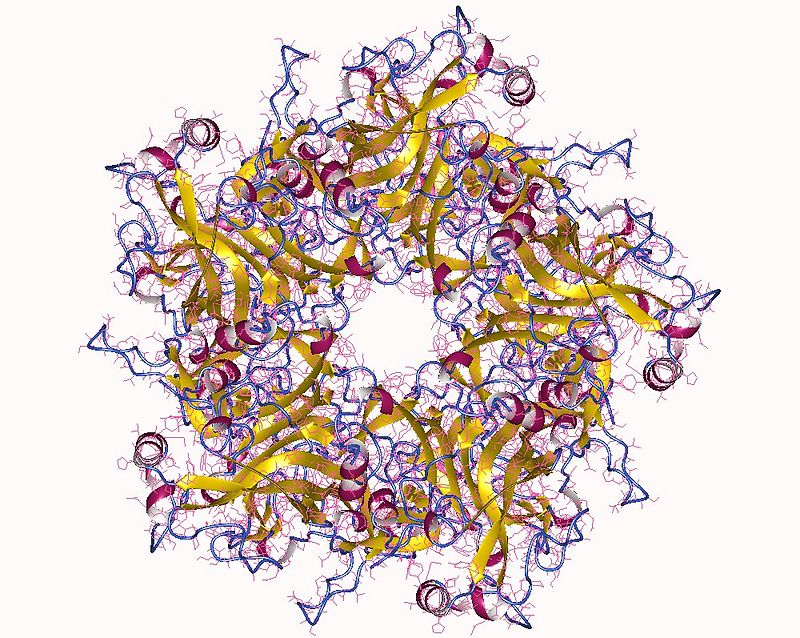
human papillomavirus infection
infection caused by the human papillomavirus (HPV)

carcinogen
A carcinogen () is any agent that promotes the development of cancer. Carcinogens can include synthetic chemicals, naturally occurring substances, physical agents such as ionizing and non-ionizing radiation, and biologic agents such as viruses and bacteria. Most carcinogens act by creating mutations in DNA that disrupt a cell's normal processes for regulating growth, leading to uncontrolled cellular proliferation. This occurs when the cell's DNA repair processes fail to identify DNA damage allowing the defect to be passed down to daughter cells. The damage accumulates over time. This is typica

oncogene
thumb|300px|Illustration of how a normal cell is converted to a cancer cell, when an oncogene becomes activated
An oncogene is a gene that has the potential to cause cancer. In tumor cells, these genes are often mutated, or expressed at high levels.
tumor suppressor gene
gene that inhibits expression of the tumorigenic phenotype

carcinogenesis
thumb|150px|right|Cancers and tumors are caused by a series of mutations. Each mutation alters the behavior of the cell somewhat.
Carcinogenesis, also called oncogenesis or tumorigenesis, is the formation of a cancer, whereby normal cells are transformed into cancer cells. The process is characterized by changes at the cellular, genetic, and epigenetic levels and abnormal cell division. Cell division is a physiological process that occurs in almost all tissues and under a variety of circumstances. Normally, the balance between proliferation and programmed cell death, in the form of apoptosis,
reactive oxygen species
highly reactive chemicals formed from oxygen

oncovirus
300px|thumb|upright=1.6|Percentage of people infected with hepatitis C in 2015. The [[hepatitis C virus is the cause of hepatitis C and some cancers such as liver cancer (hepatocellular carcinoma, abbreviated HCC) and lymphomas in humans.]]

genotoxicity
Genotoxicity is the property of chemical agents that damage the genetic information within a cell causing mutations, which may lead to cancer. While genotoxicity is often confused with mutagenicity, all mutagens are genotoxic, but some genotoxic substances are not mutagenic. The alteration can have direct or indirect effects on the DNA: the induction of mutations, mistimed event activation, and direct DNA damage leading to mutations. The permanent, heritable changes can affect either somatic cells of the organism or germ cells to be passed on to future generations. Cells prevent expression of
cancer cell
tumor cell
neoplastic stem cells
subset of cells in a neoplasm determining its future
Peto's paradox
biological observation of cancer rate not correlating with number of cells in an organism
Knudson hypothesis
hypothesis
Warburg hypothesis
Hypothesis explaining cancer
clonally transmissible cancer
Cancer capable of infecting other individuals
malignant transformation
process by which cells acquire the properties of cancer
DNA adducts
products of reactions that add extraneous groups to DNA
Helicobacter heilmannii
species of bacterium
M1G
M1G ('pyrimido[1,2-a]purin-10(3H)-one') is a heterocyclic compound which is a by-product of base excision repair (BER) of a specific type of DNA adduct called M1dG. The M1dG adduct in turn is formed by a condensation reaction between guanosine nucleotides in DNA and either malondialdehyde (propanedial) or acrolein. If not repaired, these adducts are mutagenic and carcinogenic.
cancer epidemiology
study of the extent of cancer spread
infectious causes of cancer
pathogens as a cause of cancer
co-carcinogen
A co-carcinogen is a chemical that promotes the effects of a carcinogen in the production of cancer. Usually, the term is used to refer to chemicals that are not carcinogenic on their own, such that an equivalent amount of the chemical is insufficient to initiate carcinogenesis. A chemical can be co-carcinogenic with other chemicals or with nonchemical carcinogens, such as UV radiation.
Tumor promotion
biological phenomenon whereby tumor growth is uninhibited or underinhibited
tumour heterogeneity
observation that different tumour cells can show distinct morphological and phenotypic profiles; phenomenon occurs both between tumours (inter-tumour heterogeneity) and within tumours (intra-tumour heterogeneity)