Category
page 1Carnivora genera

Lynx
A lynx ( ; : lynx or lynxes) is any of the four extant species (the Canada lynx, Iberian lynx, Eurasian lynx and the bobcat) within the medium-sized wild cat genus Lynx. The name originated in Middle English via Latin from the Greek word (), derived from the Indo-European root (, ), in reference to the luminescence of its reflective eyes.
%20(cropped).jpg)
Panthera
Panthera is a genus within the family Felidae, and one of two extant genera in the subfamily Pantherinae. It contains the largest living members of the cat family. There are five living species: the jaguar, leopard, lion, snow leopard and tiger. Numerous extinct species are also named, including the cave lion and American lion.
.png)
Canis
Canis is a genus of the Caninae which includes multiple extant species, such as wolves, dogs, coyotes, and golden jackals. Species of this genus are distinguished by their moderate to large size, their massive, well-developed skulls and dentition, long legs, and comparatively short ears and tails.

Vulpes
Vulpes is a genus of the subfamily Caninae. The members of this genus are colloquially referred to as true foxes, meaning they form a proper clade. The word "fox" occurs in the common names of all species of the genus, but also appears in the common names of other canid species. True foxes are distinguished from members of the genus Canis, such as domesticated dogs, wolves, jackals and coyotes, by their smaller size (5–11 kg), longer, bushier tail, and flatter skull. They have black, triangular markings between their eyes and nose, and the tip of their tail is often a different color from

Felis
Felis is a genus of small and medium-sized cat species native to most of Africa and south of 60° latitude in Europe and Asia to Indochina. The genus includes the domestic cat. The smallest of the seven Felis species is the black-footed cat with a head and body length from . The largest is the jungle cat with a head and body length from .

Ursus
genus of mammals

Procyon
genus of mammals

Neofelis
Neofelis is a genus comprising two extant species of cat in Southeast Asia: the clouded leopard (Neofelis nebulosa) of mainland Asia, and the Sunda clouded leopard (Neofelis diardi) of Sumatra and Borneo.
-8.jpg)
Leopardus
Leopardus is a genus comprising eight species of small cats native to the Americas. This genus is considered the oldest branch of a genetic lineage of small cats in the Americas whose common ancestor crossed the Bering land bridge from Asia to North America in the late Miocene.

Puma
genus of mammals

Lutra
Lutra is a genus of otters, one of seven in the subfamily Lutrinae.

Prionailurus
Prionailurus is a genus of spotted, small wild cats native to Asia. Forests are their preferred habitat; they feed on small mammals, reptiles and birds, and occasionally aquatic wildlife.

Catopuma
Catopuma is a genus of the Felidae containing two small cat species native to Southeast Asia, the Asian golden cat (C. temminckii) and the bay cat (C. badia).
Both cats have similar pelage, with solid reddish brown coloration on their backs and darker markings on the head. They also exhibit colour morphs ranging from various browns to gray to black. The Asian golden cat occurs from northeast India to Sumatra, and the bay cat lives only on Borneo. Both inhabit forested areas.

Phoca
Phoca ( ) is a genus of the earless seals, (Phocidae). It now contains just two species, the common seal (or harbour seal) and the spotted seal (or largha seal). Several species formerly listed under this genus have been split into the genera Pusa, Pagophilus, and Histriophoca. Until recently, Phoca largha has been considered a subspecies of Phoca vitulina but now is considered its own species. For this reason, the fossil history of the genus is unclear, and it has formerly been used as wastebasket taxon for a number of fossils of uncertain affinity.

Viverra
Viverra is a mammalian genus that was first named and described by Carl Linnaeus in 1758 as comprising several species including the large Indian civet (V. zibetha). The genus was subordinated to the viverrid family by John Edward Gray in 1821.

Meles
genus of badgers

Urocyon
Urocyon (Greek: "tailed dog") is a genus of Canidae which includes the gray fox (Urocyon cinereoargenteus) and the island fox (Urocyon littoralis). These two fox species are found in the Western Hemisphere. Whole genome sequencing indicates that, among living canids, Urocyon is sister to the remaining genera. Fossils of what is believed to be the ancestor of the gray fox, Urocyon progressus, have been found in Kansas and date to the Upper Pliocene, with some undescribed specimens dating even older.

Nasua
Nasua is a genus of coatis of the family Procyonidae. Two additional species of coatis, commonly known as mountain coatis, are placed in the genus Nasuella.

Galictis
A grison (, ) is any mustelid in the genus Galictis. Native to Central and South America, the genus contains two extant species: the greater grison (Galictis vittata), which is found widely in South America, through Central America to southern Mexico; and the lesser grison (Galictis cuja), which is restricted to the southern half of South America.

Herpestes
Herpestes is a genus within the mongoose family Herpestidae. It is the type genus of the family, and comprises five extant species, each with several subspecies. Several species in the family are known as slender mongooses.
Fossil remains of three prehistoric species were excavated in France, and described in 1853.

Lontra
Lontra is a genus of otters from the Americas.

Caracal
genus of mammals

Acinonyx
Acinonyx is a genus that is within the Felidae family, also known as the cat family. The only living species of the genus and most commonly known, the cheetah (A. jubatus) inhabits the open grasslands of Africa and Asia along with parts of Iran. This genus represents a highly adapted lineage within the felids, which specialize in speed and open-terrain hunting. Evidence suggest the Acinonyx genus evolved from other feline ancestors early on, to become specialized in stealth and running.

Pusa
Pusa is a genus of the earless seals, within the family Phocidae. The three species of this genus were split from the genus Phoca, and some sources still give Phoca as an acceptable synonym for Pusa.
Paradoxurus
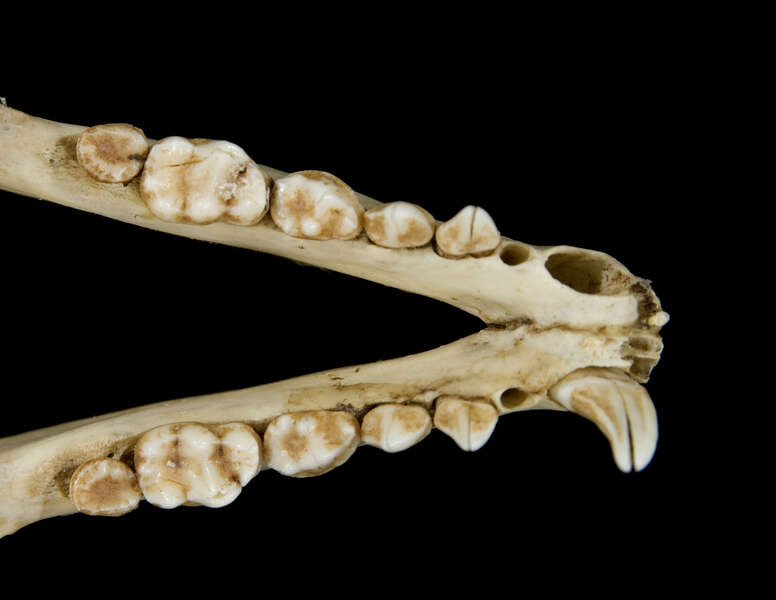
Paradoxurus is a genus of three palm civets within the viverrid family that was denominated and first described by Frédéric Cuvier in 1822.
The Paradoxurus species have a broad head, a narrow muzzle with a large rhinarium that is deeply sulcate in the middle. Their large ears are rounded at the tip. The tail is nearly as long as the head and body.
Bassaricyon
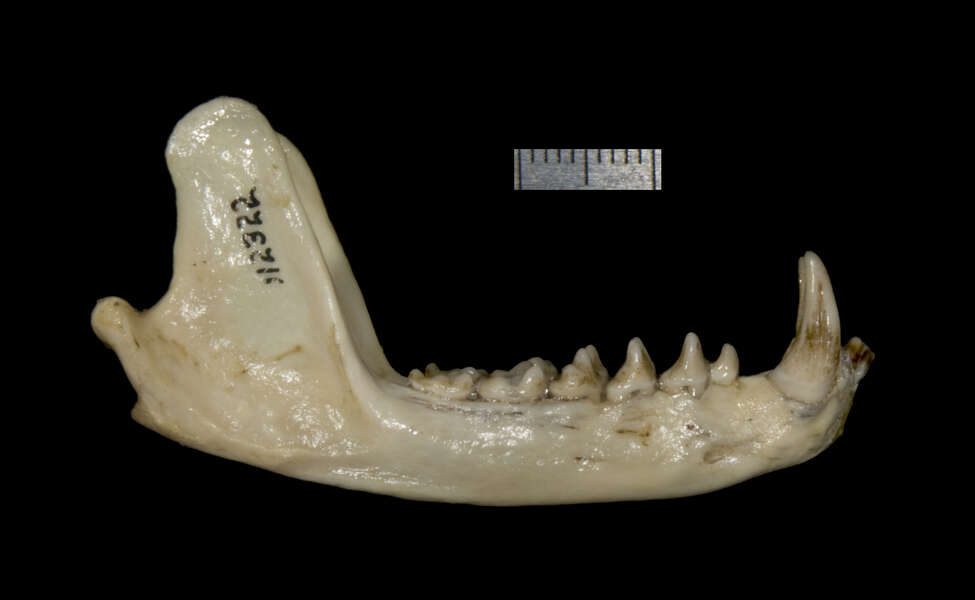
The genus Bassaricyon consists of small Neotropical procyonids, popularly known as olingos (), relatives of the raccoon. They are native to the rainforests of Central and South America from Nicaragua to Peru. They are arboreal and nocturnal, and live at elevations from sea level to . Olingos closely resemble another procyonid, the kinkajou, in morphology and habits, though they lack prehensile tails and extrudable tongues, have more extended muzzles, and possess anal scent glands. However, the two genera are not sisters. They also resemble galagos and certain lemurs.

Arctocephalus
The genus Arctocephalus consists of the southern fur seals. Arctocephalus translates to "bear head".

Aonyx
Aonyx is a genus of otters, containing three species, the African clawless otter, the Congo clawless otter, and the Asian small-clawed otter.
The word aonyx means "clawless", derived from the prefix a- ("without") and onyx ("claw/hoof").
Poiana
genus of mammals
.jpg)
Ailuropoda
Ailuropoda is the only extant genus in the ursid (bear) subfamily Ailuropodinae. It contains one living and one or more fossil species of panda.
Mephitis
genus of mammals

Nyctereutes
Nyctereutes ( [] 'night' + [] 'wanderer') is a genus of Asian canid with two extant species, the raccoon dogs: the common raccoon dog (Nyctereutes procyonoides) and the Japanese raccoon dog (Nyctereutes viverrinus).
.jpg)
Zalophus
Zalophus is a genus of the family Otariidae (sea lions and fur seals) of the order Carnivora.

Bassariscus
Bassariscus is a genus in the family Procyonidae. There are two extant species in the genus: the ringtail or ring-tailed cat (B. astutus) and the cacomistle (B. sumichrasti). Genetic studies have indicated that the closest relatives of Bassariscus are raccoons, from which they diverged about 10 million years ago in the Tortonian Age of the Miocene. The two lineages of Bassariscus are thought to have separated after only another two million years, making it the extant procyonid genus with the earliest diversification. Later diversification in the genus in the Pliocene and Pleistocene saw the em

Galidictis
Galidictis is a genus in the subfamily Galidiinae of the family Eupleridae: a group of carnivorans that are endemic to Madagascar.
Salanoia
Salanoia is a genus of euplerid carnivoran with two currently described species found in Madagascar. They are mongoose-like, which is reflected in the older versions of their English names, for example brown-tailed mongoose which is now called brown-tailed vontsira. The name Salanoia is derived from salano, one of the vernacular names for Salanoia concolor.
%20(white%20background).jpg)
Tremarctos
Tremarctos is a genus of the monophyletic bear subfamily Tremarctinae, endemic to Americas from the Pliocene to recent. The northern species, the Florida short-faced bear (T. floridanus), went extinct in the Late Pleistocene. The sole living Tremarctos species is the South American spectacled bear (T. ornatus). Tremarctos is also the only living genus under the Tremarctinae subfamily, with the other short-faced bears (Plionarctos, Arctodus, and Arctotherium) all being extinct.

Cryptoprocta
Cryptoprocta is a genus of carnivoran endemic to Madagascar. It contains the living fossa and its larger, recently extinct relative, the giant fossa. The fossas are the largest of Madagascar's mammalian carnivores.
.jpg)
Lupulella
Lupulella is a genus of canine found in Africa. This genus consists of only two extant species, the black-backed jackal (Lupulella mesomelas) and the side-striped jackal (Lupulella adusta).

Lycaon
genus of mammals
.jpg)
Speothos
thumb|Speothos venaticus
Speothos is a genus of canid found in Central and South America. The genus includes the living bush dog, Speothos venaticus, and an extinct Pleistocene species, Speothos pacivorus. Unusually, the fossil species was identified and named before the extant species was discovered, with the result that the type species of Speothos is S. pacivorus. S. pacivorus had a larger overall body size and a double-rooted second lower molar. It has been proposed that Speothos originated in the Brazilian highlands sometime during the Pleistocene.
Dusicyon
Dusicyon is an extinct genus of South American canids.
.jpg)
Neomonachus
Neomonachus is a genus of earless seals, within the family Phocidae. It comprises two species: the endangered Hawaiian monk seal, and the extinct Caribbean monk seal. Prior to 2014, all three species of monk seals were placed in the genus Monachus, but that was found to be paraphyletic.
Lutrogale
Lutrogale was proposed as generic name by John Edward Gray in 1865 for otters with a convex forehead and nose, using the smooth-coated otter L. perspicillata as type species.

Crocuta
Crocuta is a genus of hyena containing the largest extant member of the family, the spotted hyena (Crocuta crocuta). Several fossil species are also known, with the Pleistocene Eurasian cave hyenas either being regarded as distinct species or subspecies of the spotted hyena.

Mellivora
Mellivora is a genus of mustelids which contains the honey badger, or ratel (Mellivora capensis), the sole living representative of the subfamily Mellivorinae. Additionally, two extinct species are known. The honey badger is native to much of Africa and South Asia, while fossil relatives occurred in those areas and Southern Europe.

Urva
genus of mammals
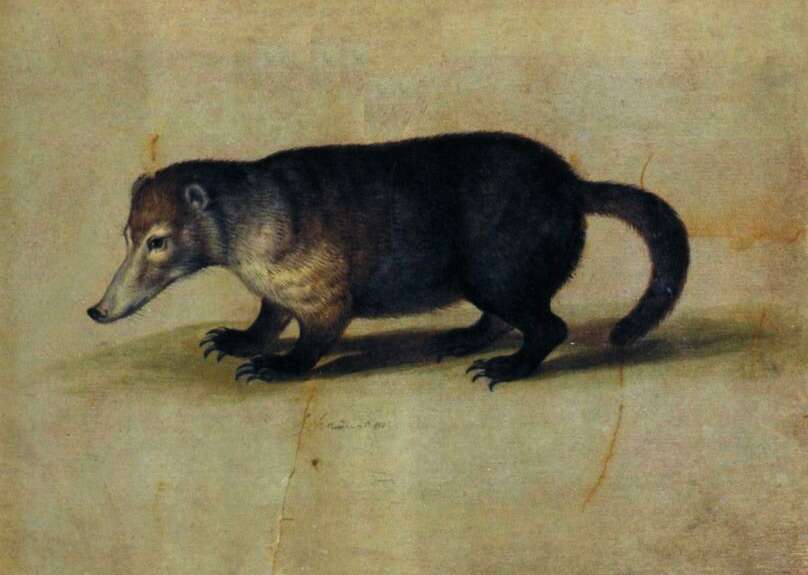
Nasuella
Mountain coatis are two species of procyonid mammals from the genus Nasuella. Unlike the larger coatis from the genus Nasua, mountain coatis only weigh and are endemic to the north Andean highlands in South America.

Enhydra
Enhydra is a genus of mustelid that contains the sea otter and two extinct relatives. It is the only extant genus of the bunodont otters group, referring to otters with non-blade carnassials with rounded cusps.
Suricata
Suricata is a genus of mongoose that is endemic to Africa. The oldest species known is the extinct Suricata major that lived about 1.8 million years ago in South Africa. The only species alive is the meerkat (Suricata suricatta).

Gulo
Gulo is a genus of carnivoran mammals in the family Mustelidae. It contains one extant species, the wolverine (G. gulo), as well as several extinct ones. Fossil evidence suggests that this genus appeared in North America and later spread to Eurasia during the Pliocene. Diagnostic traits include a strongly reduced P2, a robust P4 with three roots, and upper molars smaller than in other gulonines. Overall, the teeth are adapted for hypercarnivory.
Civettictis
Civettictis is a genus of viverrid that contains the extant African civet (Civettictis civetta) and a recently described extinct relative from the Plio-Pleistocene of South Africa known as Civettictis braini.
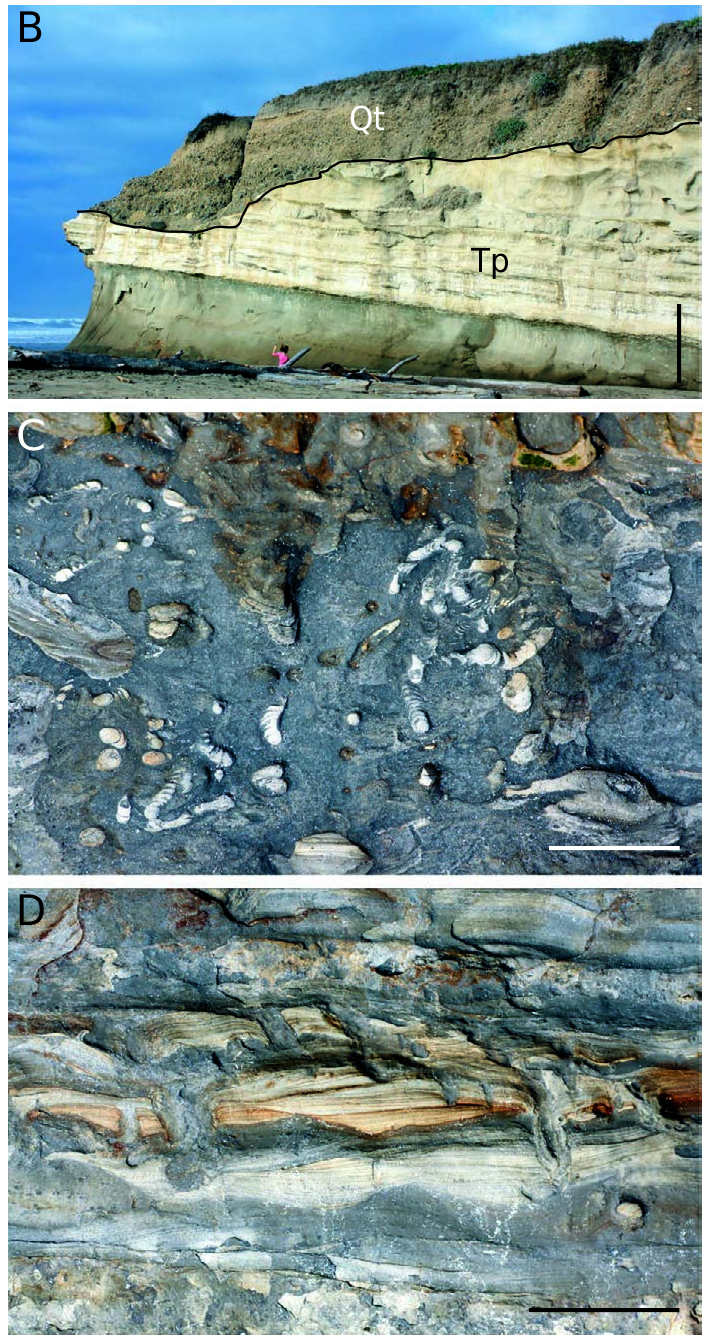
Callorhinus
Callorhinus is a genus of fur seal. It contains the living northern fur seal (Callorhinus ursinus) as well as the extinct Callorhinus gilmorei and an unnamed species, both from the Pliocene and very beginning of the Pleistocene.
Proteles
Proteles is a genus of distinctive hyenas which contain the aardwolf (Proteles cristatus) and its close fossil relatives. It is the only extant genus of the subfamily Protelinae.
Neophoca
Neophoca is a genus of the family Otariidae (sea lions and fur seals) of order Carnivora. It is combined by some taxonomists with the genus Phocarctos, the (extant) New Zealand sea lion.
Atilax
Atilax is a genus of mongoose containing a single living species, the marsh mongoose (Atilax paludinosus). A single fossil species probably ancestral to the marsh mongoose is also known from South Africa.
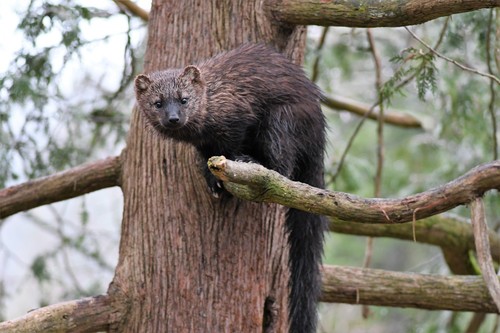
Pekania
Pekania is a genus of mustelid that contains a single living species, the fisher (Pekania pennanti). Formerly placed in the genus Martes, it was determined to be distinct enough to be placed within its own genus. A 2013 study also identified several fossil species formerly in Martes that are more closely related – and probably ancestral – to the fisher, moving them into Pekania as well.
Vormela
Vormela is a genus of mustelid which contains the marbled polecat (Vormela peregusna), and at least one extinct species.
Parahyaena
Parahyaena is a genus of hyenas that contains the extant brown hyena (Parahyaena brunnea). Parahyaena howelli, an early member of this genus, has been dated to approximately 4 million years ago.