Category
page 1Cave shrimp

Alabama cave shrimp
species of crustacean

Palaemonetes antrorum
species of crustacean
Kentucky cave shrimp
species of crustacean
Palaemonias
The genus Palaemonias comprises two species of endangered, albinistic, obligate cave shrimp:
Alabama cave shrimp – Palaemonias alabamae Smalley, 1961
Kentucky cave shrimp – Palaemonias ganteri Hay, 1901
Parhippolyte
Parhippolyte is a genus of cave dwelling decapod crustaceans, known as cave shrimps from the family Barbouriidae The type species Parhippolyte uveae was described in 1900 by the English carcinologist Lancelot Alexander Borradaile from specimens collected in the south western Pacific by Arthur Willey. As their vernacular name of cave shrimp suggests these species are generally found in marine caves as well as anchialine ponds and lagoons.

Palaemonetes cummingi
species of crustacean
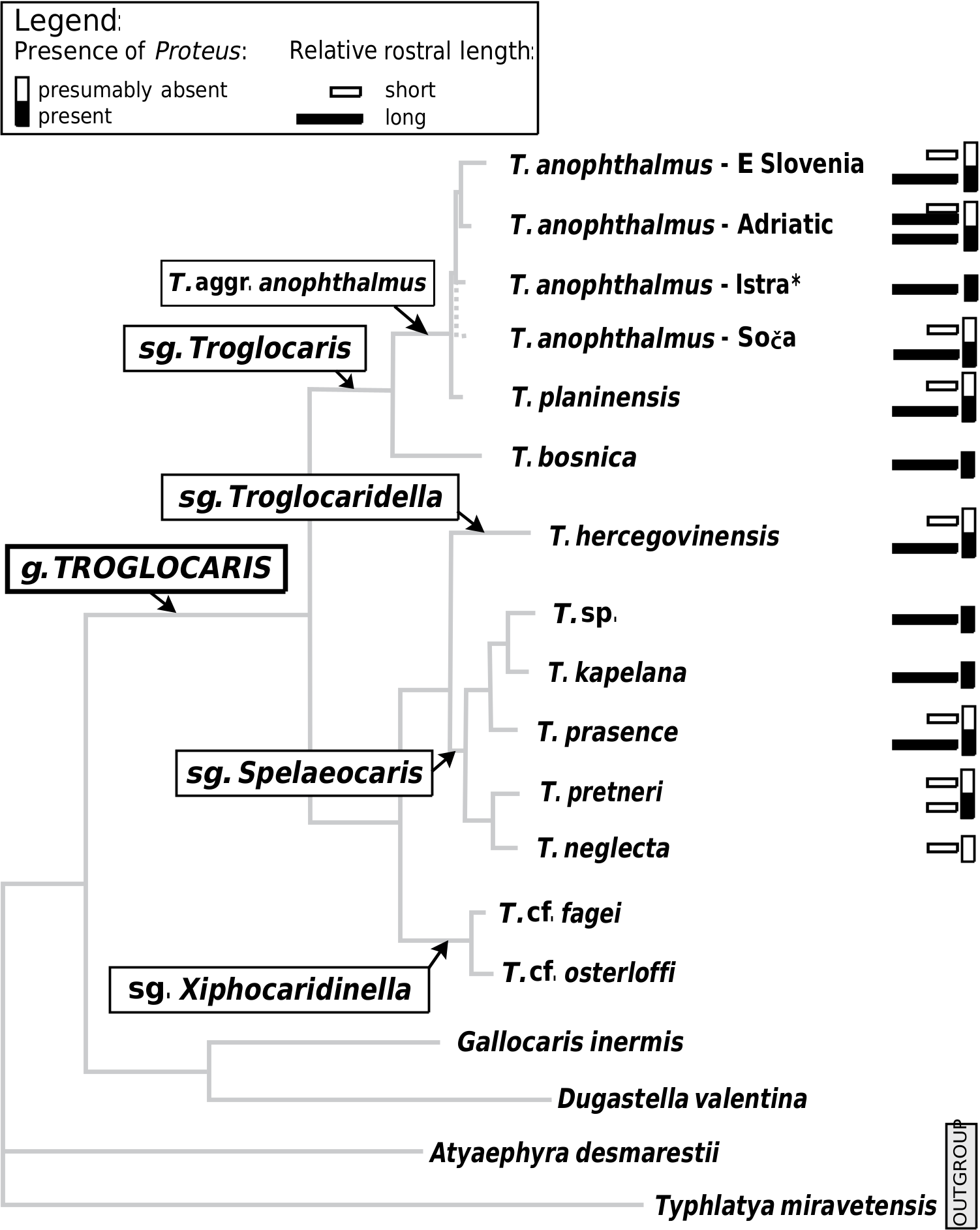
Troglocaris
Troglocaris is a genus of freshwater shrimp in the family Atyidae. These stygobitic, whitish and eyeless shrimp are found in Southern Europe (Dinaric Alps and West Caucasus). Although locally very common, the small ranges of the individual species make them highly vulnerable to habitat loss, for example by water extraction. Their underground habitat is often extremely stable; for example, the Vipavska jama cave in Slovenia is home to a population of T. anophthalmus, and its water only varies from in the winter to in the summer. In some Dinaric caves, notably Vjetrenica, as many as three specie
Typhlocaris
Typhlocaris is a genus of blind cave-dwelling shrimp, placed in its own family, Typhlocarididae. It contains 4 species:
Typhlocaris ayyaloni
species of Malacostraca
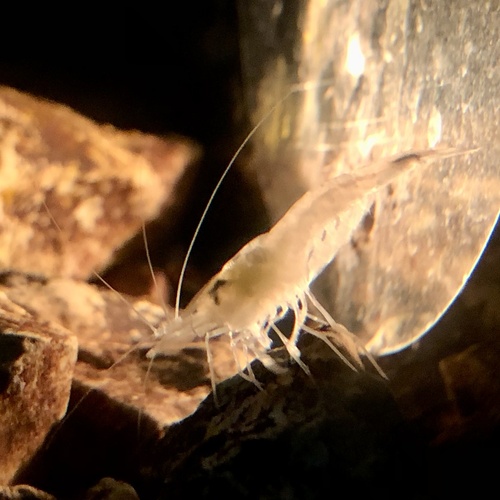
Troglocaris anophthalmus
species of crustaceans
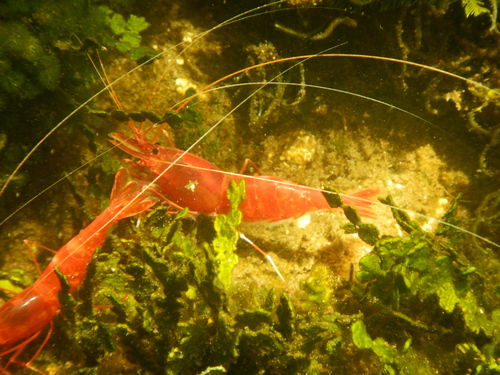
Parhippolyte uveae
species of crustacean

Typhlocaris galilea
species of troglobitic shrimp
Stygiocaris
Stygiocaris is a genus of shrimp from caves in the North West Cape and Barrow Island, Western Australia.