Category
page 1Censored books

The Communist Manifesto
1848 publication written by Karl Marx and Friedrich Engels

Nineteen Eighty-Four
1949 dystopian social science fiction novel by George Orwell

Talmud
thumb|The Talmud on display in the Jewish Museum of Switzerland brings together parts from the first two Talmud prints by [[Daniel Bomberg and Ambrosius Froben.|250x250px]]

Animal Farm
1945 novella by George Orwell

Mein Kampf
autobiographical manifesto by the National Socialist leader Adolf Hitler

Frankenstein
Frankenstein; or, The Modern Prometheus is an 1818 Gothic novel written by English author Mary Shelley. Frankenstein tells the story of Victor Frankenstein, a young scientist who creates a sapient creature from different body parts in an unorthodox scientific experiment. Shelley started writing the story when she was 18 and staying in Bath, and the first edition was published anonymously in London on 1 January 1818, when she was 20. Her name first appeared in the second edition, which was published in Paris in 1821.

The Da Vinci Code
2003 novel by Dan Brown
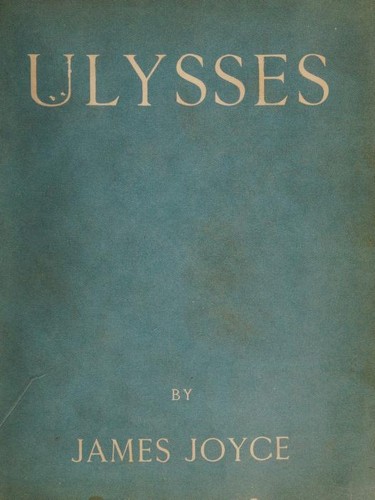
Ulysses
1922 novel by James Joyce
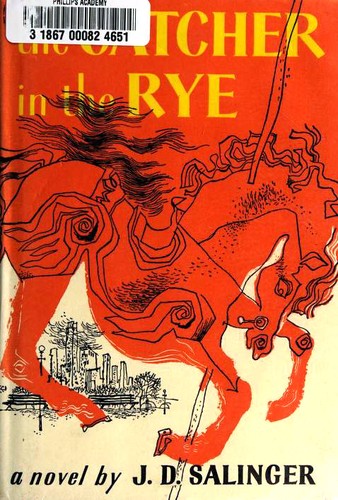
The Catcher in the Rye
1951 novel by J. D. Salinger

Diary of Anne Frank
famous diary of a 13-year old Dutch Jewish girl hiding from the Nazis to escape the Holocaust

The Master and Margarita
novel by Mikhail Bulgakov

The Decameron
14th-century collection of stories by Giovanni Boccaccio

Lolita
Lolita is a 1955 novel written by Russian and American novelist Vladimir Nabokov. The protagonist and narrator is a French literature professor who moves to New England and writes under the pseudonym Humbert Humbert. He details his obsession with and victimization of a 12-year-old girl, Dolores Haze, whom he describes as a "nymphet". Humbert kidnaps and sexually abuses Dolores after becoming her stepfather. Privately, he calls her "Lolita", the Spanish diminutive for Dolores. The novel was written in English, but fear of censorship in the U.S. (where Nabokov lived) and Britain led to it being

Madame Bovary
novel by Gustave Flaubert (1857)

Adventures of Huckleberry Finn
1884 novel by Mark Twain
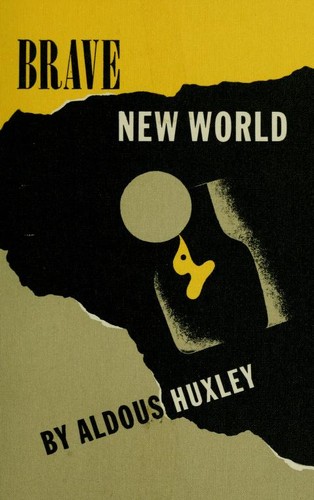
Brave New World
1932 novel by Aldous Huxley
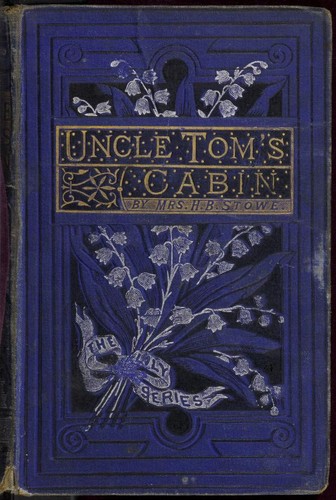
Uncle Tom's Cabin
1852 novel by Harriet Beecher Stowe

The Canterbury Tales
collection of stories written in Middle English by Geoffrey Chaucer

The Protocols of the Elders of Zion
antisemitic hoax text
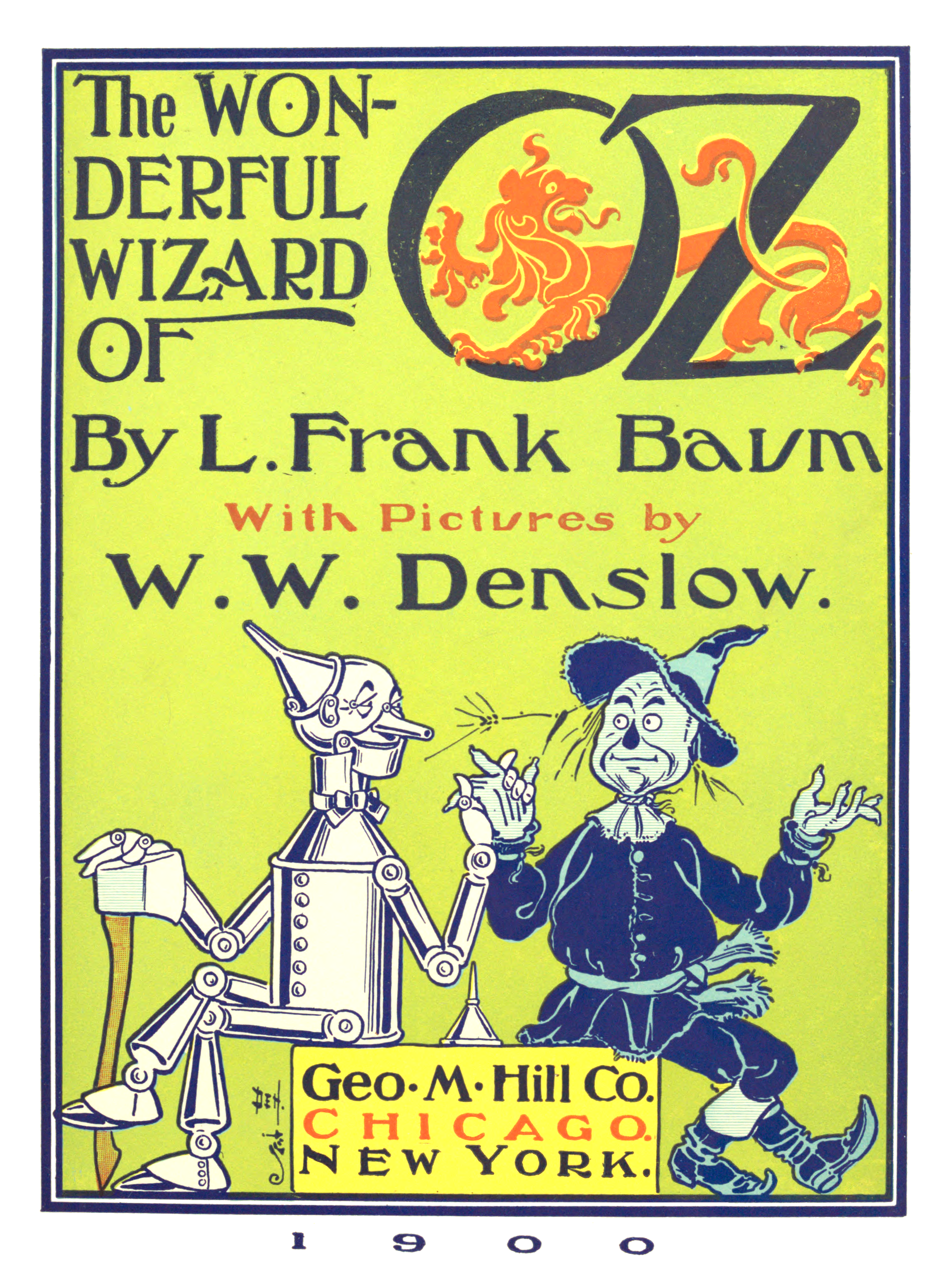
The Wonderful Wizard of Oz
The Wonderful Wizard of Oz is a 1900 children's fantasy novel written by author L. Frank Baum and illustrated by W. W. Denslow. It is the first novel in the Oz series of books. A Kansas farm girl named Dorothy ends up in the magical Land of Oz after she and her pet dog Toto are swept away from their home by a cyclone. Upon her arrival in the magical world of Oz, she learns she cannot return home until she has destroyed the Wicked Witch of the West.

All Quiet on the Western Front
1929 novel by Erich Maria Remarque

For Whom the Bell Tolls
1940 novel by Ernest Hemingway

Encyclopédie
The , better known as the Encyclopédie (), was a general encyclopedia published in France between 1751 and 1772, with later supplements, revised editions, an index, and translations. It had many contributors, known among contemporaries as the Encyclopédistes. It was edited by Denis Diderot and, until 1759, co-edited by Jean le Rond d'Alembert.

Candide
' ( , ) is a French satire written by Voltaire, a philosopher of the Age of Enlightenment, first published in 1759. The novella has been widely translated, with English versions titled Candide: or, All for the Best (1759); Candide: or, The Optimist (1762); and Candide: Optimism''''' (1947). A young man, Candide, lives a sheltered life in an Edenic paradise, being indoctrinated with Leibnizian optimism by his mentor, Professor Pangloss. This lifestyle is abruptly ended, followed by Candide's slow and painful disillusionment as he witnesses and experiences great hardships in the world. Voltaire

The Grapes of Wrath
1939 novel by John Steinbeck
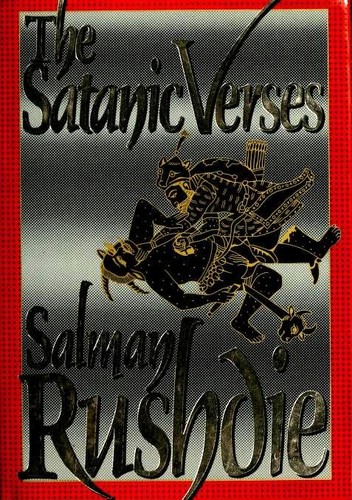
The Satanic Verses
1988 novel by Salman Rushdie

A Farewell to Arms
1929 novel by Ernest Hemingway

The Gulag Archipelago
1973 essay by Aleksandr Solzhenitsyn

The Second Sex
essay by Simone de Beauvoir

Doctor Zhivago
1957 historical novel by Boris Pasternak
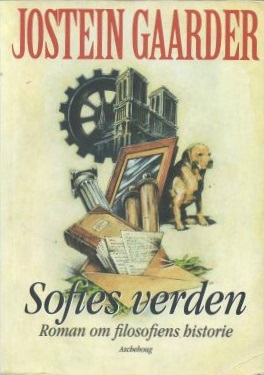
Sophie's World
1991 novel by Jostein Gaarder
%20dust%20jacket%2C%20first%20edition.jpg)
Catch-22
Catch-22 is a satirical war novel by American author Joseph Heller. It was his debut novel. He began writing it in 1953; the novel was first published in 1961. Often cited as one of the most significant novels of the 20th century, it uses a distinctive non-chronological third-person omniscient narration, describing events from the points of view of different characters. The separate storylines are out of sequence so the timeline develops along with the plot.

A Clockwork Orange
1962 novel by Anthony Burgess

Demons
novel by Fyodor Dostoyevsky
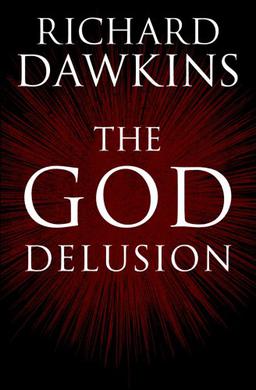
The God Delusion
book by Richard Dawkins
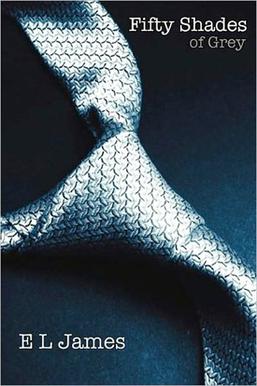
Fifty Shades of Grey
2011 erotic romance novel by E.L. James
.jpg)
Slaughterhouse-Five
'''''Slaughterhouse-Five, or, The Children's Crusade: A Duty-Dance with Death''''' is a 1969 semi-autobiographic science fiction–infused anti-war novel by Kurt Vonnegut. It follows the life experiences of Billy Pilgrim, from his early years, to his time as an American soldier and chaplain's assistant during World War II, to the post-war years. Throughout the novel, Billy frequently travels back and forth through time. The protagonist deals with a temporal crisis as a result of his post-war psychological trauma. The text centers on Billy's capture by the German Army and his survival of the Alli

Lysistrata
Lysistrata ( or ; Attic Greek: , Lysistrátē, ) is an ancient Greek comedy by Aristophanes, first staged in early 411 BCE at Lenaea festival in classical Athens. The play is a comic account of a woman's – Lysistrata's – mission to end the Peloponnesian War between Greek city states by denying sex from all the men of warring parties and occupying the Acropolis of Athens. Lysistrata persuades the women of the warring cities to engage in a sex strike as a means of forcing the men to negotiate peace – a strategy that inflames the battle between the sexes.

The Satanic Bible
religious text of Satanism

Ethics
philosophical treatise written by Benedictus de Spinoza

Emile, or On Education
1762 essay by Jean-Jacques Rousseau

We
1924 novel by Yevgeny Zamyatin

Mat'
1907 novel by Maxim Gorky

Flowers for Algernon
short story by Daniel Keyes, later expanded into a novel
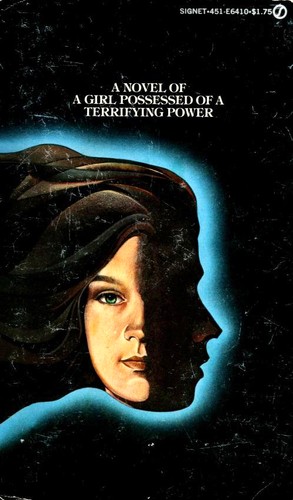
Carrie
1974 novel by Stephen King

The Spirit of the Laws
1748 treatise on political theory first published anonymously by Charles-Louis de Secondat, baron de Montesquieu

One Day in the Life of Ivan Denisovich
1962 novel by Alexander Solzhenitsyn
Persepolis
2000–2003 French-language graphic novel series by Marjane Satrapi

Tess of the d'Urbervilles
1891 novel by Thomas Hardy
Tropic of Cancer
1934 novel by Henry Miller
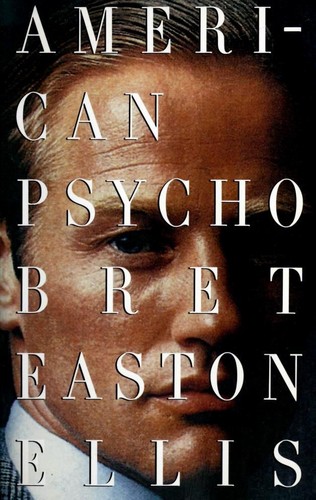
American Psycho
1991 novel by Bret Easton Ellis

The 120 Days of Sodom
1785 novel by Marquis de Sade

Fanny Hill
1748 novel by John Cleland
The Kreutzer Sonata
novella by Leo Tolstoy
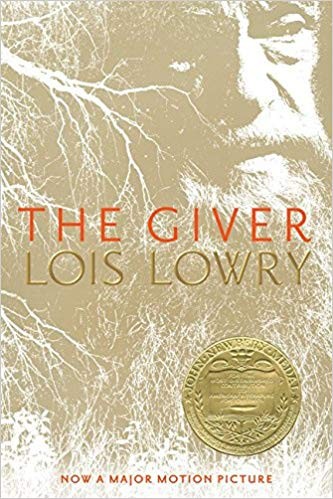
The Giver
1993 novel by Lois Lowry

Areopagitica
right|thumb|Des Wilson in 1987 as president of the Liberal Party, holding as symbol of his office a copy of Areopagitica
'''''Areopagitica; A speech of Mr. John Milton for the Liberty of Unlicenc'd Printing, to the Parlament of England''' is a 1644 prose polemic by the English poet, scholar, and polemical author John Milton opposing licensing. Areopagitica'' is among history's most influential and impassioned philosophical defences of the principle of a right to freedom of speech and expression. Many of its expressed principles have formed the basis for modern justifications of that right.

The Joke
novel by Milan Kundera

The Perks of Being a Wallflower
1999 coming-of-age epistolary novel
Pensées
thumb|Second edition of Blaise Pascal's , 1670
The '''' (Thoughts'') is a collection of fragments written by the French 17th-century philosopher and mathematician Blaise Pascal. Pascal's religious conversion led him into a life of asceticism, and the was in many ways his life's work. It represented Pascal's defense of the Christian religion, and the concept of "Pascal's wager" stems from a portion of this work.
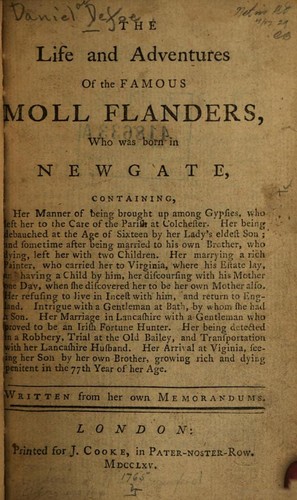
Moll Flanders
novel by Daniel Defoe