Category
page 1Ceres (mythology)
Ceres
Roman goddess of agriculture

The Tempest
play by William Shakespeare

flamen
A ' (plural, ') was a specific type of priest ("sacerdos") in the ancient Roman religion and one of the oldest classes of the Roman priesthood, with origins likely predating the Republican era. These flamines, of which there were fifteen, were high-ranking members of the College of Pontiffs who administered and oversaw the various cults of the state-sponsored religion, both collectively and individually. The most important of these were the three ("major priests"), who each served one of the gods of the Archaic Triad: Jupiter, Mars, and Quirinus. The remaining twelve ("lesser priests") served
Dea Dia
goddess of fertility and growth in ancient Roman religion
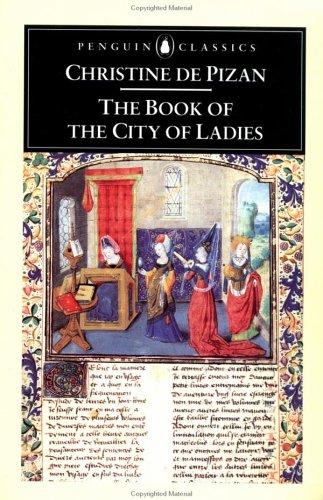
The Book of the City of Ladies
novel by Christine de Pizan
.jpg)
Cerealia
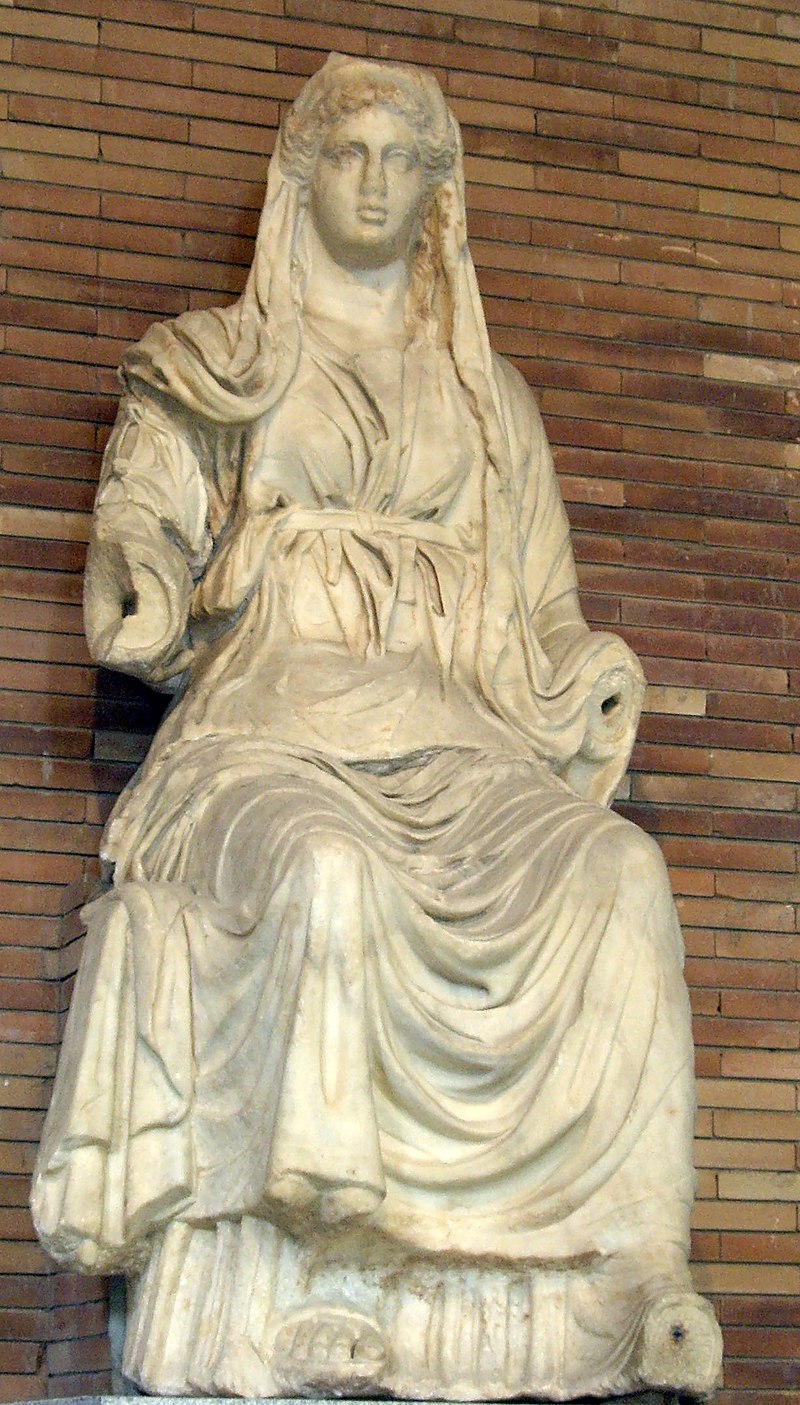
thumb|upright|Seated Ceres from Emerita Augusta, present-day [[Mérida, Spain]]
In ancient Roman religion, the Cerealia was the major festival celebrated for the grain goddess Ceres. It was held for seven days from mid- to late April. Various agricultural festivals were held in the "last half of April". The Cerealia celebrated the harvest, and may have begun on the 19th. Surviving descriptions of Rome's city festival of Ceres are presumably urban versions of an originally rustic, agricultural festival. In his treatise on agriculture, Cato the Elder recommends that farmers sacrifice a sow (porca
.jpg)
Ambarvalia
thumb|right|Relief depicting the three animals sacrificed at the Ambarvalia as part of a suovetaurilia (a sow, a sheep, and a bull)
Ambarvalia was a Roman agricultural fertility rite, involving animal sacrifices and held on 29 May in honor of Ceres, Bacchus and Dea Dia. However, the exact timing could vary since Ambarvalia were "feriae conceptivae" - a festival not bound to a fixed date.
Tomb of Antipope John XXIII
tomb monument of Baldassare Cossa created by Donatello and Michelozzo in the Baptistery, Florence, Italy
The Apotheosis of Washington
fresco by Constantino Brumidi
Cup of the Ptolemies
Late hellenistic or roman onyx cameo cup
Sementivae
Sementivae, also known as Feriae Sementivae or Sementina dies (in the country called Paganalia), was a Roman festival of sowing.
Temple of Ceres
building in Rome, Italy
Ceres series
White Hall of the Winter Palace
hall designed by Alexander Briullov
Ceres series
First series of postage stamps in France
Four seasons altar
Roman sculpture in Wurzburg museum, Germany
Sine Cerere et Baccho friget Venus
Latin phrase and artistic theme