Category
page 1Cheilostomatida

Cheilostomatida
Cheilostomatida, also called Cheilostomata, is an order of Bryozoa in the class Gymnolaemata.
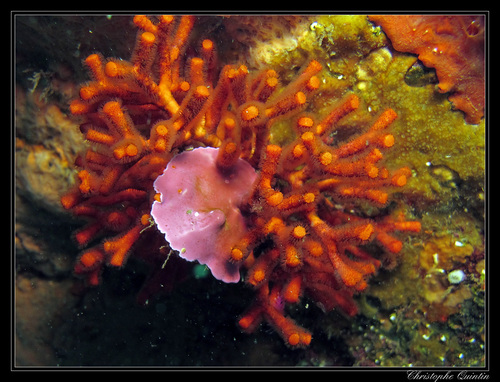
Myriapora truncata
species of bryozoan

Flustra foliacea
species of bryozoan
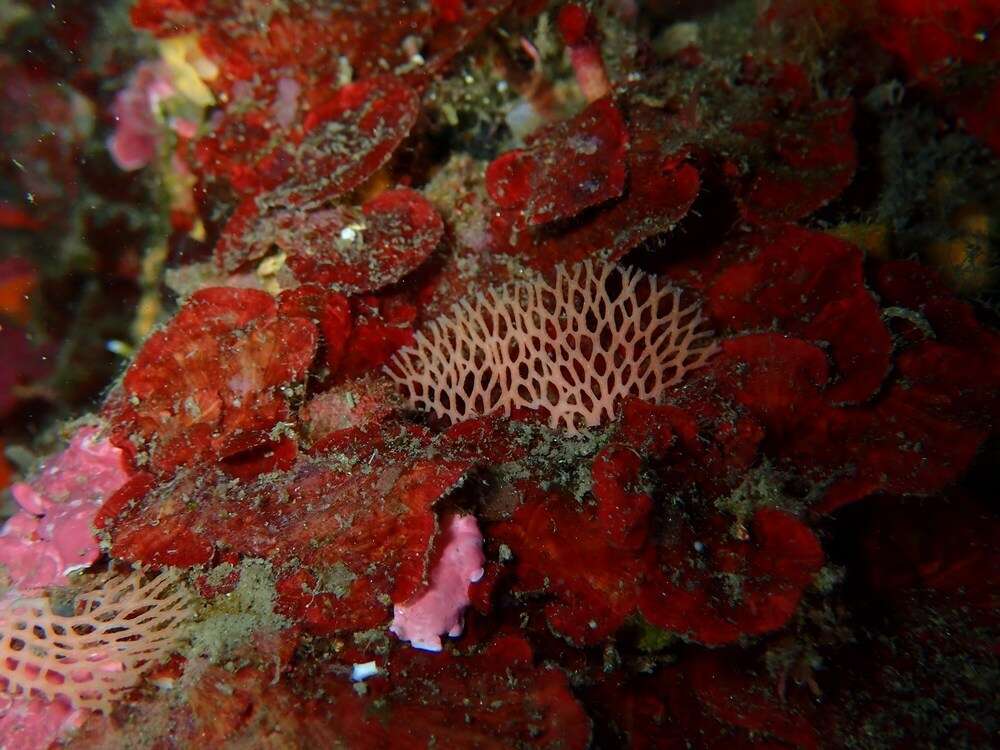
Reteporella grimaldii
species of bryozoan

Bugula neritina
species of bryozoan

Flustridae
Flustridae is a family of bryozoans in the suborder Flustrina.
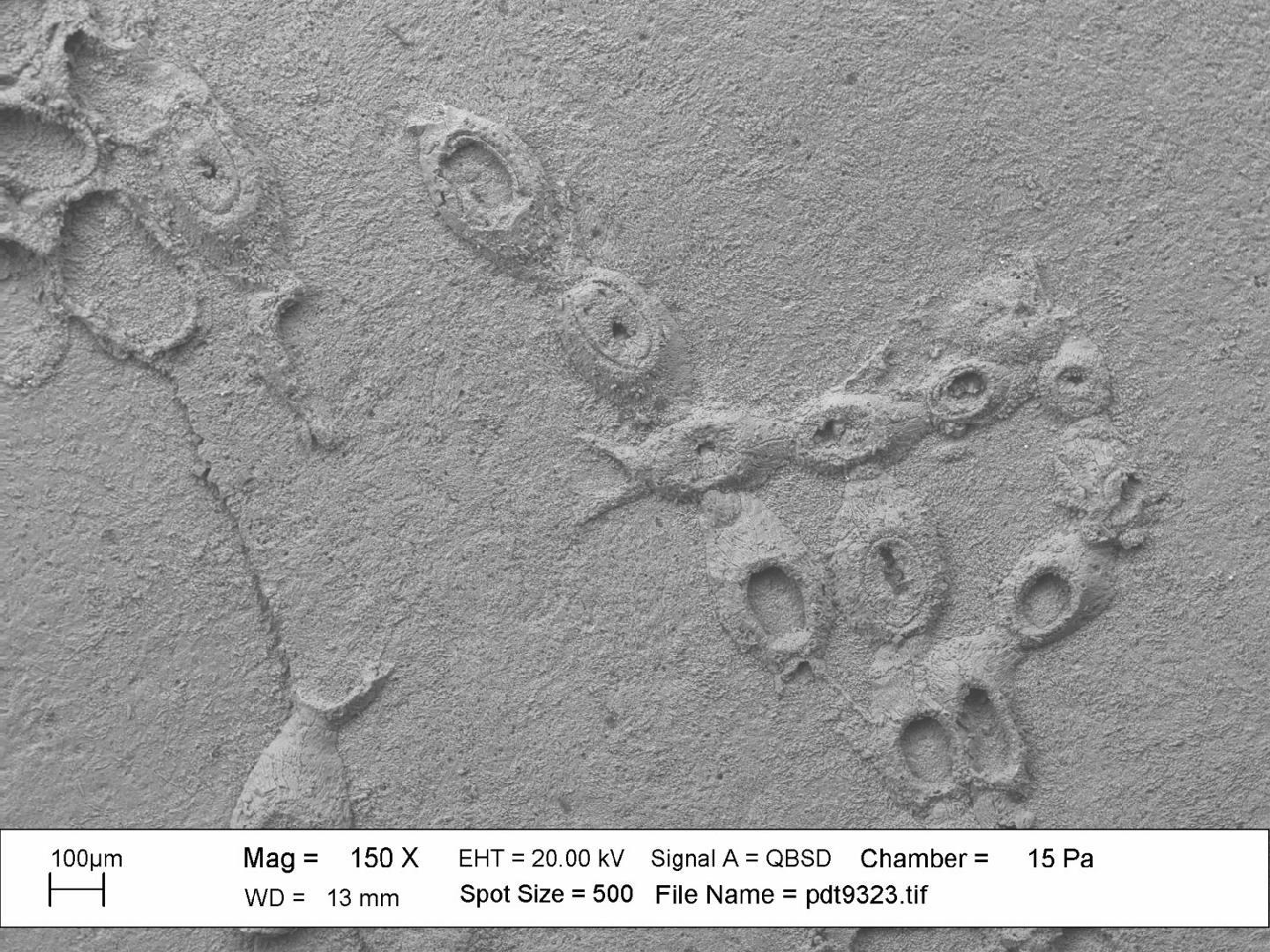
Electridae
Electridae is a family of bryozoans in the order Cheilostomatida.

Gigantoporidae
Gigantoporidae is a family of bryozoans belonging to the order Cheilostomatida.
Farciminariidae
Farciminariidae is a family of bryozoans belonging to the order Cheilostomatida.
Myriaporidae
Myriaporidae is a family of bryozoans belonging to the order Cheilostomatida.
Chaperiidae
Chaperiidae is a family of bryozoans belonging to the order Cheilostomatida.

Schizoporellidae
The Schizoporellidae is a family within the bryozoan order Cheilostomatida. Colonies are encrusting on shells and rocks or upright bilaminar branches or sheets. The zooidal orifice has a narrow V-shaped sinus.
Calwelliidae
Calwelliidae is a family of bryozoans belonging to the order Cheilostomatida.

Cupuladriidae
Cupuladriidae is a family of bryozoans belonging to the order Cheilostomatida.

Flustra
Flustra is a genus of bryozoans belonging to the family Flustridae. The genus has a cosmopolitan distribution.
Lekythoporidae
Lekythoporidae is a family of bryozoans belonging to the order Cheilostomatida.

Membraniporidae
Membraniporidae is a bryozoan family in the order Cheilostomatida. Membranipora form encrusting or erect colonies; they are unilaminar or bilaminar and weakly to well-calcified. Zooids have vertical and basal calcified walls, but virtually no frontal calcified wall: most of the frontal surface is occupied by frontal membrane. An intertentacular organ is also present. The larvae are not brooded. The ancestrula is generally twinned. Kenozooids may be present in a few species; modified zooids analogous to avicularia are rare.
Cheiloporinidae
Cheiloporinidae is a family of bryozoans belonging to the order Cheilostomatida.
Cleidochasmatidae
Cleidochasmatidae is a family of bryozoans belonging to the order Cheilostomatida.
Hippopodinidae
Hippopodinidae is a family of bryozoans belonging to the order Cheilostomatida.
Eurystomellidae
Eurystomellidae is a family of bryozoans belonging to the order Cheilostomatida.
Onychocellidae
Onychocellidae is a family of bryozoans belonging to the order Cheilostomatida.
Pasytheidae
Pasytheidae is a family of bryozoans belonging to the order Cheilostomatida.
Lepraliellidae
Lepraliellidae is a family of bryozoans belonging to the order Cheilostomatida.

Celleporidae
Celleporidae is a family of bryozoans – colonial, aquatic, invertebrates – in the order Cheilostomatida. Structurally, they are defined by densely packed zooids (individual animals which make up the colony). The zooids usually have irregular direction, and are defined by morphological characteristics. Masses of the dead animals can form shallow sediments. Members of the family are recorded from every ocean, even around Antarctica, where they are represented primarily by the genus Osthimosia. Fossils of the family exist as old as from 235 million years ago, during the Triassic period.
Epistomiidae
Epistomiidae is a family of bryozoans belonging to the order Cheilostomatida.
Beaniidae
Beaniidae is a family of bryozoans in the order Cheilostomatida. Their zooids have a weak box-like shell of calcium carbonate as do most species of the suborder Flustrina, and in this family are typically arranged disjunctly, connected by small tubes, and often boat-shaped. One species, Amphibiobeania epiphylla, is the only known amphibious bryozoan known as of 2008/09.
Exechonellidae
Exechonellidae is a family of bryozoans belonging to the order Cheilostomatida.
Thalamoporellidae
Thalamoporellidae is a family of bryozoans belonging to the order Cheilostomatida.
Margarettidae
Margarettidae is a family of bryozoans belonging to the order Cheilostomatida.

Electra
genus of bryozoans
Mamilloporidae
Mamilloporidae is a family of bryozoans belonging to the order Cheilostomatida.
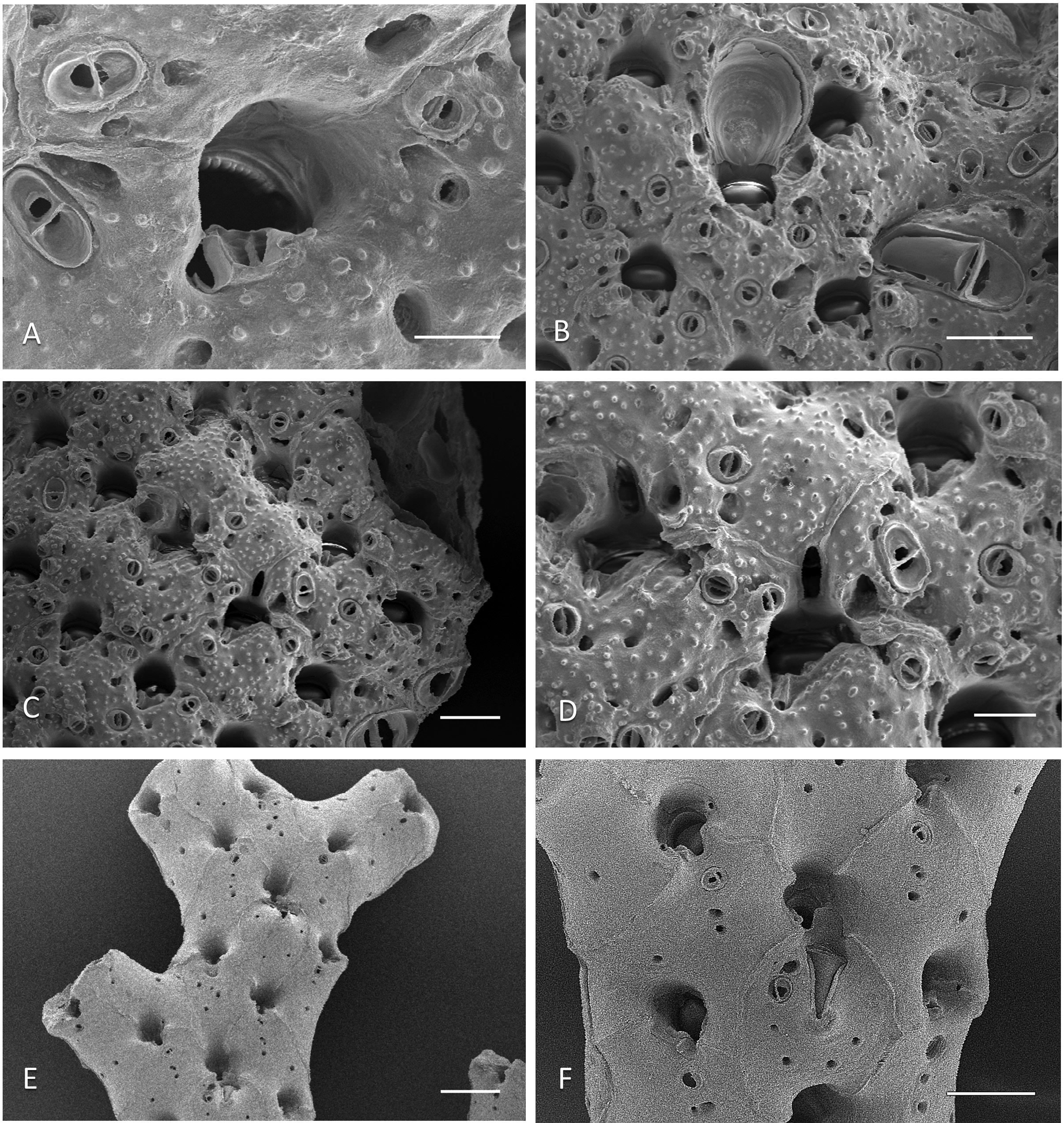
Triphyllozoon
Triphyllozoon is a genus of bryozoans in the family Phidoloporidae.

Bugula
Bugula is a genus of common colonial arborescent bryozoa, often mistaken for seaweed. It commonly grows upright in bushy colonies of up to 15 cm in height.

Candidae
Candidae is a family of gymnolaematan bryozoans (sea mats).
Hiantoporidae
Hiantoporidae is a family of bryozoans belonging to the order Cheilostomatida.
Reteporella
Reteporella is a genus of bryozoans in the family Phidoloporidae.
Watersiporidae
Watersiporidae is a family of bryozoans in the order Cheilostomatida.

Smittinidae
The Smittinidae is a family within the bryozoan order Cheilostomatida. Colonies are encrusting on shells and rocks or upright bilaminar branches or sheets. The zooids generally have at least one adventitious avicularia on their frontal wall near the orifice. The frontal wall is usually covered with small pores and numerous larger pores along the margin. The ovicell, which broods the larvae internally, is double-layered with numerous pores in the outer layer, and sits quite prominently on the frontal wall of the next zooid.
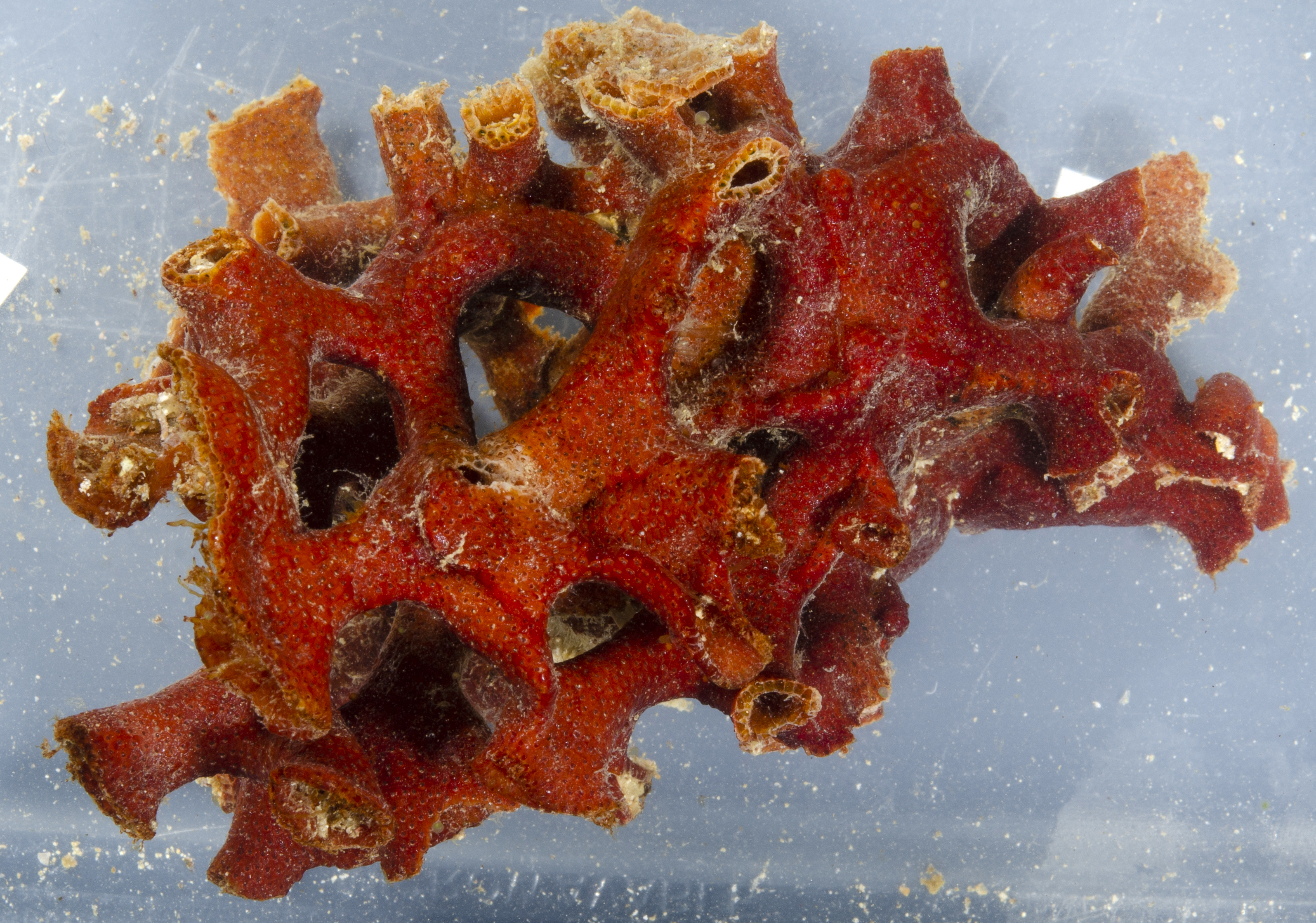
Adeonidae
The Adeonidae is a family within the bryozoan order Cheilostomatida. Colonies are often upright bilaminar branches or sheets, perforated by large holes in some species (e.g. Adeona cellulosa). The zooids generally have one or more adventitious avicularia on their frontal wall. Instead of ovicells the adeonids often possess enlarged polymorphs which brood the larvae internally.

Cellariidae
Cellariidae is a family of bryozoans belonging to the order Cheilostomatida.
Microporellidae
The Microporellidae is a family within the bryozoan order Cheilostomatida.
Arachnopusiidae
The Arachnopusiidae is a family within the bryozoan order Cheilostomatida.

Calloporidae
Calloporidae is a family of bryozoans belonging to the order Cheilostomatida. Like other Bryozoans, most members live in marine and brackish water environments and tend to encrust on hard abiotic and biotic surfaces. This family include over 100 different genera, including renown taxa Callapora lineata.

Phidoloporidae
Phidoloporidae is a family within the bryozoan order Cheilostomatida. The colonies of many genera grow in an upright, reticulate branching manner, which gave rise to one colloquial name for this group as 'lace corals'. Zooids generally open on one side of the branches.
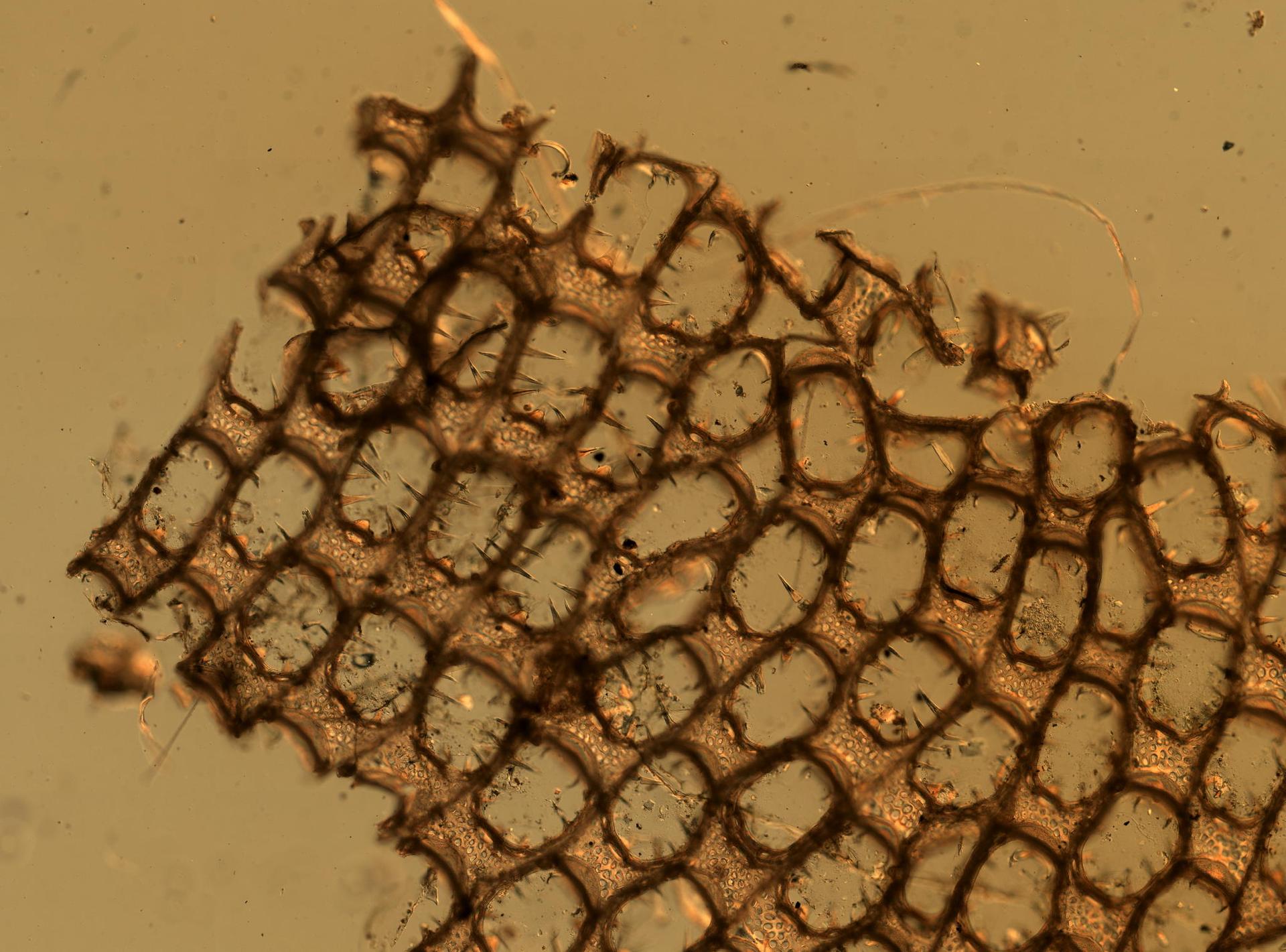
Electra pilosa
species of bryozoan

Metrarabdotosidae
Metrarabdotosidae is a family of bryozoans belonging to the order Cheilostomatida.
Jellyella
Jellyella is a genus of bryozoans in the family Membraniporidae.

Celleporina
Celleporina is a genus of bryozoans belonging to the family Celleporidae.

Cauloramphus disjunctus
species of bryozoan
Phoceanidae
Phoceanidae is a family of bryozoans belonging to the order Cheilostomatida.
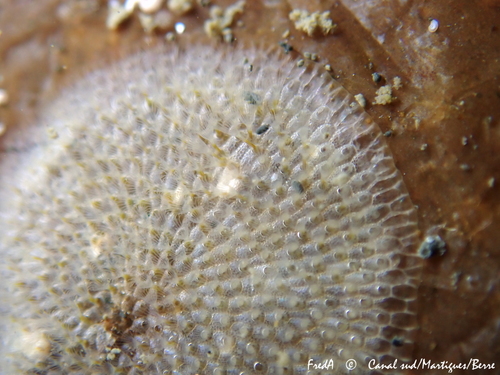
Cryptosula
Cryptosula is a genus of bryozoans belonging to the family Cryptosulidae.
Petalostegidae
Petalostegidae is a family of bryozoans belonging to the order Cheilostomatida.
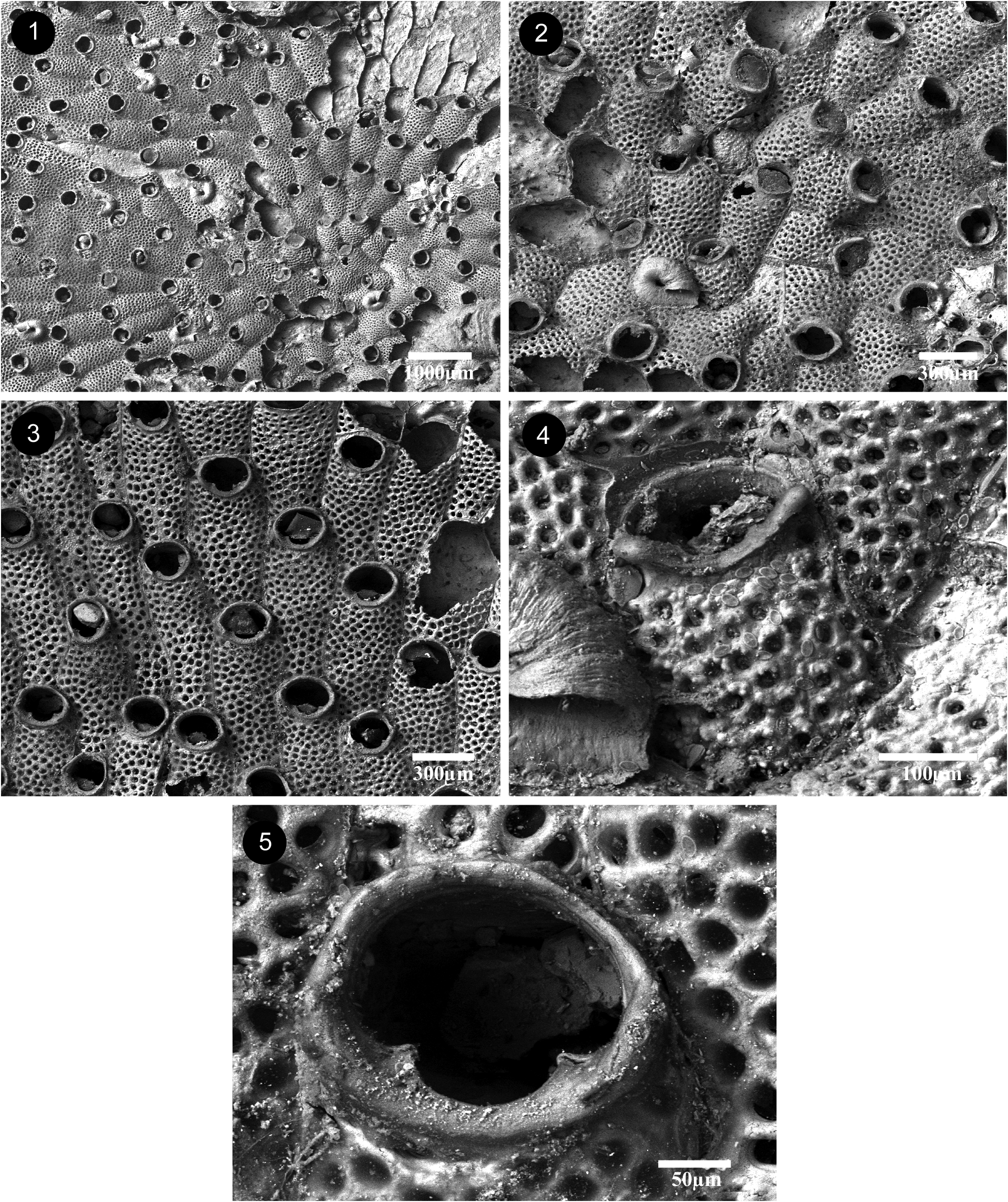
Watersipora subtorquata
species of bryozoan

Membranipora
Membranipora is a genus of bryozoans in the family Membraniporidae. A typical example is the widely distributed species Membranipora membranacea that commonly encrusts seaweeds, particularly fronds of the kelps Laminaria digitata, L. hyperborea, and Saccorhiza polyschides.
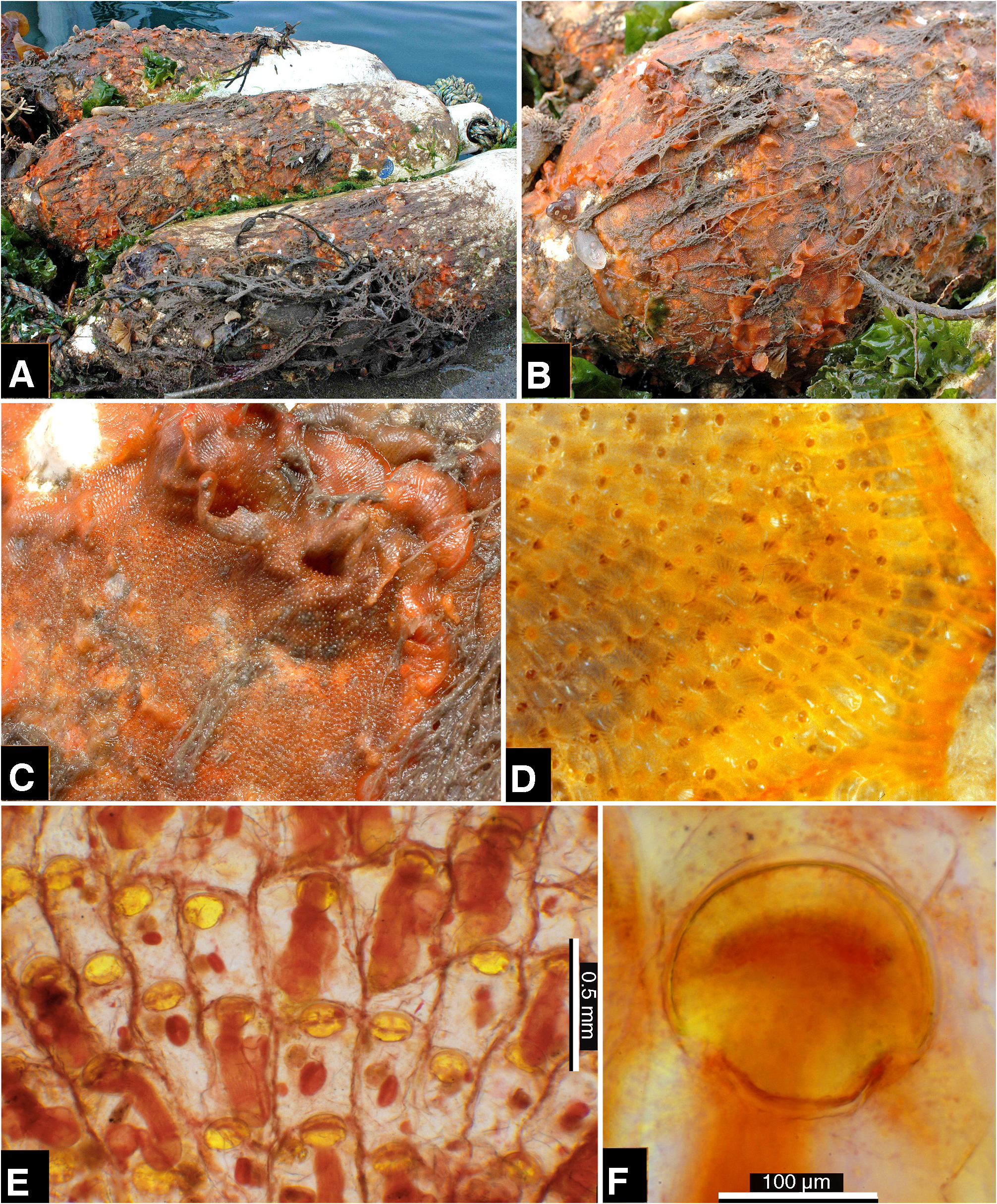
Schizoporella
Schizoporella is a genus of bryozoans in the family Schizoporellidae.
Foveolariidae
Foveolariidae is a family of bryozoans belonging to the order Cheilostomatida.

Cauloramphus
Cauloramphus is a genus of bryozoans belonging to the family Calloporidae.
Colatooeciidae
Colatooeciidae is a family of bryozoans belonging to the order Cheilostomatida.

Cribrilinidae
The Cribrilinidae family is a part of the suborder Flustrina within the bryozoans. They are characterized by numerous spinose ribs (costae) overarching the frontal membrane of each zooid.