Category
page 1Chemical articles without CAS registry number

penicillin
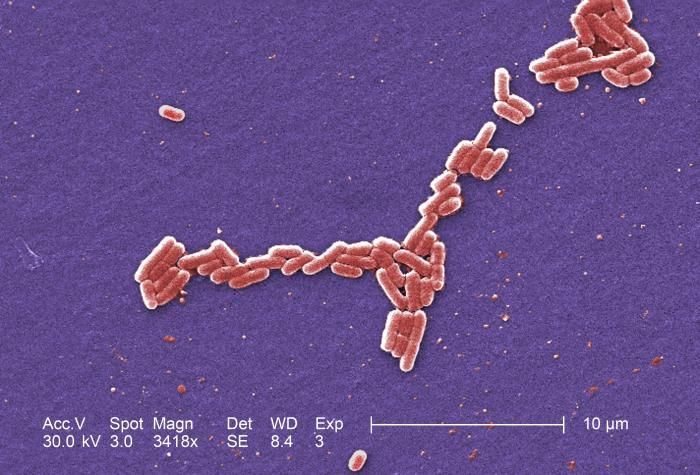
Escherichia coli
enteric, rod shaped, gram-negative bacterium

Betula pendula
species of plant

BCG vaccine
vaccine primarily used against tuberculosis

Hepatitis B vaccine
vaccine against Hepatitis B

hepatitis A vaccine
vaccine to prevent Hepatitis A
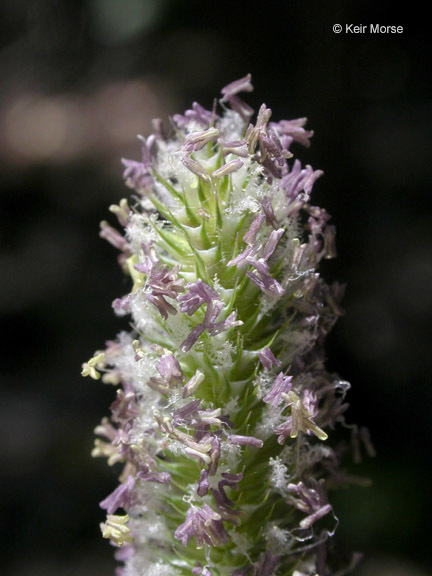
Phleum pratense
species of grass
cholera vaccine
vaccine that is effective at preventing cholera
hand sanitizer
alternative/supplement to hand washing. Destroys microorganisms/prevents transmission of pathogens
mumps vaccine
vaccine which prevents mumps
rabies vaccine
group of vaccines against infection of humans and animals with the rabies virus
pertussis vaccine
vaccine protecting against whooping cough
azelaic acid
chemical compound
flavin mononucleotide
chemical compound

laudanum
Laudanum is a tincture of opium containing approximately 10% powdered opium by weight (the equivalent of 1% morphine). Laudanum is prepared by dissolving extracts from the opium poppy (Papaver somniferum) in alcohol (ethanol).
indigotindisulfonate sodium
chemical compound
diphtheria vaccine
vaccine against Corynebacterium diphtheriae, the bacterium that causes diphtheria
contraceptive patch
transdermal patch applied to prevent pregnancy
benzyl benzoate
chemical compound
typhoid vaccine
vaccines that prevent typhoid fever
medical abortion
abortion induced non-surgically, through drugs
selenious acid
chemical compound
yellow fever vaccine
vaccine that protects against yellow fever
smallpox vaccine
first successful vaccine to be developed
Hib vaccine
vaccine
antivenom
Antivenom, also known as antivenin, venom antiserum, and antivenom immunoglobulin, is a specific treatment for envenomation. It is composed of antibodies and used to treat certain venomous bites and stings. Antivenoms are recommended only if there is significant toxicity or a high risk of toxicity. The specific antivenom needed depends on the species involved. It is given by injection.
LK-99
coagulation factor IX
mammalian protein found in Homo sapiens
pneumococcal vaccine
vaccine to prevent infection by the bacterium Stretococcus pneumoniae

poppers
Poppers are recreational drugs belonging to the alkyl nitrite family of chemical compounds. When fumes from these substances are inhaled, they act as potent vasodilators, producing mild euphoria, warmth, and dizziness. Most effects have a rapid onset and are short-acting. Its recreational use is believed to be potentially dangerous for people with heart problems, anaemia, or glaucoma. Reported adverse effects include fainting, retinal toxicity, and vision loss.
fecal bacteriotherapy
process of transplantation of fecal bacteria from a healthy individual into a recipient
cord blood
blood in the placenta and umbilical cord blood

phosphatidylinositols
Phosphatidylinositol or inositol phospholipid is a biomolecule. It was initially called "inosite" when it was discovered by Léon Maquenne and Johann Joseph von Scherer in the late 19th century. It was discovered in bacteria but later also found in eukaryotes, and was found to be a signaling molecule.
calcium phosphide
chemical compound
singlet oxygen
special electronic configuration of oxygen molecule
carmustine
Carmustine, sold under the brand name BiCNU among others, is a medication used mainly for chemotherapy. It is a nitrogen mustard β-chloro-nitrosourea compound used as an alkylating agent.

cardiolipin
Cardiolipin (IUPAC name '1,3-bis(sn-3’-phosphatidyl)-sn-glycerol', "sn" designating stereospecific numbering) is an important component of the inner mitochondrial membrane, where it constitutes about 20% of the total lipid composition. It can also be found in the membranes of most bacteria. The name "cardiolipin" is derived from the fact that it was first found in animal hearts. It was first isolated from the beef heart in the early 1940s by Mary C. Pangborn. In mammalian cells, but also in plant cells, cardiolipin (CL) is found almost exclusively in the inner mitochondrial membrane, where it
packed red blood cell
red blood cells separated for blood transfusion
casirivimab/imdevimab
Casirivimab/imdevimab, sold under the brand name REGEN‑COV among others, is a combination medicine used for the treatment and prevention of COVID19. It consists of two human monoclonal antibodies, casirivimab and imdevimab that must be mixed together and administered as an infusion or subcutaneous injection. The combination of two antibodies is intended to prevent mutational escape. It is also available as a co-formulated product. It was developed by the American biotechnology company Regeneron Pharmaceuticals.
branched-chain amino acid
amino acid with a branched carbon chain
deoxycholic acid
pharmaceutical drug
Gardasil
Gardasil is an HPV vaccine for use in the prevention of certain strains of human papillomavirus (HPV). It was developed by Merck & Co. High-risk human papilloma virus (hr-HPV) genital infection is the most common sexually transmitted infection among women. The HPV strains that Gardasil protects against are sexually transmitted, specifically HPV types 6, 11, 16 and 18. HPV types 16 and 18 cause an estimated 70% of cervical cancers, and are responsible for most HPV-induced anal, vulvar, vaginal, and penile cancer cases. HPV types 6 and 11 cause an estimated 90% of genital warts cases. HPV type 1
IUD with progestogen
hormonal intrauterine device classified as a long-acting reversible contraceptive method
chenodiol
chemical compound
whole blood
unseparated donated human blood
triethylenetetramine
Triethylenetetramine (TETA and trien), also known as trientine (INN) when used medically, is an organic compound with the formula [CH2NHCH2CH2NH2]2. The pure free base is a colorless oily liquid, but, like many amines, older samples assume a yellowish color due to impurities resulting from air oxidation. It is soluble in polar solvents. The branched isomer tris(2-aminoethyl)amine and piperazine derivatives may also be present in commercial samples of TETA.
The hydrochloride salts are used medically as a treatment for copper toxicity.
fresh frozen plasma
frozen plasma, used in medical labs

nirmatrelvir/ritonavir
Nirmatrelvir/ritonavir, sold under the brand name Paxlovid, is a co-packaged medication used as a treatment for COVID-19. It contains the antiviral medications nirmatrelvir and ritonavir and was developed by Pfizer. Nirmatrelvir inhibits SARS-CoV-2 main protease, while ritonavir is a strong CYP3A inhibitor, slowing down nirmatrelvir metabolism and therefore boosting its effect. It is taken by mouth.
low molecular weight heparin
Anticoagulant medication
Saccharomyces boulardii
species of fungus

dalfampridine
thumb|right|240px|4-Aminopyridine
4-Aminopyridine (4-AP) is an organic compound with the chemical formula . It is one of the three isomeric aminopyridines. It is used as a research tool in characterizing subtypes of the potassium channel. It has also been used as a drug, to manage some of the symptoms of multiple sclerosis, and is indicated for symptomatic improvement of walking in adults with several variations of the disease. It was undergoing Phase III clinical trials , and the U.S. Food and Drug Administration (FDA) approved the compound on January 22, 2010. 4-AP has been used as trea
ya ba
recreational drug
human serum albumin
mammalian protein found in Homo sapiens

isosorbide
Isosorbide is a bicyclic chemical compound from the group of diols and the oxygen-containing heterocycles, containing two fused furan rings. The starting material for isosorbide is D-sorbitol, which is obtained by catalytic hydrogenation of D-glucose, which is in turn produced by hydrolysis of starch. Isosorbide is discussed as a plant-based platform chemical from which biodegradable derivatives of various functionality can be obtained.
inosine pranobex
mixture of chemical compounds
Corbevax
carborane acid
chemical compound
herpes zoster vaccine
any vaccine to prevent shingles
Ringer's lactate solution
electrolyte solution for infusion to treat low blood pressure or low blood volume
plague vaccine
vaccine used against Yersinia pestis