Category
page 1Chenopodioideae

Atriplex
Atriplex () is a plant genus of about 250 species, known by the common names of saltbush and orache (; also spelled orach). It belongs to the subfamily Chenopodioideae of the family Amaranthaceae s.l..
The genus is quite variable and widely distributed. It includes many desert and seashore plants and halophytes, as well as plants of moist environments.
The generic name originated in Latin and was applied by Pliny the Elder to the edible oraches. The name saltbush derives from the fact that the plants retain salt in their leaves; they are able to grow in areas affected by soil salination.

Chenopodium
Chenopodium is a genus of numerous species of perennial or annual herbaceous flowering plants known as the goosefoot, which occur almost anywhere in the world. It is placed in the family Amaranthaceae in the APG II system; older classification systems, notably the widely used Cronquist system, separate it and its relatives as Chenopodiaceae, but this leaves the rest of the Amaranthaceae polyphyletic. However, among the Amaranthaceae, the genus Chenopodium is the namesake member of the subfamily Chenopodioideae.
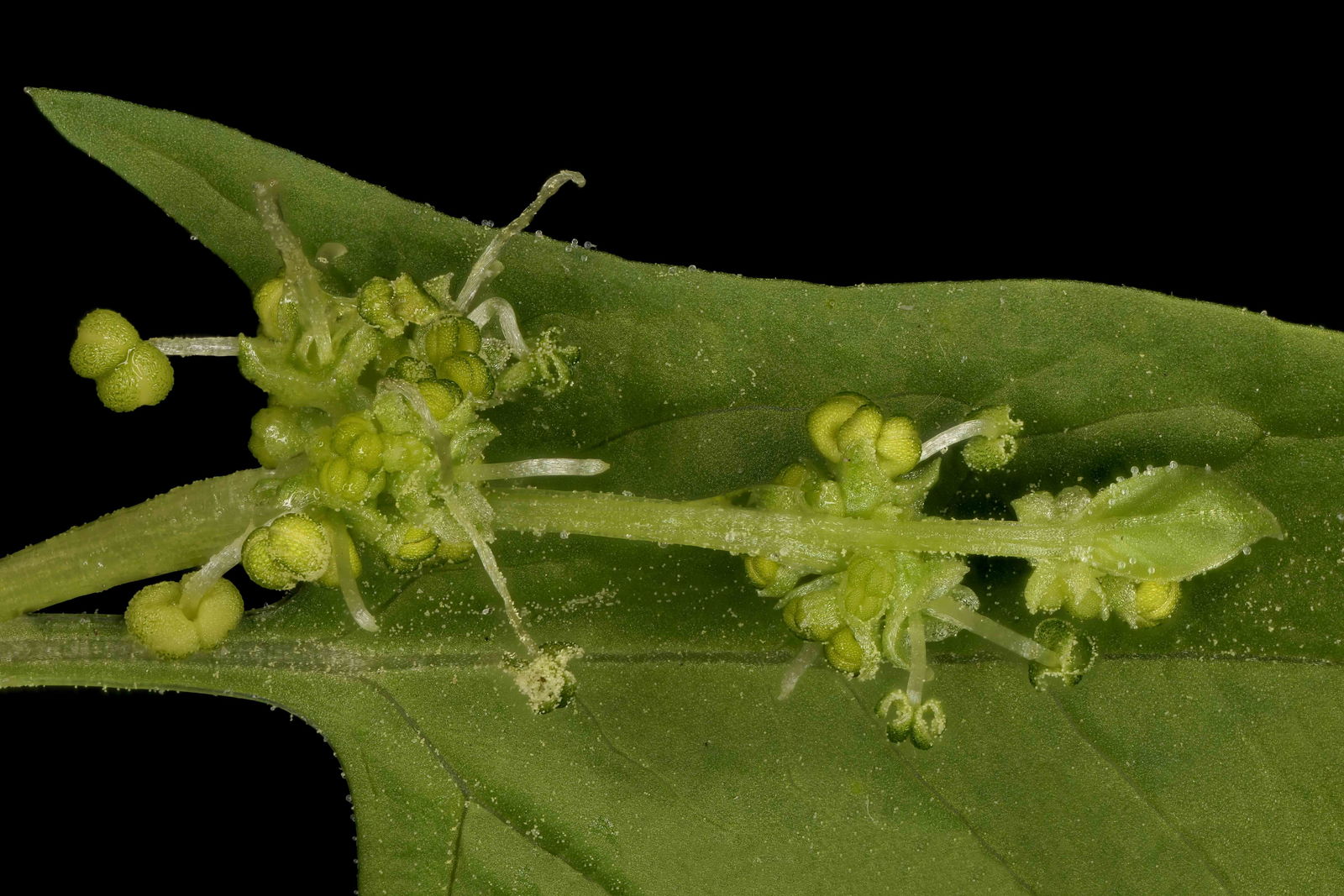
Spinacia
Spinacia is a flowering plant genus in the subfamily Chenopodioideae of the family Amaranthaceae. The most common member is spinach.

Chenopodiastrum murale
species of plant

Chenopodioideae
The Chenopodioideae are a subfamily of the flowering plant family Amaranthaceae in the APG III system, which is largely based on molecular phylogeny, but were included – together with other subfamilies – in the family Chenopodiaceae, or goosefoot family, in the Cronquist system.

Oxybasis glauca
species of plant

Oxybasis rubra
species of plant

Chenopodiastrum hybridum
species of plant

Halimione portulacoides
species of plant

Krascheninnikovia
Krascheninnikovia is a genus of flowering plants in the subfamily Chenopodioideae of the family Amaranthaceae known as winterfat, so-called because it is a nutritious livestock forage. They are known from Eurasia and western North America. These are hairy perennials or small shrubs which may be monoecious or dioecious. They bear spike inflorescences of woolly flowers.
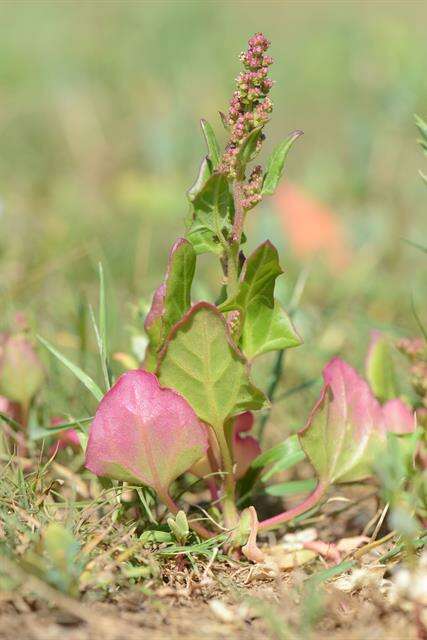
Oxybasis chenopodioides
species of plant
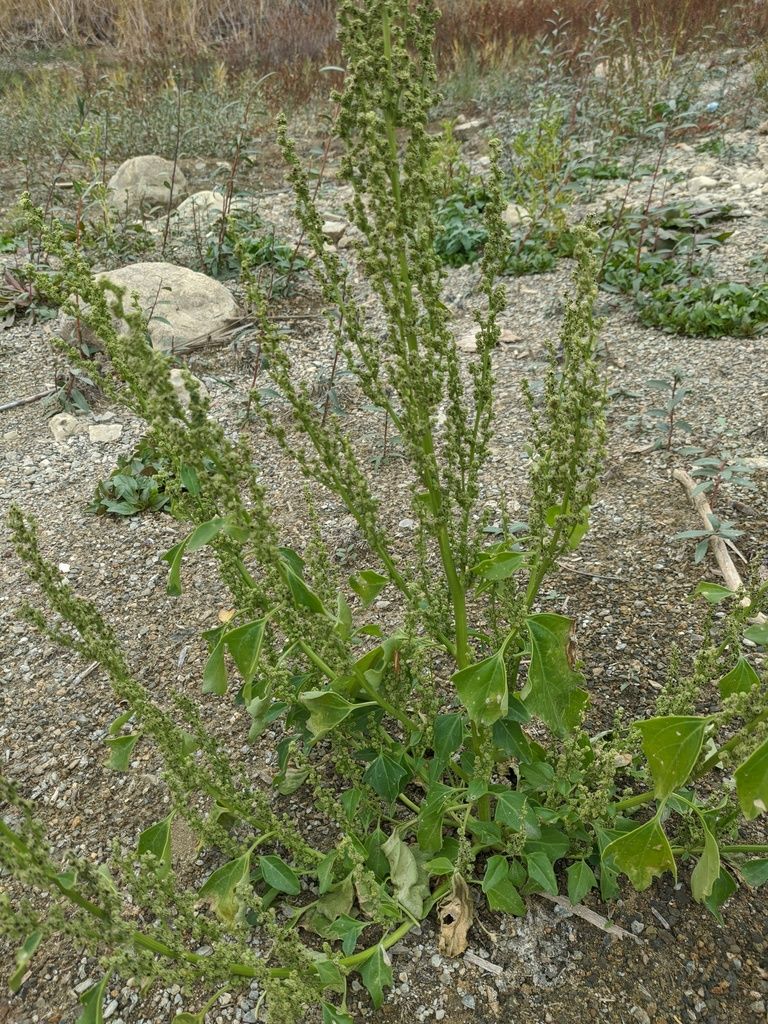
Oxybasis urbica
species of plant

Dysphania
genus of plants

Blitum
Blitum is a genus of flowering plants in the amaranth family Amaranthaceae, subfamily Chenopodioideae. It is closely related to genus Spinacia. Its 12 species were traditionally placed in the genera Chenopodium, Monolepis, or Scleroblitum. The species of genus Blitum occur in Asia, Europe, North Africa, the Americas, and Australia.

Axyris amaranthoides
species of plant
Krascheninnikovia ceratoides
species of plant

Halimione pedunculata
species of plant

Halimione
Halimione is a plant genus from the subfamily Chenopodioideae of the family Amaranthaceae. It is a sister genus of Atriplex and is included in that genus by Plants of the World Online.
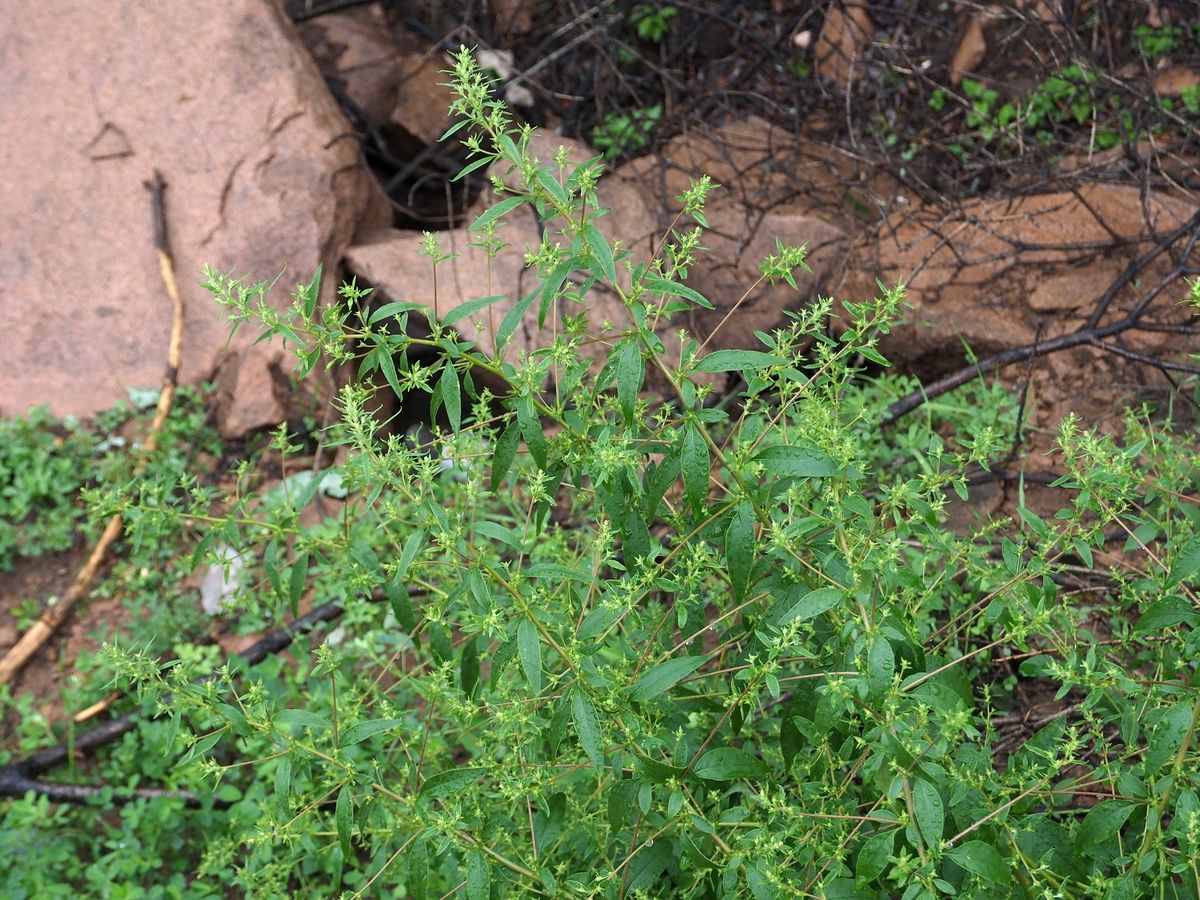
Axyris
Axyris, the Russian pigweeds, are a genus of flowering plants in the amaranth family Amaranthaceae, native to temperate parts of Eastern Europe and Asia. The center of genetic diversity is the Altai to northern Tien-Shan mountains. The best known species is Axyris amaranthoides, which has become a widespread invasive in northern North America.
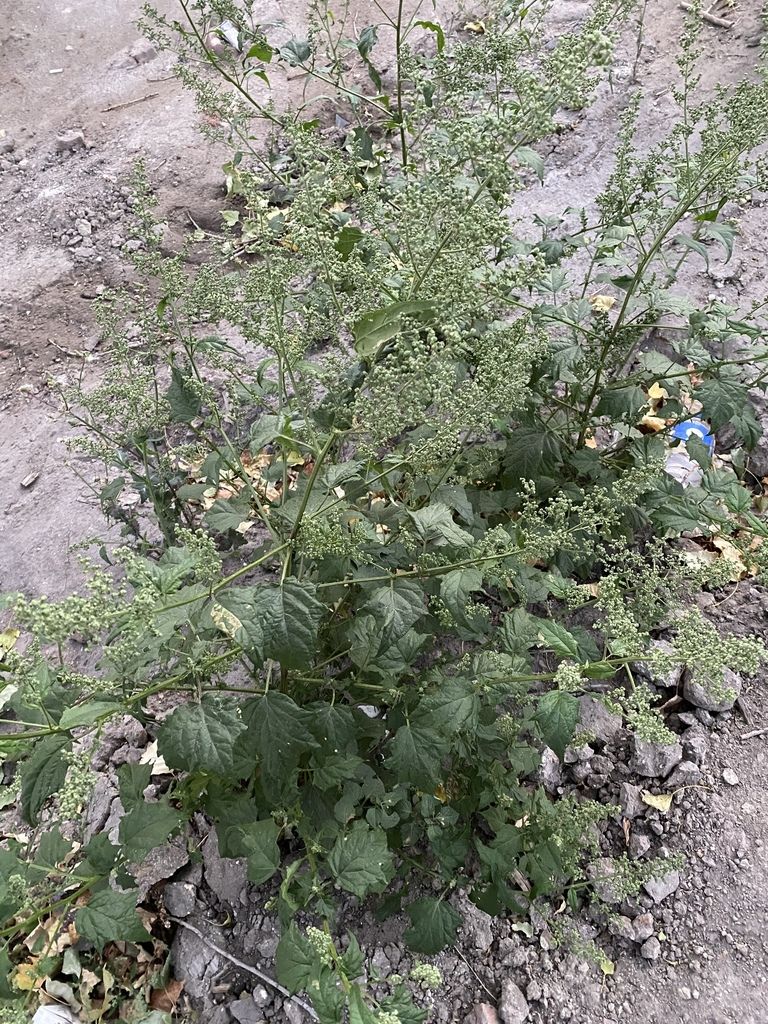
Chenopodiastrum
Chenopodiastrum is a genus of herbaceous flowering plants in the family Amaranthaceae. The genus was formally described in 2012. The five species occur in both the Old World and North America.
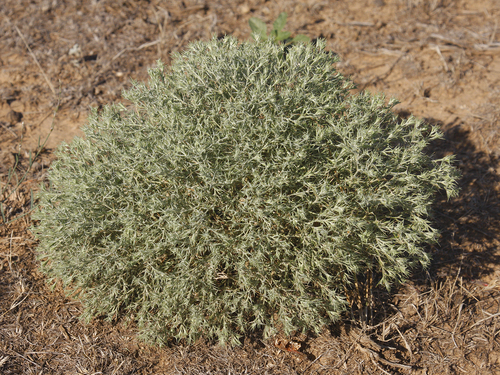
Ceratocarpus
Ceratocarpus is a genus of flowering plants in the family Amaranthaceae. It has only one currently accepted species, Ceratocarpus arenarius, found in Bulgaria, Romania, Crimea, Russia, Anatolia, the Caucasus, Iran, Afghanistan, Pakistan, Central Asia, the Altai, western Siberia, Xinjiang in China, and Mongolia. A bushy herbaceous plant, no more than 30 cm tall (or wide), it is a valuable fodder for sheep, goats and horses, and it grows well in degraded and trampled soils.

Krascheninnikovia lanata
flowering plant species
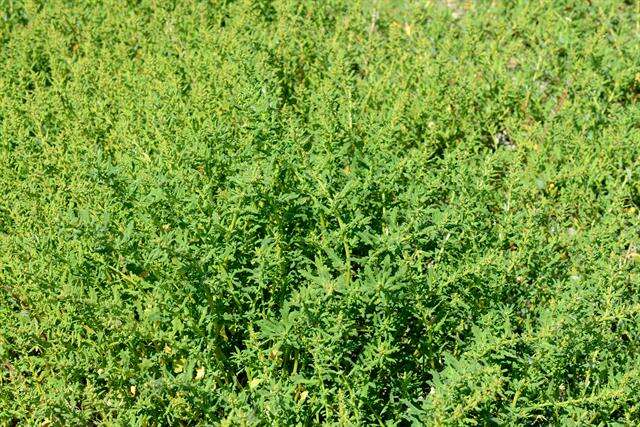
Oxybasis
Oxybasis is a flowering plant genus from the subfamily Chenopodioideae of the family Amaranthaceae. It was first described in 1841, and newly used since 2012 for five species that were traditionally grouped into genus Chenopodium. They occur in Europe, Asia, North Africa and America.
Suckleya
Suckleya is a monotypic genus of flowering plants belonging to the family Amaranthaceae. It only contains one known species, Suckleya suckleyana (Torr.) Rydb.
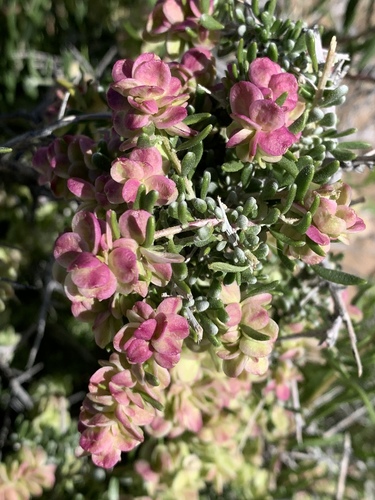
Grayia spinosa
species of plant
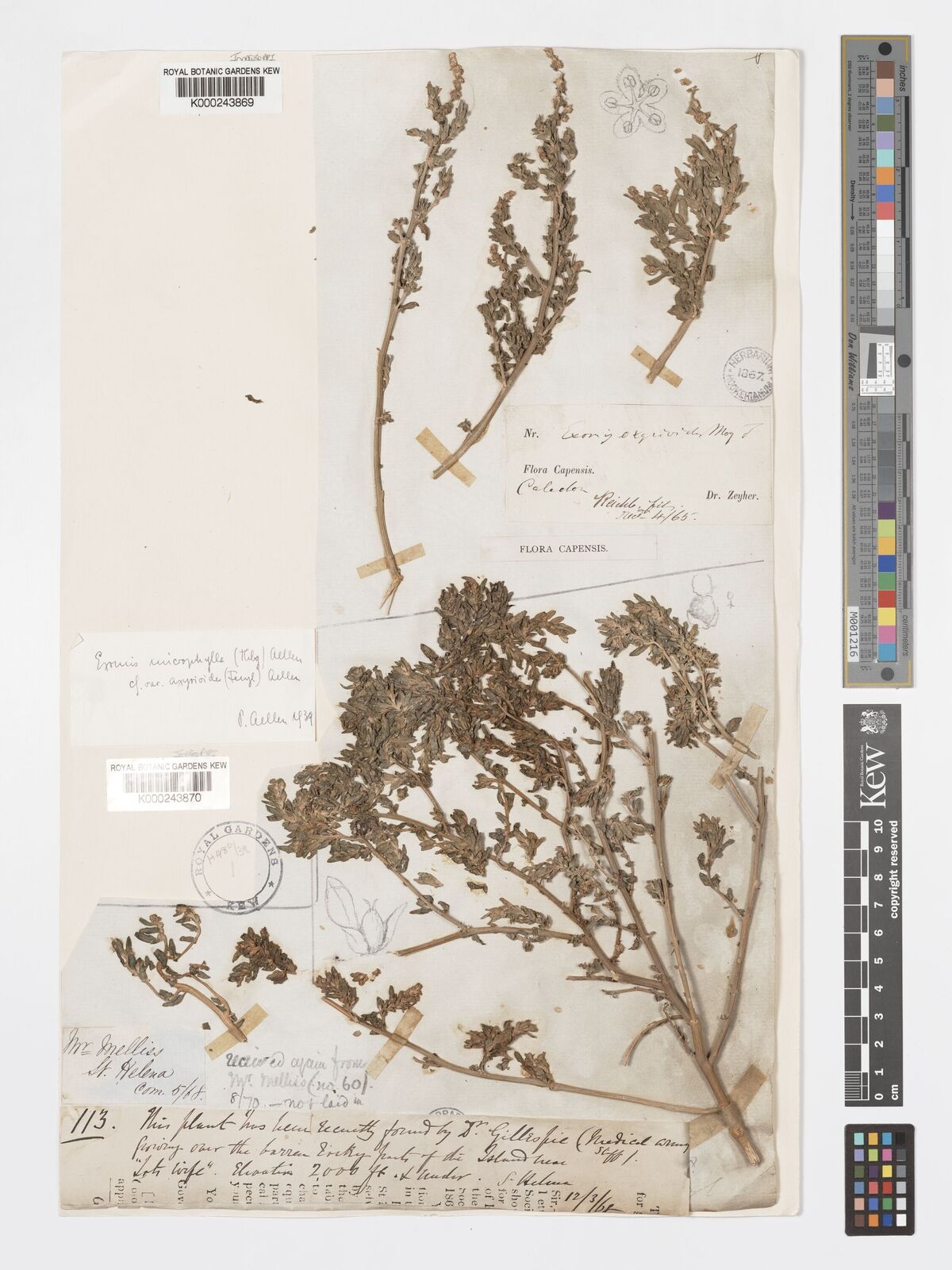
Exomis
genus of plants
Microgynoecium
Microgynoecium tibeticum is a species of flowering plant belonging to the family Amaranthaceae. It is the sole species in genus Microgynoecium. It is an annual native to Central Asia, the Himalayas, Tibetan Plateau, and northwestern China.

Extriplex californica
species of plant
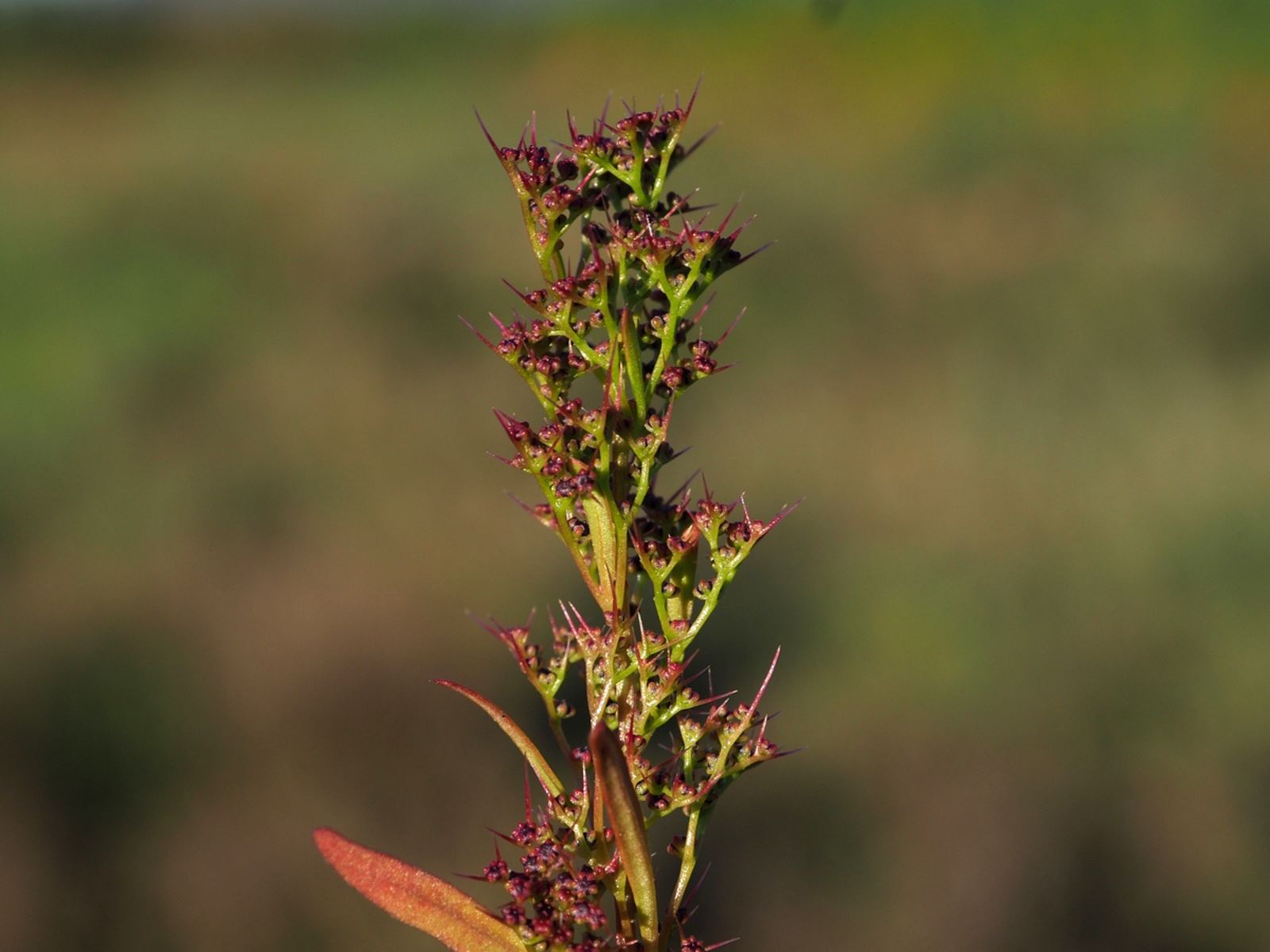
Teloxys
Teloxys aristata is a species of flowering plant belonging to the family Amaranthaceae. It is the sole species in genus Teloxys. It is an annual native to temperate Eurasia, ranging from European Russia to China and Korea.
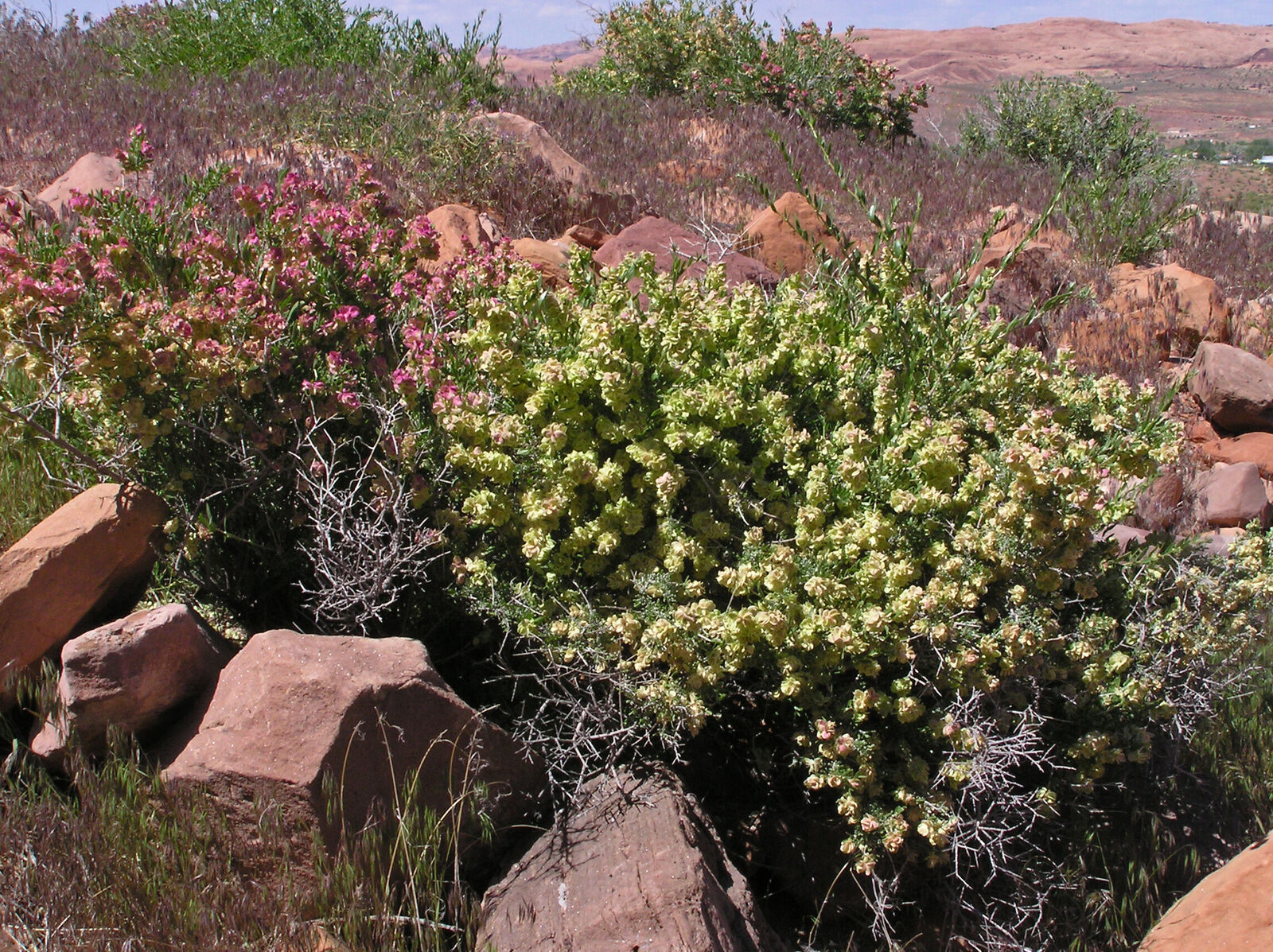
Grayia
genus of plants
Holmbergia
Holmbergia is a monotypic genus of flowering plants belonging to the family Amaranthaceae. It only contains one species, Holmbergia tweediei (Moq.) Speg.
Extriplex
Extriplex is a plant genus in the subfamily Chenopodioideae of the family Amaranthaceae. It has been described in 2010 and comprises two species, that were formerly included in genus Atriplex. They are restricted to the California Floristic Province.
Manochlamys
Manochlamys albicans is a species of flowering plant belonging to the family Amaranthaceae. It is the sole species in genus Manochlamys. It is a subshrub or shrub native to Namibia and the Cape Provinces of South Africa.
Baolia
Baolia bracteata is a species of flowering plant belonging to the family Amaranthaceae. It is the sole species in genus Baolia. It is an annual plant endemic to southern Gansu province in north-central China.
Stutzia
Stutzia is a plant genus in the subfamily Chenopodioideae of the family Amaranthaceae. It was described in 2010, replacing the illegitimate name Endolepis. It comprises two species, that have also been included in the genus Atriplex.
Micromonolepis
Micromonolepis pusilla, (Syn. Monolepis pusilla) is the only species of the genus Micromonolepis in the flowering plant family Amaranthaceae, known by the common names small povertyweed and red povertyweed. It is native to the Western United States, including the Great Basin and surrounding areas, where it grows in sandy scrub, dry valleys, playas, and other open habitat. It is a somewhat fleshy annual herb producing a branching, slender stem that has a mealy whitish texture when young and turns dull to bright red with age, losing its grainy coat. It grows up to 14 to 20 centimeters tall. The
Archiatriplex
Archiatriplex nanpinensis is a species of flowering plant belonging to the family Amaranthaceae. It is an annual endemic to northern Sichuan province of south-central China. It is the sole species in genus Archiatriplex.
Proatriplex
Proatriplex is a monotypic plant genus in the subfamily Chenopodioideae of the family Amaranthaceae, with the only species Proatriplex pleiantha (syn. Atriplex pleiantha). It is known by the common names four-corners orach and Mancos shadscale. It occurs in the Navajo Basin of Arizona, Colorado, New Mexico, and Utah.

Extriplex joaquinana
species of plant
Atripliceae
Atripliceae is a tribe of the subfamily Chenopodioideae belonging to the plant family Amaranthaceae. Atriplex is the largest genus of the tribe. Species of Atripliceae are ecologically important in steppe and semi-desert climates.