Category
page 1Chlorophyceae families
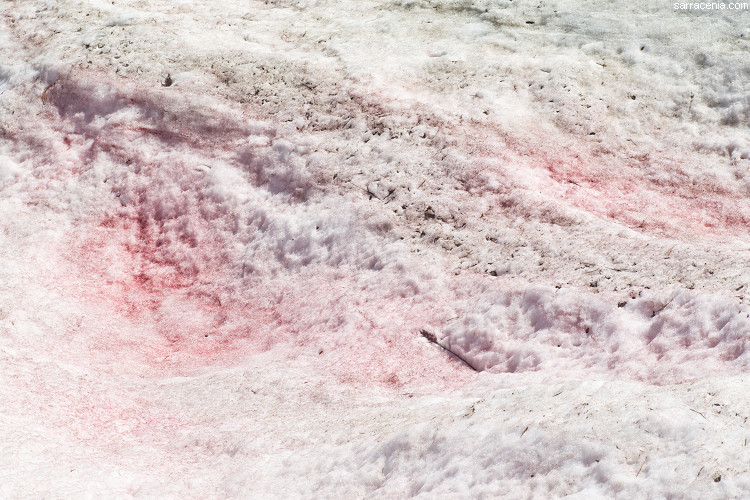
Chlamydomonadaceae
Chlamydomonadaceae is a family of algae within the order Chlamydomonadales. Traditionally, it has been defined as containing single-celled flagellates with a cell wall.

Volvocaceae
Volvocaceae are a family of unicellular or colonial biflagellate algae, including the typical genus Volvox, and are collectively known as the volvocine algae. The family was named by Ehrenberg in 1834, and it is known in older classifications as the Volvocidae. All species are colonial and typically inhabit freshwater environments. They are particularly useful as model organisms for studying the evolution of multicellularity, the evolution of sex, and cellular motion and mechanics.

Scenedesmaceae
right|thumb|240px|Green algae, Scenedesmus
right|thumb|240px|Green algae, Crucigenia

Chaetophoraceae
Chaetophoraceae is a family of green algae in the order Chaetophorales.

Hydrodictyaceae
Hydrodictyaceae is a family of green algae in the order Sphaeropleales. They are found in freshwater habitats worldwide.
Haematococcaceae
Haematococcaceae is a family of green algae in the order Chlamydomonadales. It consists of freshwater algae such as Chlorogonium, Haematococcus and Stephanosphaera.

Chlorococcaceae
Chlorococcaceae is a family of green algae, in the order Chlamydomonadales. They are mostly soil-dwelling algae. Many members of this group produce lipids and secondary carotenoids.
Dunaliellaceae
Dunaliellaceae is a family of algae in the order Chlamydomonadales. It is widespread in freshwater and saline environments worldwide, less so in marine waters.

Tetrasporaceae
The Tetrasporaceae are a family of green algae, specifically of the Chlamydomonadales. They are found in freshwater habitats.
Actinochloridaceae
thumb | right | Deasonia sp. NAMSU 934/2, light microscopy.
Actinochloridaceae is a family of green algae, in the order Chlamydomonadales.
Selenastraceae
Selenastraceae is a family of green algae in the order Sphaeropleales. Members of this family are common components of the phytoplankton in freshwater habitats worldwide. A few species have been found in brackish and marine habitats, such as in the Baltic Sea.
Tetrabaenaceae
Tetrabaenaceae is a family of green algae in the order Chlamydomonadales. It is widespread but occasional, and found in freshwater habitats.
Spondylomoraceae
Spondylomoraceae is a family of algae in the order Chlamydomonadales. It consists of various freshwater, microscopic algae.
Sphaeropleaceae
Sphaeropleaceae is a family of green algae in the order Sphaeropleales.
Chlorangiellaceae
Chlorangiellaceae is a green algae family in the order Chlamydomonadales.
Microsporaceae
Microsporaceae are a family of green algae in the class Chlorophyceae.

Palmellopsidaceae
Palmellopsidaceae is a green algae family in the order Chlamydomonadales.

Chlorosarcinaceae
Chlorosarcinaceae is a family of chlorophyte green algae, in the order Chlamydomonadales. Members of this genus are found in soils.
Aphanochaetaceae
Aphanochaetaceae is a family of green algae in the order Chaetophorales. It occurs mainly in freshwater habitats; it may inhabit running or stagnant water, sometimes within the mucilage of red algae or other green algae.
Chlorochytriaceae
Chlorochytriaceae is a family of algae within the order Chlamydomonadales. Alternatively, it shows some morphological similarity to Characiosiphonaceae and closely related to it.
It contains a number of parasitic taxa endophytic within vascular plants, mosses, or other algae.
Hormotilaceae
REDIRECT Hormotila#Former family
Asteromonadaceae
Asteromonadaceae are a family of algae in the order Chlamydomonadales.
Neochloridaceae
Neochloridaceae is a family of green algae in the order Sphaeropleales.
Radiococcaceae
Radiococcaceae is a family of green algae in the order Sphaeropleales.
Protosiphonaceae
Protosiphonaceae is a family of chlorophyte green algae, in the order Chlamydomonadales.
Characiaceae
Characiaceae is a family of green algae in the order Sphaeropleales. It contains epiphytic or planktonic algae that are unicellular or colonial. The cells are heteropolar, with basal and apical ends having different shapes. The daughter cells are often retained in the cell wall of the old mother cell, whose cell wall becomes gelatinized.
Goniaceae
Goniaceae is a family of algae in the order Chlamydomonadales, that includes the genera Astrephomene and Gonium. Members of the Goniaceae are distinguished from those of the Volvocaceae by having each cell surrounded by a tripartite boundary of the extracellular matrix, as opposed to the entire colony being surrounded by the tripartite boundary in Volvocaceae. Goniaceae is the sister group to Volvocaceae.

Palmellaceae
The Palmellaceae are a family of green algae, specifically of the Chlamydomonadales. Members of this group are typically found in atmophytic or terrestrial habitats, or as phycobionts associated with lichens; a few are found in fresh water.
Hypnomonadaceae
Hypnomonadaceae is a family of green algae, in the order Chlamydomonadales.
Phacotaceae
Phacotaceae is a family of green algae in the order Chlamydomonadales. Members of this family are found in freshwater habitats worldwide.
Chaetopeltidaceae
Chaetopeltidaceae are a small family of green algae in the order Chaetopeltidales.
Characiosiphonaceae
The Characiosiphonaceae are a family of algae in the order Chlamydomonadales. Two genera are included in this family, Characiosiphon and Lobocharacium, each containing a single species. The genus Characiochloris may eventually be placed in this family pending future revisions, as it is phylogenetically closely related to the twose genera.
Sphaerodictyaceae
Sphaerodictyaceae is a family of green algae, in the order Chlamydomonadales.
Treubariaceae
REDIRECT Treubaria
Sphaerocystidaceae
Sphaerocystidaceae is a family of chlorophyte green algae, in the order Chlamydomonadales.
Characiochloridaceae
Characiochloridaceae is a family of green algae in the order Chlamydomonadales.

Oedogoniaceae
The Oedogoniales are an order of filamentous freshwater green algae of the class Chlorophyceae. The order is well-defined and has several unique features, including asexual reproduction with zoospores that possess stephanokont flagella: numerous short flagella arranged in a subapical whorl. The Oedogoniales have a highly specialized type of oogamy, and an elaborate method of cell division which results in the accumulation of apical caps.