Category
page 1Christianity and Hellenistic philosophy

Gregory of Nazianzus
Christian saint and theologian (c. 329 – 390)
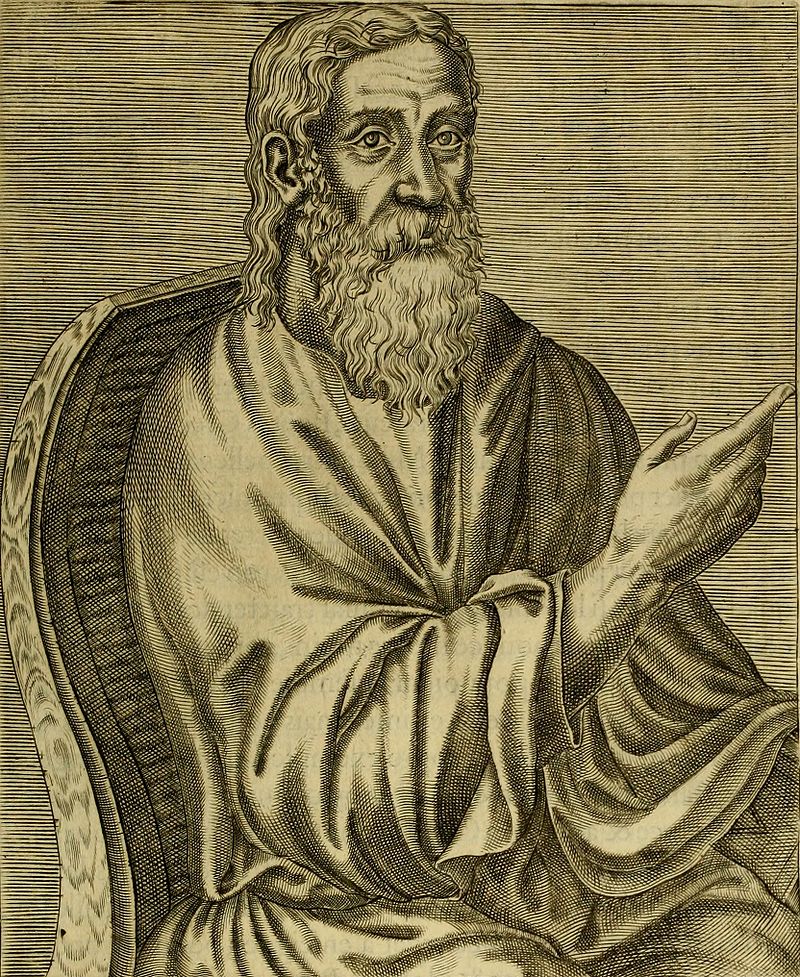
Clement of Alexandria
Christian theologian (c.150 – c.215)

logos
thumb|Greek alphabet|Greek spelling of logos|class=skin-invert-image

Pseudo-Dionysius the Areopagite
Greek philosopher

Synesius of Cyrene
Synesius of Cyrene (; ; c. 373 – c. 414) was a Greek bishop of Ptolemais in ancient Libya, a part of the Western Pentapolis of Cyrenaica after 410. He was born of wealthy parents at Balagrae (now Bayda, Libya) near Cyrene between 370 and 375.
hypostasis
shared existence of spiritual or corporal entities
Cappadocian Fathers
group of three early Christian chaplains
Logos
name or title of Jesus Christ
Peregrinus Proteus
2nd century Greek Cynic philosopher
Ousia
Ousia (; ) is a philosophical and theological term, originally used in ancient Greek philosophy, then later in Christian theology. It was used by various ancient Greek philosophers, especially Aristotle, as a primary designation for philosophical concepts of essence or substance. It is analogous to concepts of being and the ontological in contemporary philosophy. In Christian theology, the concept of (divine essence) is one of the most important doctrinal concepts, central to the development of trinitarian doctrine.
Neoplatonism and Christianity
relationship between Neoplatonism and Christianity
Hellenistic philosophy and Christianity