Category
page 1Cicadidae genera
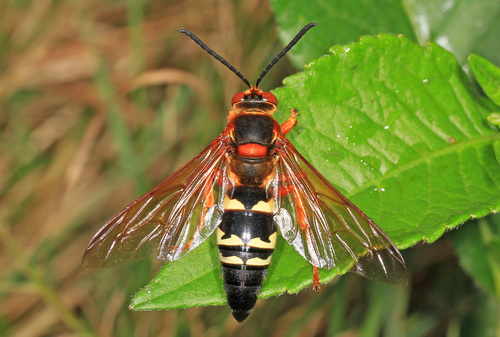
Cicada
genus of insects
Tanna
genus of insects

Zammara
Zammara (from ) is a genus of cicadas. These species are large cicadas that are generally bright blue-green in color. Like other cicadas, these can produce loud calls; Zammara tympanum, for example, makes a "winding up-like pulsating buzz." Zammara are found in the Neotropics, especially in equatorial regions, where they live in tropical forest habitat. The genus is characterized by tarsi (the "feet" of the insect) that are divided into 2 segments, or tarsomeres; other genera in the tribe have 3 tarsomeres in each tarsus.
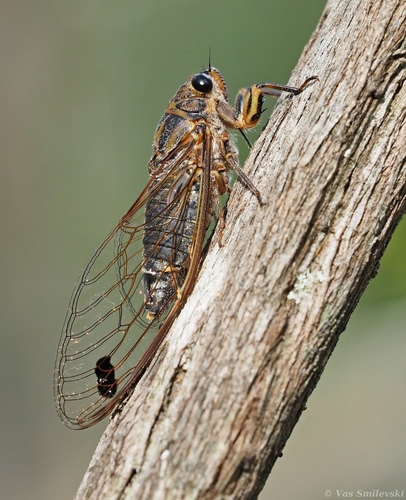
Cicadetta
thumb|Cicadetta calliope
thumb|Cicadetta brevipennis
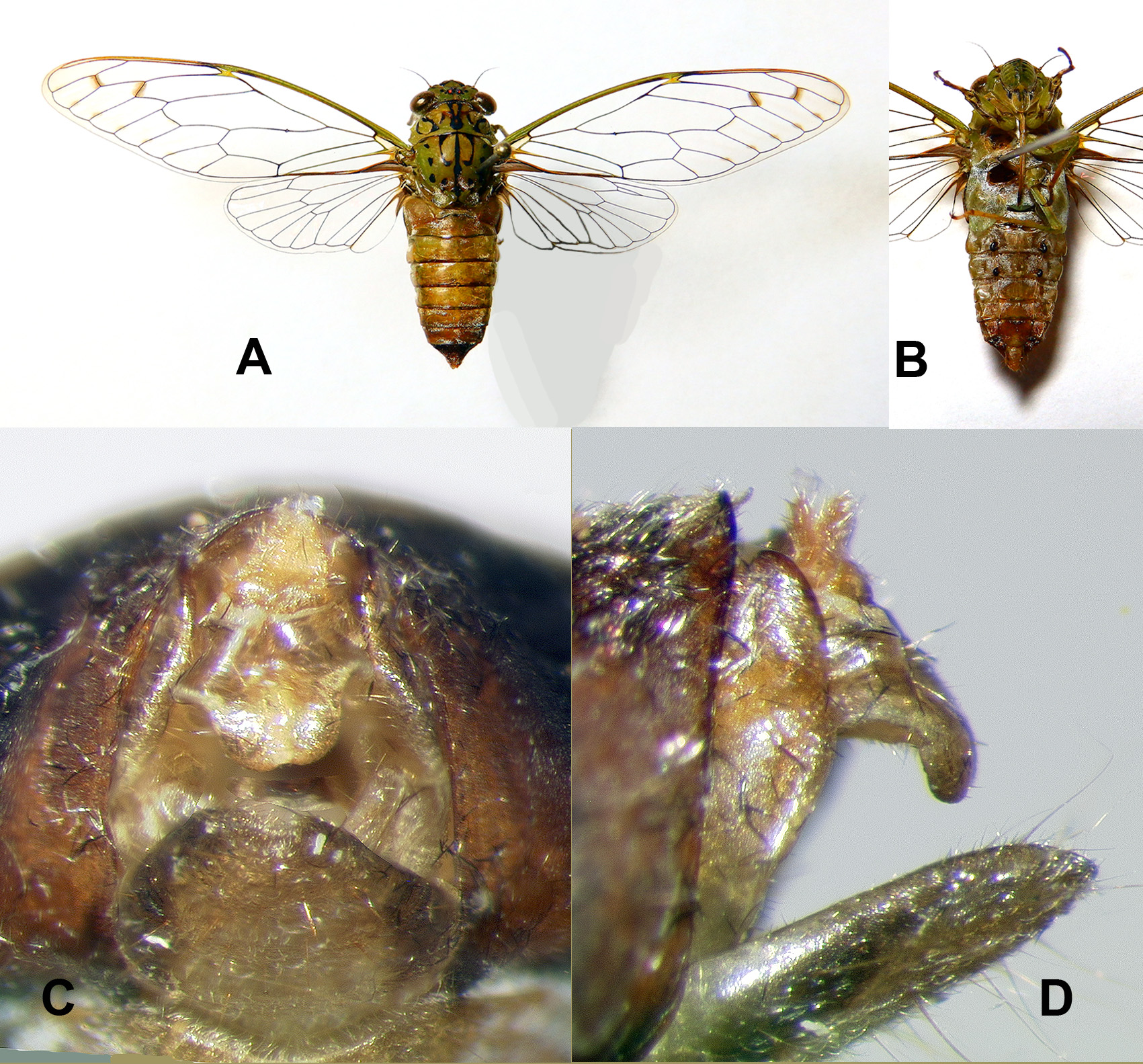
Purana
genus of insects
Carineta
Carineta is a genus of cicadas in the family Cicadidae.
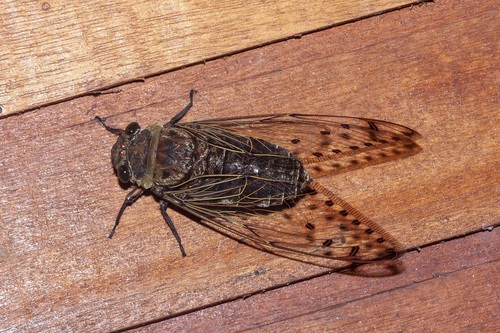
Megapomponia
Megapomponia is a genus of cicadas from Southeast Asia containing the world's largest cicada species. It now belongs to the subtribe Megapomponiina and was erected by Michel Boulard to accommodate the world's largest cicada species, Megapomponia imperatoria, the type species of Megapomponia. Boulard included seven species in Megapomponia. Lee and Sanborn, however, re-transferred two species to Pomponia, Pomponia decem and Pomponia rajah.

Kikihia
thumb|Kikihia cutora, cumberi, laneorum, subalpina illustrated by Des Helmore
Kikihia is a genus of cicada in the family Cicadidae. Most species contained in the genus are endemic to New Zealand, with a single Australian species (K. convicta) found on Norfolk Island. The genus was established in 1972 by John S. Dugdale with eleven species formerly classed within the genus Cicadetta.
Pycna
Pycna is a genus of cicadas in the tribe Platypleurini, from Madagascar.

Abricta
Abricta is a genus of cicada found in Réunion, Mauritius, northeastern India, the Moluccas, New Caledonia and eastern Australia. They make a distinctive hissing sound when calling. Adult members of the genus usually face downwards on tree branches, and lay their eggs in living tissue. The genus was originally described by Carl Stål. The type species is Abricta brunnea from Mauritius and Reunion. However, recent review of the genus has shown it to be a disparate group of species, and the Australian members moved to other genera. S.M. Moulds conducted a morphological analysis of the genus and fo
Tosena
Tosena (from ) is a genus of cicadas from South-East Asia. Species formerly included in Tosena are Distantalna splendida, Formotosena montivaga, Formotosena seebohmi, Trengganua sibylla and two species now placed in Vittagaeana, with Tosena the only genus of tribe Tosenini.
Psaltoda
Psaltoda is a genus of cicada found in eastern Australia. Originally described by Carl Stål, the type species is Psaltoda moerens known as the redeye, and P. plaga is a well-known species from eastern Australia, known as the black prince. Sixteen species are recognised. Relationships of the species with each other remains unclear.
Platypleura
thumb|Platypleura hilpa
Platypleura is a genus of cicadas, occurring widely across Africa and southern Asia; it is the type genus of the tribe Platypleurini and species previously included here are now placed in other similar genera, such as Planopleura and Dyticopycna.
Yanga
genus of insects
Cicadatra
Cicadatra is a genus of European and Asian cicadas; it was erected by Kolenati in 1857 and is typical of the tribe Cicadatrini.
Ariasa
Ariasa is a genus of true bugs belonging to the family Cicadidae.
Oxypleura
Oxypleura is a genus of Asian cicadas in the tribe Platypleurini, erected by Charles Jean-Baptiste Amyot and Jean Guillaume Audinet-Serville in 1843; they named it from the Greek: οξύς (sharp) and pleura (πλευρά). Species distribution records include: Africa, the Arabian Peninsula, India, Indochina and Australia.
Angamiana
Angamiana is a monotypic genus of Asian cicadas in the tribe Polyneurini, erected by William Lucas Distant.
Guyalna
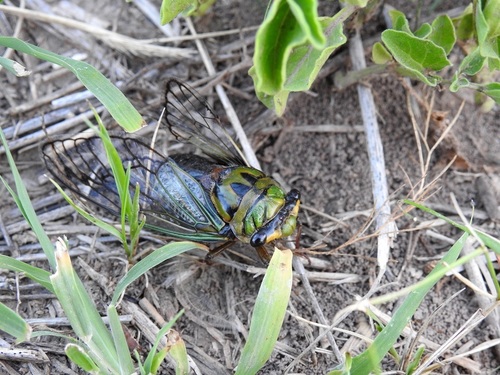
Guyalna is a genus of cicadas in the family Cicadidae. It was first described by Boulard and Martinelli in 1996. Members of this genus are characterized by three-segmented tarsi, a rounded timbal cover apex, a pronotum shorter than the mesonotum, the head as wide or slightly wider than the mesonotum, and slightly protruding eyes, according to the authors who first described it.
Karenia
genus of insects
Maoricicada
Maoricicada, commonly known as black cicadas or mountain black cicadas, is a genus of cicada in the family Cicadidae. This genus is endemic to New Zealand.
Tibicina
Tibicina is a genus of cicadas belonging to the family Cicadidae, subfamily Tibicininae.
Dundubia
Dundubia is a genus of cicadas (Hemiptera: Cicadidae) in the subfamily Cicadinae and the type genus of the tribe Dundubiini.
Euterpnosia
Euterpnosia is a genus of cicada native to the island of Formosa, the Ryukyu Archipelago, Japan, Hainan and mainland Asia - China, Bhutan, Nepal and Vietnam. The type species is Euterpnosia chibensis Matsumura, 1917. Until 2013 this genus was placed in the subtribe Leptopsaltriina, but is now considered typical of the subtribe Euterpnosiina .
Sulphogaeana
Sulphogaeana is a genus of cicadas found in Asia from the Himalayas east to Laos and Vietnam. They were earlier included in the genus Gaeana.
Thopha
Thopha (from ) is a genus of cicadas native to Australia. They are also known as double drummers. Genetic and morphological data show that Thopha is closely related to the genus Arunta; together they comprise the tribe Thophini.
Talainga
Talainga is a genus of Asian cicadas in the tribe Gaeanini, erected by William Lucas Distant in 1890. Species have been recorded from Bangladesh, China and Indochina.

Cryptotympana
Cryptotympana is a genus of cicadas from Southeast Asia, now placed in the tribe Tacuini.
Graptopsaltria
Graptopsaltria is a genus of cicadas from East Asia.
Hyalessa
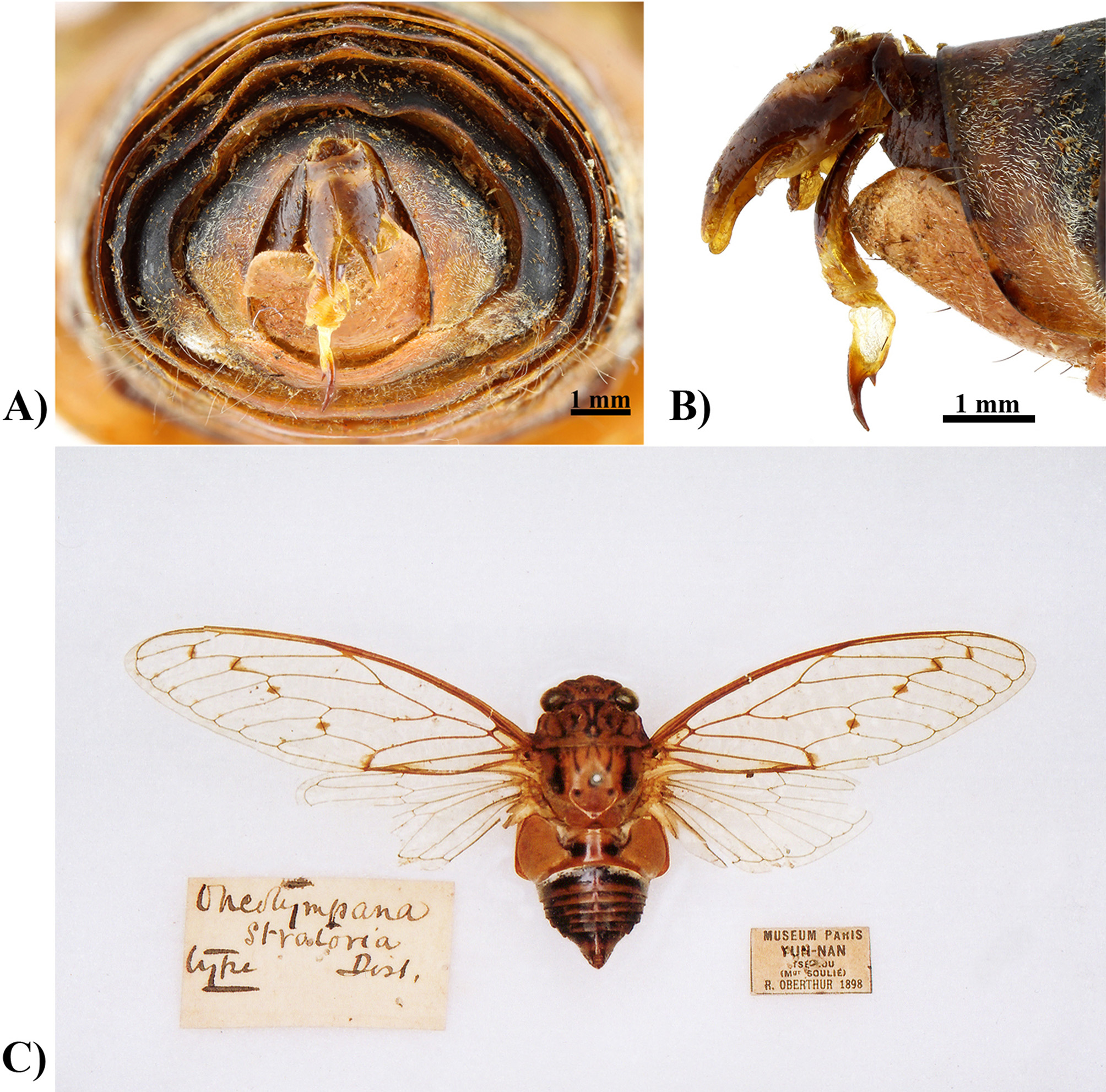
Hyalessa is a genus of cicadas in the subfamily Cicadinae, found in the Palearctic and East Asia. It is the sole genus in the tribe Sonatini.
Hadoa
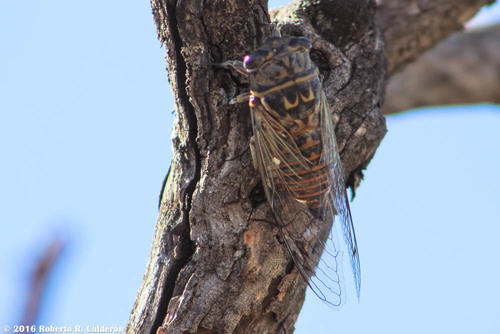
The genus Hadoa comprises large-bodied Cicadidae occurring in Western North America. Until recently, these species were in the genus Tibicen (now genus Lyristes Horvath, 1926), which has now been redefined so as to include only a few European species, while most species from the Eastern and Central US are now placed in Neotibicen and Megatibicen.
Rhodopsalta
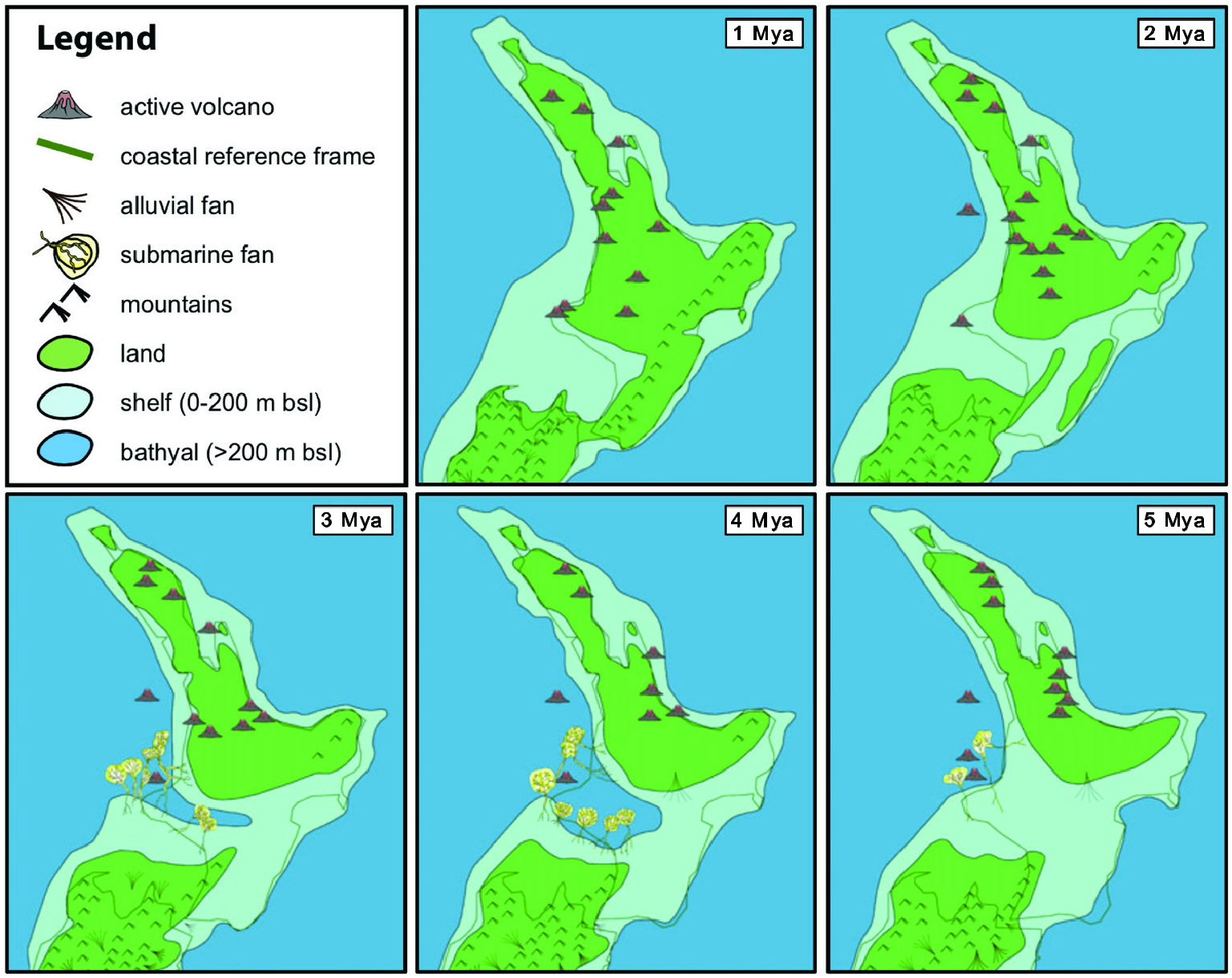
Rhodopsalta is a genus of cicada in the family Cicadidae. It is endemic to New Zealand.

Neotibicen
Cicadas of the genus Neotibicen are large-bodied insects of the family Cicadidae that appear in summer or early fall in eastern North America and formerly Bermuda. Common names include cicada, harvestfly, jar fly, and the misnomer locust.
Arenopsaltria
Arenopsaltria is a genus of cicadas, commonly known as sandgrinders, belonging to the family Cicadidae. The species of this genus are found in Australia.
Herrera
genus of insects
Gaeana
Gaeana (from ) is a genus of cicadas, most members of which have colourful marking on their forewings, found across tropical and temperate Asia. Their bright wing patterns have been hypothesized as being a case of Batesian mimicry where the toxic models may be day-flying moths of the subfamilies Zygaeninae and Arctiinae. It was thought to be related to the genus Tosena but is differentiated by the exposed tympanum and lacks spines on the sides of the pronotum and now in a separate tribe.

Polyneura
Polyneura is a cicada genus from Southeast Asia. The type species is Polyneura ducalis with type material from India.
Leptopsaltria
Leptopsaltria is a genus of cicadas from Southeast Asia and typical of the tribe Leptopsaltriini.
Amphipsalta
Amphipsalta, commonly known as clapping cicadas, is a genus of cicada in the family Cicadidae. This genus is endemic to New Zealand.
Pomponia
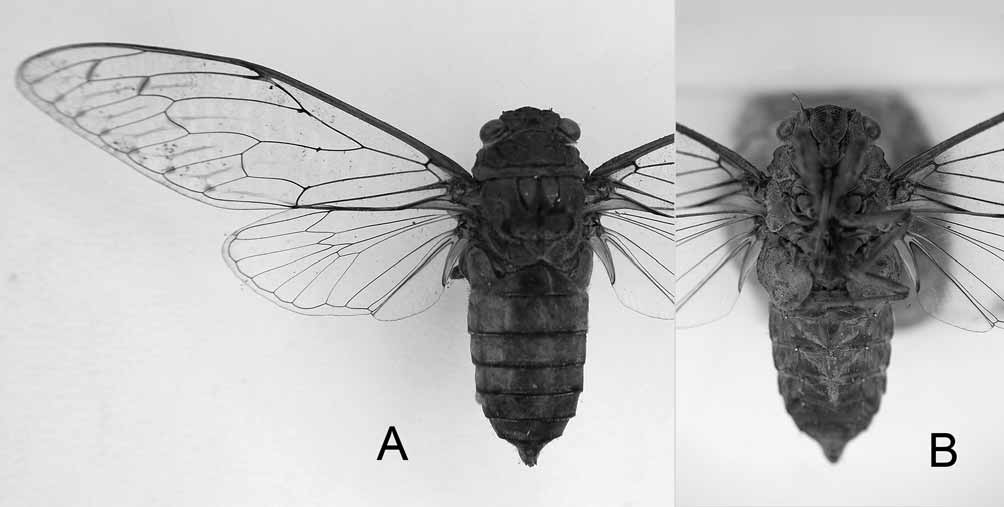
genus of cicadas
Tryella
thumb|Tryella willsi, Australia
Munza
thumb|Munza, Botswana