Category
page 1Client states
.svg)
protectorate
A protectorate, in the context of international relations, is a state or dependent territory that foregoes an independent foreign policy in favour of alliance with a protecting power, normally in order to ensure its defence against regional aggressors. It is a dependent territory that enjoys autonomy over most of its internal affairs, while still recognizing the suzerainty of a more powerful sovereign state without being a possession. In exchange, the protectorate accepts treaty obligations which bind it to the protecting power in foreign policy. Protectorates are established formally by a tre
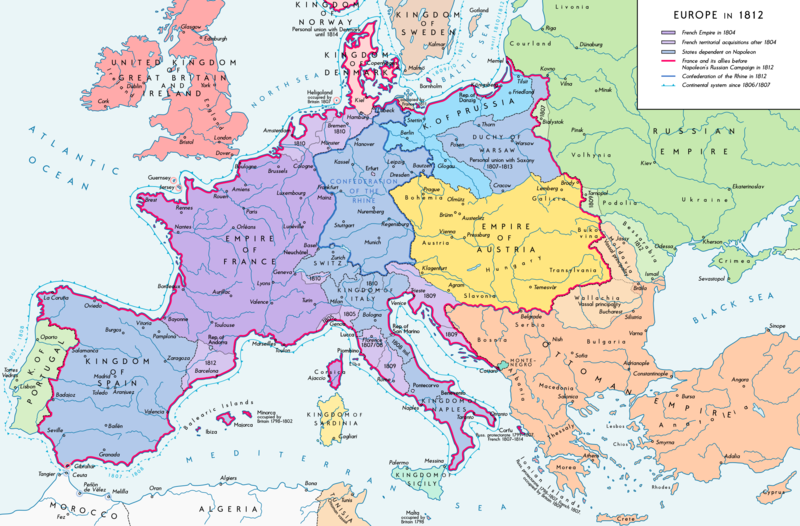
puppet state
state that is supposedly independent but is in fact dependent upon an outside power

dominion of the British Empire
A dominion was a self-governing country within the British Empire and then the British Commonwealth of Nations, primarily in the first half of the 20th century. The dominions in 1926 were Australia, Canada, the Irish Free State, New Zealand, Newfoundland, and South Africa; in 1948 Ceylon (now Sri Lanka), and in 1947 India and Pakistan. In the years following the Second World War, the British Empire was refashioned into the more modern (and more post-colonial) Commonwealth of Nations (after which the former dominions were often referred to as the Old Commonwealth). By the time this transition w
satellite state

tribute
thumb|A procession of high-ranking Assyrian officials followed by tribute bearers from Urartu. From Khorsabad, Iraq, c. 710 BCE. Iraq Museum
thumb|Objects in the "Apadana" reliefs at Persepolis: armlets, bowls, and [[amphorae with griffin handles are given as tribute.]]
suzerainty
A suzerain (, from Old French "above" + "supreme, chief") is a person, state or polity who has supremacy and dominant influence over the foreign policy and economic relations of another subordinate party or polity, but allows internal autonomy to that subordinate. Where the subordinate polity is called a vassal, vassal state or tributary state, the dominant party is called the suzerain. The rights and obligations of a vassal are called vassalage, and the rights and obligations of a suzerain are called suzerainty.

princely state
type of vassal state in British India
vassal state
state subordinate to another state
client state
state that is economically, politically, or militarily subordinate to another

self-governing colony
British colony with an elected government