Category
page 1Coastal engineering
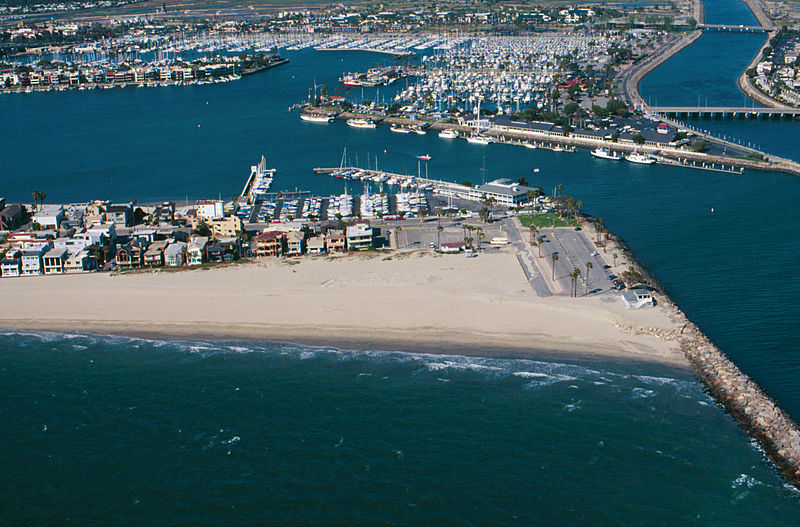
breakwater
structure constructed on coasts as part of coastal management or to protect an anchorage
.png)
dredging
thumb|A grab dredge
Dredging is the excavation of material from a water environment. Possible reasons for dredging include improving existing water features; reshaping land and water features to alter drainage, navigability, and commercial use; constructing dams, dikes, and other controls for streams and shorelines; and recovering valuable mineral deposits or marine life having commercial value. In all but a few situations the excavation is undertaken by a specialist floating plant, known as a dredger.
tetrapod
type of structure in coastal engineering
coastal management
defense against flooding and erosion
marine engineering
engineering of boats, ships, oil rigs and any other marine vessel or structure
coastal erosion
loss or displacement of land along a coastline

sea wall
thumb|upright=1.25|An example of a modern seawall in Ventnor on the [[Isle of Wight, England]]
thumb|People socializing and walking at the Malecón, Havana
thumb|upright|Seawall at Urangan, Queensland
coastal engineering
branch of civil engineering

revetment
thumb|upright=1.2|right|Asphalt and sandbag revetment with a geotextile filter

beach nourishment
transfer of sand from offshore areas to resupply beach areas that have been eroded

clapotis
thumb|right|Incoming wave (red) reflected at the wall produces the outgoing wave (blue), both being overlaid resulting in the clapotis (black).
iribarren number
dimensionless parameter used to model several effects of breaking surface gravity waves on beaches and coastal structures
Sand Motor
coastal protection project in South Holland, the Netherlands
dolos
thumb|250px|Dolosse forming a protective structure against a shoreline in [[Cape Town, South Africa.]]
land reclamation in the United Arab Emirates
Dynamic revetment
cobble-based coastal protection
managed retreat
purposeful, coordinated movement of people and buildings away from risks, often in response to a variety of hazards such as flood, wildfire, or drought
Xbloc
thumb|Large Xblocs () on a trial placement area
Waterwolf
thumb|Detail of a map by Jacob Bartelz Veris drawn in 1641 of the Haarlem Lake, with a poem by Joost van den Vondel topped by a Dutch Lion fighting the Waterwolf as an allegory of the Dutch struggle against floods
Waterwolf, or Water-wolf is a Dutch word that comes from the Netherlands, which refers to the tendency of lakes in low lying peaty land, sometimes previously worn-down by men digging peat for fuel, to enlarge or expand by flooding, thus eroding the lake shores, and potentially causing harm to infrastructure, or death. The term waterwolf is an example of zoomorphism, in which a non-li
river plume
mix of river discharge and seawater
Matress
Bed protection for a watercourse made of geotextile and osier ( willow) wood
land reclamation in Monaco