Category
page 1Cognitive dissonance

logical contradiction
thumb|This diagram shows the contradictory relationships between categorical propositions in the [[square of opposition of Aristotelian logic.]]

cognitive dissonance
mental stress or discomfort experienced by an individual who holds two or more contradictory beliefs, ideas, or values at the same time
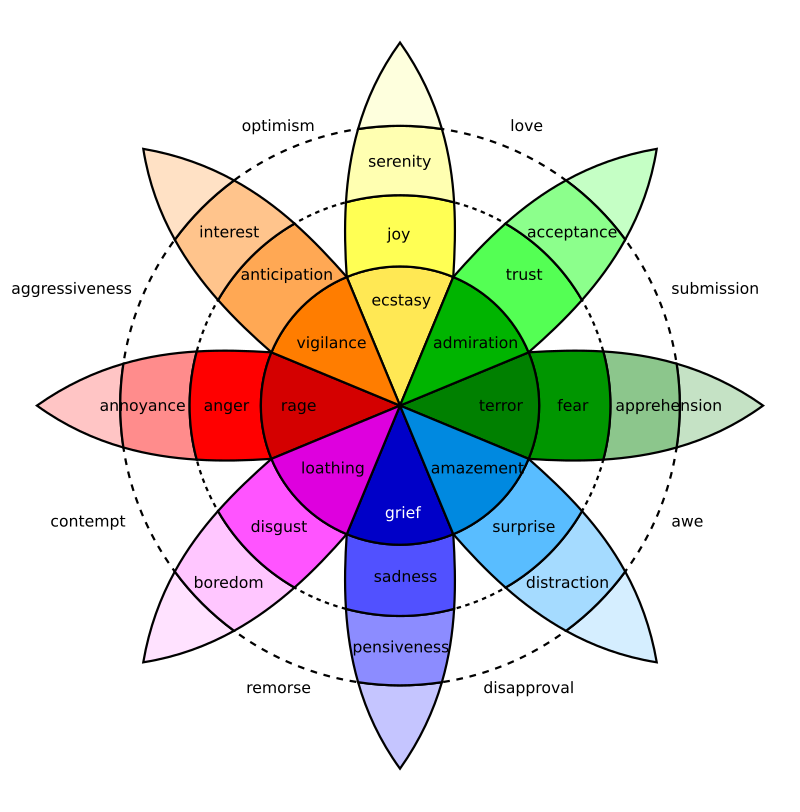
mental confusion
In psychology, confusion is the quality or emotional state of being bewildered or unclear. The term acute mental confusion is often used interchangeably with delirium in the International Statistical Classification of Diseases and Related Health Problems and the Medical Subject Headings publications to describe the pathology. These refer to the loss of orientation, or the ability to place oneself correctly in the world by time, location and personal identity. Mental confusion is sometimes accompanied by disordered consciousness (the loss of linear thinking) and memory loss (the inability to co

double standard
application of different sets of justifications for situations that are essentially the same

The Fox and the Grapes
Aesop’s fable
doublethink
Doublethink is a process of indoctrination in which subjects are expected to simultaneously accept two conflicting beliefs as truth, often at odds with their own memory or sense of reality. George Orwell coined the term doublethink as part of the fictional language of Newspeak in his 1949 dystopian novel Nineteen Eighty-Four.
.jpg)
denialism
thumb|Anti-denialist banner at the 2017 Climate March in Washington, D.C.
Madonna–whore complex
inability to maintain sexual arousal within a committed, loving relationship
doublespeak
Doublespeak is language that deliberately obscures, disguises, distorts, or reverses the meaning of words. Doublespeak may take the form of euphemisms (e.g., "downsizing" for layoffs and "servicing the target" for bombing), in which case it is primarily meant to make the truth sound more palatable. It may also refer to intentional ambiguity in language or to actual inversions of meaning. In such cases, doublespeak disguises the nature of the truth.
love–hate relationship
relationship involving simultaneous or alternating emotions of love and hate
non-apology apology
A non-apology, sometimes called a backhanded apology, empty apology, nonpology, or fauxpology, is a statement in the form of an apology that does not express remorse for what was done or said, or assigns fault to those ostensibly receiving the apology. It is common in politics and public relations.
Effort justification
Tendency to value the outcome of high effort equally high