Category
page 1Collaborative poetry
renga
Renga (, linked poem) is a genre of Japanese collaborative poetry in which alternating stanzas, or ku (句), of 5-7-5 and 7-7 morae (sound units or syllables per line) are linked in succession by multiple poets. Known as tsukuba no michi ( The Way of Tsukuba) after the famous Tsukuba Mountain in the Kantō region, the form of poetry is said to have originated in a two-verse poetry exchange by Yamato Takeru and later gave birth to the genres haikai () and haiku ().
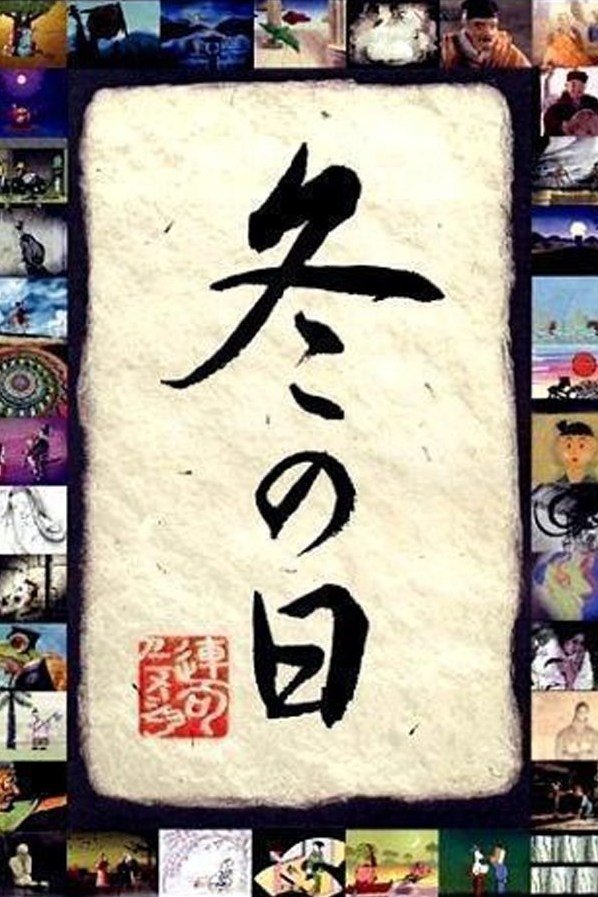
Winter Days
2003 film by Kihachirō Kawamoto
renku
, or , is a Japanese form of popular collaborative linked verse poetry. It is a development of the older Japanese poetic tradition of ushin renga, or orthodox collaborative linked verse. At renku gatherings participating poets take turns providing alternating verses of 17 and 14 morae. Initially haikai no renga distinguished itself through vulgarity and coarseness of wit, before growing into a legitimate artistic tradition, and eventually giving birth to the haiku form of Japanese poetry. The term renku gained currency after 1904, when Kyoshi Takahama started to use it.
uta-awase
thumb|right|300px|Eleventh-century scroll of the Poetry Contest held by the Empress in the Kanpyō (era)|Kampyō era (c. 890); one of several manuscripts of poetry contests that have been designated [[National Treasures; Tokyo National Museum]]