Category
page 1Colonial Mexico

New Spain
viceroyalty of the Spanish Empire (1535-1821)

Mexico City Metropolitan Cathedral
cathedral in Mexico City
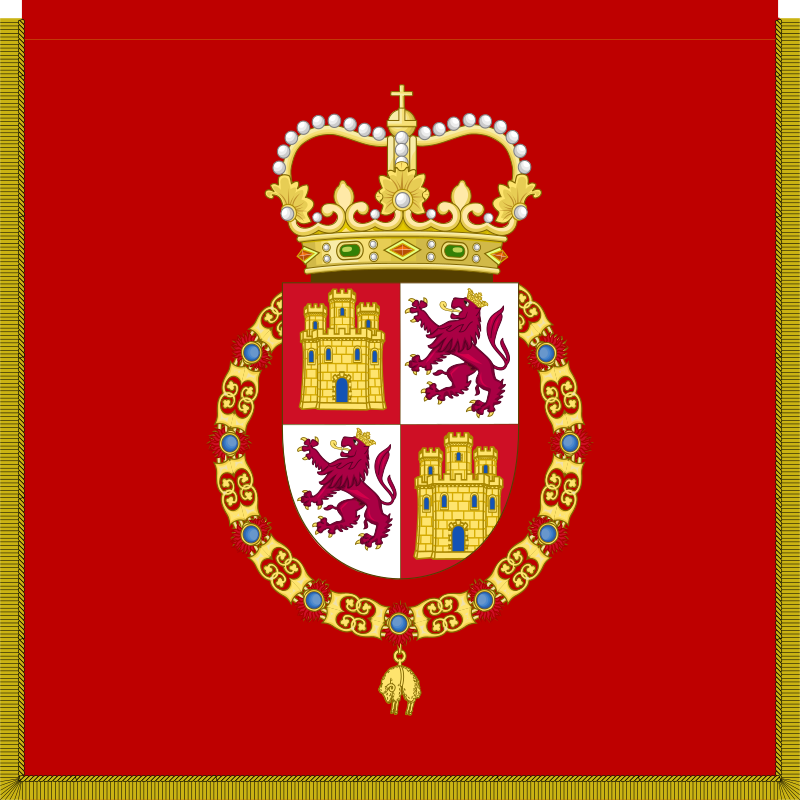
Spanish colonization of the Americas
overseas expansion under the Crown of Castile

Our Lady of Guadalupe
title of the Virgin Mary as she appeared to an Indigenous man in Mexico in December 1531
Manila galleon
Royal Spanish trading ships, 1565–1815
El Camino Real de Tierra Adentro
northernmost of Mexico City‘s four "royal roads"
National Palace
Seat of the Executive branch of the Mexican Federal Government in Mexico City
Grito de Dolores
call to arms triggering the Mexican War of Independence
Andrés de Urdaneta
Spanish Basque explorer
Franciscan Missions in the Sierra Gorda
UNESCO world heritage in Mexico
Antonio
Basque explorer, adventurer, soldier, explorer, memorialist, authorized by Pope Urban VIII to dress like a man
Jerónimo de Aguilar
Friar, conquistador
The Californias
Region of western North America
Museo Nacional de Arte
art museum in Mexico City, Mexico
Nueva Galicia
province & indendancy in New Spain, Spain
Vasco de Quiroga
Spanish bishop
Alameda Central Park
public park in Mexico City
Spanish conquest of Yucatán
campaign undertaken by the Spanish conquistadores
cocoliztli epidemic
16th century epidemics in New Spain
cabildo
Spanish colonial, and early post-colonial, administrative council which governed a municipality
Academy of San Carlos
first major art academy and the first art museum in the Americas
Juan de Torquemada
Spanish scholar 1557-1624
Spanish Texas
province of New Spain
Santa Fe de Nuevo México
province of New Spain (1598-1821), territory of Mexico (1821-1846), provisional government of the USA (1846-1850)

Tanaka Shōsuke
Japanese trader, diplomat, technician; early Japanese contact with the Americas
Declaration of Independence of the Mexican Empire
document proclaiming Mexican independence from Spain, ratified 28 September 1821

repartimiento
The Repartimiento () (Spanish, "distribution, partition, or division") was a colonial labor system imposed upon the indigenous population of Spanish America and the Philippines. In concept, it was similar to other tribute-labor systems, such as the ''mit'a of the Inca Empire or the corvée of the Ancien Régime de France: Through the pueblos de indios, the Amerindians were drafted work for cycles of weeks, months, or years, on farms, in mines, in workshops (obrajes''), and public projects.

Nuevo Santander
Region of New Spain

Manuel Tolsá
Spanish architect (1757-1816)
Captaincy General of Yucatán
Spanish 1617-1821 possession in Central America
Mixtón War
1540–1542 war
Zia people
indigenous tribe of Puebloan peoples centred in New Mexico
Ramírez Codex
manuscript on Aztec history from the late XVIth century
Colegio de Santa Cruz de Tlatelolco
16th and 17th century school of higher learning in Mexico
María de Estrada
Spanish conqueror
Spanish conquest of the Maya
conquest dating from 1511 to 1697
Spanish conquest of Petén metides
1618 final stage of the conquest of Guatemala
Villa de Guadalupe Hidalgo
former separate town, now a neighborhood of northern Mexico City
Chichimeca War
16th-century war between the Spanish Empire and indigenous peoples of Mexico
Juno and Avos
rock opera by Alexey Rybnikov and Andrei Voznesensky
New Navarre
province of the Viceroyalty of New Spain
New Kingdom of León
territory of Spain (1582-1821) in Mexico, roughly corresponding in area to modern Nuevo León
Spanish Main
historical region
Nueva Extremadura
Former province of New Spain
Mexican Inquisition
Expansion of the Spanish Inquisition to New Spain
Thomas Gage
English clergyman (1597-1656)
San Ildefonso College
Art museum in Mexico City
Juan Bautista Pomar
mesoamericanist
Palace of the Governors
building in Santa Fe
Solemn Act of the Declaration of Independence of Northern America
the first Mexican legal historical document which established the separation of Mexico from Spanish rule
Sobaipuri
The Sobaipuri were one of many Indigenous groups occupying Sonora and what is now Arizona at the time Europeans first entered the American Southwest. They were an O'odham group who occupied southern Arizona and northern Sonora (the Pimería Alta) in the 15th–19th centuries. They were a subgroup of the O'odham or Pima, surviving members of which include the residents of San Xavier del Bac which is now part of the Tohono O'odham Nation and the Akimel O'odham.
Museo Nacional de las Culturas del Mundo
national museum in Mexico City, Mexico
Museo de la Secretaría de Hacienda y Crédito Público
art museum in Mexico City
Testerian catechismes
Religious documents of the XVI century
La Constancia Mexicana
museum in Mexico
House of the First Print Shop in the Americas
building in Mexico City, Mexico
Felipe de Salcedo
Spanish-Mexican conquistador
cacicazgo
thumb|A map by Smithsonian (magazine)|Smithsonian of historical cacicazgos in [[Puerto Rico]]
A cacicazgo (Spanish; also anglicized as caciquedom) is a Taíno chiefdom, ruled by a cacique. The Spanish colonial system recognized indigenous elites as nobles in Mexico and Peru, and other areas. Nobles could entail their estates, which were called cacicazgos on the model of Spanish entailed estates, or mayorazgos. This term is found in contexts such as "la princesa de Cofachiqui, señora de un cacigazgo indígena" or, for example: "In November of 1493, the island of Boriquén had approximately 20 caci
Gonzalo de Salazar
Spanish colonial aadministrator
Royal Audiencia of Guadalajara
tribunal of the Spanish Crown