Category
page 1Color articles with suppressed CMYK data
%20-%20Wheat%20Field%20with%20Crows%20(1890).jpg)
black

yellow
Yellow is a color between green and orange on the spectrum of light. It is evoked by light with a dominant wavelength of roughly 575585 nm. It is a primary color in subtractive color systems, used in painting or color printing. In the RGB color model, used to create colors on television and computer screens, yellow is a secondary color made by combining red and green at equal intensity. Carotenoids give the characteristic yellow color to autumn leaves, corn, canaries, daffodils, and lemons, as well as egg yolks, buttercups, and bananas. They absorb light energy and protect plants from photo da

blue

white
orange
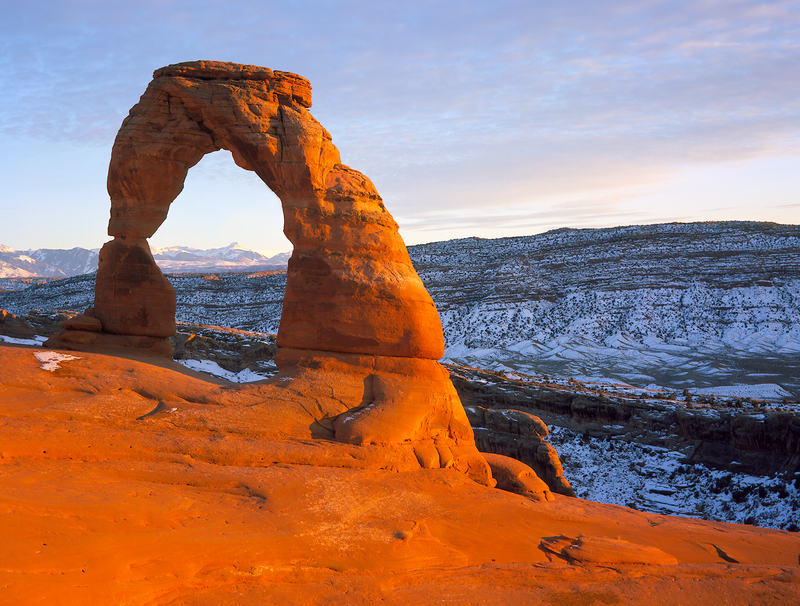
colour, located between red and yellow in the spectrum of light

Umbria
Umbria ( ; ) is a region of central Italy. It includes Lake Trasimeno and Marmore Falls, and is crossed by the Tiber. It is the only landlocked region on the Apennine Peninsula. The capital is Perugia. The region has 851,954 inhabitants as of 2025.

grey

brown
Brown is a color. It can be thought as a darker, typically desaturated shade of orange, and can often be produced by combining red and yellow with another color, namely blue.

pink
Pink is a pale tint of red or rose, the color of the pink flower. It was first used as a color name in the late 17th century. A combination of pink and white is associated with innocence, whereas a combination of pink and black links to eroticism and seduction.

Template:Infobox color
Wikimedia template

violet
color between blue and ultraviolet in the electromagnetic spectrum

purple
Purple is a color similar in appearance to violet light. In the RYB color model historically used in the arts, purple is a secondary color created by combining red and blue pigments. In the CMYK color model used in modern printing, purple is made by combining magenta pigment with either cyan pigment, black pigment, or both. In the RGB color model used in computer and television screens, purple is created by mixing red and blue light in order to create colors that appear similar to violet light. According to color theory, purple is considered a cool color.
cyan
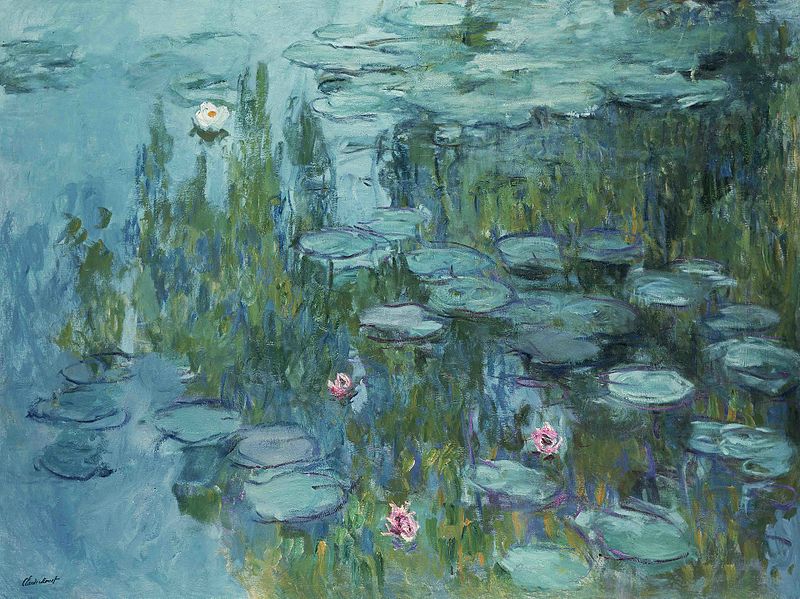
Cyan () is the color between blue and green on the visible spectrum of light. It is evoked by light with a predominant wavelength between 500 and 520 nm, between the wavelengths of green and blue.

indigo
Indigo is a term used for a number of hues in the region of blue. The word comes from the ancient dye of the same name. The term "indigo" can refer to the color of the dye, various colors of fabric dyed with indigo dye, a spectral color, one of the seven colors of the rainbow as described by Sir Isaac Newton, or a region on the color wheel, and can include various shades of blue, ultramarine, and green-blue. Since the web era, the term has also been used for various purple and violet hues identified as "indigo", based on use of the term "indigo" in HTML web page specifications.

magenta
Magenta is a purplish-red color. On color wheels of the RGB and CMYK color models, it is located directly midway between blue and red. It is one of the 4 colors of subtractive ink used in color printing by most color printers, also known as CMYK along with yellow, cyan, and black to make all the other colors and hues. The tone of magenta used in printing, printer's magenta, is redder than the magenta of the RGB (additive) model, the former being closer to rose.

gold
color tone resembling the gold chemical element

silver
metallic color tone resembling gray that is a representation of the color of polished silver

ochre
thumb|Ochre pigment
Ochre ( ; ) is a family of natural clay earth pigments, made up of ferric oxide and varying amounts of clay and sand, ranging in colour from yellow to deep orange or brown. The term is also used for the colours produced by this pigment, especially a light brownish-yellow. A variant of ochre containing a large amount of hematite, or dehydrated iron oxide, has a reddish tint known as red ochre (or, in some dialects in England, ruddle). The term "ochre" is colloquially used to cover a range of different substances used for their colours in Aboriginal Australian art and ceremon
.jpg)
khaki
thumb|upright=1.35|Khaki is a common color in military uniforms and equipment, particularly those intended for use in desert or arid regions, as seen on these German and Senegalese officers.

Prussian blue
dark blue pigment

turquoise
greenish blue color, based on the gem of the same name

olive
dark yellowish green color

ultramarine
Ultramarine is a deep blue pigment which was originally made by grinding lapis lazuli into a powder. Its lengthy grinding and washing process makes the natural pigment quite valuable—roughly ten times more expensive than the stone it comes from. Between the 14th and 15th centuries, it was as expensive as gold in Europe.

beige
thumb|200px|'''' is the French word for the color of natural wool (freshly shorn example at the [[Royal Winter Fair).]]

azure
bright, cyan-blue colour

scarlet
color shade of bright red
methyl orange
pH indicator

vermilion
thumb|The Venetian painter Titian used vermilion for dramatic effect. In the Assumption of the Virgin (1516–18), the vermilion robes draw the eye to the main characters.
thumb|A Chinese "cinnabar red" carved lacquer box from the Qing dynasty (1736–1795), [[National Museum of China, Beijing]]

sky blue
colour of the unclouded sky at noon reflecting off a metallic surface

crimson
Crimson is a rich, deep red color, inclining to purple.

maroon
Maroon ( , ) is a brownish red color that takes its name from the French word , meaning chestnut. Marron is also one of the French translations for "brown".
Paris Green
chemical compound
lilac
color, pale tone of violet
lime
bright green color between blue and yellow
sepia
reddish-brown color, named after the rich brown pigment derived from the ink sac of the common cuttlefish Sepia
aquamarine
blue-green color
cobalt blue
color
chartreuse
shade of yellow-green
cream
color
amber
color term midway between the colors of gold and orange
navy blue
dark shade of the color blue
.jpg)
teal
{| class="wikitable floatright"
|+ Teal as a tertiary color
|-
|
|-
|
|-
|
|}
alt=Eurasian teal drake (male)|thumb|A male Eurasian teal, showing the iridescent blue-green stripe on the head
alt=Eurasian teal drake (male)|thumb|As the color in the teal's head is a Structural coloration|structural color, its exact color as perceived by the human eye varies with the angle of light incidence
thumb|Teal color in an iceberg
alt=The flag of Sri Lanka uses teal.|thumb|The [[flag of Sri Lanka uses teal.]]
Teal is a dark cyan color. Its name comes from that of a bird, the Eurasian teal (Anas crecca) whi
coral
color
saffron
color that is a tone of golden yellow
Egyptian blue
color

verdigris
Verdigris () is a common name for any of a variety of somewhat toxic copper salts of acetic acid, which range in colour from green to a bluish-green depending on their chemical composition. Once used as a medicine and pharmaceutical preparation, verdigris occurs naturally, creating a patina on copper, bronze, and brass, and is the main component of a historic green pigment used for artistic purposes from antiquity until the late 20th century, including in easel painting, polychromatic sculptures, and illumination of maps. However, due to its instability, its popularity declined as other green

mauve
thumb|Malva sylvestris|Mallow wildflower
fuchsia
color
Falu red
color
_-_Google_Art_Project.jpg)
umber
thumb|upright=1.0|Jules Bastien-Lepage, Pas Meche, 1882. An example of the shadows created by using umber in a painting.
rose
color halfway between red and magenta on the HSV color wheel
wine
dark shade of red that resembles the typical color of red wine
salmon
a warm color ranging from light orange to pink
ivory
off-white color that resembles ivory
burgundy
dark red color associated with the Burgundy wine

bister
thumb|upright=1.2| , a wash painting using bistre pigment by Jean-Honoré Fragonard (1732–1806)

Millettia laurentii
species of plant
cerulean
{| align="right"
|+ Cerulean as a quaternary color on the RYB color wheel
|
|-
|
|-
|
|}
cosmic latte
name assigned to the average color of the universe
sienna
Sienna () is an earth pigment containing iron oxide and manganese oxide. In its natural state, it is yellowish brown, and it is called raw sienna. When heated, it becomes a reddish brown, and it is called burnt sienna. It takes its name from the city-state of Siena, where it was produced during the Renaissance. Along with ochre and umber, it was one of the first pigments to be used by humans, and is found in many cave paintings. Since the Renaissance, it has been one of the brown pigments most widely used by artists.