Category
page 1Commercial policy

protectionism
upright=1.3|thumb|Pro-free trade poster from the British Liberal Party (UK)|Liberal Party; the "free trade shop" is depicted as having more customers and lower prices, while the "protection shop" has higher prices, a smaller and lower-quality selection of goods, and no customers
upright=1.3|thumb|Anti-free trade postcard from 1910

free trade
policy in which countries' governments do not restrict imports from, or exports to, other countries

economic competition
rivalry between firms; ability of companies to take each others' market share in a given market

free trade zone
area where goods may be landed, stored, handled, manufactured, reconfigured, or re-exported under specific customs regulation and generally not subject to customs duty
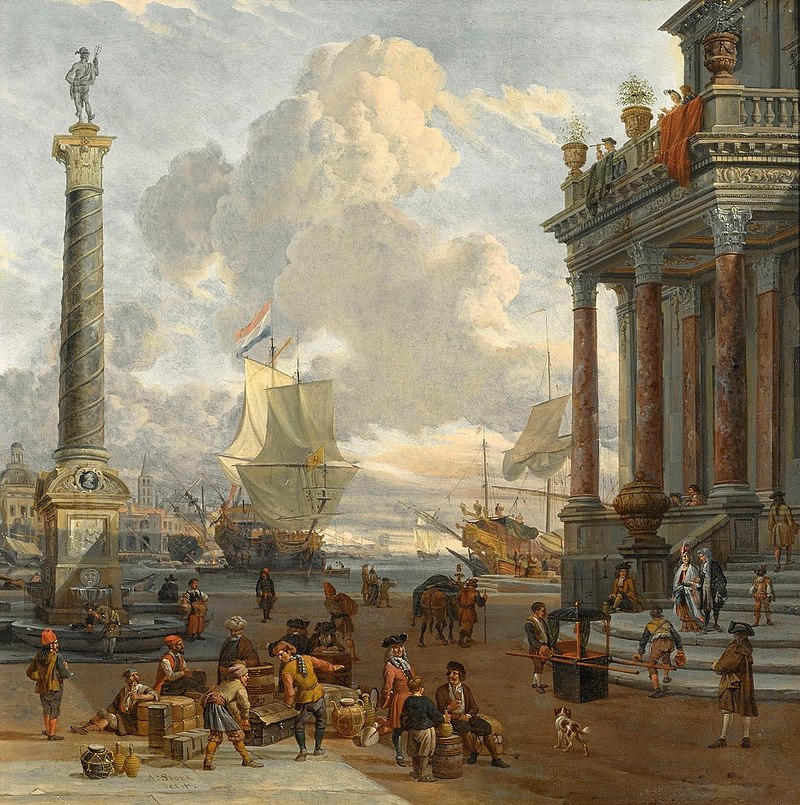
customs union
type of trade bloc with a free trade area and common external tariff

dumping
sale of goods or services under the production cost or their own costs
special economic zone
geographical region that is designed to export goods and provide employment, in different parts of the world
Washington Consensus
broad set of economic policies commonly prescribed by institutions based in Washington D.C. such as the International Monetary Fund (IMF) and World Bank
commercial policy
government's policy governing international trade
non-tariff barriers to trade
type of trade barriers
food power
use of agriculture as a means of political control
Common Commercial Policy
EU policy
international trade law
branch of law
beggar thy neighbour
economic improvement attempt that causes worse conditions for other countries
Tariff-rate quota
combined trade barrier
technical barriers to trade
Trade barriers that bind to trade products and services
customs territory
geographic territory with uniform customs regulations
export restriction
prohibition of exporting strategic technologies
Internal devaluation
economic and social policy
spaghetti bowl effect
notion of excessive free trade agreements limiting trade
environmental tariff
An eco-tariff, also known as an environmental tariff, is a trade barrier for the purpose of reducing pollution and improving the environment. These trade barriers may take the form of import or export taxes on products that have a large carbon footprint or are imported from countries with lax environmental regulations. A carbon tariff is a type of eco-tariff.