Category
page 1Community ecology
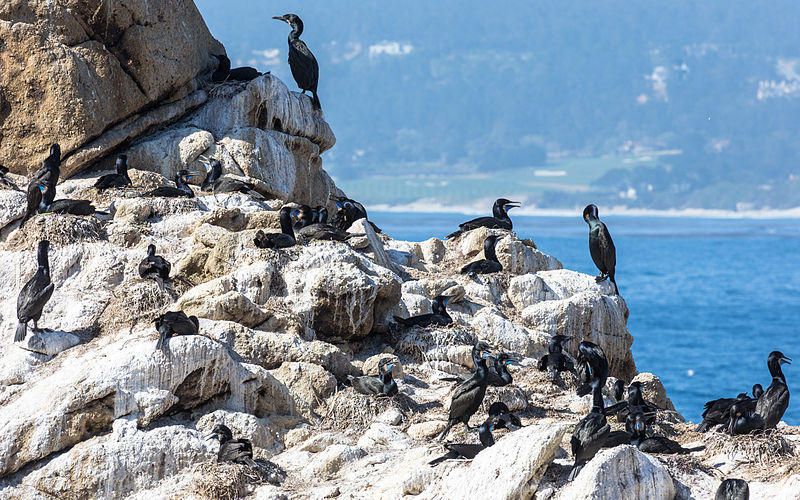
colony
term in biology

plant community
collection or association of plant species within a designated geographical unit
keystone species
species that has a disproportionately large effect on its environment relative to its abundance

bioindicator
thumb|Caddisfly (order Trichoptera), a [[macroinvertebrate used as an indicator of water quality.]]
A bioindicator is any species (an indicator species) or group of species whose function, population, or status can reveal the qualitative status of the environment. The most common indicator species are animals. For example, copepods and other small water crustaceans that are present in many water bodies can be monitored for changes (biochemical, physiological, or behavioural) that may indicate a problem within their ecosystem. Bioindicators can tell us about the cumulative effects of different
Lotka–Volterra equations
first-order nonlinear differential equations, frequently used to describe the dynamics of biological systems in which two species interact, one as a predator and the other as prey
ecological community
populations of two or more species in a given area
colonisation
process in biology by which a species spreads to new areas
guild
group of sympatric species with similar ecological function
shade tree
tree grown specifically for its shade
species-area relationship
concept in ecology and biogeography
Competitive Lotka–Volterra equations
model of multi-species population dynamics
species discovery curve