Category
page 1Compatibility layers

Wine
compatibility layer for running Windows software on Unix-like systems

Cygwin
Cygwin ( ) is a free and open-source Unix-like environment and command-line interface (CLI) for Microsoft Windows. The project also provides a software repository containing open-source packages. Cygwin allows source code for Unix-like operating systems to be compiled and run on Windows. Cygwin provides native integration of Windows-based applications.

Windows Subsystem for Linux
compatibility layer for running Linux binary executables on Windows
Proton
compatibility layer for running Windows games on Linux

GNUstep
GNUstep is a free software implementation of the Cocoa (formerly OpenStep) Objective-C frameworks, widget toolkit, and application development tools for Unix-like operating systems and Microsoft Windows. It is part of the GNU Project.
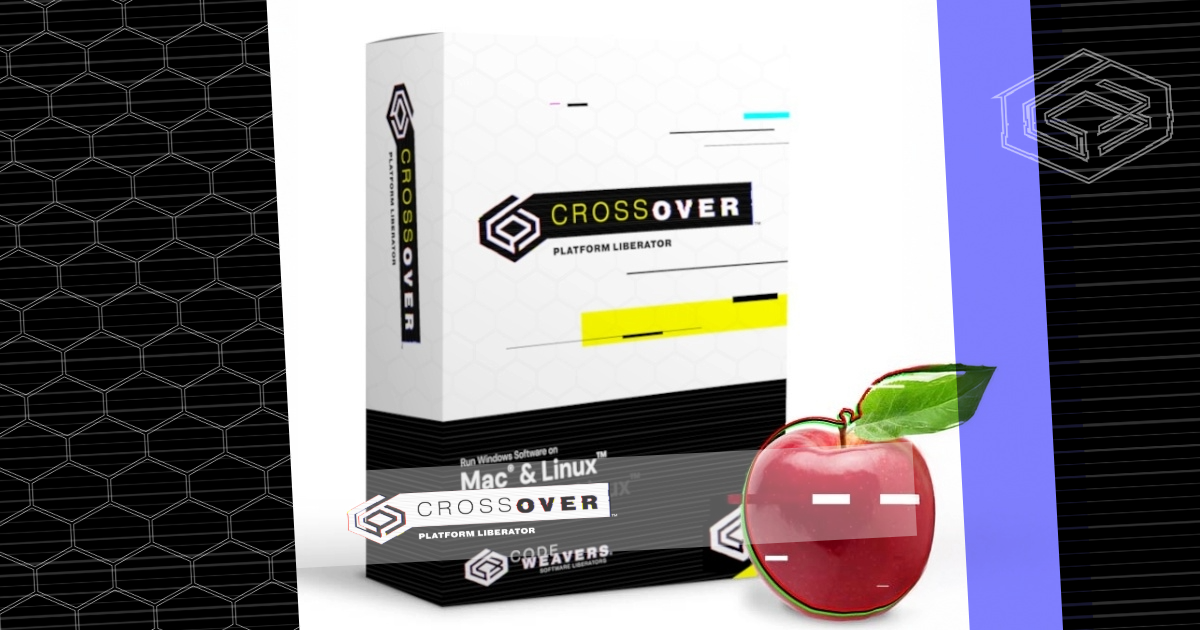
CrossOver
software
Cedega
compatibility layer for running Windows software on Linux
WoW64
In computing on Microsoft platforms, WoW64 (Windows 32-bit on Windows 64-bit) is a subsystem of the Windows operating system capable of running 32-bit applications on 64-bit Windows. It is included in all 64-bit versions of Windows, except in Windows Server Server Core where it is an optional component, and Windows Nano Server where it is not included. WoW64 aims to take care of many of the differences between 32-bit Windows and 64-bit Windows, particularly involving structural changes to Windows itself.

NDISwrapper
NDISwrapper is a free software driver wrapper that enables the use of Windows XP network device drivers (for devices such as PCI cards, USB modems, and routers) on Linux operating systems. NDISwrapper works by implementing the Windows kernel and NDIS APIs and dynamically linking Windows network drivers to this implementation. As a result, it only works on systems based on the instruction set architectures supported by Windows, namely IA-32 and x86-64.
compatibility layer
interface that allows binaries for a legacy or foreign system to run on a host system. This translates system calls for the foreign system into native system calls for the host system
Carbon
application programming interface (API)
DOSEMU
DOSEMU, stylized as dosemu, is a compatibility layer software package that enables DOS operating systems (e.g., MS-DOS, DR-DOS, FreeDOS) and application software to run atop Linux on x86-based PCs (IBM PC compatible computers).
polyfill
code that implements a feature on web browsers that do not support the feature
Darling
macOS compatibility layer for GNU/Linux
Interix
Interix was an optional, POSIX-conformant Unix subsystem for Windows NT operating systems. Interix was a component of Windows Services for UNIX, and a superset of the Microsoft POSIX subsystem. Like the POSIX subsystem, Interix was an environment subsystem for the NT kernel. It included numerous open source utility software programs and libraries. Interix was originally developed and sold as OpenNT until purchased by Microsoft in 1999.
Windows on Windows
subsystem for 32-bit Windows for running 16-bit Windows programs
Anbox
Anbox (short for “Android in a Box”) is a free and open-source compatibility layer that allows Android applications to run on Linux distributions by using containerization techniques. Originally introduced by Canonical, Anbox executes Android applications in a lightweight system container, isolated from the host system for security and efficiency.
shim
in computing, a small library to alter API calls to maintain compatibility

Wabi
product from Sun Microsystems that implements the Microsoft Windows API specifications
UWIN
UWIN is a computer software package created by David Korn which allows programs written for the operating system Unix to be built and run on Microsoft Windows with few, if any, changes. Some of the software development was subcontracted to Wipro, India. References, correct or not, to the software as U/Win and AT&T Unix for Windows can be found in some cases, especially from the early days of its existence.
ConEmu
ConEmu (short for Console emulator) is a free and open-source tabbed terminal emulator for Windows. ConEmu presents multiple consoles and simple GUI applications as one customizable GUI window with tabs and a status bar. It also provides emulation for ANSI escape codes for color, bypassing the capabilities of the standard Windows Console Host to provide 256 and 24-bit color in Windows.
Win32s
Win32s is a 32-bit application runtime environment for the Microsoft Windows 3.1 and 3.11 operating systems. It allowed some 32-bit applications to run on the 16-bit operating system using call thunks. A beta version of Win32s was available in October 1992. Version 1.10 was released in July 1993 simultaneously with Windows NT 3.1. The final Win32s version 1.30c was released in February 1996.
MKS Toolkit
Captive NTFS
open-source project