Category
page 1Containers

bucket
right|250px|thumb|Water well bucketsA bucket is typically a watertight, vertical cylinder or truncated cone or square, with an open top and a flat bottom that is attached to a semicircular carrying handle called the bail. A bucket is usually an open-top container. When in reference to a shipping container, the term "pail" is used as a technical term, specifically referring to a bucket-shaped package with a sealed top or lid, which is used as a transport container for chemicals and industrial products.

basket
thumb|right|On the left side are live fowl baskets. Directly to the right are flat baskets used for selling shrimp and small fish in Haikou City, [[Hainan Province, People's Republic of China.]]A basket is a container that is traditionally constructed from stiff fibers, and can be made from a range of materials, including wood splints, runners, and cane. While most baskets are made from plant materials, other materials such as horsehair, baleen, or metal wire can be used. Baskets are generally woven by hand. Some baskets are fitted with a lid, while others are left open on top.
.jpg)
cup
thumb|Rococo cup with saucer, circa 1753, [[soft-paste porcelain with overglaze enamelling, Vincennes porcelain]]
bowl
thumb|Chinese bowl with decoration of the "Three Friends"; 1426–1435 CE; porcelain with underglaze blue decoration; diameter: 30.2 cm; Cleveland Museum of Art (U.S.)
box
thumb|alt=An upright rectangular wooden box with a hinged lid, clasp fastenings and a handle|A wooden box with a hinged lid
thumb|alt=An empty cardboard box with the top closing flaps open|An empty corrugated fiberboard box
thumb|alt=A small, elaborate box, featuring a hinged lid, two swing doors at the front and a small pull-out drawer; the interior is entirely red and features small items that seem to be part of a toilette set|An elaborate late 17th to early 18th century box (Metropolitan Museum of Art, [[New York City)]]

barrel
thumb|Traditional oak barrels made by Chilean cooperage Tonelería Nacional
250px|thumbnail|right|Mackmyra Whisky|Mackmyra barrels at [[Häckeberga Castle]]
thumb|Modern stainless steel casks and kegs outside the Tynemill|Castle Rock [[microbrewery in Nottingham, England]]
thumb|Wooden wine barrel at an exhibition in Croatia

Ark of the Covenant
in Judaism, a wooden chest containing the two stone tablets of the Ten Commandments

drawer
thumb|A white wooden drawer
thumb|Filing card drawer

vase
thumb|Neoclassicism|Neoclassical vase; circa 1790; jasper; height: 25.4 cm, width: 18.7 cm; [[Victoria and Albert Museum (London)]]
thumb|The David Vases; 1351 (the [[Yuan Dynasty); porcelain, cobalt blue decor under glaze; height: 63.8 cm; British Museum (London)]]
A vase (, , or ) is an open container. It can be made from a number of materials, such as ceramics, glass, or non-rusting metals, such as aluminium, brass, bronze, or stainless steel. Even wood has been used to make vases, either by using tree species that naturally resist rot, such as teak, or by applying a protective coating to c

cage
right|thumb|Spherical cage containing watermelons in Russia
A cage is an enclosure often made of mesh, bars, or wires, used to confine, contain or protect something or someone. A cage can serve many purposes, including keeping an animal or person in captivity, capturing an animal or person, displaying an animal at a zoo, or protecting an object from external threats (i.e. theft, damage).

vacuum flask
insulated storage vessel

container
thumb|right|Simple containers made from gourds being sold for use as [[calabash in Kenya.]]
thumb|right|Display of a woven basket from the [[Maya peoples of Mexico.]]
thumb|right|A corrugated fiberboard box.
thumb|right|A Flatcar#Spine car|spine car with a [[tank container and an open-top intermodal shipping container with canvas cover.]]
thumb|right|Intermediate bulk containers, commonly used in industrial settings for the handling, transport, and storage of liquids, semi-solids, pastes, or solids.

post box
post collection point
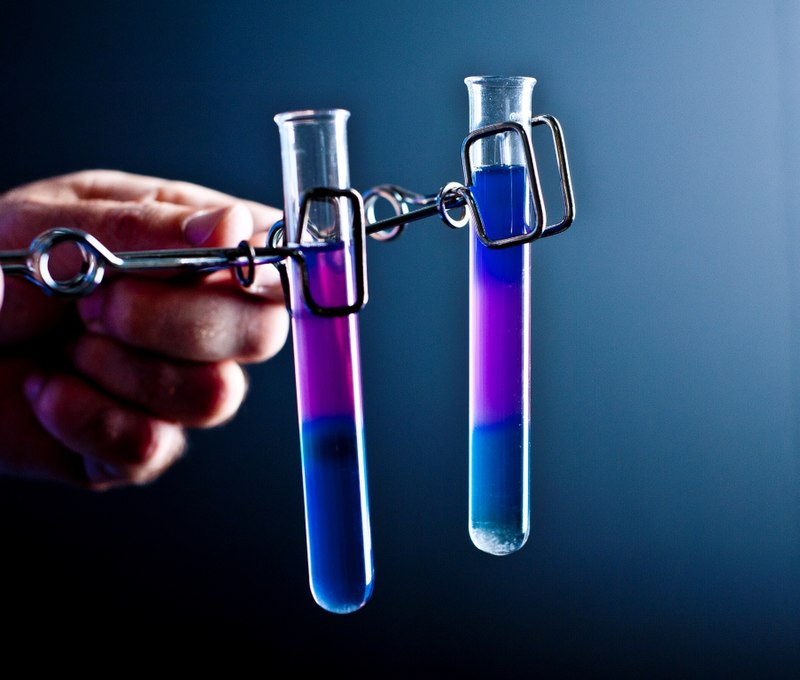
test tube
laboratory glassware consisting of a finger-like length of glass or clear plastic tubing, open at the top and closed at the bottom

silo
thumb|Grain bins in [[Cashton, Wisconsin]]
thumb|Grain elevators are composed of groups of grain silos, such as these at [[Port Giles, South Australia.]]
thumb|Silos in Acatlán, Hidalgo|Acatlán, Hidalgo, Mexico

plastic bag
type of container made of thin, flexible, plastic film, nonwoven fabric, or plastic textile

flowerpot
thumb|Meilland International SA|Meillandine [[rose in a terracotta flowerpot]]
thumb|Traditional flowerpots in unglazed terracotta in [[Charles Darwin's laboratory at Down House]]
thumb|right|Terracotta flowerpot in Italy, decorated with festoons
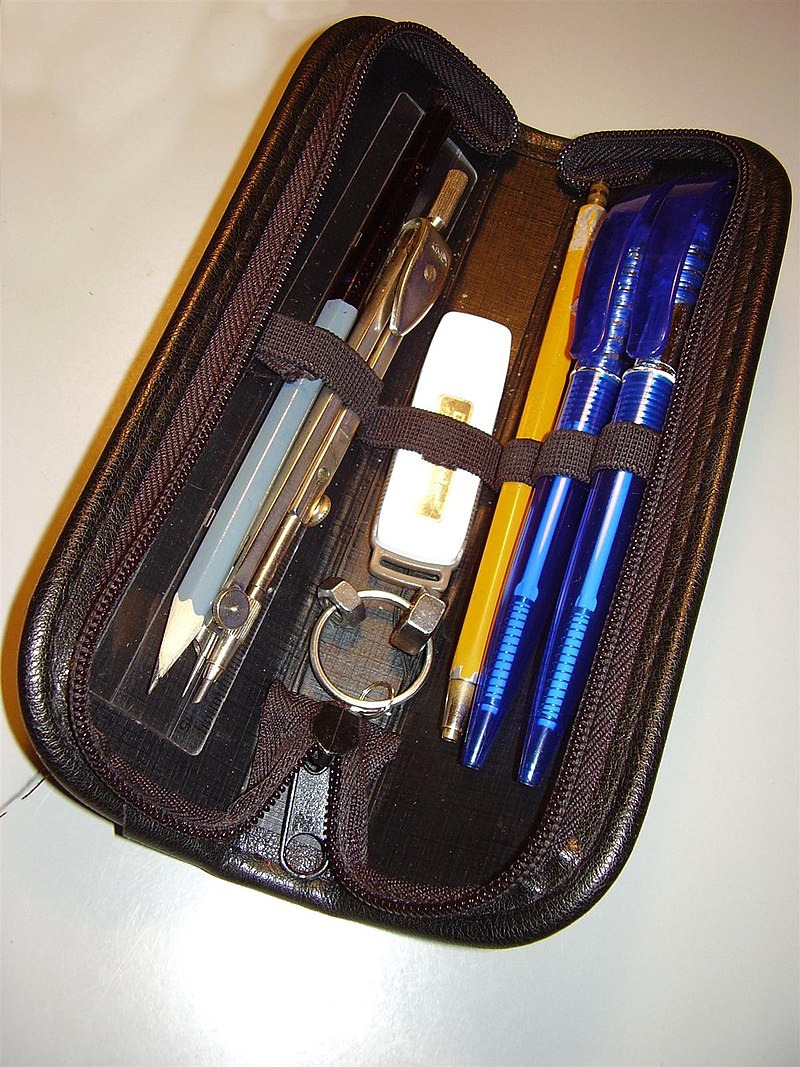
pencil case
container used to store pencils, pens and writing equipment
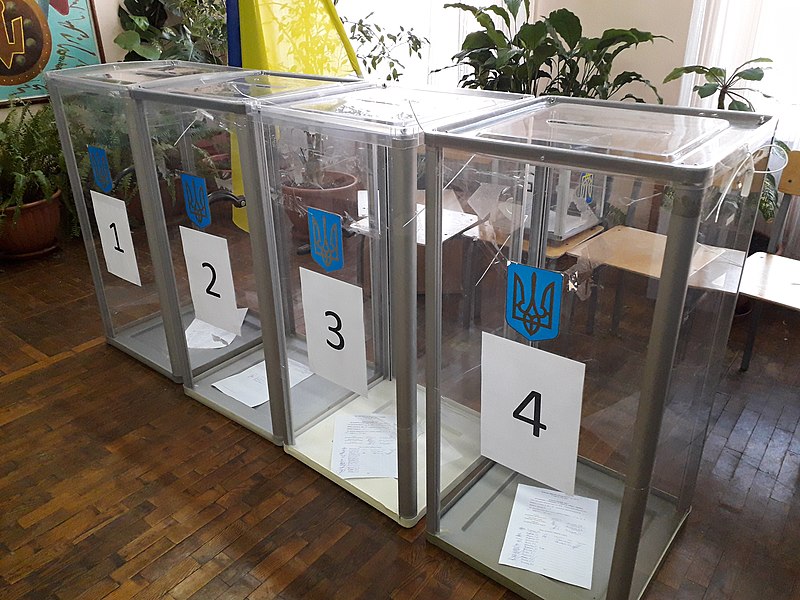
ballot box
sealed container for completed ballots, which prevents access to the ballots cast until the close of the voting period

desiccator
thumb|right|A vacuum desiccator (left - note the stopcock which allows a vacuum to be applied), and a desiccator (right). The blue silica gel in the space below the platform is used as the [[desiccant.]]
Desiccators are sealable enclosures containing desiccants used for preserving moisture-sensitive items such as cobalt chloride paper for another use. A common use for desiccators is to protect chemicals which are hygroscopic or which react with water from humidity.
time capsule
cache of goods or data secured for some time to be opened at a date in the future
.jpg)
spittoon
thumb|right|upright|300px|Side and top view of spittoon. On display at the National Museum of Cambodia.
thumbnail|right|A Chicago courtroom, mid 1910s. A spittoon is seen on the floor at bottom right.
thumb|right|Decorated Surinam (Dutch colony)|Surinam porcelain spittoon. Note this type of spittoon has a spout hole on the side for emptying.

Tupperware
Tupperware is an American company that manufactures and internationally distributes preparation, storage, and serving containers for the kitchen and home. It was founded in 1942 by Earl Tupper, who developed his first bell-shaped container and introduced the products to the public in 1946.
water tank
container for storing water
post office box
uniquely addressable lockable box located on the premises of a post office station
corrugated fiberboard
paper-based material consisting of a fluted corrugated sheet and one or two flat linerboards
gas cylinder
cylindrical container for storing pressurised gases

toolbox
thumb|alt=Standard site toolbox|Standard site toolbox as used in mechanical workshops like automobile repair shops
pyxis
cylindrical box from the classical world
%2C%200-50%20dc%20ca..JPG)
urn
thumb|Ancient Roman urn made of [[alabaster]]
soap dish
container of a bar of soap

pelike
thumb|right|220px|Woman and a youth, Apulian red-figure pelike, , [[British Museum (F 316)]]

vial
thumb|Vial of vaccine and syringe
thumb|Examples of modern flat-bottomed plastic vials
thumb|Sterile single-use vial of eye drops
A vial (also known as a phial or flacon) is a small glass or plastic vessel or bottle, often used to store medication in the form of liquids, powders, or capsules. They can also be used as scientific sample vessels; for instance, in autosampler devices in analytical chromatography. Vial-like glass containers date back to classical antiquity; modern vials are often made of plastics such as polypropylene. There are different types of vials such as a single dose vial a
plastic bottle
bottle constructed of plastic
.jpg)
Kalash
thumb|The Pūrṇa-Kalaśa or Pūrṇa-Ghaṭa with "Padmotpalakumudvat" - overflowing pot with Nelumbo|Padma (lotus), Utpala (blue water-lily) and Kumuda (white water-lily), 1st century BCE depiction.
cardboard box
box fabricated from cardboard
glass production
industry and economic sector
Franks Casket
Anglo-Saxon carved chest
squeeze tube
soft, squeezable container which can be used for thick liquids such as adhesive, caulking, ointment, and toothpaste
coin purse
small pouch made for carrying coins

cryostat
thumb|NASA's WISE infrared instrument is kept cold by a cryostat. The cryostat can be seen at the top of the spacecraft.
%201890-1900.jpg)
waterskin
thumb|Skin bottle made of goat leather
thumb|A leather waterskin from the Judean desert, dating back to 132–135 CE.
thumb|upright|Depiction of a waterskin bearer in Persepolis
A waterskin is a receptacle used to hold water. Normally made of a sheep or goat skin, it retains water naturally and therefore was very useful in desert crossings until the invention of the canteen, though waterskins are still used in some parts of the world. Though it may have been used over 5,000 years ago by tribal peoples, the first pictures of it are from ancient Assyrians, who used the bladders as floats in 3000 B
container-deposit legislation
return of beverage containers for refund
casket
container, generally rectangular with a lock, for jewelry or trinkets

situla
thumb|Etruscan situla, 600–550 BC, tomb 68 at Certosa di Bologna#The cemetery|the Certosa necropolis
cigarette case
decorative container for cigarettes

pyx
thumb|Pyx with Arabesques in Quatrofoil Frames, c. 13th century
etui
REDIRECT Decorative box#Étui

humidor
thumb|Humidor with hygrometer and bowl of water during initial seasoning
thumb|Humidor with cigars

botijo
thumb|upright|White botijo
A botijo, also called búcaro in Spanish, càntir in Catalan,, botico in Aragonese, canabarro in Galician, txongil in Basque, and boteja in Hispanic America, is a traditional porous clay container designed to contain water. The botijo, or water jar, is a typical element of culture in many parts of Spain and may vary in shape and color. Although the botijo can, exceptionally, also be found in glass, metal or even plastic, it is usually and traditionally made of clay, due to the properties of this material, such that, once the botijo is filled, it cools the water that it
closure
devices and techniques used to close or seal a bottle, jug, jar, tube, can, etc.
bottle crate
beverage transport container
dead drop
method of espionage tradecraft
cigarette pack
rectangular container which contains cigarettes

matchbox
thumb|German matchbox containing safety matches.
drum
type of container
tare weight
weight of an empty vehicle or container

hogshead
thumb|upright=1.4|A hogshead in relation to other barrels
A hogshead (abbreviated "hhd", plural "hhds") is a large cask of liquid (or, less often, of a food commercial product) for manufacturing and sale. It refers to a specified volume, measured in either imperial or US customary measures, primarily applied to alcoholic beverages, such as wine, ale, or cider.

crate
thumb|Shipment of bananas in wooden crates
thumb|250px|Military shipping crate
thumb|A crate used to transport ordnance
A crate is a large shipping container, often made of wood, typically used to transport or store large, heavy items. Steel and aluminium crates are also used. Specialized crates were designed for specific products, and were often made to be reusable, such as the "bottle crates" for milk and soft drinks.
kalathos
type of ancient Greek craftmanship, so often of pottery