Category
page 1Costs
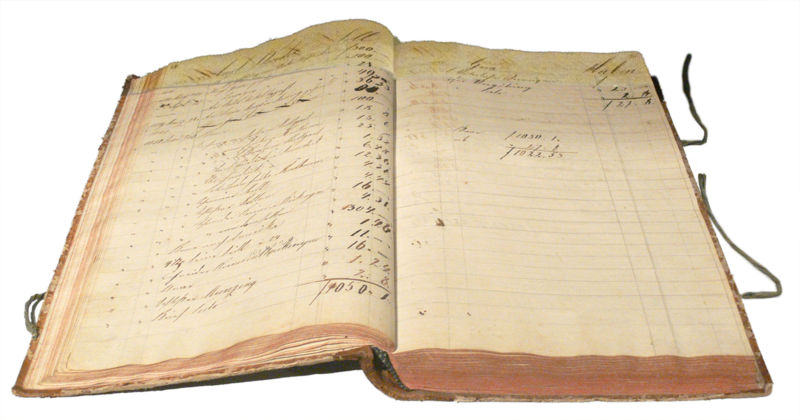
monetary cost
Cost is the value of money that has been used up to produce something or deliver a service, and hence is not available for use anymore. In business, the cost may be one of acquisition, in which case the amount of money expended to acquire it is counted as cost. In this case, money is the input that is gone in order to acquire the thing. This acquisition cost may be the sum of the cost of production as incurred by the original producer, and further costs of transaction as incurred by the acquirer over and above the price paid to the producer. Usually, the price also includes a mark-up for profi
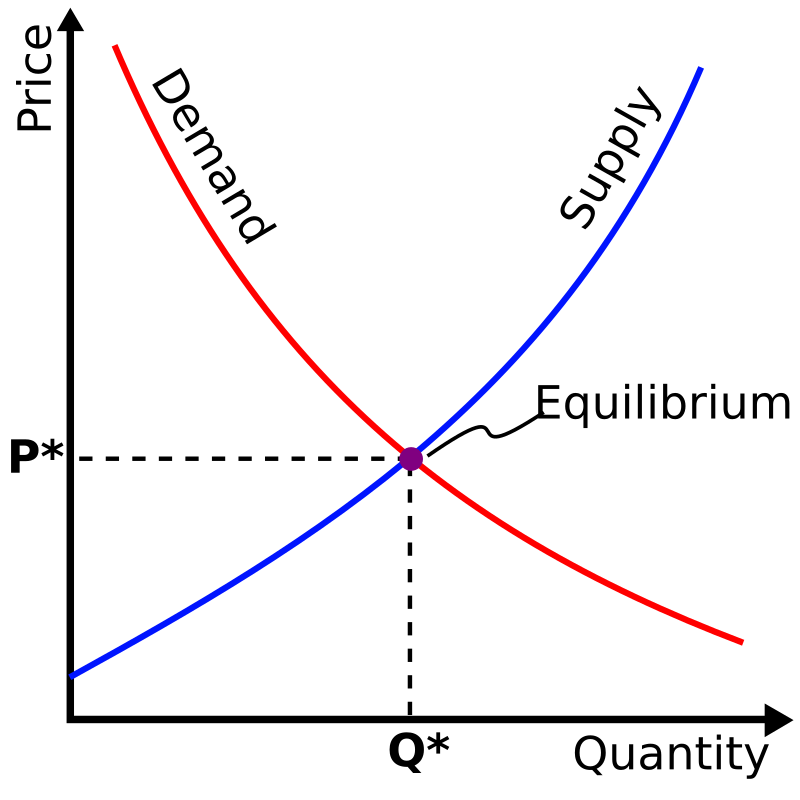
opportunity cost
when presented with multiple opportunities, the cost of making a certain choice in comparison to its alternatives

fixed cost
business expenses that are not dependent on the level of goods or services produced by the business

marginal cost
factor in economics
cost–benefit analysis
systematic approach to estimating the strengths and weaknesses of alternatives
variable cost
costs that change in proportion to the good or service that a business produces
transaction cost
cost incurred in making an economic exchange
cost accounting
systematic set of procedures for recording and reporting measurements of the cost of manufacturing goods and performing services in the aggregate and in detail
weighted average cost of capital
rate that a company is expected to pay on average to all its security holders to finance its assets; firm’s cost of capital
sunk cost
cost that has already been incurred and cannot be recovered
cost of living
cost to maintain a standard of living
average cost
factor in economics
social cost
factor in economics
cost-effectiveness analysis
comparison of costs and outcomes of different courses of action
spare part
interchangeable part that is kept in an inventory and used for the repair or replacement of failed units
total cost of ownership
method of cost analysis
total cost
total economic cost of production
historical cost
original monetary value of an item
Engineering, procurement and construction
form of contracting arrangement
cost of goods sold
carrying value of goods sold during a particular period

isocost
thumb|500px|right|Isocost v. Isoquant Graph. Each line segment is an isocost line representing one particular level of total input costs, denoted TC in the graph and C in the article's text. PL is the unit price of labor (w in the text) and PK is the unit price of physical capital (r in the text).
cost per mille
the price an advertiser has to pay for 1000 ad impressions on a single web page
brick and mortar
class of organisations or businesses who heavily rely on buildings, production facilities, or physical stores for operations
cost price
Value representing unit price
indirect costs
costs that are not directly accountable to a cost object
quality costs
Whole-life cost
total cost of ownership over the life of an asset

cost–volume–profit analysis
form of cost accounting
total absorption costing
Standard cost accounting
cost accounting method utilizing efficiencies

9-Euro-Ticket
thumb|right|9-Euro-Tickets issued by Verkehrsverbund Berlin-Brandenburg
thumb|right|9-Euro-Ticket issued by a Deutsche Bahn ticket vending machine
cost overrun
unexpected incurred costs in excess of budgeted amounts
economic cost
overview of cost in the field of economics
cost reduction
process used by companies to reduce their costs and increase their profits
cost curve
graph of the costs of production as a function of total quantity produced
cost–utility analysis
form of financial analysis used to guide procurement decisions
Cost driver
Major share in Cost of a Product
khozraschyot
Khozraschyot (; short for , 'economic accounting') was an attempt to introduce capitalist concepts of profit and profit center into the planned economy of the Soviet Union. Khozraschyot introduced a certain degree of independence of enterprises (which continued to be state-owned and subject to state control) and allowed for self-management and self-financing within the framework of prices set by the Soviet government.
Incremental cost-effectiveness ratio
statistic used in cost-effectiveness analysis to summarise the cost-effectiveness of a health care intervention
implicit cost
an economic term
Variable Costing
accounting cost concept
manufacturing cost
sum of costs of all resources consumed in the process of making a product
Cost of equity
in finance

Value and Capital
book
Theory of imputation
Wikimedia disambiguation page

Foundations of Economic Analysis
non-fiction work by Paul A. Samuelson
direct labor cost
Cost of Revenue
Average fixed cost
economic term
car costs
all the costs consumers pay to own and operate a car, including fixed and variable costs
search cost
all costs associated with the searching activity conducted by a prospective seller and buyer in a market
Minimum efficient scale
economic measure of business efficiency
Average variable cost
metric used in economics
cost object
related base