Category
page 1Crops originating from Chile

Chenopodium quinoa
Quinoa (Chenopodium quinoa; , from Quechua ' or ') is a flowering plant in the amaranth family. It is an herbaceous annual plant grown as a crop primarily for its edible seeds; the seeds are high in protein, dietary fiber, B vitamins and dietary minerals especially potassium and magnesium in amounts greater than in many grains. Quinoa is not a grass but rather a pseudocereal botanically related to spinach and amaranth (Amaranthus spp.), and originated in the Andean region of northwestern South America. It was first used to feed livestock 5,2007,000 years ago, and for human consumption 3,0004,0

Annona cherimola
The cherimoya (Annona cherimola), also spelled cherimoyer and chirimoya, and called chirimuya by the Quechua people, is a species of edible fruit-bearing plant in the genus Annona, within the family Annonaceae, which also includes the closely related sweetsop and soursop. Native to mountainous regions of Honduras and Guatemala, the plant has a long history of cultivation in the Andes and Central America

Solanum betaceum
The tamarillo (Solanum betaceum) is a tree or shrub in the flowering plant family Solanaceae (the nightshade family). It bears an egg-shaped edible fruit. It is common globally, especially in its native South America (as the Quechuan in Peru, Colombia, and Ecuador, or as tomate andino in other Andean countries), and has been introduced in New Zealand, Nepal, Rwanda, Burundi, the Democratic Republic of the Congo, Australia, and Bhutan.

Nicotiana glauca
species of plant
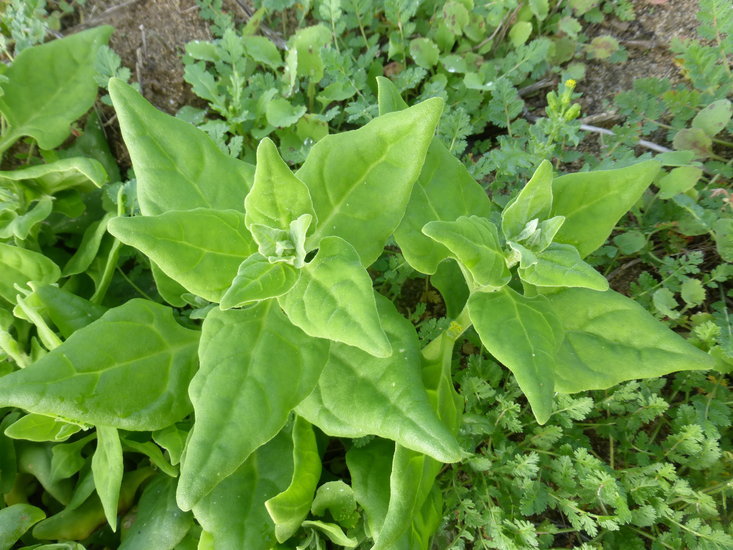
Tetragonia tetragonoides
species of plant

Berberis microphylla
species of plant

Mountain papaya
species of plant

Gevuina avellana
thumb|Gevuina avellana - MHNT
Gevuina avellana, commonly known as the Chilean hazelnut ( in Spanish) or Gevuina hazelnut, is an evergreen tree growing up to 20 meters (65 feet) tall. It is the only species currently classified in the genus Gevuina. It is native to southern Chile and adjacent valleys in Argentina. It is found from sea level to 700 meters (2,300 feet) above sea level. Its distribution extends from 35° to 44° south latitude. The composite leaves are bright green and toothed, and the tree is in flower between July and November. The flowers are very small and beige to whitish, are

Ugni molinae
species of plant
Potatoes of Chiloé
variety of plants
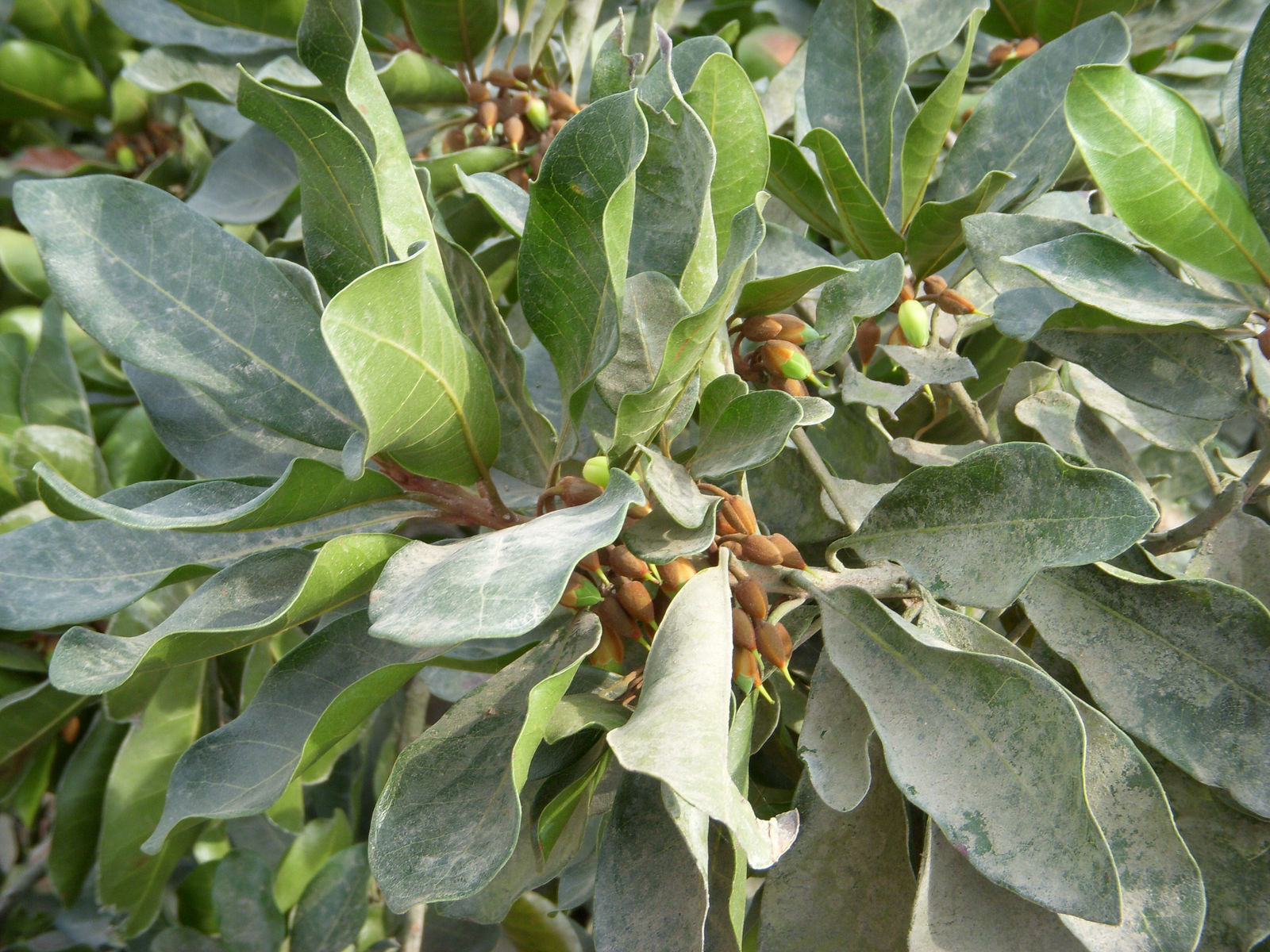
Lucuma bifera
species of flowering plant