Category
page 1Cucurbitales genera

Begonia
Begonia is a genus of perennial flowering plants in the family Begoniaceae. The genus contains more than 2,000 different plant species, distributed primarily across tropical and subtropical regions of Africa, Asia, and Central and South America, with Africa considered the center of origin. Some species are commonly grown indoors as ornamental houseplants in cooler climates, or cultivated outside in summertime for their bright colorful flowers, which have petals but no sepals.
left|thumb|A female flower on the left and a male flower on the right, from a Begonia johnstonii plant.
thumb|right|Pin
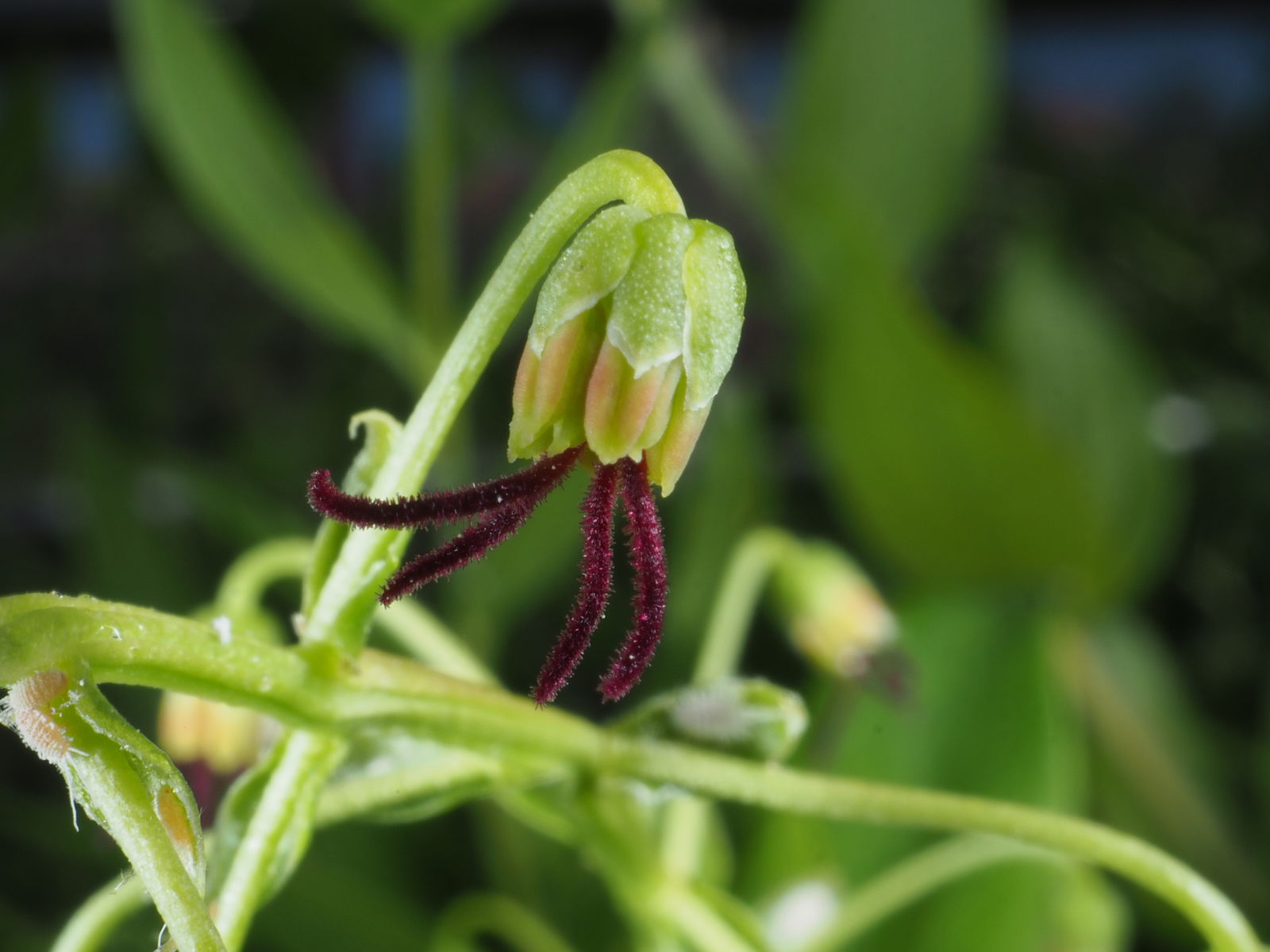
Coriaria
Coriaria is the sole genus in the family Coriariaceae, which was described by Linnaeus in 1753. It includes 14 species of small trees, shrubs and subshrubs, with a widespread but disjunct distribution across warm temperate regions of the world, occurring as far apart as the Mediterranean region, southern and eastern Asia, New Zealand (where some are alpine species), the Pacific Ocean islands, and Central and South America.
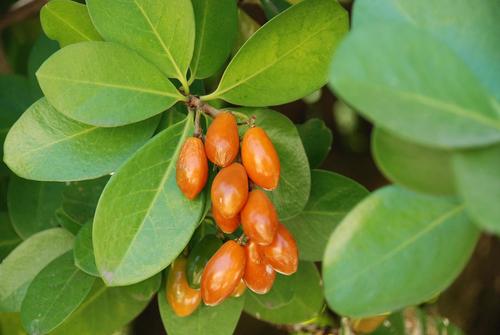
Corynocarpus
Corynocarpus is the only genus of plants in the family Corynocarpaceae and includes five species. It is native to New Guinea, Australia, New Zealand, New Caledonia, and Vanuatu.
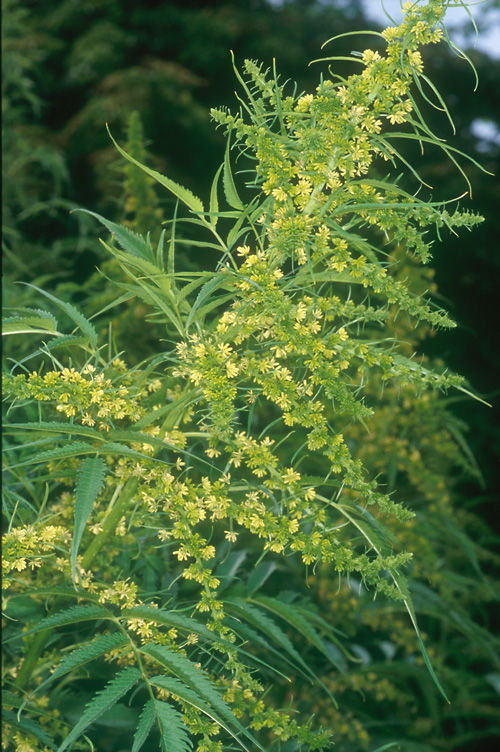
Datisca
The Datiscaceae are a family of dicotyledonous plants, containing two species of the genus Datisca. Two other genera, Octomeles and Tetrameles, are now classified in the family Tetramelaceae.
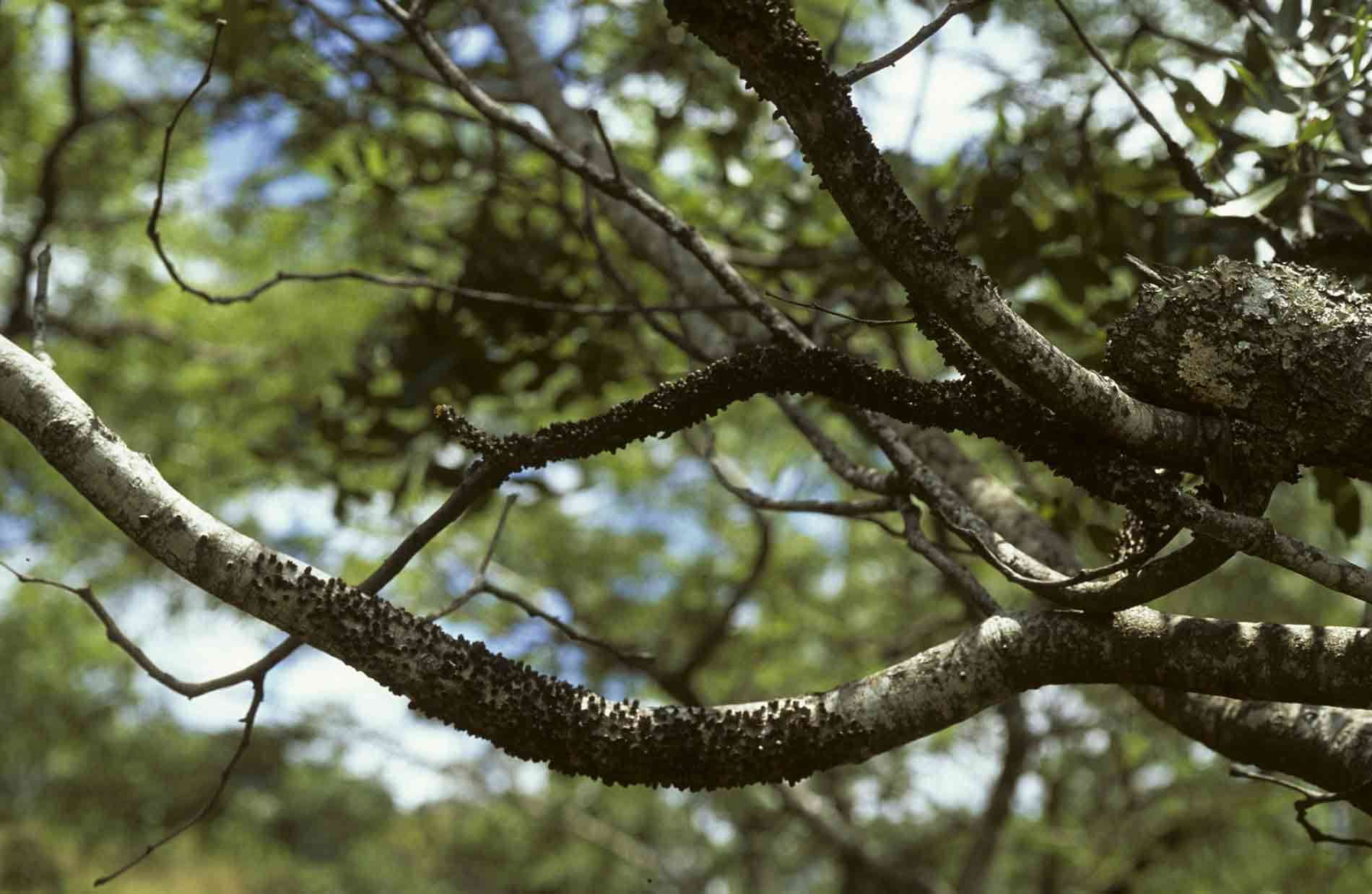
Pilostyles
Pilostyles is a genus of flowering plants in the family Apodanthaceae. It includes about 11 species of very small, completely parasitic plants that live inside the stems of woody legumes. Plants of this genus are sometimes referred to as stemsuckers.

Anisophyllea
Anisophyllea is a genus of plant in the family Anisophylleaceae. The generic name is from the Greek meaning "unequal leaf", referring to the dimorphism of the leaves.

Polygonanthus
Polygonanthus is a small genus of flowering plants in the family Anisophylleaceae, found in the Amazon. It has a Polygonumtype embryo sac.