Category
page 1Cyberwarfare in Iran

Stuxnet
Stuxnet is a malicious computer worm first uncovered on 17 June 2010 and thought to have been in development since at least 2005. Stuxnet targets supervisory control and data acquisition (SCADA) systems and is believed to be responsible for causing substantial damage to the Iran nuclear program after it was first installed on a computer at the Natanz Nuclear Facility in 2009. Although neither the United States nor Israel has openly admitted responsibility, multiple independent news organizations claim Stuxnet to be a cyberweapon built jointly by the two countries in a collaborative effort know
Flame
modular computer malware
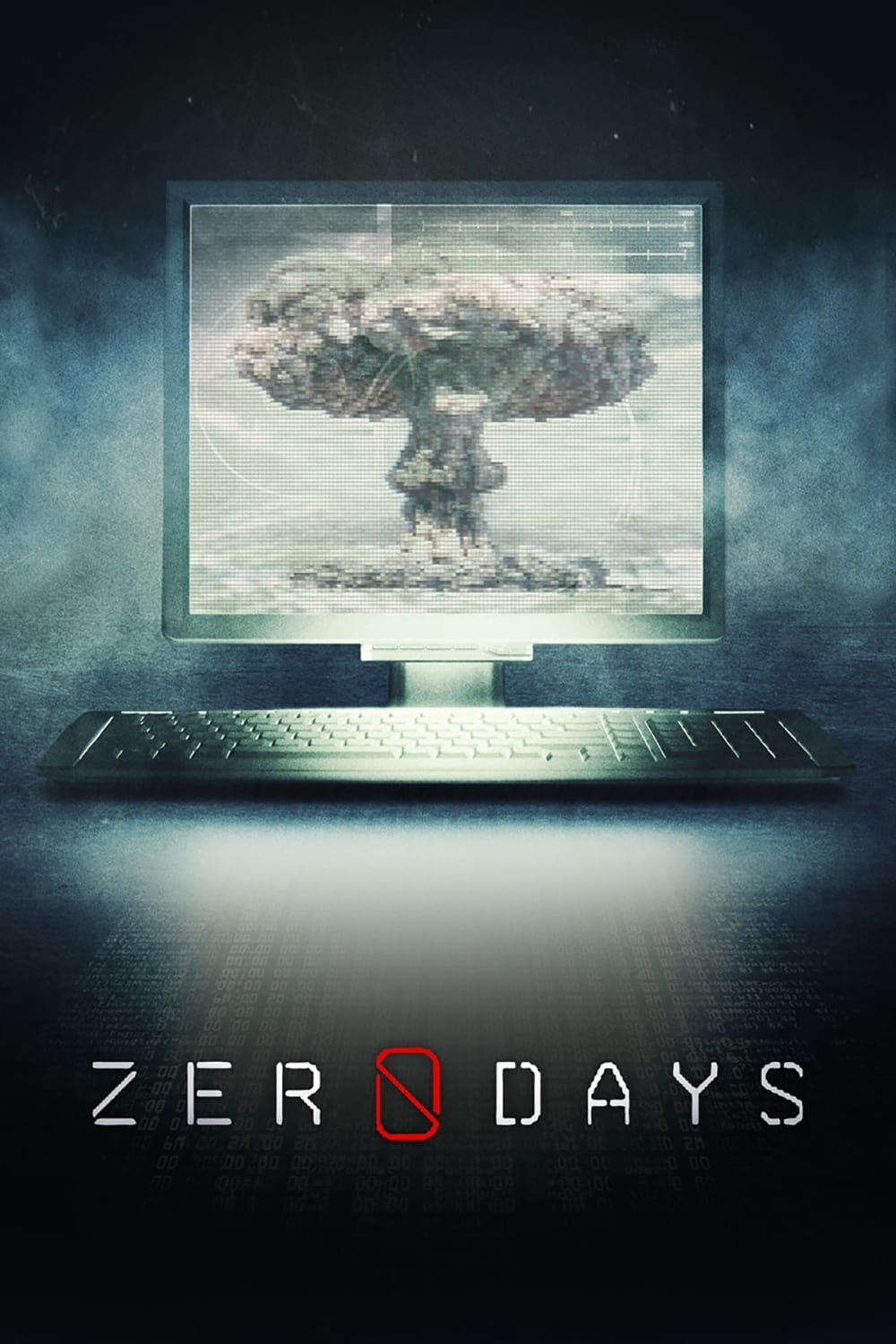
Zero Days
2016 film by Alex Gibney
Equation Group
name of the hacking unit responsible for a string of hacks
Duqu
Duqu is a collection of computer malware discovered on 1 September 2011, thought by Kaspersky Labs to be related to the Stuxnet worm and to have been created by Unit 8200. The Laboratory of Cryptography and System Security (CrySyS Lab) of the Budapest University of Technology and Economics in Hungary discovered the threat, analysed the malware, and wrote a 60-page report naming the threat Duqu. Duqu got its name from the prefix "~DQ" it gives to the names of files it creates.
Iranian Cyber Police
unit of the Islamic Republic of Iran Police
Operation Olympic Games
Israeli-American collaboration sabotage campaign against Iranian nuclear facilities
Iranian Cyber Army
Computer hacker group based in Iran
cyberwarfare during the 2026 Iran war
use of electronic warfare during the 2026 Iran war
Operation Ababil
cyberattacks targeting the United States
Mahdi
computer virus
Shamoon
Shamoon (), also known as W32.DistTrack, is a modular computer virus that was discovered in 2012, targeting then-recent 32-bit NT kernel versions of Microsoft Windows. The virus was notable due to the destructive nature of the attack and the cost of recovery. Shamoon can spread from an infected machine to other computers on the network. Once a system is infected, the virus continues to compile a list of files from specific locations on the system, upload them to the attacker, and erase them. Finally the virus overwrites the master boot record of the infected computer, making it unusable.
cyberwarfare and Iran
electronic warfare launched by Iranian military forces
2020 Iran explosions
unexplained explosions in Iranian nuclear facility territory