Category
page 1Cyclopes

cyclops
thumb|A first century AD head of a Cyclops from the Roman Colosseum

Polyphemus
Polyphemus (; , ; ) is the one-eyed giant son of Poseidon and Thoosa in Greek mythology, one of the Cyclopes described in Homer's Odyssey. His name means "abounding in songs and legends", "many-voiced" or "very famous". Polyphemus first appeared as a savage man-eating giant in the ninth book of the Odyssey. The satyr play Cyclops by Euripides is dependent on this episode with some differences in the story and while also being more comedic in nature. Later Classical writers that presented him in their poems linked his name with the nymph Galatea as he tried to seduce her. Often he was portrayed
Cyclopean masonry
type of stonework found in ancient Mycenaean architecture
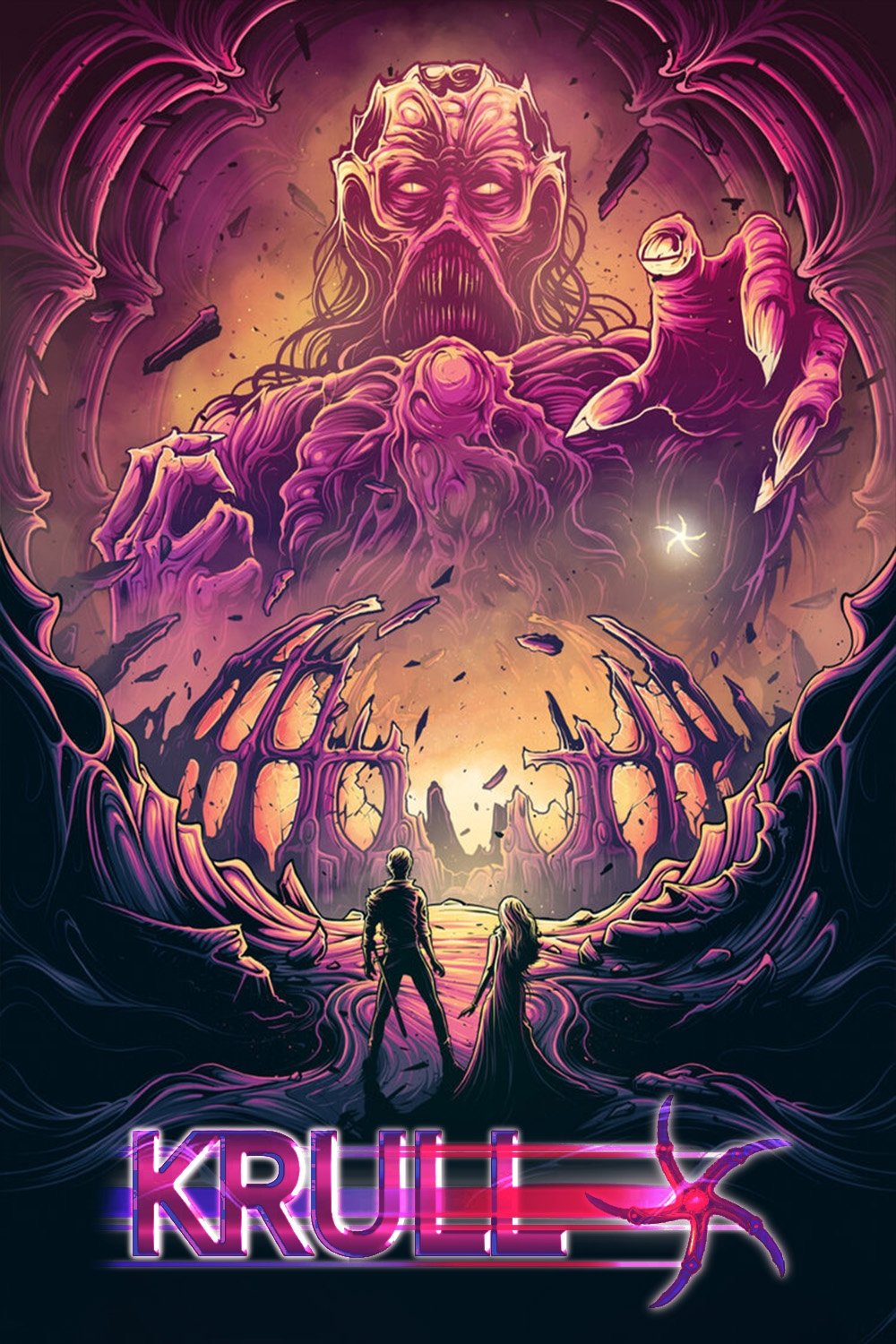
Krull
1983 film by Peter Yates
Wenlock and Mandeville
official mascots for the 2012 Summer Olympics and Paralympics
Arges
cyclops in Greek mythology
Acamas
Acamas or Akamas (; Ancient Greek: Ἀκάμας) was a name attributed to several characters in Greek mythology. The following three all fought in the Trojan War, and only the first was not mentioned by Homer.
Acamas, son of Theseus, mentioned by Virgil as being in the Trojan horse.
Acamas, son of Antenor, fought on the side of the Trojans and killed one Greek.
Acamas, son of Eussorus, from Thrace, and thus, could be the brother of Aenete and Cyzicus. With his comrade Peiros, son of Imbrasus, Acamas led a contingent of Thracian warriors to the Trojan War. Acamas was killed by Ajax or by Idomeneus w

Hitotsume-kozō
thumb|The card "" from Obake karuta|yōkai karuta
thumb|A hitotsume-kozō from the kibyōshi "Bakemono Chakutōchō" by Masayoshi Kitao.
Hitotsume-kozō (一つ目小僧) are a Yōkai (supernatural apparition) of Japan that take on the appearance of a bald-headed child with one eye in the center of its forehead similar to a cyclops.
One-Eye, Two-Eyes, and Three-Eyes
fairy tale version by the Brothers Grimm
Crom Cruach
deity

Tartalo
thumb|250px|Tartalo, in the Izenaduba Basoa amusement park in Mungia ([[Biscay).]]
Tartaro, Tartalo, or Torto in Basque mythology, is an enormously strong one-eyed giant very similar to the Greek Cyclops that Odysseus faced in Homer's Odyssey. He is said to live in caves in the mountains and catches young people in order to eat them; in some accounts he eats sheep also.
Tepegoz
In Turkic mythology, Tepegoz or Tepegöz is a legendary creature who has only one eye on his forehead – a kind of cyclops. He is an ogre that appears in the Book of Dede Korkut, a famous epic story of the Oghuz Turks.
fachan
thumb|"Direach Ghlinn Eiti, or Fachan" as illustrated by J. F. Campbell
In Scottish folklore, the fachan (or fachin, fachen, Direach Ghlinn Eitidh or Dithreach (dwarf of Glen Etive)) is a monster or giant described by John Francis Campbell in Popular Tales of the West Highlands as having a single eye in the middle of its face, a single hand protruding from its chest instead of arms, and a single leg emerging from its central axis. It has a single tuft of hair on the top of its head, regarding which Campbell says "it were easier to take a mountain from the root than to bend that tuft." Campbell
Vyrlook
Verlioka () or Wyrlook () is an East Slavic fairy tale collected by Alexander Afanasyev in Narodnye russkie skazki (1855–63). It is classified in the Aarne-Thompson-Uther Index as tale type ATU 210*, "Verlioka".
Lazavik
Lazavik () is a creature of Belarusian mythology.