Category
page 1Cyperaceae genera

Carex
Carex is a vast genus of over 2,000 species of grass-like plants in the family Cyperaceae, commonly known as sedges (or seg, in older books). Other members of the family Cyperaceae are also called sedges; however, those of genus Carex may be called true sedges. Carex is the most species-rich genus in the family. The study of Carex is known as caricology.

Cyperus
Cyperus is a large genus of about 700 species of sedges, distributed throughout all continents in both tropical and temperate regions.

Scirpus
Scirpus is a genus of grass-like species in the sedge family Cyperaceae many with the common names club-rush, wood club-rush or bulrush. They mostly inhabit wetlands and damp locations.

Eriophorum
Eriophorum (cottongrass, cotton-grass or cottonsedge) is a genus of flowering plants in the family Cyperaceae, the sedge family. They are found in the cool temperate, alpine, and Arctic regions of the Northern Hemisphere, primarily in the middle latitudes of North America, Europe, and Asia.
Eleocharis
Eleocharis is a virtually cosmopolitan genus of 250 or more species of flowering plants in the sedge family, Cyperaceae. The name is derived from the Greek words ἕλειος (heleios), meaning "marsh dweller," and χάρις (charis), meaning "grace." Members of the genus are known commonly as spikerushes or spikesedges. The genus has a geographically cosmopolitan distribution, with centers of diversity in the Amazon rainforest and adjacent eastern slopes of the South American Andes, northern Australia, eastern North America, California, Southern Africa, and subtropical Asia. The vast majority of Eleoch

Cladium
Cladium (fen-sedge, sawgrass or twig-sedge) is a genus of large sedges, with a nearly worldwide distribution in tropical and temperate regions. These are plants characterized by long, narrow (grass-like) leaves having sharp, often serrated (sawtooth-like) margins, and flowering stems 1–3 m tall bearing a much-branched inflorescence. Like many plants found in wet habitats, it has deeply buried rhizomes that can produce tall shoots with dense canopies.

Schoenoplectus
Schoenoplectus (club-rush [Old World species], bulrush or tule [New World species]) is a genus of plants in the sedge family with a cosmopolitan distribution. Note that the name bulrush is also applied to species in the unrelated genus Typha as well as to other sedges. The genus Schoenoplectus was formerly considered part of Scirpus, but recent phylogenetic data shows that they are not closely related.
Rhynchospora
Rhynchospora (beak-rush or beak-sedge) is a genus of about 400 species of sedges with a cosmopolitan distribution. The genus includes both annual and perennial species, mostly with erect 3-sided stems and 3-ranked leaves. The achenes bear a beak-like tubercule (hence the name "beak-rush", although the plants are sedges, not rushes) and are sometimes subtended by bristles. Many of the species are similar in vegetative appearance, and mature fruits are needed to make a positive identification.
Bolboschoenus
Bolboschoenus is a genus of plants in the sedge family, of nearly cosmopolitan distribution. Epipaleolithic and Neolithic peoples used ground root tubers of these plants to make the first breads.

Schoenus
genus of plants
Blysmus
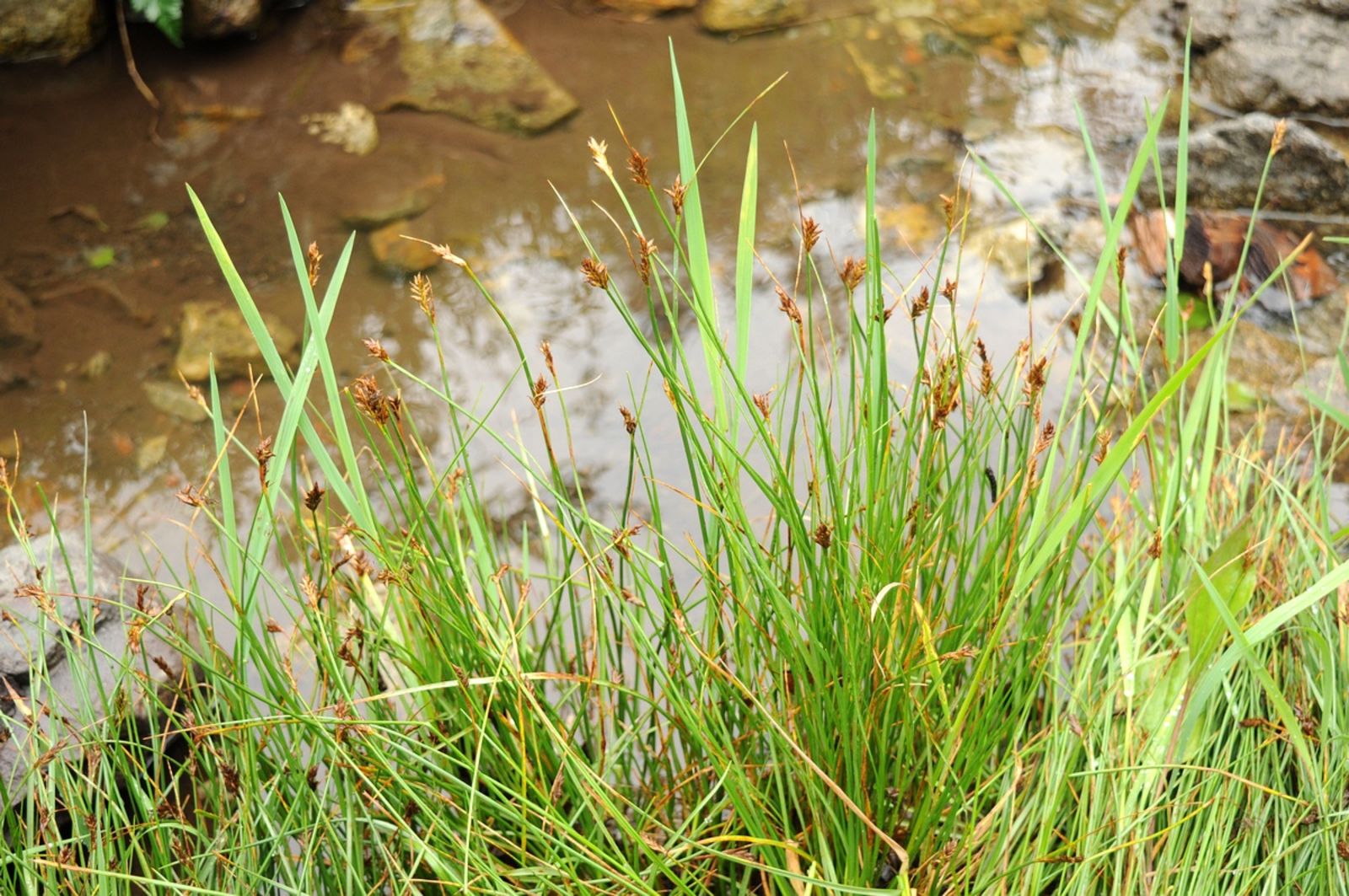
Blysmus is a genus of sedges of the family Cyperaceae, found in temperate regions across the Northern Hemisphere.
Trichophorum
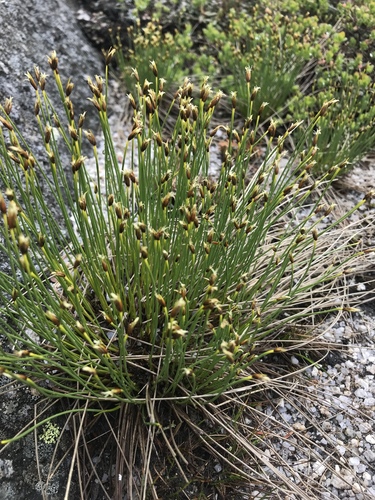
Trichophorum is a genus of flowering plants in the sedge family, Cyperaceae. Plants in this genus are known as deergrasses in Britain but are sometimes known as bulrushes in North America.

Fimbristylis
Fimbristylis is a genus of sedges. A plant in this genus may be known commonly as a fimbry or fimbristyle. There are over 300 species distributed worldwide. Several continents have native species but many species have been introduced to regions where they are not native. Some are considered weeds. These are typical sedges in appearance, with stiff, ridged stems and cone-shaped terminal panicles of spikelets. They are found in wet environments, and are most diverse in tropical and subtropical regions.
Isolepis
Isolepis is a genus of flowering plants in the sedge family, containing around 70 species. Isolepis is cosmopolitan, and often found in cool tropical and temperate climates in Africa and Australasia.
Scleria
Scleria is a genus of flowering plants in the sedge family, Cyperaceae. They are known commonly as nutrushes. They are distributed throughout the tropics, and some species have ranges extending into temperate areas. There are about 200 species.
Scirpoides
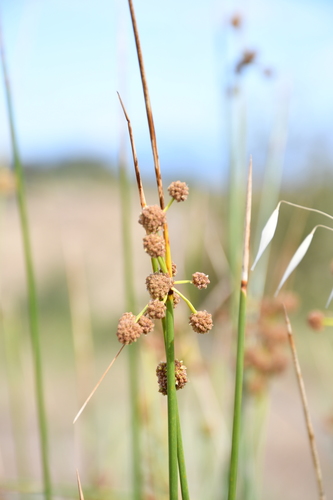
Scirpoides is a genus of sedges (Cyperaceae), native to Europe and adjoining areas, and introduced elsewhere. It was split off from Scirpus.
Kyllinga
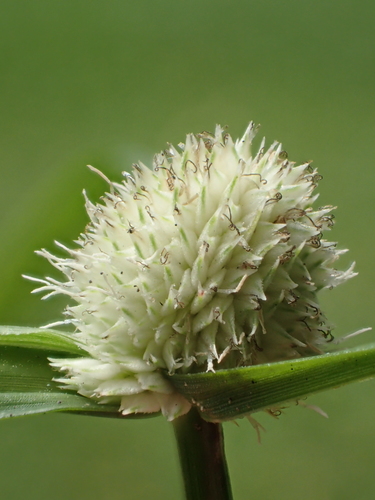
Kyllinga is genus of flowering plants in the sedge family known commonly as spikesedges. They are native to tropical and warm temperate areas of the world, especially tropical Africa. These sedges vary in morphology, growing to heights from 2.5 centimeters to a meter and sometimes lacking rhizomes. They are closely related to Cyperus species and sometimes treated as part of a more broadly circumscribed Cyperus.
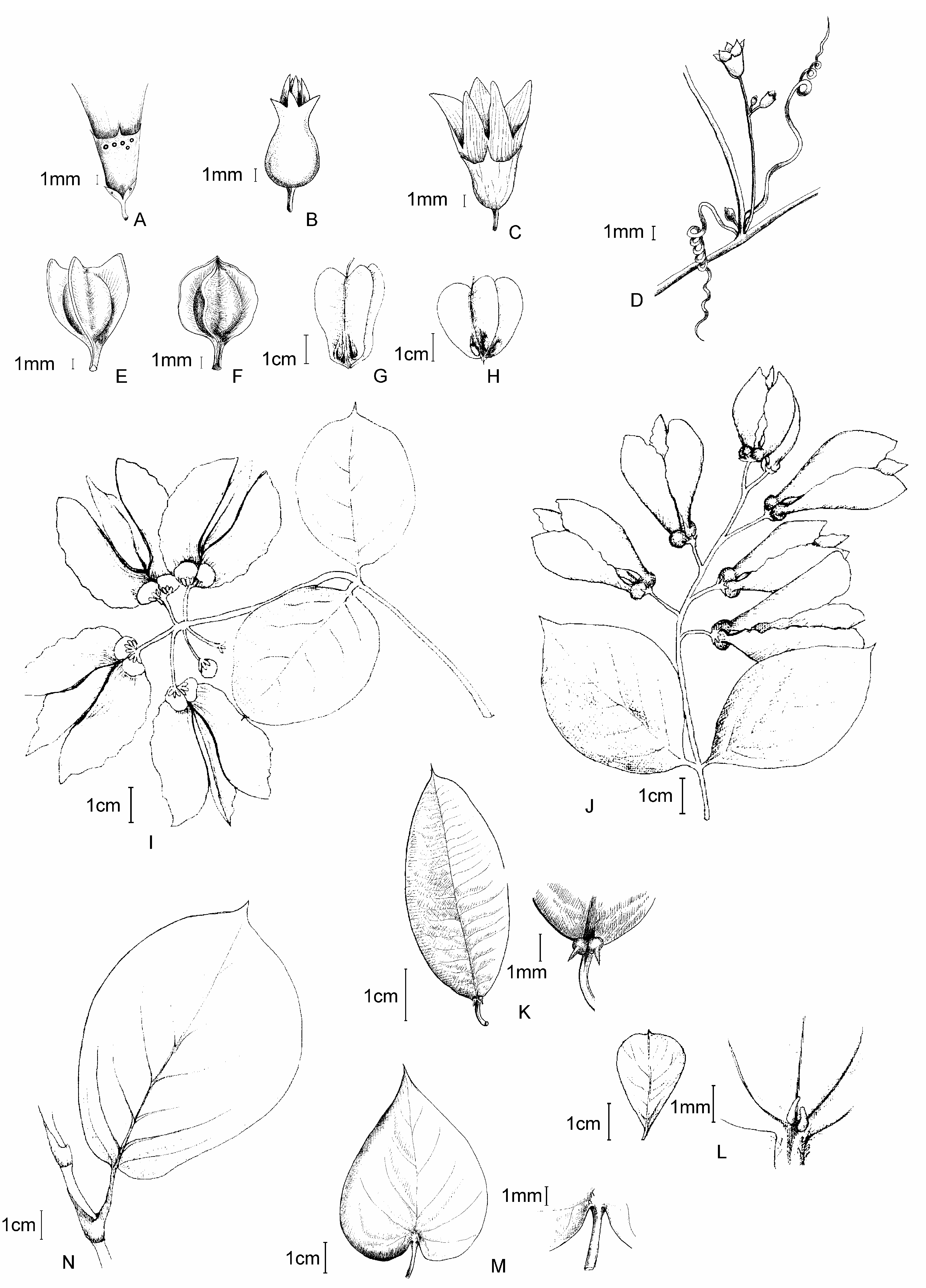
Bulbostylis
Bulbostylis is a genus of plants in the sedge family. They are sometimes called hairsedges. There are over 200 species of these clump-forming plants of dry grasslands and warm and tropical savannas worldwide. They have solid, rounded, grooved stems and long, thin basal leaves. They bear spikelets of flowers.
Actinoschoenus
Actinoschoenus is a genus of the sedge family. It contains three species native to central tropical Africa, Madagascar, tropical Asia, and Australia.

Mapania
Mapania is a genus of plants in the family Cyperaceae. It contains 100 species, distributed in tropical regions of Africa, India, southern China, Southeast Asia, New Guinea, Australia, Central America, northern South America, and various oceanic islands.
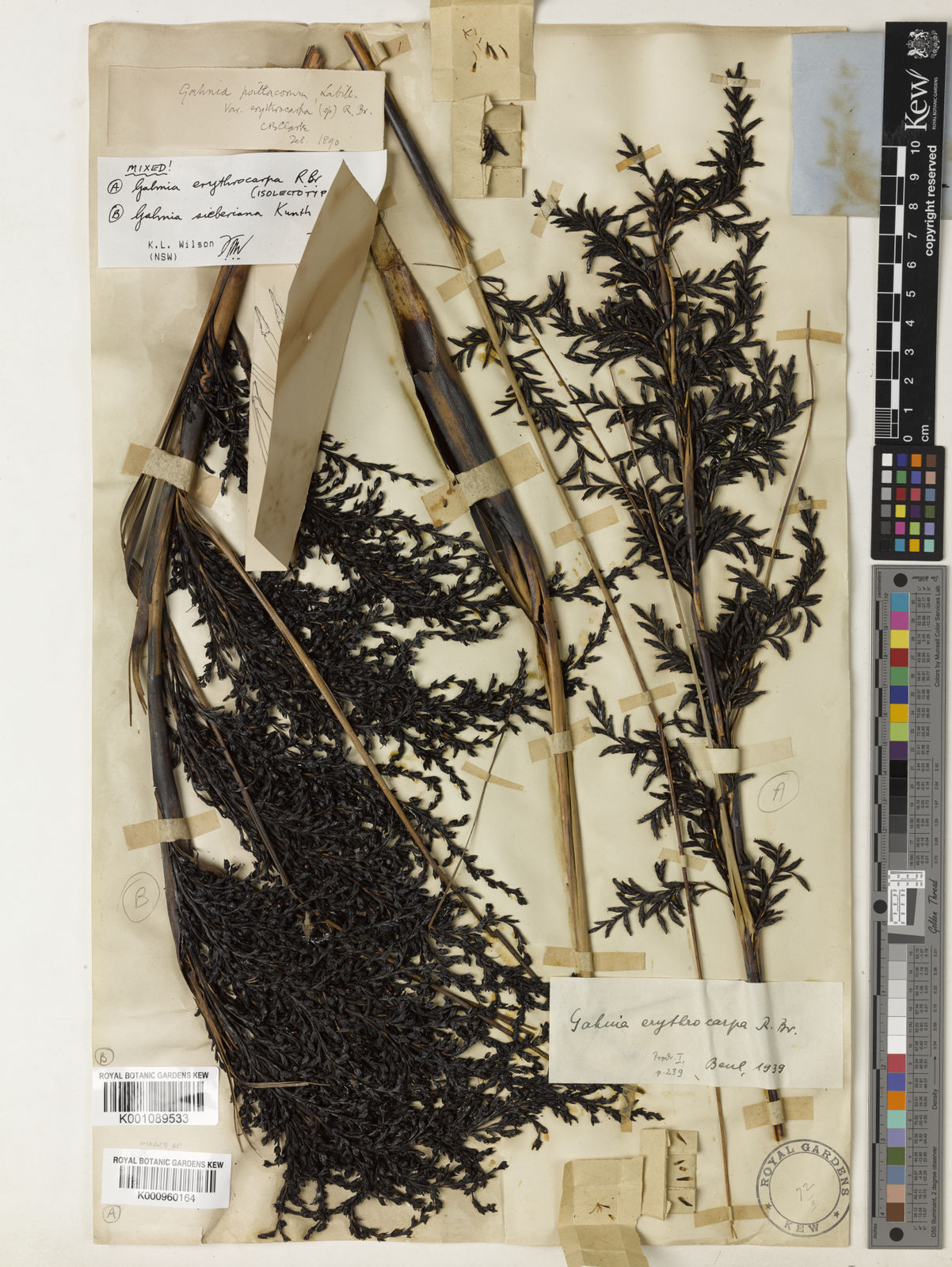
Gahnia
Gahnia (sawsedge, saw-sedge) is a genus of sedges native to China, Southeast Asia, New Guinea, Australia, New Zealand and a number of Pacific Islands. The common name is due to the toothed margins. It often forms tussocks.
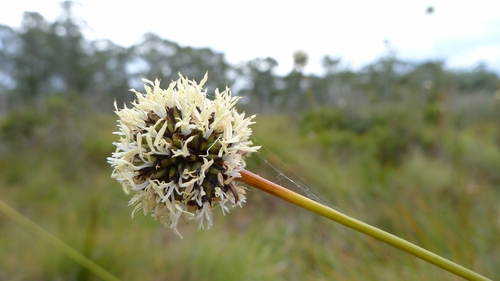
Gymnoschoenus
Gymnoschoenus is a genus of tussock-forming grasses in the family Cyperaceae. It is endemic to southern Australia.
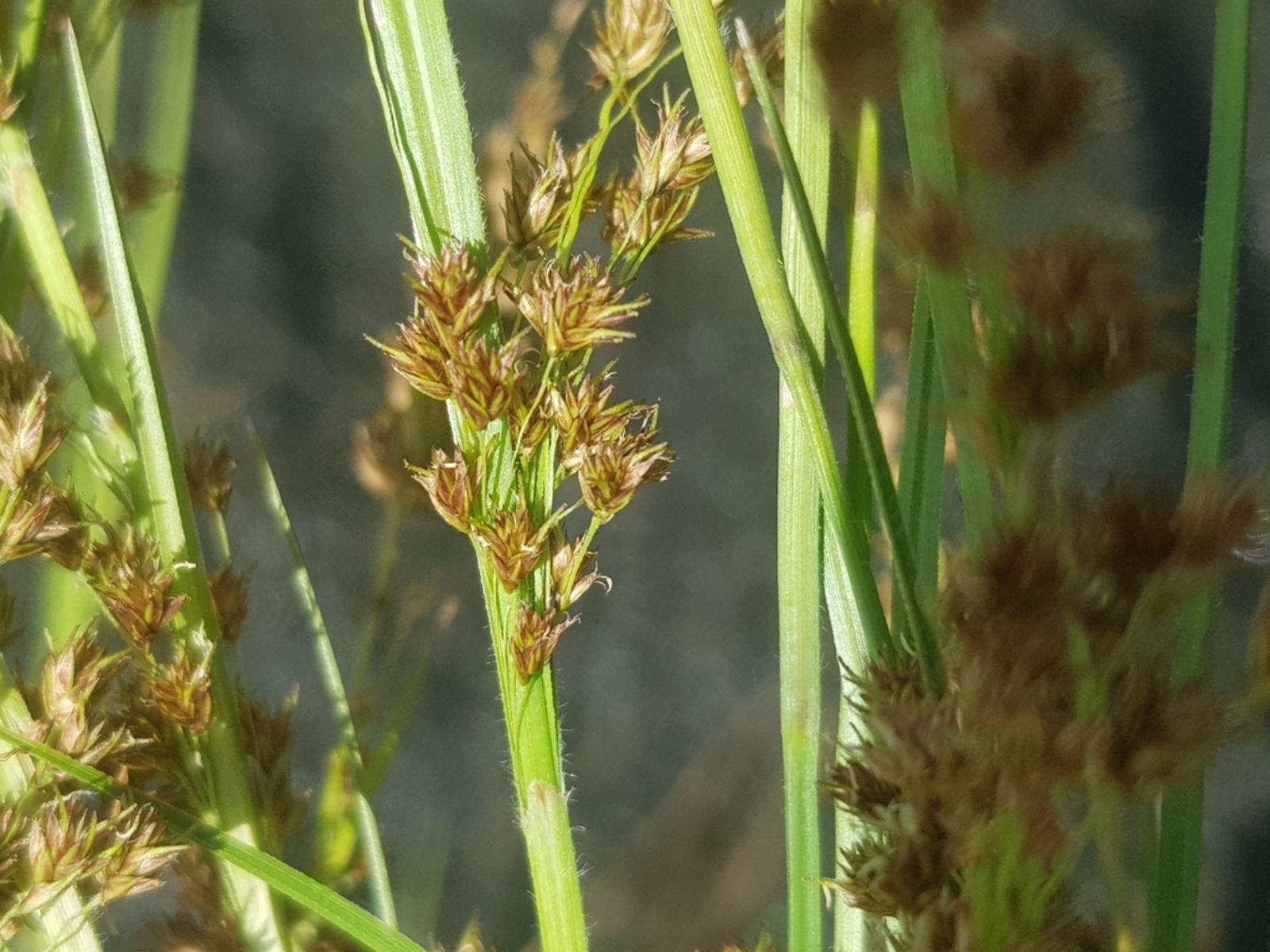
Afrotrilepis
Afrotrilepis is a genus of flowering plants belonging to the family Cyperaceae.
Schoenoplectiella
Schoenoplectiella is a genus of flowering plants in the sedge family. It has a nearly-cosmopolitan distribution. The genus was first described in 2003 by Kaare Arnstein Lye, and the type species is Schoenoplectiella articulata. There are no synonyms.
Hypolytrum
Hypolytrum is a genus of plant in the family Cyperaceae. It contains approximately 60–70 species, native to tropical Africa, Asia, Australia, Latin America and various oceanic islands.
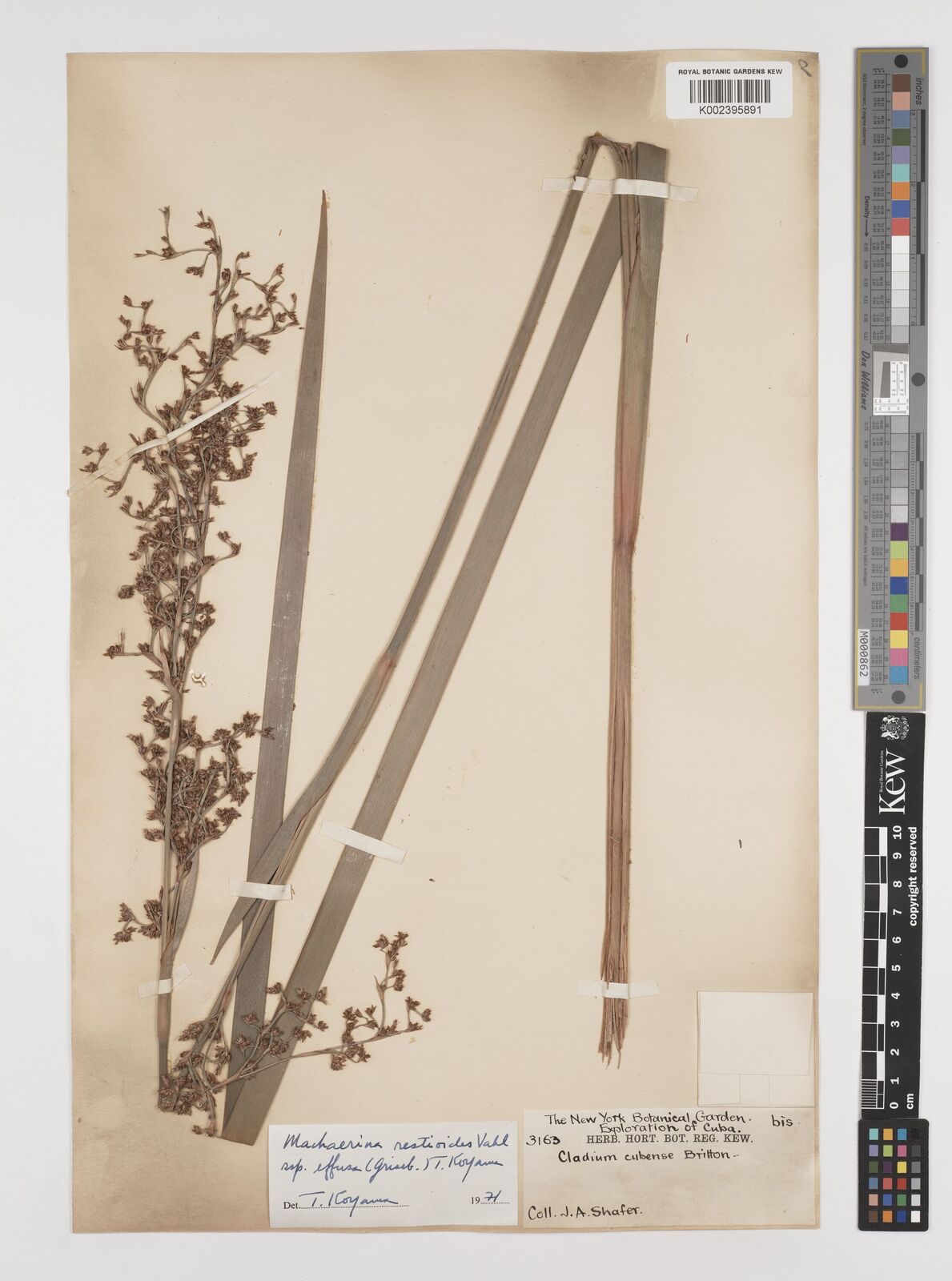
Machaerina
Machaerina (twigrush) is a genus of flowering plants in the sedge family. Its species occur in tropical America, the West Indies, Malesia, Australia and the Pacific region. The name comes from the Greek machaira (a large knife), alluding to the shape of the leaves in the type species – Machaerina restioides.
Coleochloa
Coleochloa is a plant genus in the family Cyperaceae. It is found in sub-Saharan Africa and on the Island of Madagascar.

Uncinia
Uncinia is a genus of flowering plants in the family Cyperaceae, known as hook-sedges in Australia and as hook grasses or bastard grasses in New Zealand. The genus is characterised by the presence of a long hook formed by an extension of the rachilla, which is used to attach the fruit to passing animals (epizoochory), especially birds, and it is this feature which gives the genus its name, from the Latin uncinus, meaning a hook or barb.
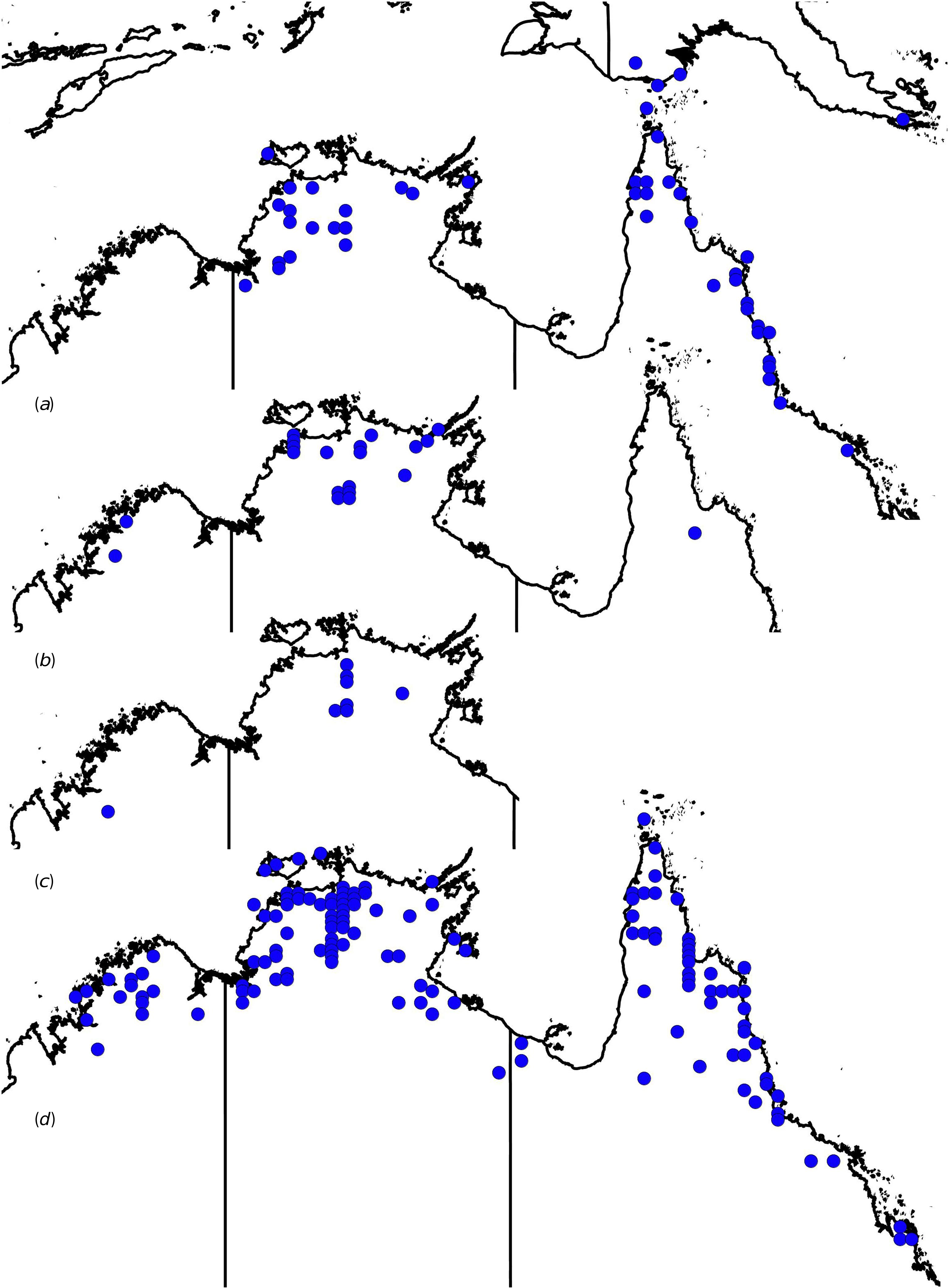
Diplacrum
Diplacrum is a genus of flowering plants belonging to the family Cyperaceae.
Fuirena
Fuirena, called umbrella sedges or umbrella grasses, are a genus of flowering plants in the sedge family (Cyperaceae), with a worldwide distribution, chiefly in the tropics and temperate zones. They are named for Danish physician and early botanist Georg Fuiren (Jorgen Furenius), 1581–1628.

Lipocarpha
Lipocarpha is a genus of sedges known as halfchaff sedges. There are approximately 35 species and representatives can be found throughout the tropical and warmer temperate areas of Africa, Asia (China, India, Indonesia, etc.), Australia, North America, South America and various oceanic islands. These mostly are erect annual herbs (some perennials are known) growing 1 to 30 centimeters tall. The inflorescence consists of one to few spikes each containing many spirally arranged spikelets. The flower is entangled with two hyalin scales, a spikelet prophyll and a glume. These flower stands in the
Lagenocarpus
Lagenocarpus is a genus of flowering plants belonging to the family Cyperaceae.
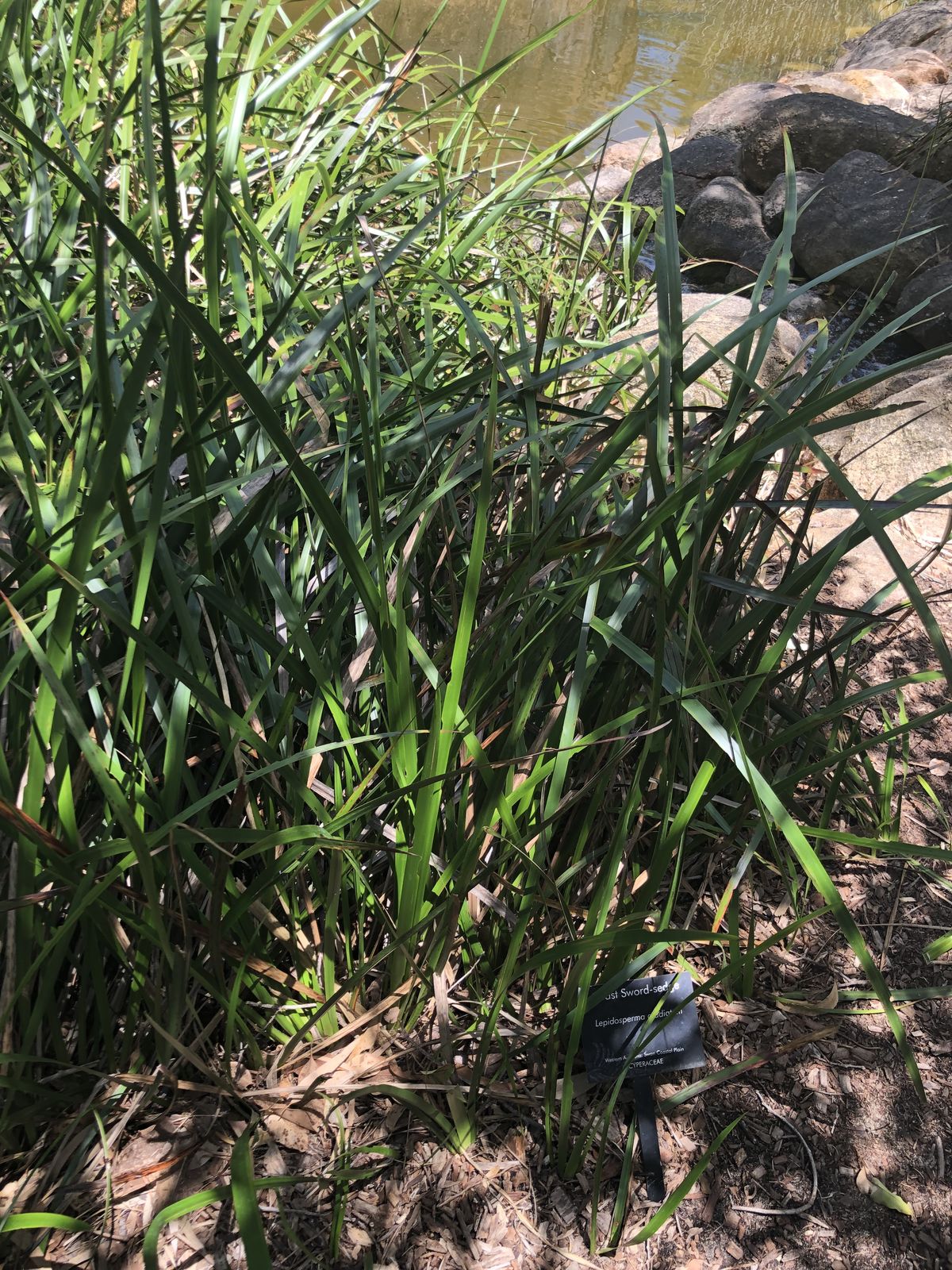
Lepidosperma
Lepidosperma is a genus of flowering plant of the family Cyperaceae. Most of the species are endemic to Australia, with others native to southern China, southeast Asia, New Guinea, New Caledonia and New Zealand.
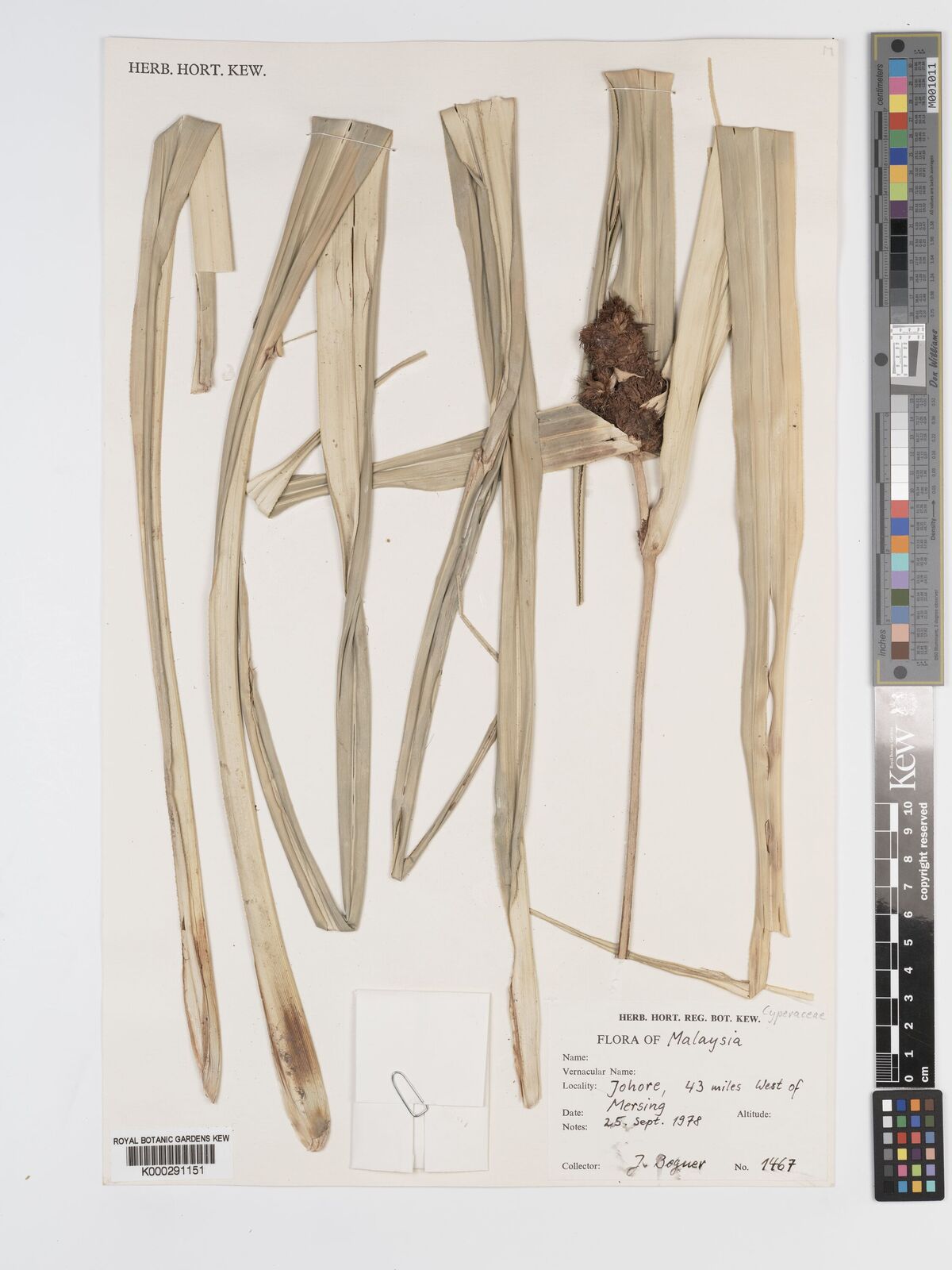
Scirpodendron
Scirpodendron is a genus of flowering plants belonging to the family Cyperaceae. Its native range is from India, through southeast Asia to the western Pacific.
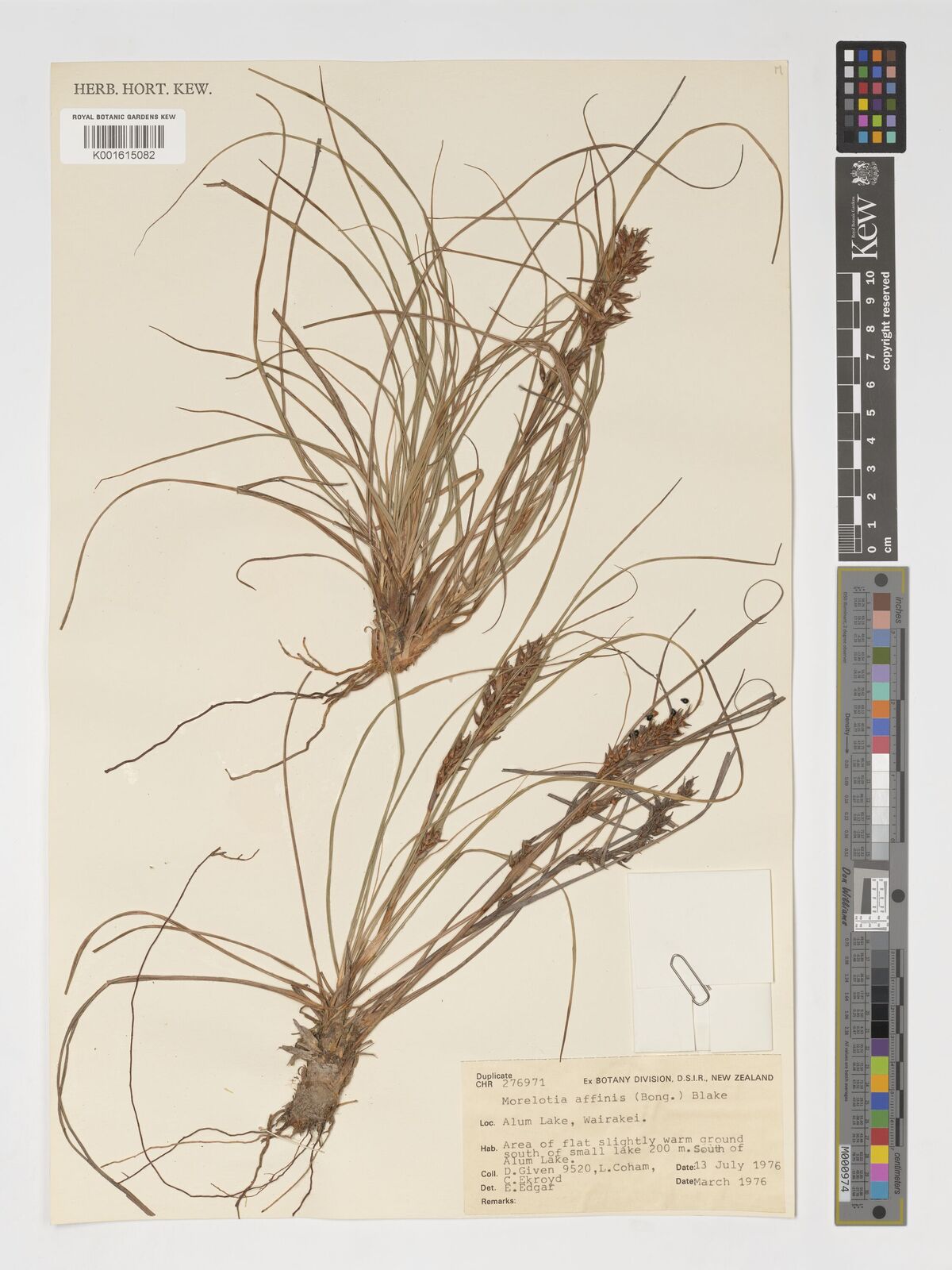
Morelotia
Morelotia is a genus of flowering plants belonging to the family Cyperaceae. It contains six species of sedges native to New Zealand, the Hawaiian Islands, Tubuai Islands, and Western Australia.
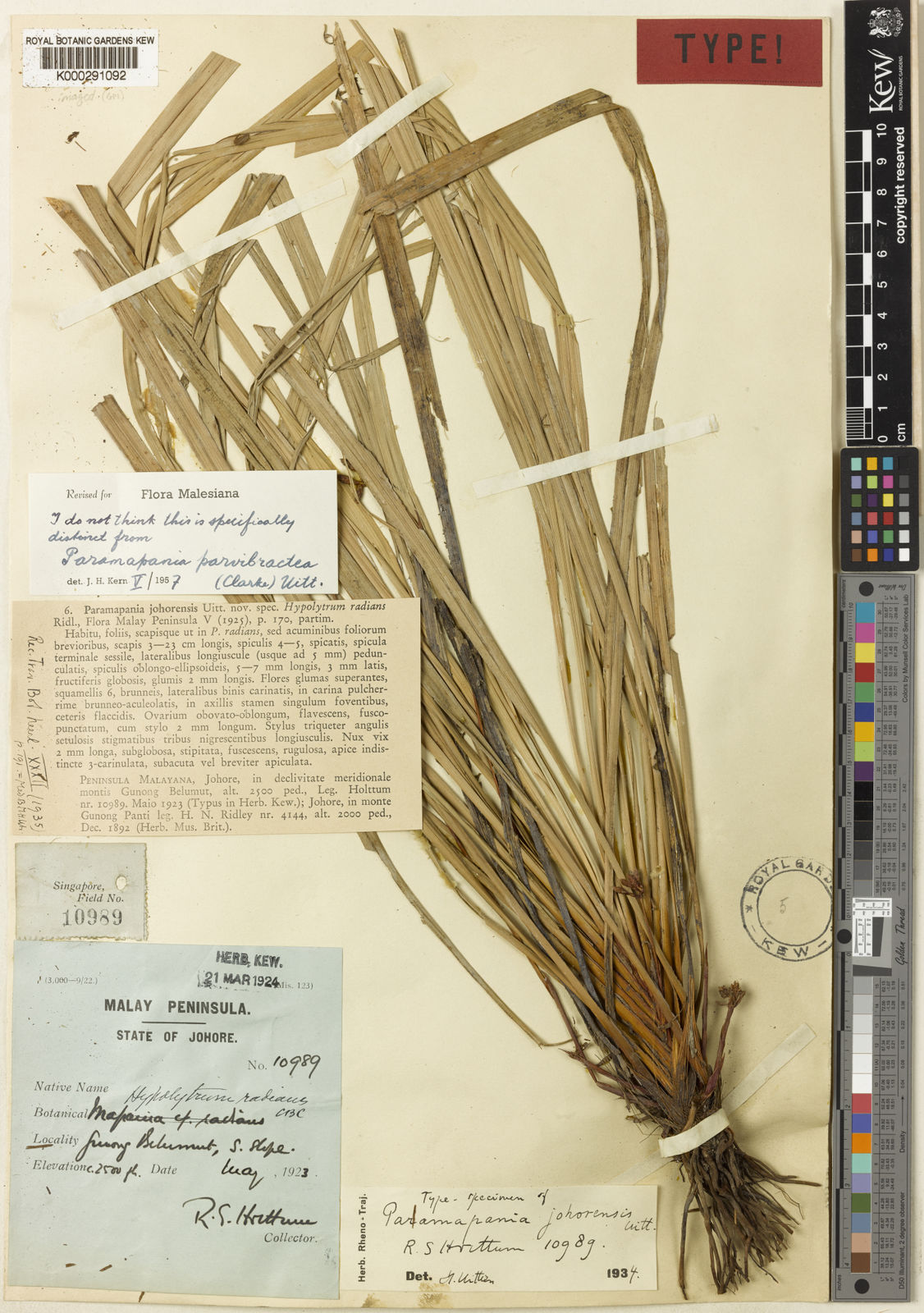
Paramapania
Paramapania is a genus of flowering plants belonging to the family Cyperaceae.
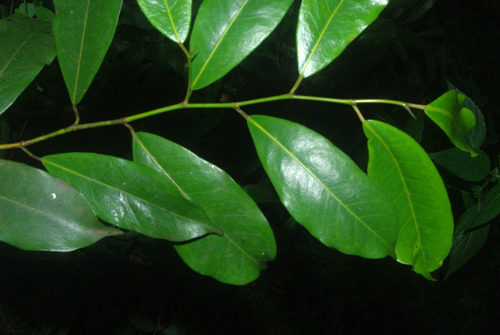
Trilepis
Trilepis is a genus of flowering plants belonging to the family Cyperaceae. It includes five species native to northern South America (Venezuela and the Guianas) and eastern Brazil.

Costularia
Costularia is a plant genus in the family Cyperaceae. It includes 15 species native to southeastern Africa, ranging from South Africa (KwaZulu-Natal and Northern Provinces) through Eswatini, Mozambique, Zimbabwe, and Malawi, and to the islands Madagascar, Réunion, and the Seychelles in the Western Indian Ocean.
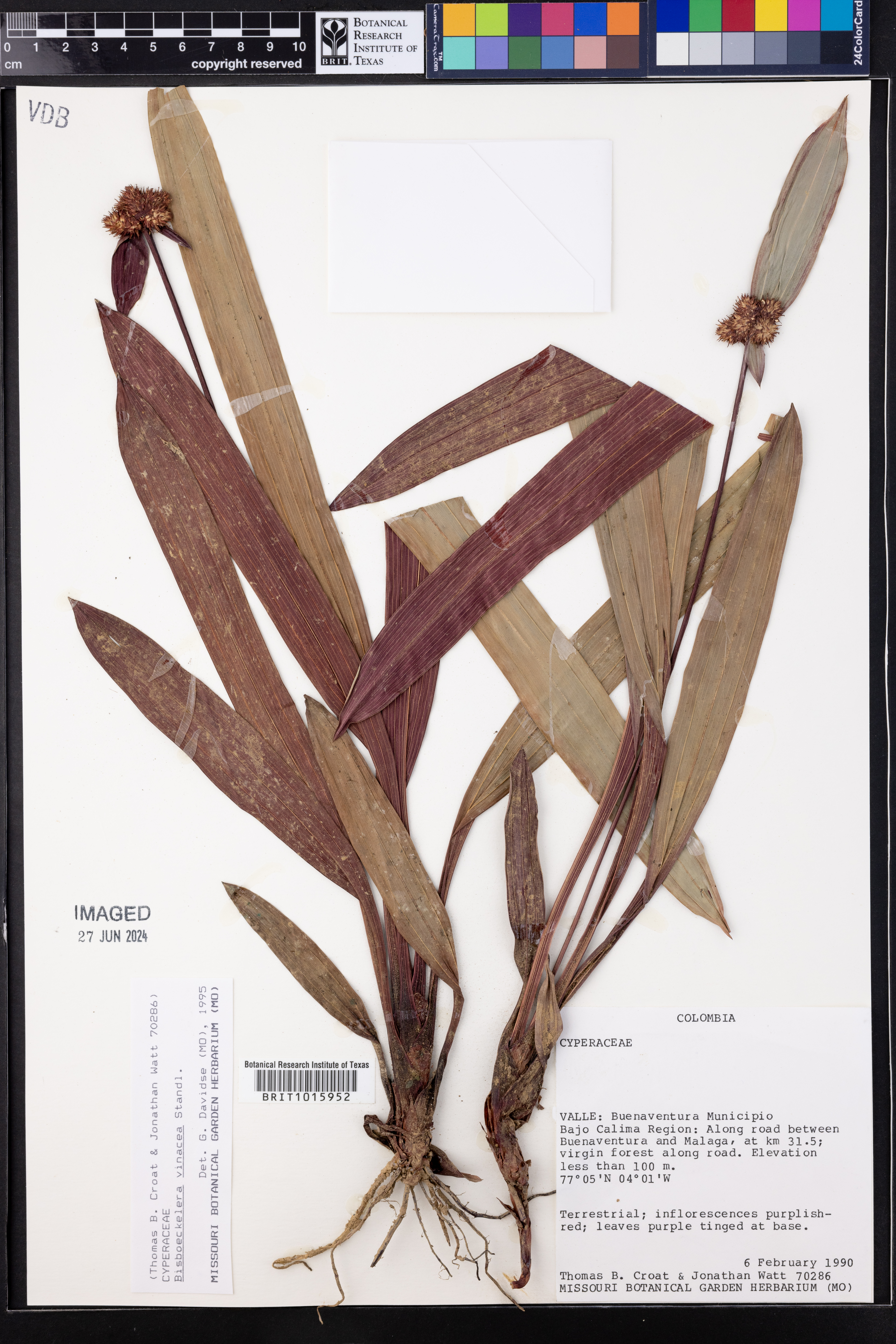
Bisboeckelera
Bisboeckelera is a genus of flowering plants belonging to the family Cyperaceae.
Phylloscirpus
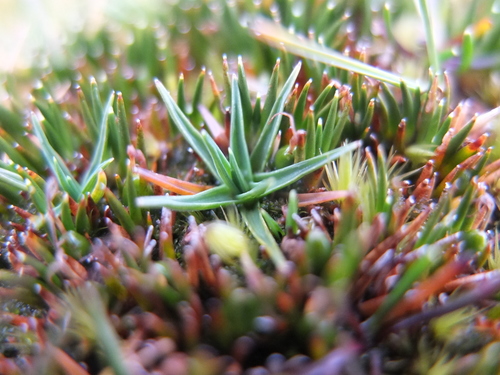
Phylloscirpus is a genus of flowering plants belonging to the family Cyperaceae.
Oreobolus
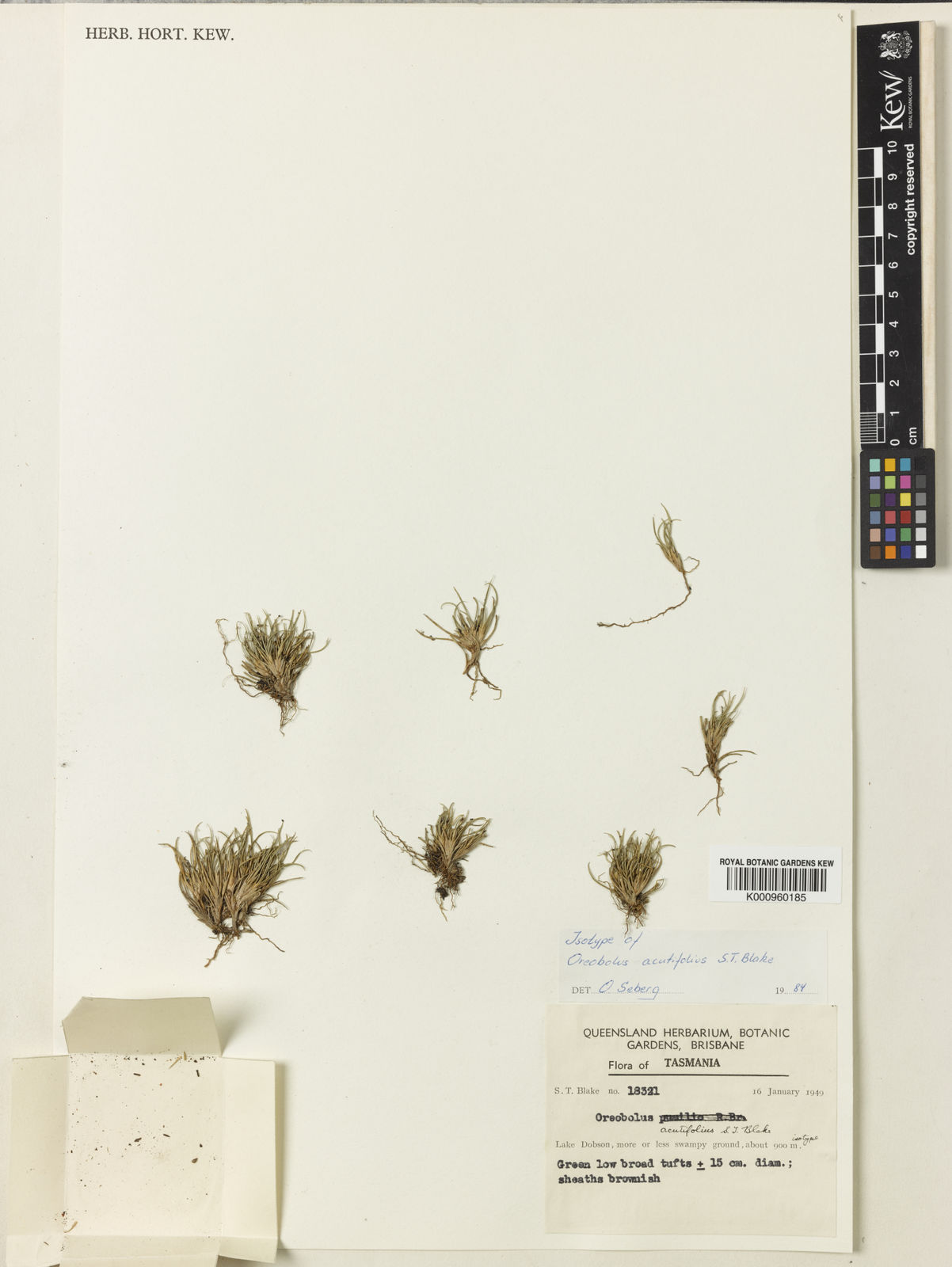
Oreobolus is a genus of flowering plants in the family Cyperaceae. The genus has a circumpacific distribution. There are 17 species in the genus:

Tetraria
Tetraria is a genus of flowering plants in the sedge family, Cyperaceae, native to Tanzania, South Africa, Borneo, Australia and New Zealand.
Zameioscirpus
Zameioscirpus is a genus of flowering plants belonging to the family Cyperaceae.

Ficinia
Ficinia is a genus of tufted or rhizomatous sedges in the family Cyperaceae. There are 91 accepted species – around 70 recognised species in Africa, four species (Ficinia ambigua, Ficinia anomala, Ficinia nodosa, and Ficinia spiralis) that occur in New Zealand and a single species Ficinia nodosa that occurs in Australia. The genus was described by German botanist Heinrich Adolph Schrader after another German botanist, Heinrich David August Ficinus.
Evandra
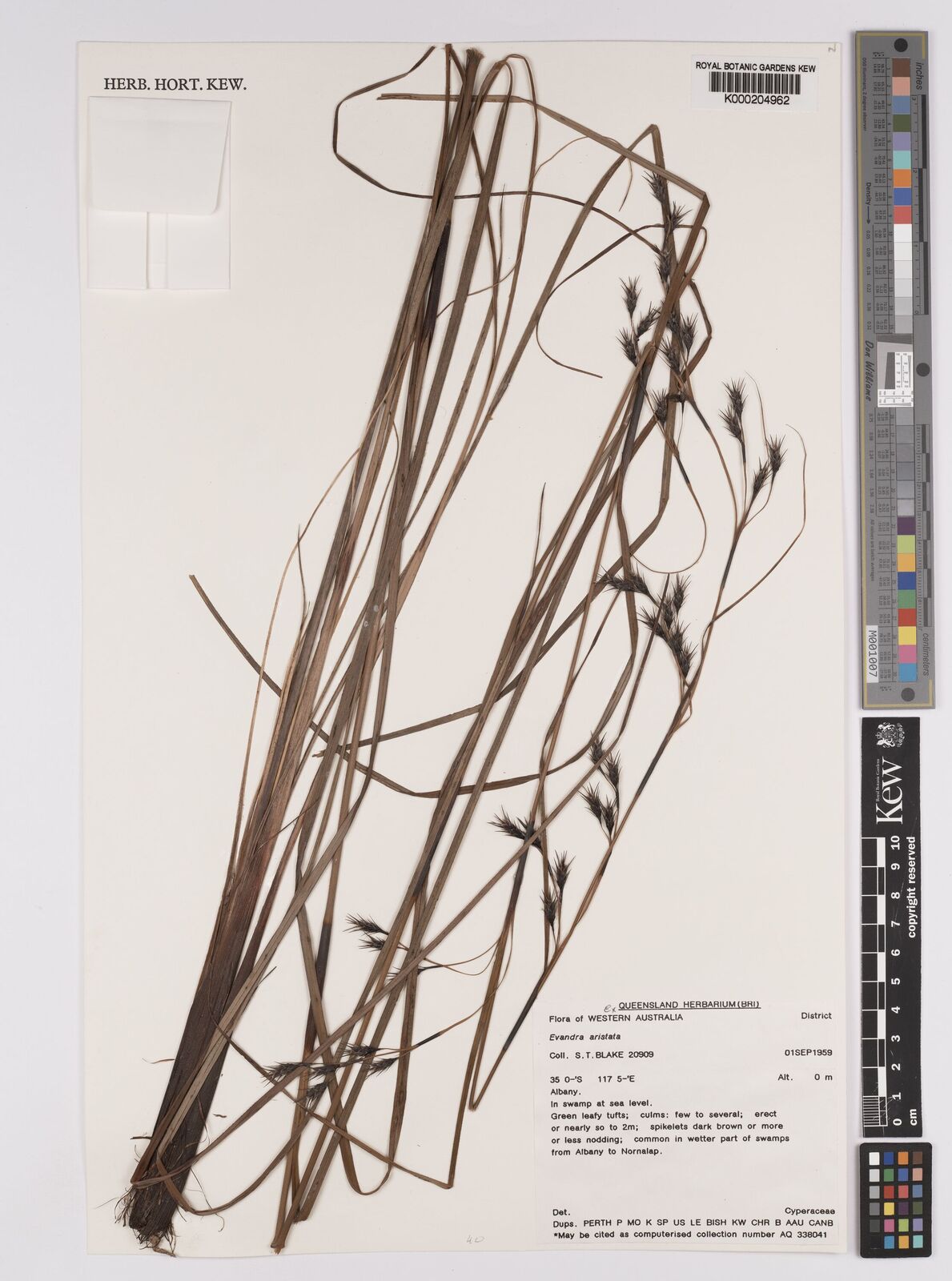
Evandra is a genus of flowering plants belonging to the family Cyperaceae.
Calyptrocarya
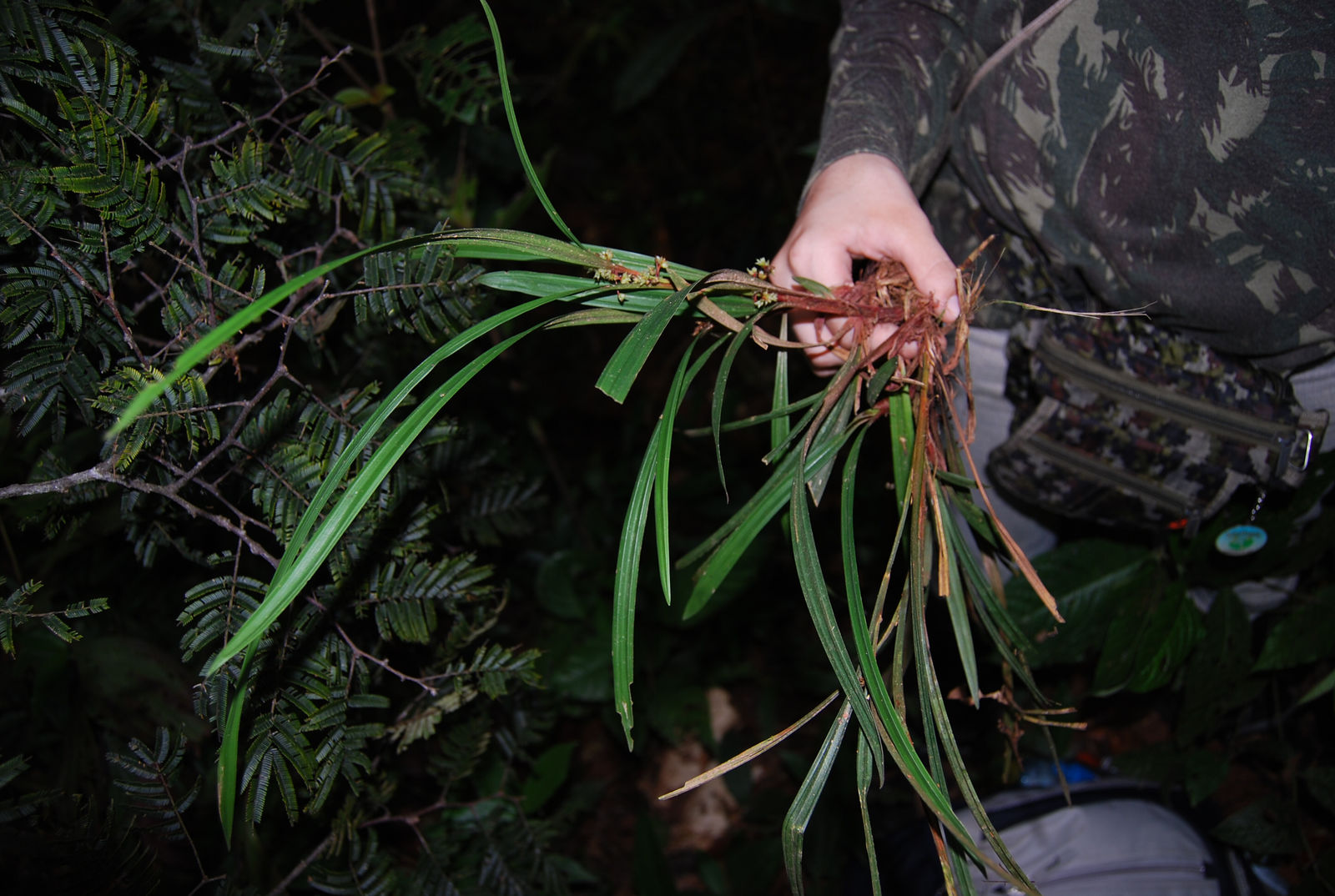
Calyptrocarya is a genus of flowering plants belonging to the family Cyperaceae.

Tricostularia
Tricostularia is a genus of flowering plants belonging to the family Cyperaceae. All species of the genus Tricostularia are endemic to Australia.
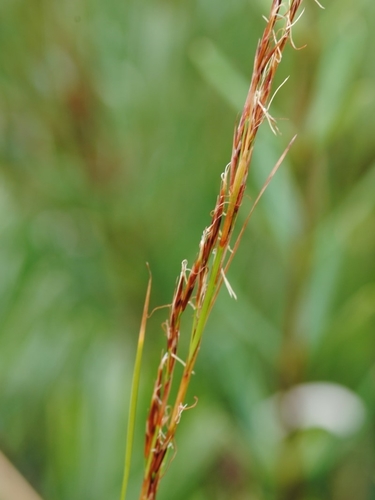
Cyathochaeta
Cyathochaeta is a genus of rhizomatous perennial sedges.

Carpha
Carpha is a genus of flowering plants belonging to the family Cyperaceae.

Mesomelaena
Mesomelaena is a genus of sedges. It has 5 known species, all endemic to Western Australia.

Trianoptiles
Trianoptiles is a genus of flowering plants belonging to the family Cyperaceae. They are commonly known as Capesedges. The genus is endemic to South Africa.
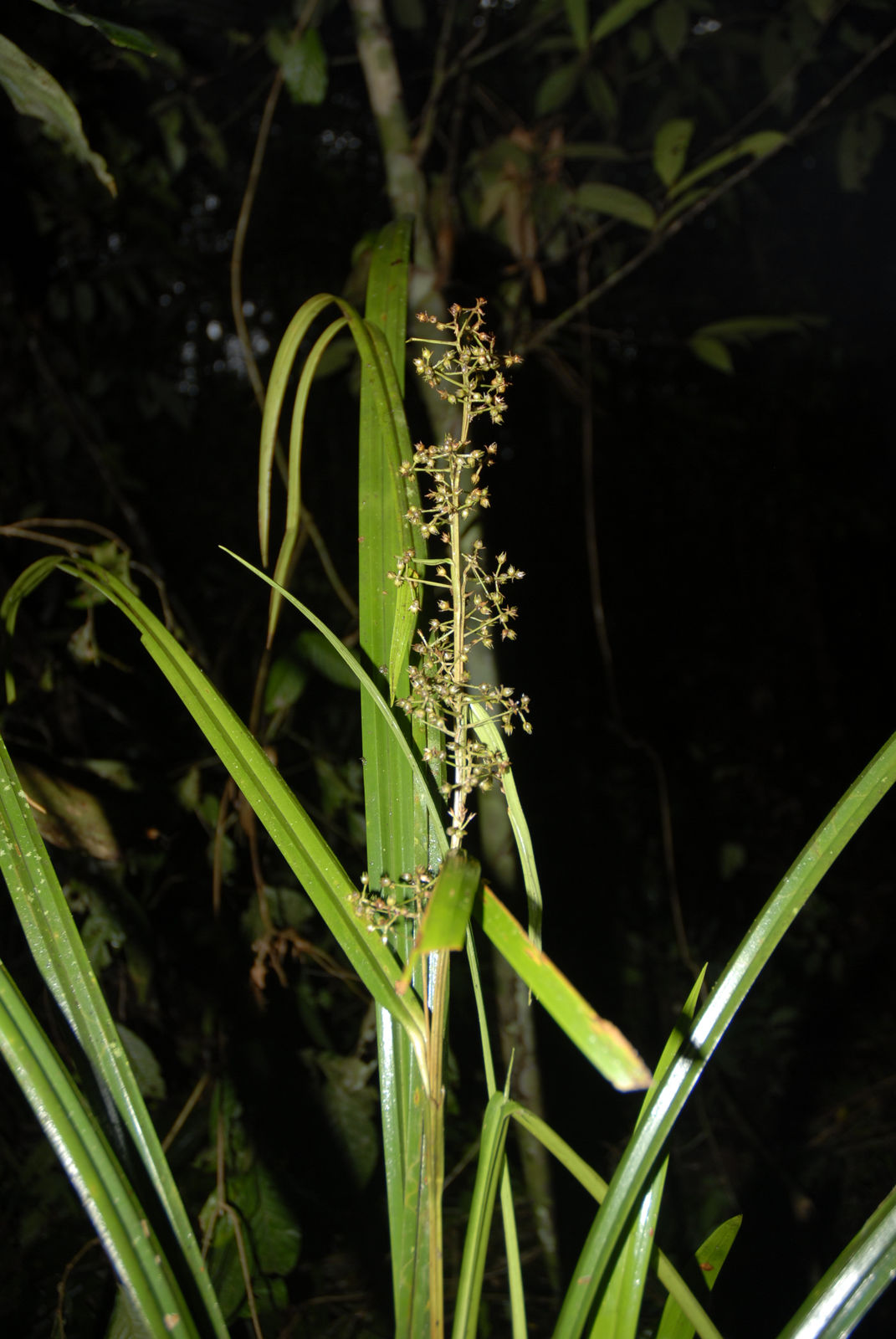
Becquerelia
genus of plants

Cephalocarpus
Cephalocarpus is a genus of flowering plants belonging to the family Cyperaceae. It includes 20 species of sedges native to tropical South America, ranging from Colombia and Peru to Venezuela, Guyana, Suriname, and northern Brazil.
Abildgaardia
Abildgaardia is a genus of flowering plant in the family Cyperaceae, widely distributed in the tropics and subtropics. The genus was established by Martin Vahl in 1805.
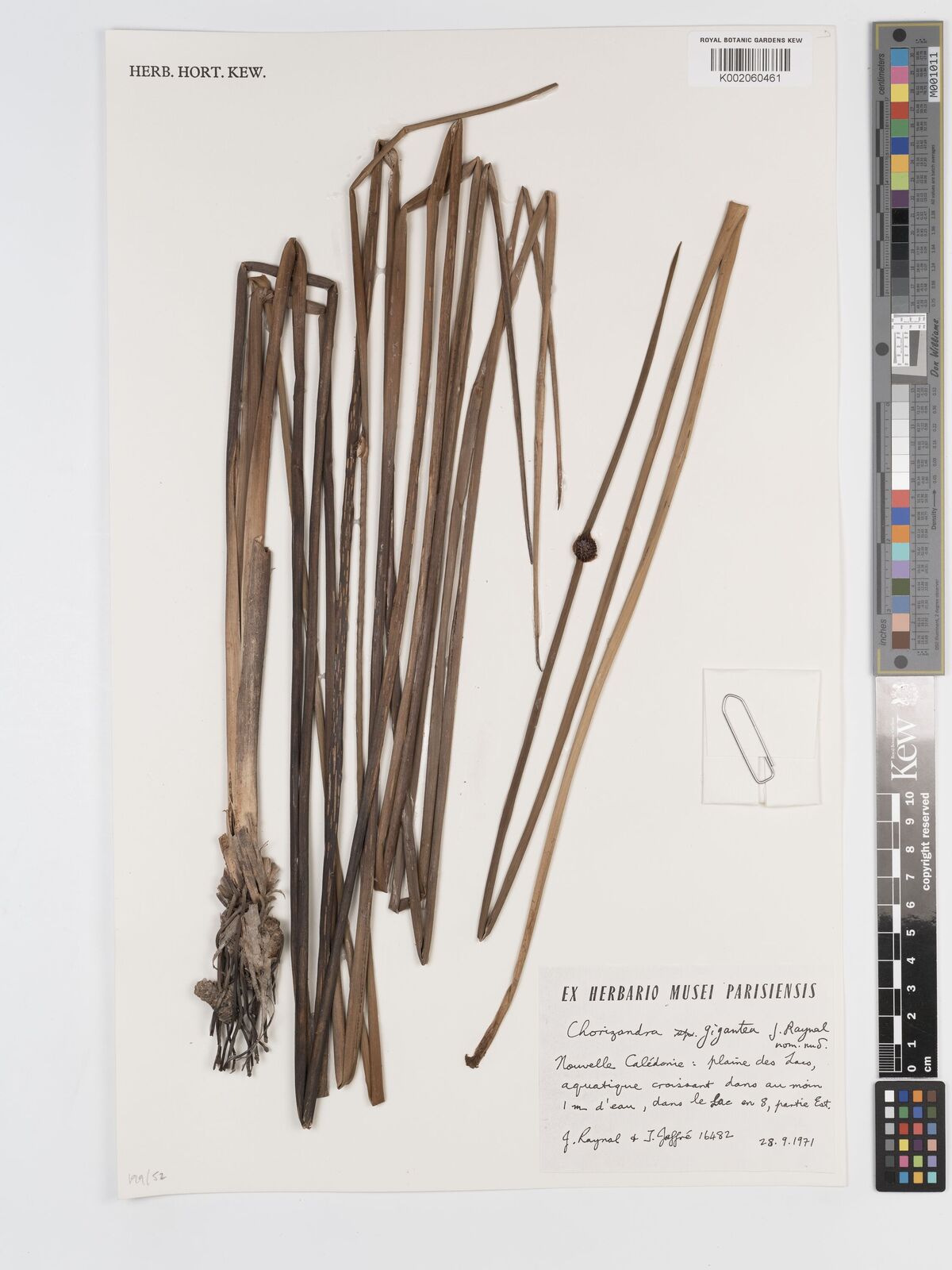
Chorizandra
Chorizandra is a genus of rhizomatous sedges, encompassing six species; four of which are endemic to Australia and two to New Caledonia.
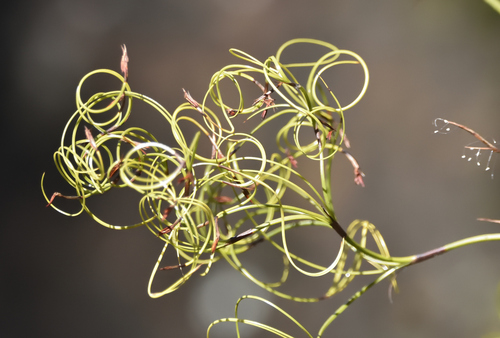
Caustis
Caustis is a genus of rhizomatous flowering plants in the sedge family.
Sumatroscirpus
Sumatroscirpus is a genus of flowering plants belonging to the family Cyperaceae.
Erioscirpus
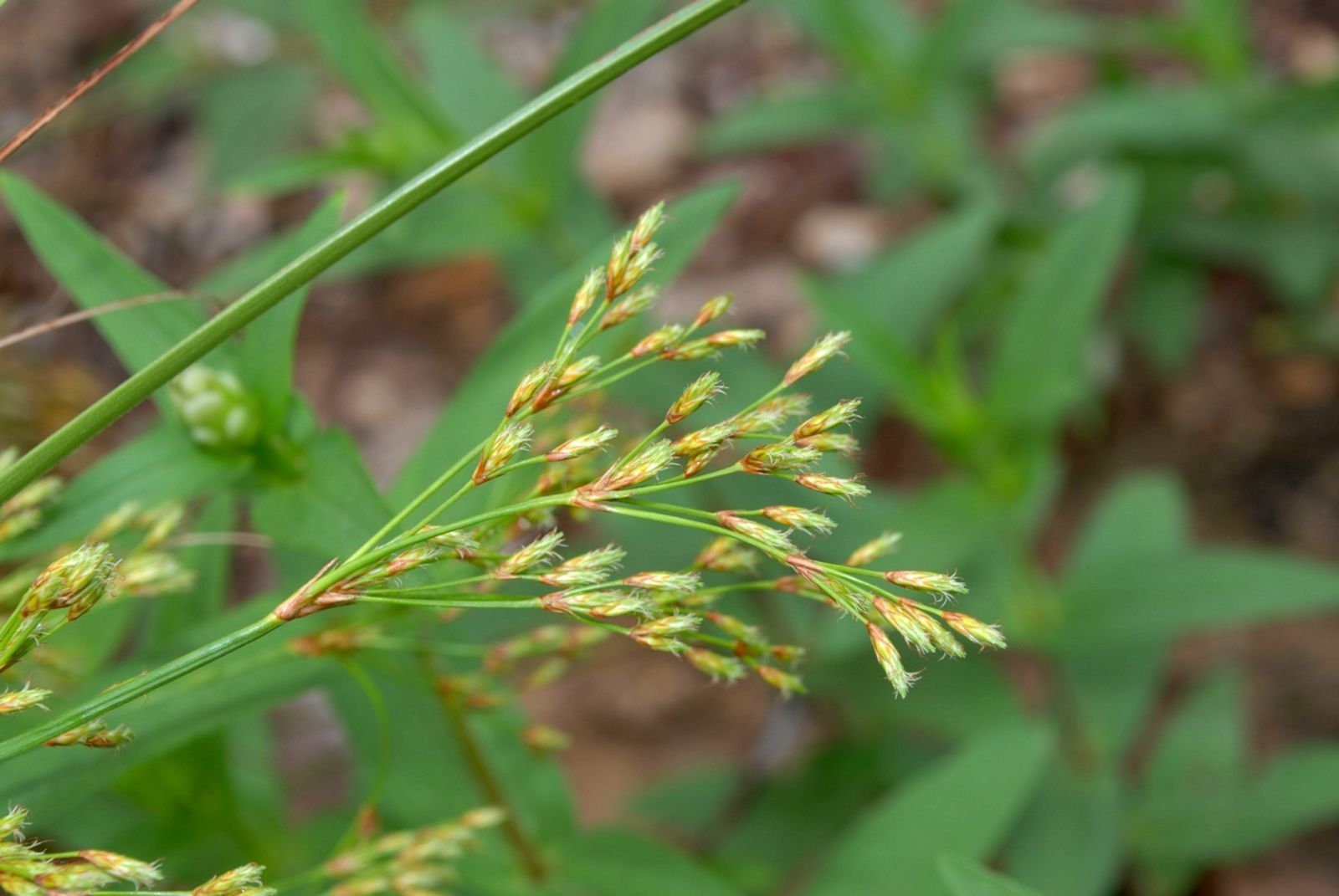
Erioscirpus is a genus of flowering plants belonging to the family Cyperaceae.
Calliscirpus
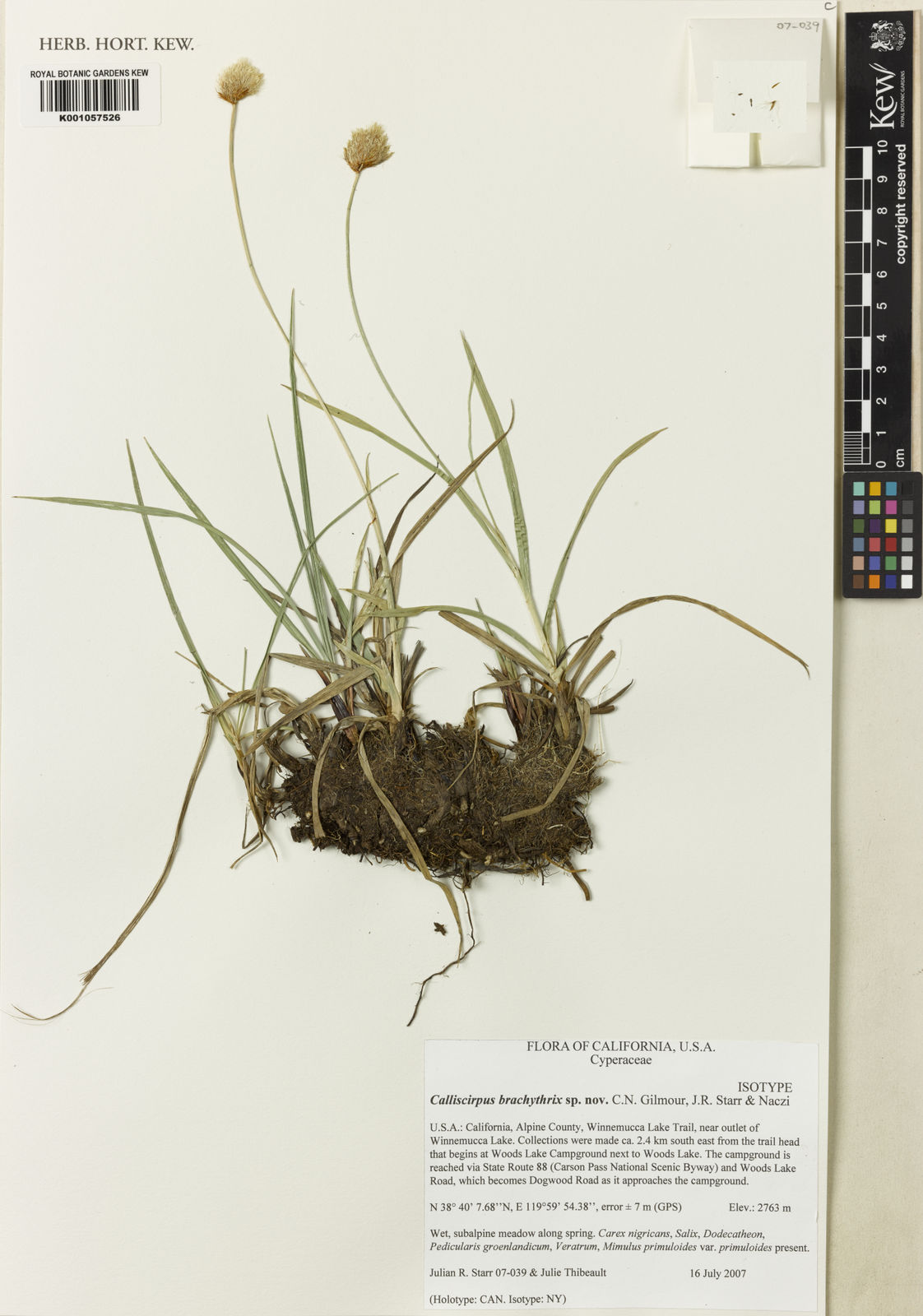
Calliscirpus is a genus of flowering plants belonging to the family Cyperaceae.
Dracoscirpoides
Dracoscirpoides is a genus of flowering plants belonging to the family Cyperaceae.