Category
page 1Cyrillic letters

Г/г
Cyrillic letter “ghe”

Б
Cyrillic letter

В
Cyrillic letter

И
Cyrillic letter

Ж
Cyrillic letter

Д
Cyrillic letter
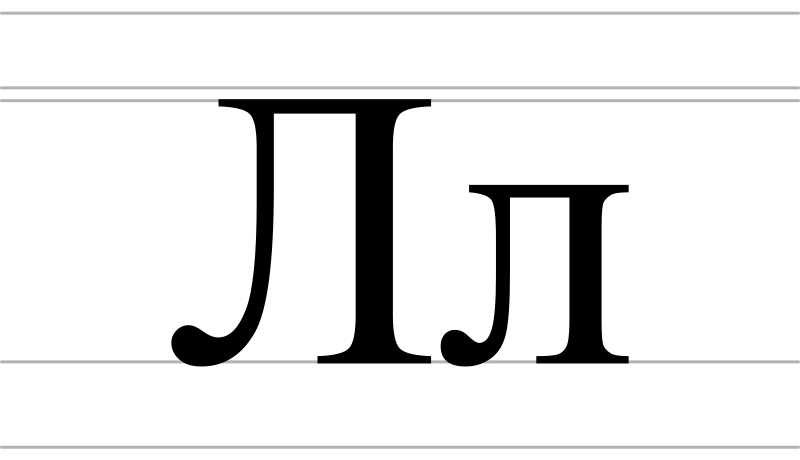
Л/л
Cyrillic letter El

К
letter of the Cyrillic script

Е/е
Cyrillic letter Ie

З
Cyrillic letter

Й
Cyrillic letter

Я
Cyrillic letter

П
Cyrillic letter

O
Cyrillic letter
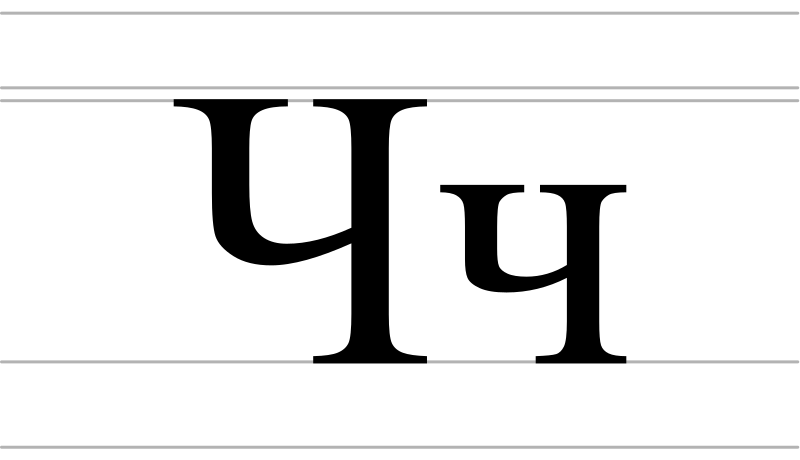
Ч
Cyrillic letter
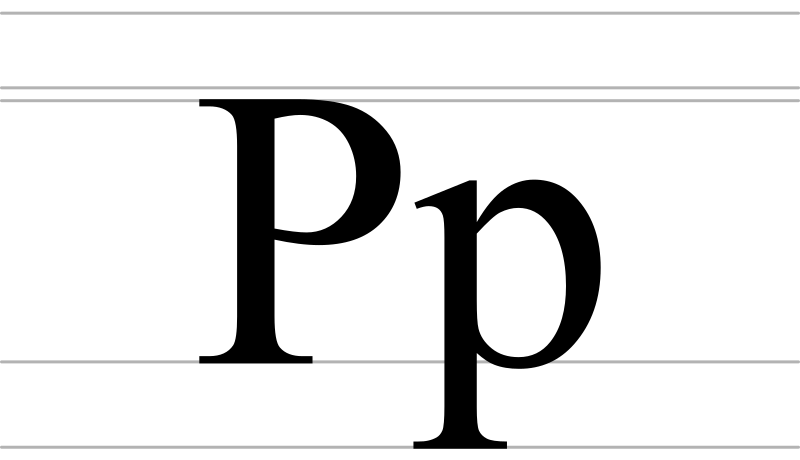
Р
Cyrillic letter

Щ
thumb|Shcha, from the Alphabet Book оf the Red Army Soldier (1921). The illustration depicts (shchuk), "pike (fish)|pike" (acc. pl.).
Shcha (Щ щ; italics: Щ щ or Щ щ; italics: Щ щ), Shta, or Scha is a letter of the Cyrillic script. In Russian, it represents the long (sometimes short) voiceless alveolo-palatal fricative , similar to the pronunciation of sh in 'sheep'. In Bulgarian, it represents the consonant cluster , like the pronunciation of “scht” in Borscht. In Ukrainian and Rusyn, it represents the consonant cluster . Most other non-Slavic languages written in Cyrillic use this

Т
Cyrillic letter

С
Cyrillic letter

Ш
letter of the Glagolitic and Cyrillic script

Ф
Cyrillic letter

Ё
letter of the Cyrillic script

Ъ
Cyrillic letter

М
Cyrillic letter

Н
Cyrillic letter
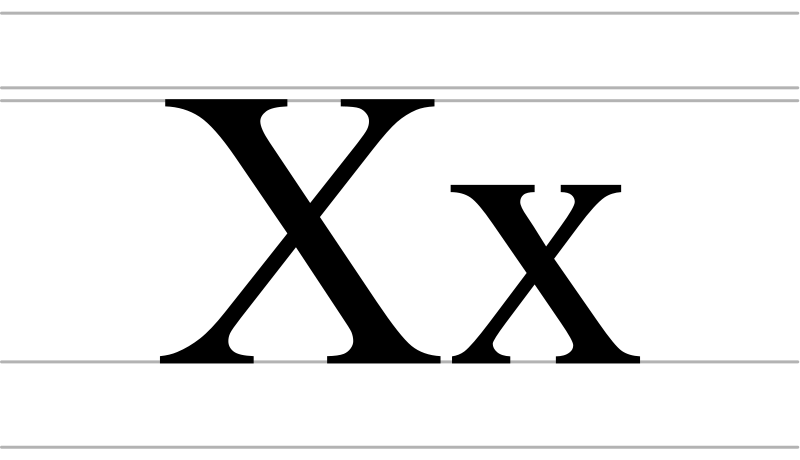
Х/х
Cyrillic letter “ha” or “kha”

Ц
Cyrillic letter

Ь
Cyrillic letter
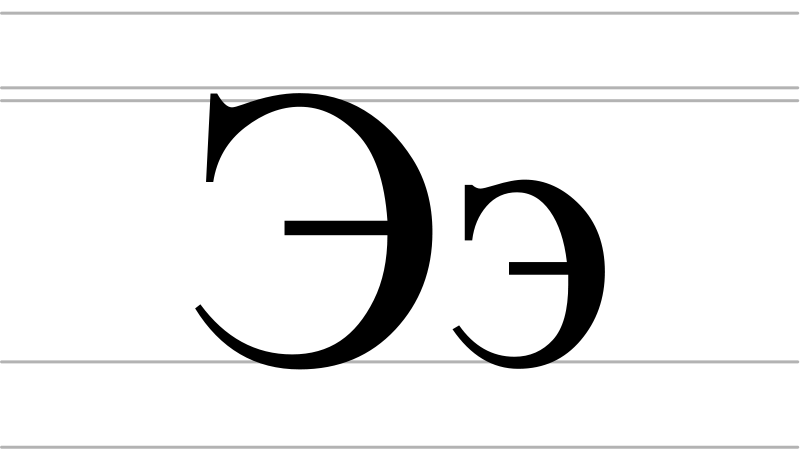
Э
letter found amongst Slavonic languages only in Russian and Belarusian

У
Cyrillic letter
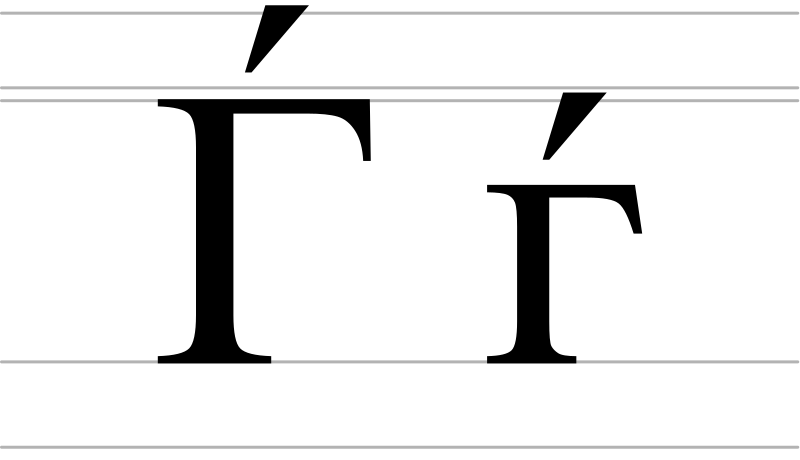
Ѓ
Gje (or '''''') (Ѓ ѓ; italics: Ѓ ѓ) is a letter of the Cyrillic script.

І/і
Cyrillic letter “Ukrainian-Belarusian i” or “izhei”, also formerly used in Russian before 1918
Ѕ/ѕ
Dze (Ѕ ѕ; italics: Ѕ ѕ or Ѕ ѕ; italics: Ѕ ѕ) is a letter of the Cyrillic script, used in the Macedonian alphabet to represent the voiced alveolar affricate , similar to the pronunciation of in "needs" or "kids" in English. It is derived from the letter dzelo or zelo of the Early Cyrillic alphabet, and it was used historically in all Slavic languages that use Cyrillic.

Ґ
Cyrillic letter used in Ukrainian and Rusyn

Ј/ј
Cyrillic letter Je

Џ
thumb|Various forms of the letter dzhe, including the word dzhelat (executioner).|class=skin-invert-image
Dzhe (Џ џ; italics: Џ џ or Џ џ; italics: Џ џ), also spelled dže, is a letter of the Cyrillic script used in Macedonian and varieties of Serbo-Croatian (Montenegrin and Serbian) to represent the voiced postalveolar affricate , like the pronunciation of j in “jump”.

Ў
Cyrillic letter used in Belarusian, Dungan, and Siberian Yupik

Є
8th letter in the Ukrainian alphabet

Ї
13th letter in the Ukrainian alphabet

Ќ
Kje (Ќ ќ or Ḱ ḱ; italics: Ќ ќ or Ḱ ḱ) is a letter of the Cyrillic script, used only in the Macedonian alphabet, where it represents the voiceless palatal plosive , or the voiceless alveolo-palatal affricate . Kje is the 24th letter in this alphabet. It is romanised as or sometimes or .

Ksi
Slavonic letter

Ѣ

Ұ
Cyrillic letter used in Kazakh

Ѡ
letter used in the early Cyrillic alphabet

Ә
Cyrillic letter
Ө
Cyrillic letter

Ѳ
Fita (Ѳ ѳ; italics: Ѳ ѳ) is a letter of the Early Cyrillic alphabet. The shape and the name of the letter are derived from the Greek letter theta (Θ θ). In the ISO 9 system, Ѳ is romanized using F grave accent (F̀ f̀).

Ӏ/ӏ
The palochka () is a letter in the Cyrillic script. The letter is usually caseless. It was introduced in the late 1930s as the Hindu-Arabic digit '1'; on Cyrillic keyboards, it is usually typeset as the Roman numeral ''. Unicode currently supports both caseless/capital palochka at U+04C0 and a rarer lower-case palochka at U+04CF. The palochka marks glottal(ized) and pharyngeal(ized) consonants.
Ғ
Cyrillic letter

Ҁ
Cyrillic letter
Ѵ/ѵ
Izhitsa (Ѵ, ѵ Ѷ ѷ; italics: ; , , ) is a letter of the early Cyrillic alphabet and several later alphabets, usually the last in the row. It originates from the Greek letter upsilon (Y, υ) and was used in words and names derived from or via the Greek language, such as кѵрилъ (kürilǔ, "Cyril", from Greek ) or флаѵии (flavii, "Flavius", from Greek ). It represented the sounds or as normal letters и and в, respectively. The Glagolitic alphabet has a corresponding letter with the name izhitsa as well (Ⱛ, ⱛ). Also, izhitsa in its standard form or, most often, in a tailed variant (similar to Latin "y

Ѱ
Cyrillic letter

Һ/h
Ha or He (Shha in Unicode) (Һ һ; italics: Һ һ) is a letter of the Cyrillic script. Its form is derived from the Latin letter H (H h h), but the capital forms are more similar to a rotated Cyrillic letter Che (Ч ч) or a stroke-less Tshe (Ћ ћ) because the Cyrillic letter En (Н н) already has the same form as the Latin letter H.
Ү
Cyrillic letter
Ҡ
letter in the Bashkir and Siberian Tatar Cyrillic alphabets, representing the voiceless uvular plosive /q/
Ҙ
letter of the Bashkir Cyrillic alphabet, representing /ð/
Ҩ
O-hook (Ҩ ҩ; italics: Ҩ ҩ) is a letter of the Cyrillic script. It is derived from the initial form of the Arabic letter hāʾ, . Its form bears some similarities to the Greek letter Theta (Θ θ/) and Latin letter Q. In the Unicode text-encoding standard, this letter is called "Abkhazian Ha".
Ҍ
Cyrillic letter
Ӡ
Cyrillic letter
Җ
Zhje or Zhe with descender (Җ җ; italics: Җ җ) is a letter of the Cyrillic script. Its form is derived from the Cyrillic letter Zhe (Ж ж Ж ж) with an addition of a descender on its right leg.