Category
page 1Czech inventions
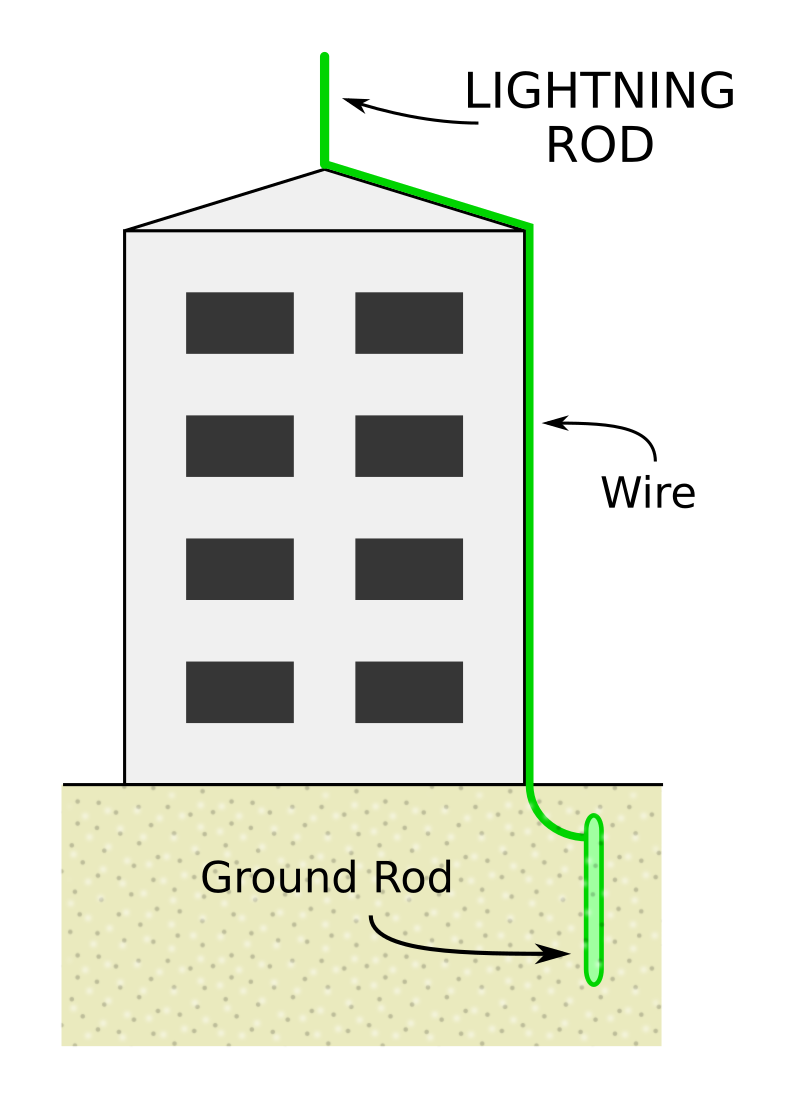
lightning rod
metal rod or metallic object to protect from lightning
tenofovir disoproxil
antiretroviral drug, used to treat or prevent HIV and hepatitis infections

semtex
thumb|Samples of semtex and other plastic explosives

polarography
Polarography is a type of voltammetry where the working electrode is a dropping mercury electrode (DME) or a static mercury drop electrode (SMDE), which are useful for their wide cathodic ranges and renewable surfaces. It was invented in 1922 by Czechoslovak chemist Jaroslav Heyrovský, for which he won the Nobel prize in 1959. The main advantages of mercury as electrode material are as follows:
1) a large voltage window: ca. from +0.2 V to -1.8 V vs reversible hydrogen electrode (RHE). Hg electrode is particularly well-suited for studying electroreduction reactions.
2) very reproducible electr

photogravure technique
thumb|Photogravure of Victor Hugo, 1883 by Walery
Photogravure (in French héliogravure) is a process for printing photographs, also sometimes used for reproductive intaglio printmaking. It is a photo-mechanical process whereby a copper plate is grained (adding a pattern to the plate) and then coated with a light-sensitive gelatin tissue which had been exposed to a film positive, and then etched, resulting in a high quality intaglio plate that can reproduce detailed continuous tones of a photograph.
felbamate
Felbamate (marketed under the brand name Felbatol by MedPointe) is an anticonvulsant used in the treatment of epilepsy. It is used to treat partial seizures (with and without generalization) in adults and partial and generalized seizures associated with Lennox–Gastaut syndrome in children. However, an increased risk of potentially fatal aplastic anemia and/or liver failure limit the drug's usage to severe refractory epilepsy.
polyhydroxyethylmethacrylate
Poly(2-hydroxyethyl methacrylate) (pHEMA) is a polymer that forms a hydrogel in water. It was invented by Drahoslav Lim and Otto Wichterle for biological use. Together they succeeded in preparing a cross-linking gel which absorbed up to 40% of water, exhibited suitable mechanical properties and was transparent. They patented this material in 1953.
rybička
small popular Czech pocket knife shaped like a fish
Remoska
thumb|upright=1.2|Remoska
A Remoska (also known as Prodiż) is a small portable electric oven with the cooking element housed in the lid of a pot. It consists of a Teflon-lined pan and a stand in addition to the lid mounted heating element. It was developed by the Czech electrical engineer Oldřich Homuta in the 1950s. The Remoska has no graded heat control. It cooks in a similar manner to an oven and is stated to be very economical in terms of electricity (470 watts for the Standard Remoska).
p–n junction isolation
method used to isolate components by surrounding them with reverse biased p–n junctions
Czech draughts
variant of checkers / draughts
War wagon
armed and/or armored animal-drawn cart or wagon