Category
page 1Data analysis

big data
information assets characterized by such a high volume, velocity, and variety to require specific technology and analytical methods for its transformation into value

data science
field of study to extract insights from data
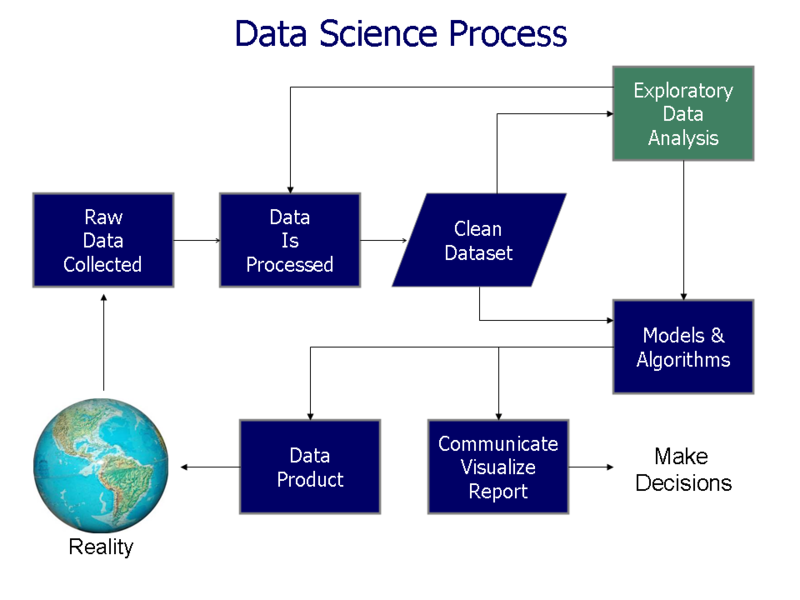
data analysis
activity for gaining insight from data

NoSQL database management system
NoSQL (originally meaning "Not only SQL" or "non-relational") refers to a type of database design that stores and retrieves data differently from the traditional table-based structure of relational databases. Unlike relational databases, which organize data into rows and columns like a spreadsheet, NoSQL databases use a single data structure—such as key–value pairs, wide columns, graphs, or documents—to hold information. Since this non-relational design does not require a fixed schema, it scales easily to manage large, often unstructured datasets. NoSQL systems are sometimes called "Not only S
Netvibes
Netvibes is a French brand of Dassault Systèmes that previously ran a web service offering a dashboard and feed reader. Currently, the company offers business intelligence tools.
pivot table
summarization tool
cosine similarity
measure of similarity between vectors of an inner product space
feature engineering
process that creates features for machine learning by transforming or combining existing features
document-oriented database management system
computer program designed for storing, retrieving and managing semi-structured, document-oriented information
key–value database system
data storage paradigm designed for storing, retrieving, and managing associative arrays

visual inspection
common method of quality control, data acquisition, and data analysis
Cross-industry standard process for data mining
data mining process model
dark data
data missing or collected but not analysed
data fusion
integration of multiple data sources to provide better information
topological data analysis
analysis of datasets using techniques from topology
Base effect
concept in economic inflation
DataOps
DataOps is a set of practices, processes and technologies that combines an integrated and process-oriented perspective on data with automation and methods from agile software engineering to improve quality, speed, and collaboration and promote a culture of continuous improvement in the area of data analytics. While DataOps began as a set of best practices, it has now matured to become a new and independent approach to data analytics. DataOps applies to the entire data lifecycle from data preparation to reporting, and recognizes the interconnected nature of the data analytics team and informati
data profiling
process of examining the data available from an existing information source (e.g. a database or a file) and collecting statistics or informative summaries about that data
qualitative comparative analysis
technique for solving the problems that are caused by making causal inferences on the basis of only a small number of cases
post-hoc analysis
statistical analyses that were not specified before the data were seen
Real-time data
information delivered immediately after collection
concept drift
change of statistical properties over time
multi-model database system
database management system designed to support multiple data models against a single, integrated backend