Category
page 1Date of death unknown

Jack the Ripper
unidentified 19th century serial killer
.jpg)
Herostratus
thumb||alt=Herostratus portrait

Vegetius
thumb|300px|Mulomedicina (1250-1375 ca., Biblioteca Medicea Laurenziana, pluteo 45.19)
Publius (or Flavius) Vegetius Renatus, known as Vegetius (), was a writer of the Later Roman Empire (late 4th century). Nothing is known of his life or station beyond what is contained in his two surviving works: Epitoma rei militaris (also referred to as De re militari), and the lesser-known Digesta Artis Mulomedicinae, a guide to veterinary medicine. He identifies himself in the opening of his work Epitoma rei militaris as a Christian.

Ahmad ibn Fadlan
10th-century Arab traveller and ethnographer

Ching Shih
influential female Chinese pirate
Heinrich Müller
German SS police official SS-General and head of the Gestapo from 1939-1945 (1900–1945)

Öz Beg Khan
Khan of the Golden Horde

Omar Dokka
Chechen warlord (1964-2013)

Christopher McCandless
American hiker and explorer (1968–1992)
Felix II
archdeacon of Rome, antipope or pope in 355 (died 365)

Margot Frank
older sister of Anne Frank (1926–1945)
Ursicinus
priest, elected pope in 366/367

Tri Songdetsen
Emperor of Tibet
%E2%80%93%20Pigment%20Painting%20(Old).jpg)
Bhavabhūti
Bhavabhūti (born Śrīkaṇṭha Nīlakaṇṭha; Devanagari: भवभूति; -) was a classical Sanskrit scholar, poet, and playwright of eighth-century India. He is considered a key successor to Kalidasa and is often regarded as matching his literary stature. His best known work Uttararamacarita (translated as The Later Deeds of Rama), earned him the title "Poet of the Karunā Rasa".
==Background==
Bhavabhuti was born in Padmapura, Aamgaon, at Gondia district,in Maharashtra. He was born in a Audumbar/Udumbar Brahmin family of scholars. He is described as a scion of the Yāyāvara family, bearing the surname Udumb

Comtesse de Die
female troubadour (fl. c. 1175 or c. 1212)
Antipope Eulalius
Antipope
Ambrosius Aurelianus
post-Roman leader in Britain

Victor IV
Italian priest, antipope in 1138
Calpurnia
widow of Julius Caesar

Louis Jolliet
Canadian explorer

Innocent III
cardinal, antipope in 1179/1180
Ahijah the Shilonite
biblical prophet in the Old Testament (First Book of Kings)
Callixtus III
antipope from 1168 to 1178

Æthelfrith of Northumbria
thumb|200px|right|The main Anglo-Saxon Kingdoms in the 7th century.
Æthelfrith (died ) was King of Bernicia from c. 593 until his death around 616 AD at the Battle of the River Idle. He became the first Bernician king to also rule the neighbouring land of Deira, giving him an important place in the development and the unification of the later kingdom of Northumbria. Reigning from the late 6th century until his death, he was known for his military campaigns against the Britons and his victory over the Gaels of Dál Riata. His most famous victory came at the Battle of Chester, where he decisively
Abdon
male human biblical figure in Judges 12:13-15, judge of Israel
Langdarma
Darma U Dum Tsen (), better known as Langdarma (, "Mature Bull" or "Darma the Bull"), was the last king of the Tibetan Empire who in 838 killed his brother, Tritsuk Detsen, then reigned from 841 until his assassination in 842. His reign led to the dissolution of the Tibetan Empire, which had extended beyond the Tibetan Plateau to include the Silk Roads with the Tibetan manuscript center at Sachu (Dunhuang), and neighbouring regions in China, Afghanistan, and India. He was assassinated by a Buddhist monk Lhalung Pelgyi Dorje.
John Ford
English Caroline dramatist and poet

Klaus Störtebeker
leader of privateers
Hamza bin Laden
key member of al-Qaeda
Virginia Dare
first child born in the Americas to English parents (fl. 16. century)
Hans Kammler
German architect, SS general, head of construction and armament projects in the German Reich (1901-1945)
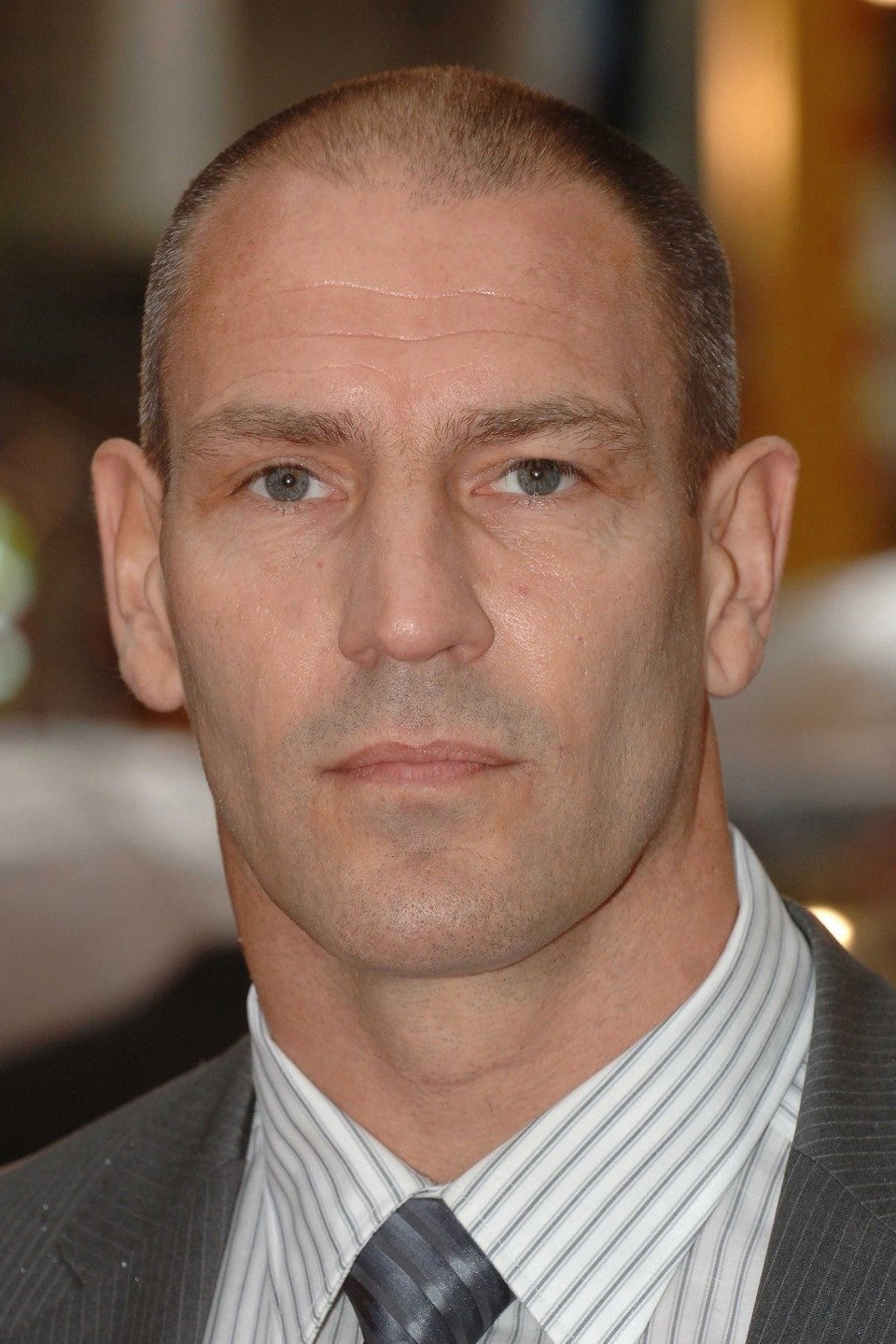
Dave Legeno
British actor, boxer and cage fighter (1963-2014)
Yanka Dyagileva
Soviet poet and singer-songwriter (1966-1991)
Isaac Komnenos
Byzantine noble
William Dunbar
medieval Scottish poet and civil servant
Tomé Pires
Portuguese apothecary and diplomat
Eudokia Angelina
Grand Princess consort of Serbia
Ōtomo no Tabito
Japanese poet and writer

Jizi
Jizi, Qizi, or Kizi (), called in Korean Kija (), was a semi-legendary Chinese sage who is said to have ruled Kija Chosŏn in the 11th century BCE. Early Chinese documents like the Book of Documents and the Bamboo Annals described him as a virtuous relative of the last king of the Shang dynasty who was punished for remonstrating with the king. After Shang was overthrown by Zhou in the 1040s BCE, he allegedly gave political advice to King Wu, the first Zhou king. Chinese texts from the Han dynasty (206 BCE – 220 CE) onwards claimed that King Wu enfeoffed Jizi as ruler of Chaoxian (, pronounced "
Eknath
Eknath (IAST: Eka-nātha, Marathi pronunciation: [eknath]) (c. 1533 – c. 1599), was an Indian Hindu Vaishnava saint, philosopher and poet. He was a devotee of Vitthal, a Hindu deity. He is a major figure of the Warkari tradition. He is often viewed as a spiritual successor to prominent Hindu Marathi saints Dnyaneshwar and Namdev.
%20LACMA%20M.79.9.12.jpg)
Basawan
thumb|A Court Scene from Sadi's Gulistan (Rose Garden), 1596
Basāwan, or Basāvan (flourished 1580–1600), was an Indian miniature painter in the Mughal style. He was known by his contemporaries as a skilled colorist and keen observer of human nature, and for his use of portraiture in the illustrations of Akbarnama, Mughal Emperor, Akbar's official Biography, which is seen as an innovation in Indian art.
Andreas Capellanus
12th-century author
Francis Crozier
Irish naval officer and polar explorer
Abdallah Mirza
ruler of the Timurid Empire
Makkhali Gosala
Indian philosopher
Spyridon Belokas
Greek long-distance runner
Wang Meng
Chinese painter (1308-1385)
Taftazani
'''Sa'ad al-Din Massud b. Fahruddin Omar b. Burhanaddin Abdullah al-Haravi al-Khorasani at-Taftazani ash-Shafi'i )also known as Al-Taftazani and Teftazani'''(1322–1390) was a Muslim Persian polymath. A sh'ari theologian and Shafi'i jurist.
Gaius Caecilius Metellus Caprarius
Ancient Roman consul (113 BC)

Marcus Aurelius Cotta
Roman consul 74 BC
Fan Kuan
Chinese painter (990-1020)
Ishbara Qaghan
sixth Qaghan of the First Turkic Khaganate
Kegham Parseghian
Armenian writer, columnist, publicist, teacher, editor, and journalist
Aimée du Buc de Rivéry
French heiress (born 1768)
Helen of Znojmo
Polish noble
Takashina no Takako
Japanese waka poet
Isaac the Blind
French writer and rabbi (c. 1160–1235)
Hotu Matu'a
"supreme chief" of Easter Island
Bertha, Duchess of Brittany
French politician
Cayetano Saporiti
Uruguayan association football player (1887-1954)