Category
page 1Decapods

Decapoda
A decapod is a crustacean in the large order of Decapoda (from Ancient Greek δεκάς (dekás), meaning "ten", and πούς (poús), meaning "foot"), within the class Malacostraca, including crabs, lobsters, crayfish, shrimp, and prawns. Most decapods are scavengers. The order is estimated to contain nearly 15,000 extant species in around 2,700 genera, with around 3,300 fossil species. Nearly half of these species are crabs, with the shrimp (about 3,000 species) and Anomura including hermit crabs, king crabs, porcelain crabs, squat lobsters (about 2500 species) making up the bulk of the remainder. The

shrimp
A shrimp (: shrimp (US) or shrimps (UK)) is a common name typically used for crustaceans with an elongated body and a primarily swimming mode of locomotion – usually decapods belonging to the Caridea or Dendrobranchiata, although some crustaceans outside of this order are also referred to as "shrimp".
Astacidea
Astacidea is an infraorder of decapod crustaceans including lobsters (but not "lobsters" such as the spiny lobster etc.), crayfish, and their close relatives.
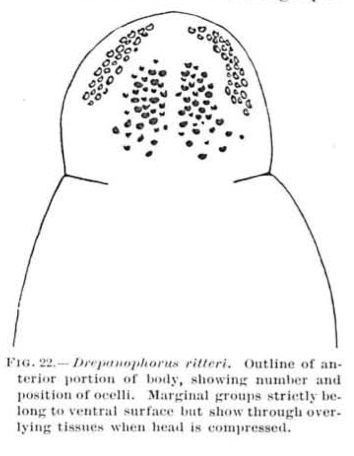
Pleocyemata
Pleocyemata is a suborder of decapod crustaceans, erected by Martin Burkenroad in 1963. Burkenroad's classification replaced the earlier sub-orders of Natantia and Reptantia with the monophyletic groups Dendrobranchiata (prawns) and Pleocyemata. Pleocyemata contains all the members of the Reptantia (including crabs, lobsters, crayfish, and others), as well as the Stenopodidea (which contains the so-called "boxer shrimp" or "barber-pole shrimp"), and Caridea, which contains the true shrimp.
shrimp farming
breeding shrimp for food

prawn
thumb|The giant tiger prawn (Penaeus monodon) is an important species for aquaculture.
Enoplometopus
genus of crustaceans

Upogebiidae
Upogebiidae is a family of mud shrimp crustaceans belonging to the infraorder Gebiidea, within the order Decapoda. They are infauna, living their entire adult lives in seafloor burrows. Over 100 species have been identified, with different species often highly specialized for different types of substrate, even including sea sponges or coral. They are filter feeders, although some species also deposit feed.

crab
thumb|upright=1.35|Cancer pagurus, the edible or brown crab ([[Brachyura)]]
Crabs are decapod crustaceans, either the Brachyura (the "true crabs") or various groups within the closely related Anomura (hermit crabs and allies), characterised by having a heavily armoured shell, their tail segments concealed under the body, the ability to run sideways, and the habit of hiding in rocky crevices. They do not form a single natural group or clade, but have convergently evolved multiple times from the ancestral decapod body plan through carcinisation, the process of creating this set of characteristic
shrimp and prawn as food
types of seafood that are consumed worldwide

Cyclodorippidae
Cyclodorippidae is a family of crustaceans belonging to the order Decapoda.
%2C_800_metres_de_profondeur.jpeg)
Cymonomidae
thumb | right
Laomediidae
Laomediidae is a family of mud shrimp crustaceans belonging to the infraorder Gebiidea, within the order Decapoda.
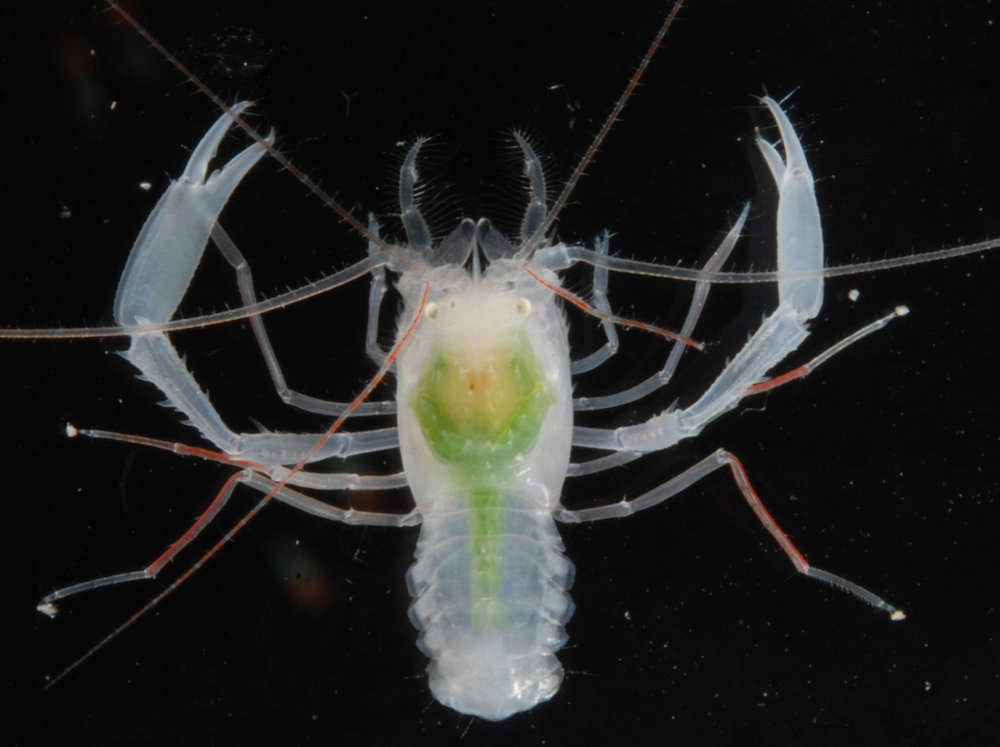
Spongicolidae
Spongicolidae is a family of glass sponge shrimp in the order Decapoda. There are about 8 genera and more than 40 described species in Spongicolidae. Apart from the shallows-dwelling genus Microprosthema, the family consists of glass sponge infauna (or inquiline), living within the body cavity of their sponge, presumably for life with a few other sponge shrimp. The sponge infaunal species most often inhabit Euplectella sponges, but can be found in Hyalonema sieboldii, Dactylocalyx pumiceus, Regradella phoenix, and R. okinosena.
Enoplometopus antillensis
species of crustacean
cleaner shrimp
species of crustacean

Bresiliidae
Bresiliidae is a family of crustaceans belonging to the order Decapoda.
Nematocarcinidae
Nematocarcinidae is a family of crustaceans belonging to the order Decapoda. Sometimes called spider shrimp, they inhabit deeper waters beyond the continental shelf, to depths of around .

Enoplometopus occidentalis
species of crustacean
Iphiculidae
Iphiculidae is a family of crabs belonging to the superfamily Leucosioidea.
Procarididea
Procarididea is an infraorder of decapods, comprising only thirteen species. Six of these are in the genera Procaris and Vetericaris, which together make up the family Procarididae. The remaining seven species are only known from fossils, one belonging to the genus Udorella (the sole member of the family Udorellidae) and the other six belonging to the genus Udora, which cannot yet be assigned to any family.

Phyllotymolinidae
thumb | right
Phyllotymolinidae is a family of crustaceans belonging to the order Decapoda.
Enoplometopidae
REDIRECT Reef lobster
Bathypalaemonellidae
Bathypalaemonellidae is a family of crustaceans belonging to the order Decapoda.
Disciadidae
Disciadidae is a family of crustaceans belonging to the order Decapoda.
Litocheiridae
Litocheiridae is a family of crustaceans belonging to the order Decapoda.
Enoplometopus holthuisi
species of crustacean
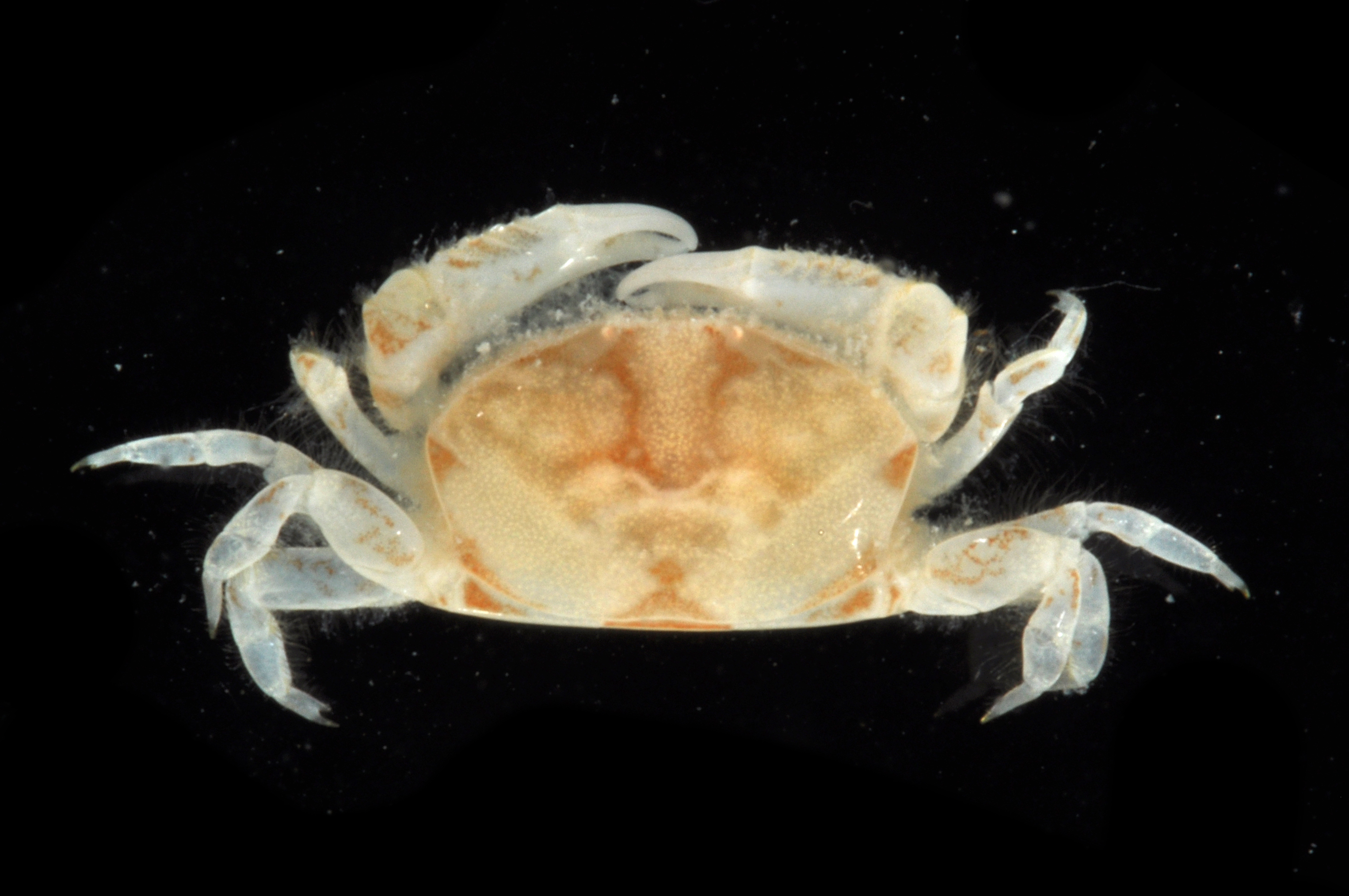
Dissodactylus
Dissodactylus is a genus of pea crabs in the family Pinnotheridae. There are at least 20 described species in Dissodactylus.

Euryplacidae
Euryplacidae is a family of crabs in the superfamily Goneplacoidea which contains the following genera:
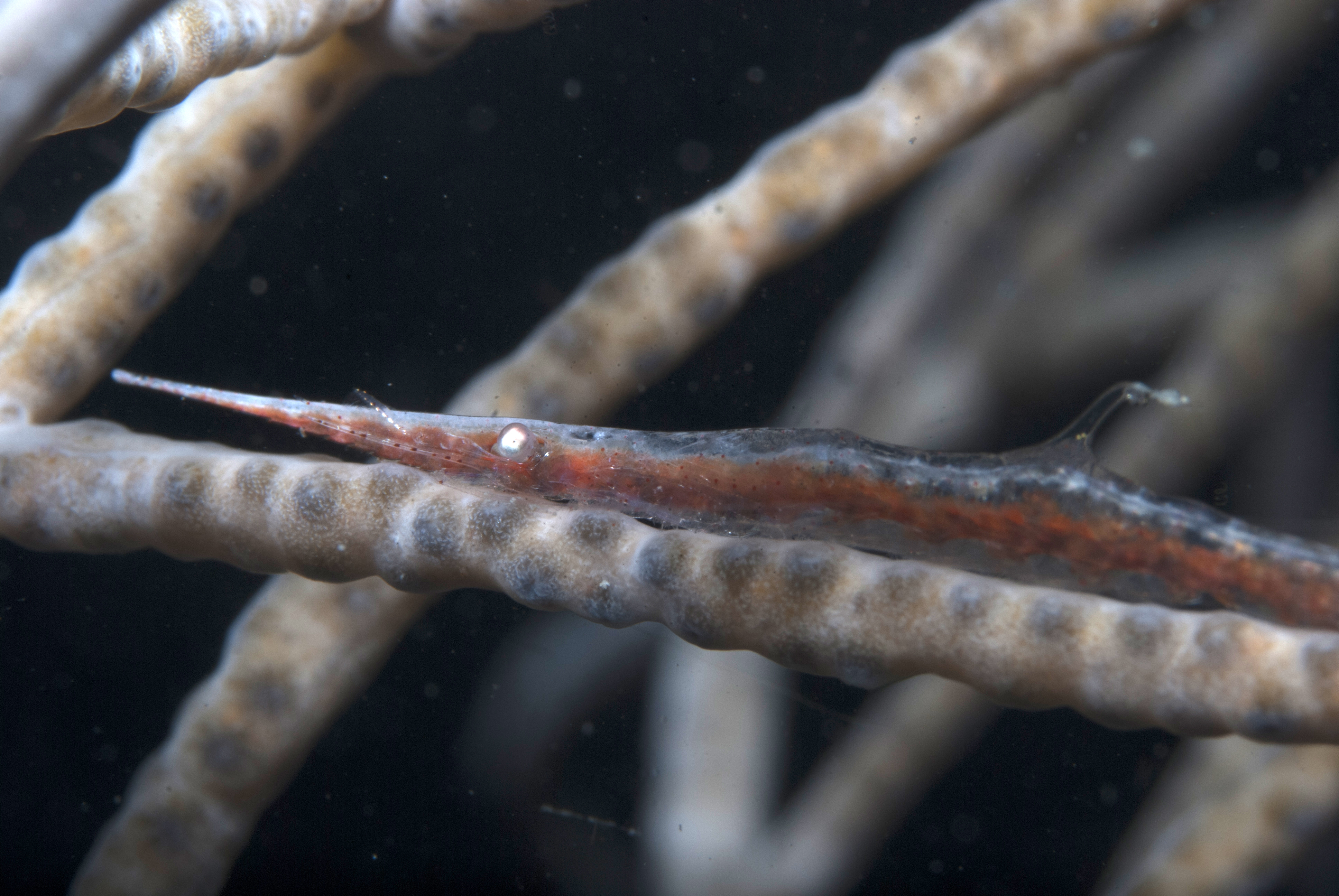
Tozeuma carolinense
species of crustacean
Chasmocarcinidae
Chasmocarcinidae is a family of crustaceans belonging to the order Decapoda.
Trichopeltariidae
Trichopeltariidae is a family of crabs.
Enoplometopoidea
REDIRECT Reef lobster

Poupiniidae
Poupiniidae is a family of crustaceans belonging to the order Decapoda.
Decapod anatomy
The entire structure of a decapod crustacean
Natantia
Natantia (Boas, 1880) is an obsolete taxon of decapod crustaceans, comprising those families that move predominantly by swimming – the shrimp (comprising Caridea and Procarididea), prawns (Dendrobranchiata) and boxer shrimp. The remaining Decapoda were placed in the Reptantia, and consisted of crabs, lobsters and other large animals that move chiefly by walking along the bottom. The division between Natantia and Reptantia was replaced in 1963, when Martin Burkenroad erected the suborder Pleocyemata for those animals that brood their eggs on the pleopods, leaving Dendrobranchiata for the prawns

Reptantia
Reptantia is a clade of decapod crustaceans named in 1880 which includes lobsters, crabs and many other well-known crustaceans.