Category
page 1December observances

Christmas

Mother's Day
celebration honoring mothers

Father's Day
celebration honoring fathers

solstice
A solstice is the time when the Sun reaches its most northerly or southerly excursion relative to the celestial equator on the celestial sphere. Two solstices occur annually, around 20–22 June and 20–22 December. In many countries, the seasons of the year are defined by reference to the solstices and the equinoxes.

Advent
Advent is a season observed in most Christian denominations as a time of waiting and preparation for both the celebration of Jesus's birth at Christmas and Jesus's return at the Second Coming. It begins on the fourth Sunday before Christmas, often referred to as Advent Sunday. Advent is the beginning of the liturgical year in Western Christianity. The name comes from Latin ('coming; arrival'), translating the Greek from the New Testament, originally referring to the Second Coming.

children's day
one of many public observances in honor of children

Christmas Eve
evening or entire day before Christmas Day

New Year's Eve
New Year's Eve in the Gregorian calendar refers to the evening—or commonly the entire day—of the last day of the year: 31 December. In many countries, New Year's Eve is celebrated with dancing, eating, drinking, and watching or lighting fireworks. Many Christians attend a watchnight service to mark the occasion. New Year's Eve celebrations generally continue into New Year's Day, 1 January, past midnight.

Human Rights Day
international annual celebration of human rights

World AIDS Day
world day

national day
designated date on which celebrations mark the nationhood of a nation

winter solstice
astronomical phenomenon that occurs in December in Northern Hemisphere and in June in Southern Hemisphere

United Nations' International Day of Persons with Disabilities
world day

Saturnalia
Saturnalia is an ancient Roman festival and holiday in honour of the god Saturn, held on 17 December in the Julian calendar and later expanded with festivities until 19 December. By the 1st century BC, the celebration had been extended until 23 December, for a total of seven days of festivities. The holiday was celebrated with a sacrifice at the Temple of Saturn, in the Roman Forum, and a public banquet, followed by private gift-giving, continual partying, and a carnival atmosphere that overturned Roman social norms: gambling was permitted, and masters provided table service for their slaves a
.jpg)
Yule
Yule (, ) is a winter festival and time of the year historically observed by heathen Germanic peoples that was later merged with the festival of Christmas during the process of Christianisation. The oldest accounts describe two Yule-months around the winter solstice in early, and sometimes explicitly heathen, Germanic calendars.

Sol Invictus
Solar deity of the later Roman Empire

Massacre of the Innocents
narrative from the Gospel of Matthew

Holy Family
Jesus, Mary and Saint Joseph

summer solstice
astronomical phenomenon that occurs in June in Northern Hemisphere and in December in Southern Hemisphere

Zamenhof Day
commemoration in Esperanto culture

Boxing Day
Boxing Day, also known as Offering Day, is a holiday celebrated on 26 December, the day after Christmas Day. Boxing Day was once a day to donate gifts to those in need, but it has evolved to become a part of Christmas festivities. It originated in the United Kingdom and is celebrated in several Commonwealth nations. The attached bank holiday or public holiday may take place on 27 or 28 December if necessary to ensure it falls on a weekday. Boxing Day is usually concurrent with the Christian festival Saint Stephen's Day.
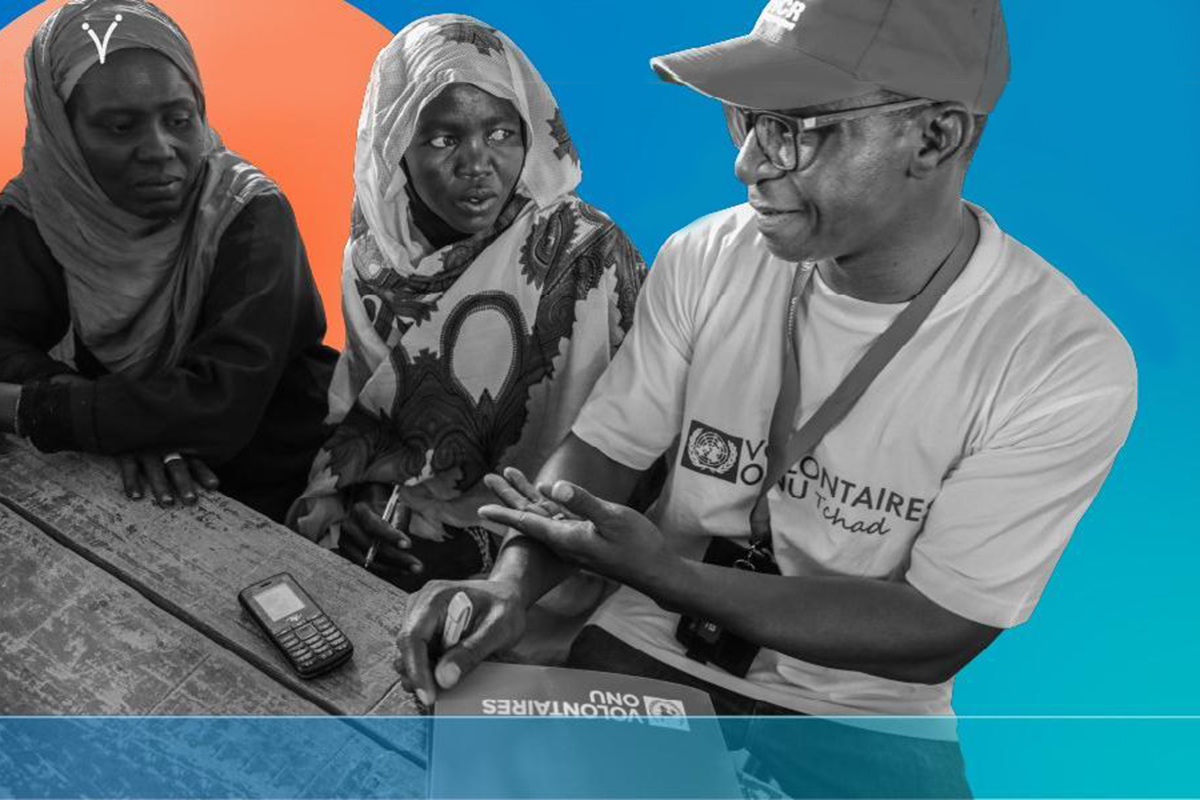
International Volunteer Day
day of international observance since 1985, offers opportunity to bring focus to volunteers and volunteer organisations
Yaldā
Persian festival

International Anti-Corruption Day
annual event of the UN on 9.12.

Kwanzaa
Kwanzaa () is an annual celebration of African-American culture from December 26 to January 1, culminating in a communal feast called Karamu, usually on the sixth day. It was created by activist Maulana Karenga based on Karenga's research of African harvest festival traditions from various parts of West, East, and Southeast Africa. Kwanzaa was first celebrated in 1966. A 2009 estimate placed the number of Americans who celebrate Kwanzaa between 500,000 and 2,000,000.
Saint Lucy's Day
Christian feast day dedicated to Lucy of Syracuse and observed on 13 December
Bona Dea
Roman deity of chastity, fertility, and healing; brought from Magna Græcia during the early/middle Republic; her rites let women use strong wine and do blood-sacrifice (things otherwise forbidden to women); men were barred from her mysteries

Dionysia
thumb|400px|A Hellenistic art|Hellenistic Greek [[mosaic depicting the god Dionysos as a winged daimon riding on a tiger, from the House of Dionysos at Delos (which was once controlled by Athens) in the South Aegean region of Greece, late 2nd century BC, Archaeological Museum of Delos]]
International Migrants Day
world day
Saint Nicholas Day
traditional Christian feast day in Europe

Sinterklaas
Sinterklaas () or Sint-Nicolaas () is a legendary figure based on Saint Nicholas, patron saint of children. Other Dutch names for the figure include De Sint ("The Saint"), De Goede Sint ("The Good Saint") and De Goedheiligman (derived from goed hylickman meaning "good marriage man", alluding to his historical reputation as a Saint who can help you find a good life partner). Many descendants and cognates of "Sinterklaas" or "Saint Nicholas" in other languages are also used in the Low Countries, nearby regions, and former Dutch colonies.
Saint Stephen's Day
holiday occurring on 26 December
International Civil Aviation Day
7 December annual recognition day
Christmas and holiday season
Christmas period with related and unrelated holidays between the end of November until the first days of January
UN Arabic Language Day
is celebrated every December 18
Independence Day
public holiday in Finland held on 6 December to celebrate the country's independence
International Tea Day
International day

Hogmanay
Hogmanay ( , ) is the Scots word for the last day of the old year and is synonymous with the celebration of the New Year in the Scottish manner. It is normally followed by further celebration on the morning of New Year's Day (1 January) and, in some cases, 2 January—a Scottish bank holiday. In a few contexts, the word Hogmanay is used more loosely to describe the entire period consisting of the last few days of the old year and the first few days of the new year. For instance, not all events held under the banner of Edinburgh's Hogmanay take place on 31st of December.
Mountain Day
name for various local and national holidays
International Day for the Abolition of Slavery
UNO international day
Constitution Day
Wikimedia disambiguation page
International Day of Solidarity with the Palestinian People
November 29; day established by UN GA Resolution № 32/40 of 12/22/1977; goal is to achieve the inalienable rights of the Palestinian people; holding is accompanied by cultural events
Christmas fast
period of abstinence and penance practiced by the Eastern Orthodox, Oriental Orthodox, and Eastern Catholic Churches
Twelve Days of Christmas
holiday spanning December 25th to January 5th
Gaudete Sunday
among the Western Christian Churches, the third Sundday of the liturgical calendar
Solemnity of Mary, Mother of God
feast day in the Roman Catholic Church
Day of the Holy Innocents
Christian observance that commemorates the execution of the male children in Bethlehem as told in Matthew 2:16

Festivus
Festivus () is a secular holiday celebrated on December 23 as an alternative to the perceived pressures and commercialism of the Christmas season. Originally created by author Daniel O'Keefe, Festivus entered popular culture after it was made the focus of the 1997 Seinfeld episode "The Strike", which O'Keefe's son, Dan O'Keefe, co-wrote.

ōmisoka
or is a Japanese traditional celebration on the last day of the year. Traditionally, it was held on the final day of the 12th lunar month. With Japan's switch to using the Gregorian calendar at the beginning of the Meiji era, it is now used on New Year's Eve to celebrate the new year.
Feast of the Immaculate Conception
Christian feast on December 8 and public holiday in some countries
National Doctors' Day
national day to appreciate physicians
Qatar National Day
holiday
.jpg)
Dongzhi
thumb|Dongzhi Festival dumplings
Victory Day
public holiday in Bangladesh
Agonalia
An Agonalia or Agonia was an obscure archaic religious observance celebrated in ancient Rome several times a year, in honor of various divinities. Its institution, like that of other religious rites and ceremonies, was attributed to Numa Pompilius, the semi-legendary second king of Rome. Ancient calendars indicate that it was celebrated regularly on January 9, May 21, and December 11.
Kartik Poornima
Hindu holy day
Engineer's Day
Engineers Day all over the world
Bodhi Day
Buddhist holiday
Youth Day
day dedicated to the youths of a country

Compitalia
The Compitalia (; ) was an annual festival in ancient Roman religion held in honor of the Lares Compitales, household deities of the crossroads, to whom sacrifices were offered at the places where two or more ways met.